Mature Flâneur
Paris’ Guerrilla Street Art
Subversive beauty persists
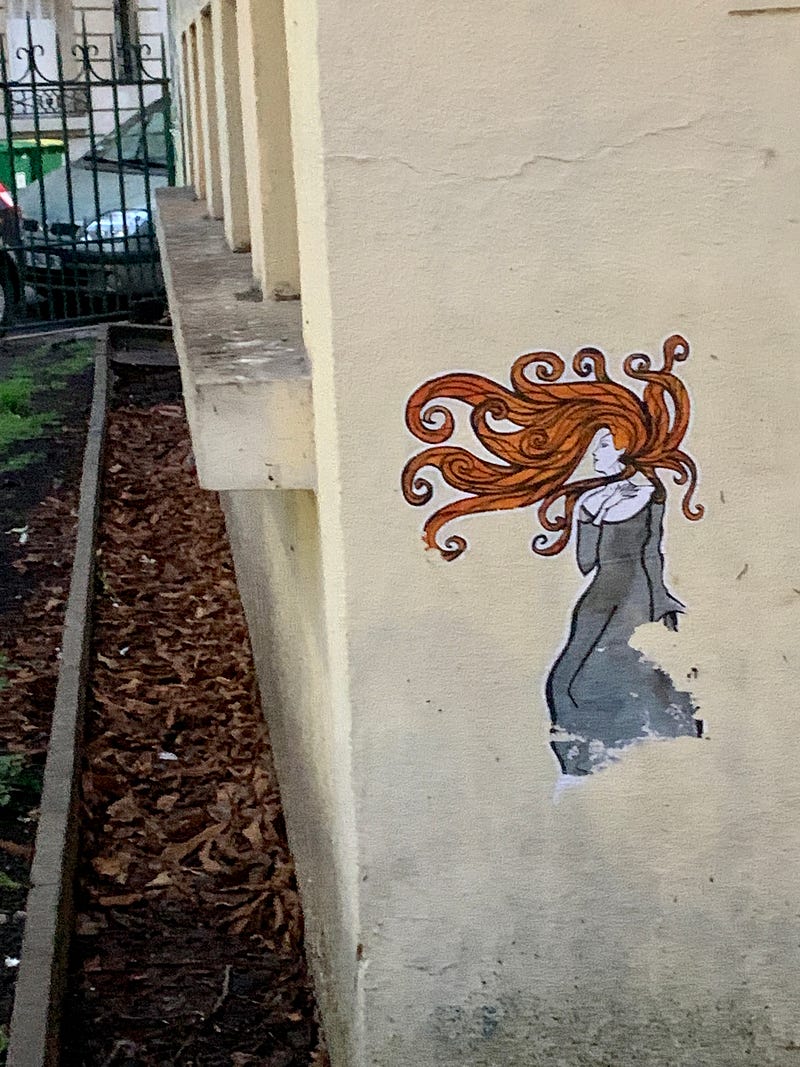
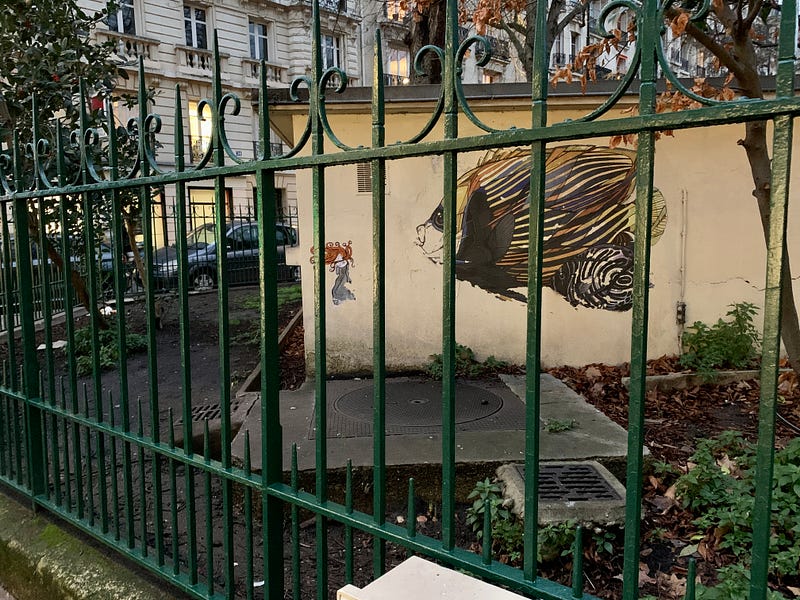
She was gone, the tiny, beautiful woman with long auburn hair — hair that once swept in swirling tendrils along the edge of the parks building. So too, the giant orange-and-black fish that floated right next to her. I felt a pang at the loss as I gazed at the cream-colored wall, freshly painted. Park maintenance was just doing its job, and I suppose they considered any unsanctioned drawing on public buildings a nuisance. But this was not some angry spray-can graffitti. This was art. Guerrilla art, to be sure. But art like this is one of the things that makes Paris so special. Walking down the most mundane sides streets, art can ambush you, stun you with a bolt of sudden beauty or whimsy, and rob you of your complacency.
I first awakened to the street art of Paris last year, and wrote about it here:
Since then, I have kept my senses tuned for new discoveries. I’ve become familiar friends with some of the artwork that I pass by regularly. I smile when I pass Eve and her pet snake on the Coulée Verte. I nod to Charlie Chaplin on the corner of rue Charlot and rue de Poitou. So, to see the red-haired woman and her fish disappear — it pained me. I suppose that is part of the message guerilla art conveys: it is impermanent.
As the foe of urban orderliness, guerrilla art is by nature temporary. Such art is a sacrifice, for the artist knows sooner or later it will be erased by those in control. But, like flowers pulled out from the cracks in the pavement, art will return. Like nature, art abhors a vacuum. In Paris every freshly-painted exterior wall is a blank canvas just waiting to be transformed into a work of beauty, an act of rebellion. Bland order will be undermined. Thus guerrilla art forces a question into our minds: who really owns the street? By noticing, by appreciating, I like to think that we flâneurs have taken the side of the subversives.
Here are some of my new favorites from a recent walk in the Haute Marais, near my neighborhood. Look closely at the first one: The little girl is holding her nose, so as not to smell a stinky bouquet of nuclear-energy flowers:
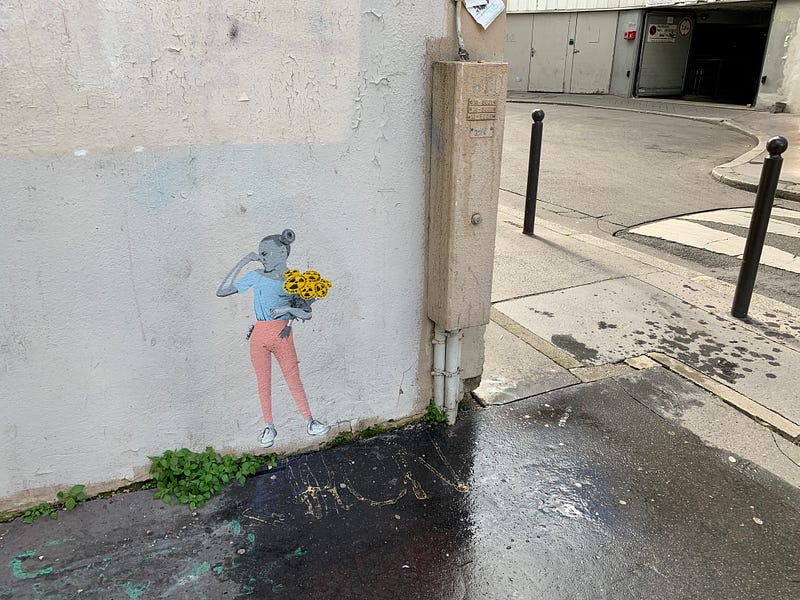
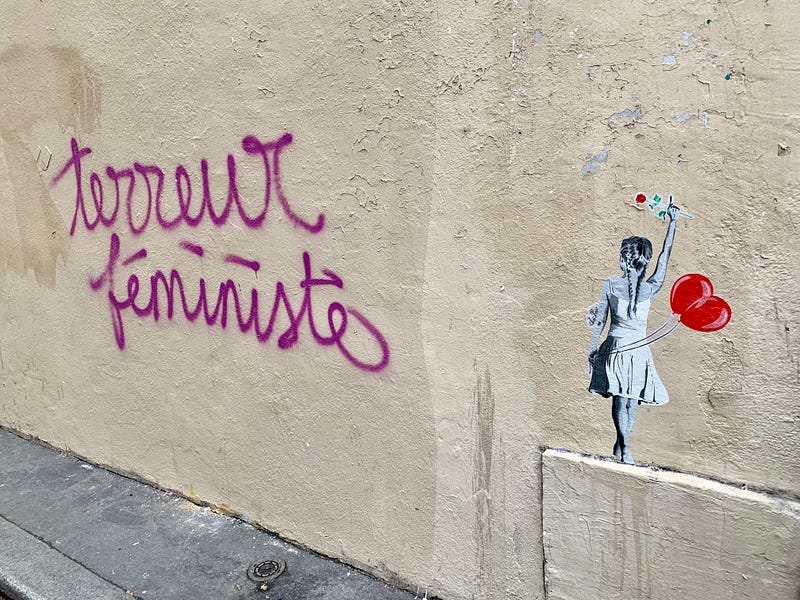
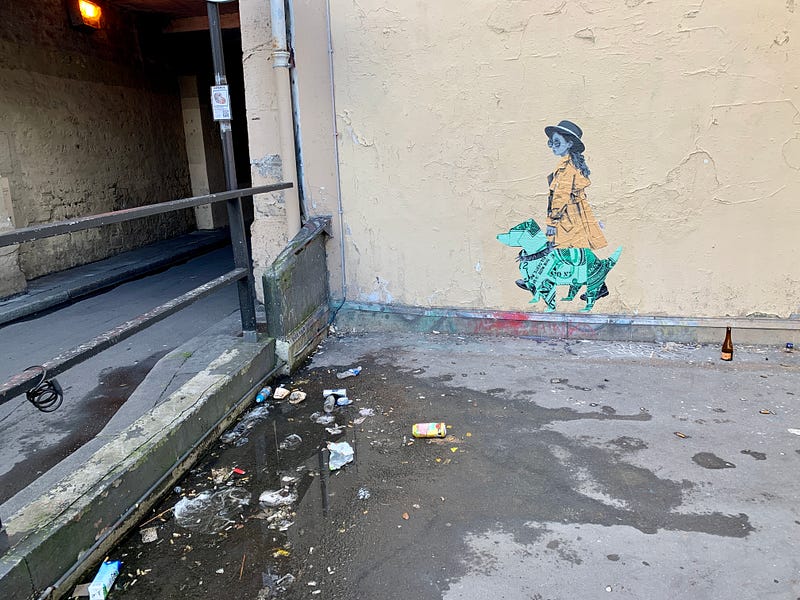
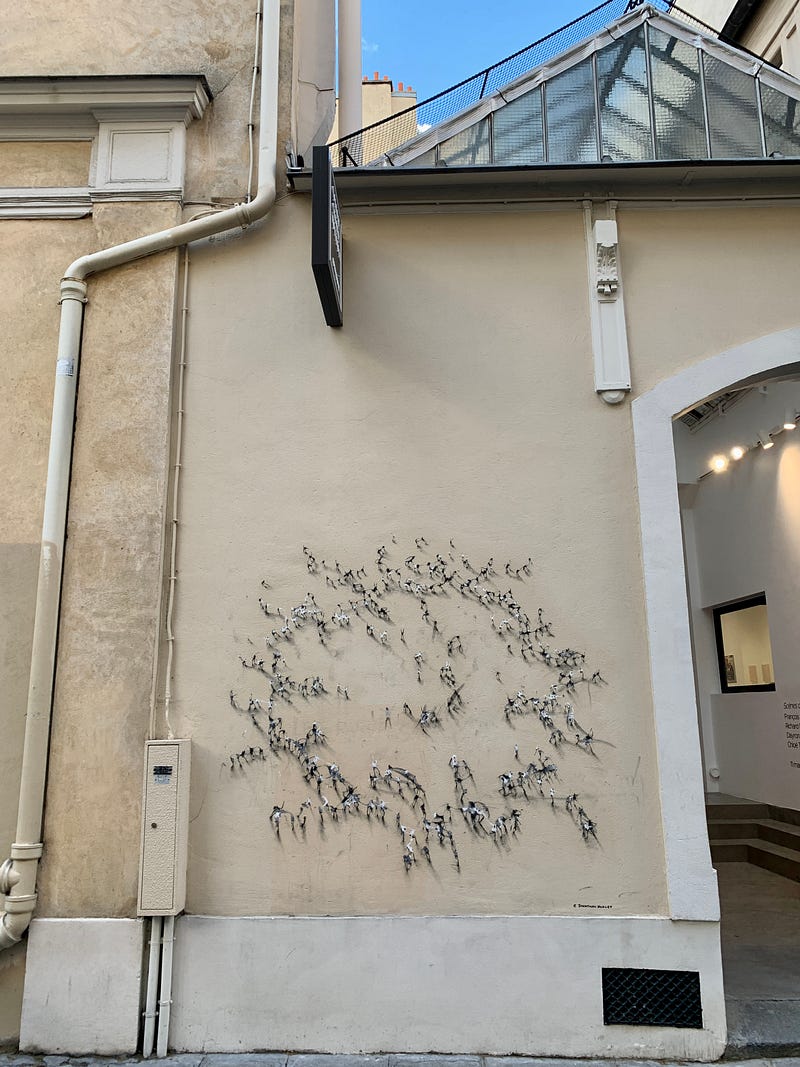
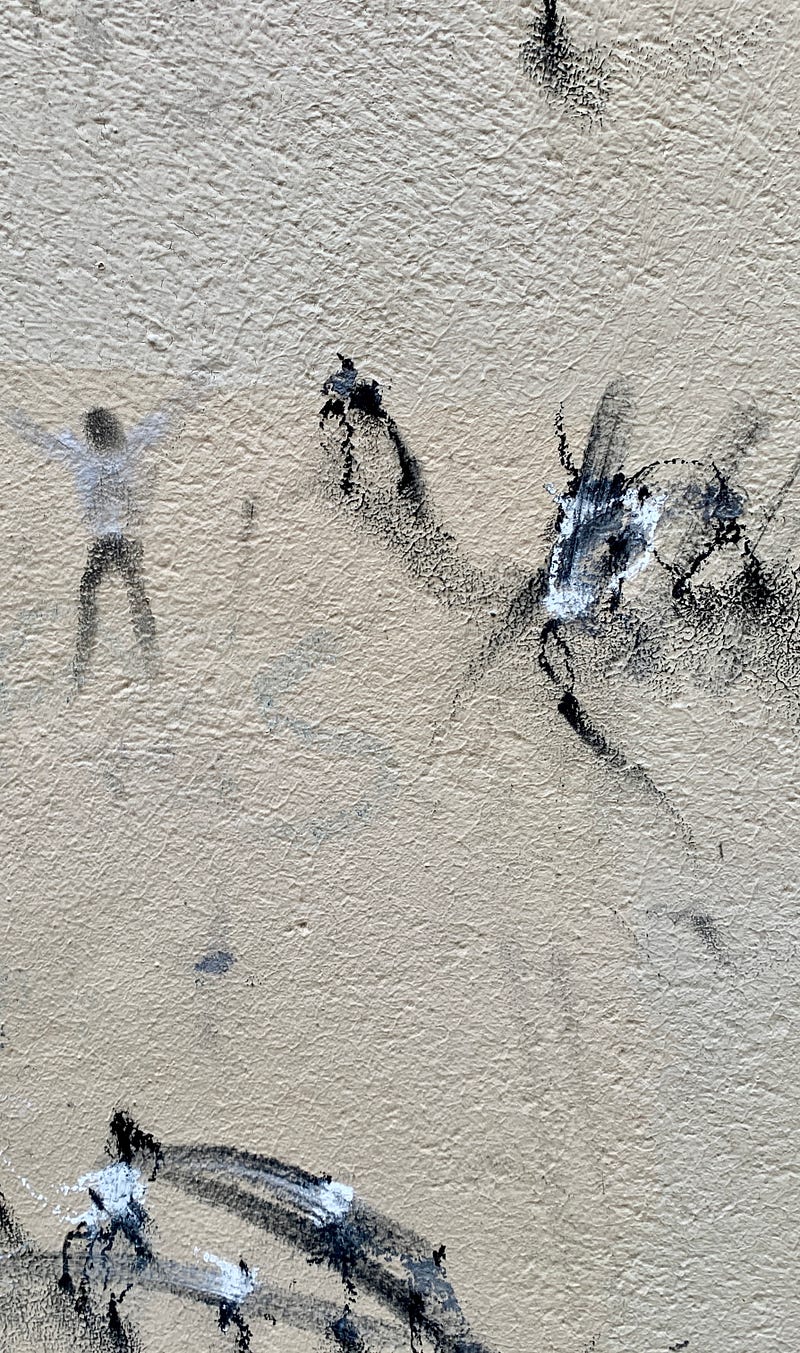
All three little girls are on the same street, and obviously by the same artists. I was struck by how each figure is placed so realistically, so that each gritty corner becomes part of the art.
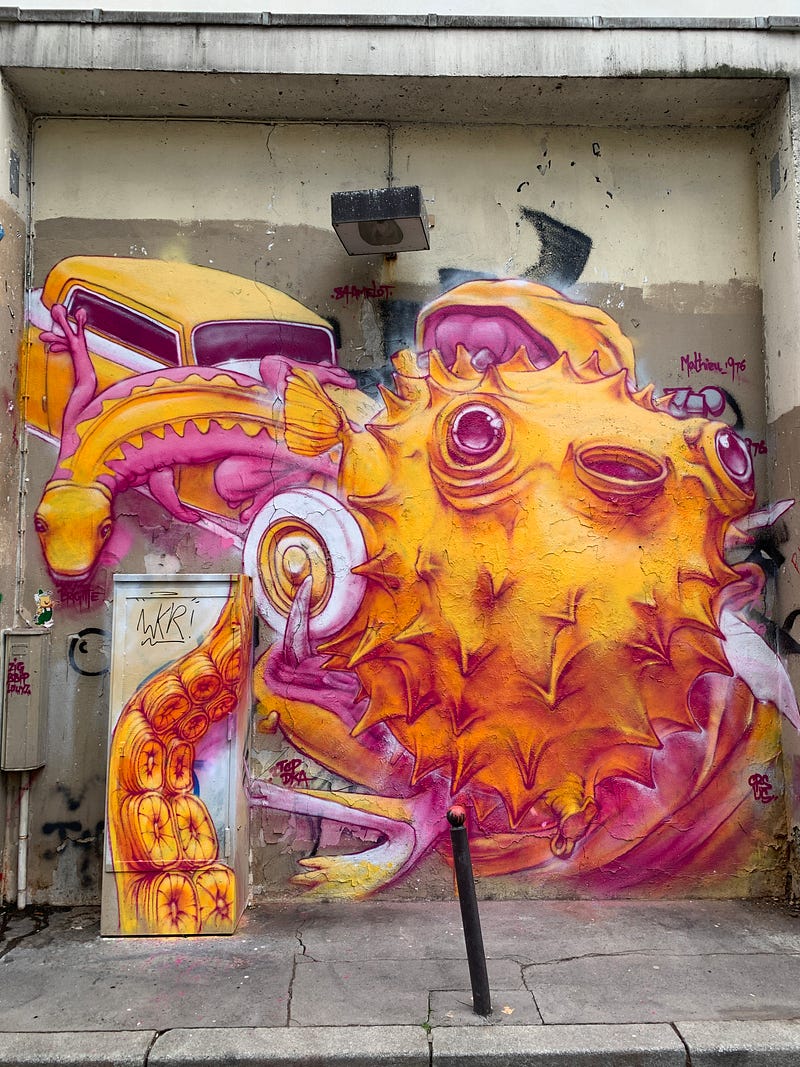
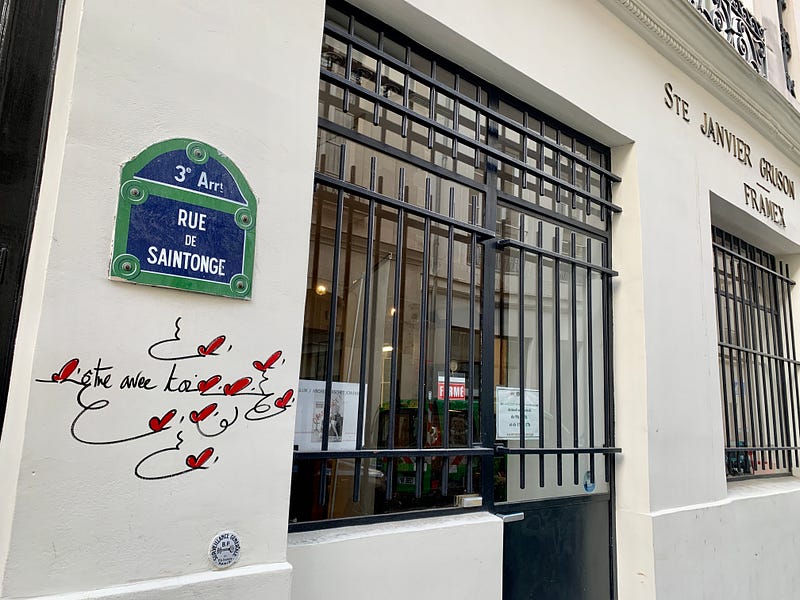
I can’t even tell what that orange-and-pink clashing kaleidescope is on the bottom left — a car hitting a pufferfish with a monitor lizard crawling off it…and what about that shark fin? And the octopus tentacle, coming out of the ground? The hearts on Rue de Saintonge are by a popular street artist in the Marais, who is a favorite of Teresa’s. The script says être avec toi — “to be with you.”
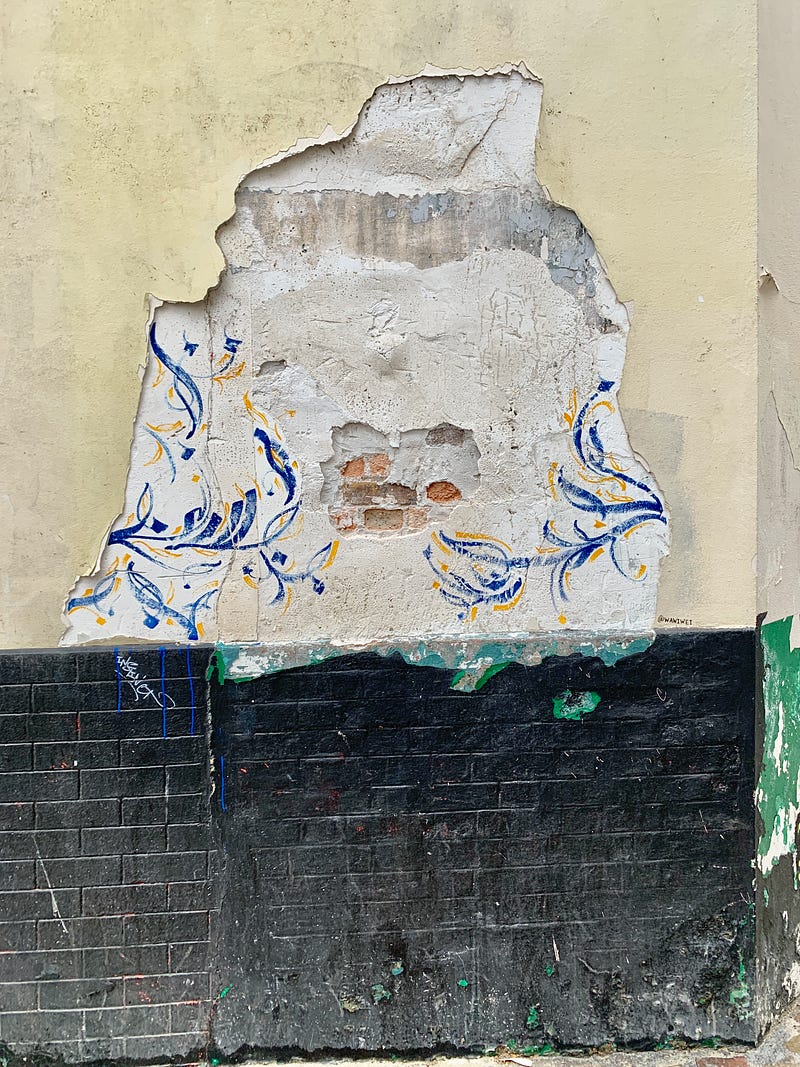
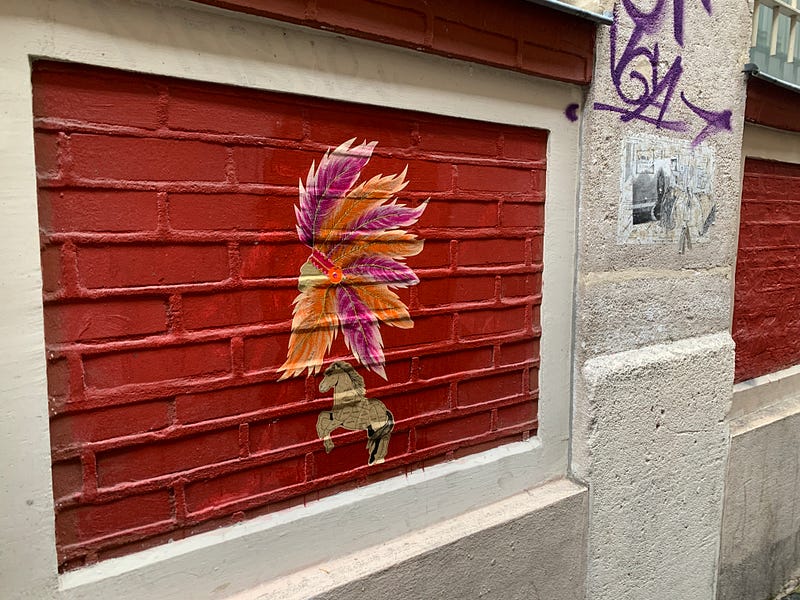
Here a few more near the Place de la Bastille. I love the top left, where the artist has painted those delicate blue tendrils as if they were an older, decorated wall under the orignal plaster, revealed through the cracking, pealing outer layers. I had to look close to see the artist’s illusion.
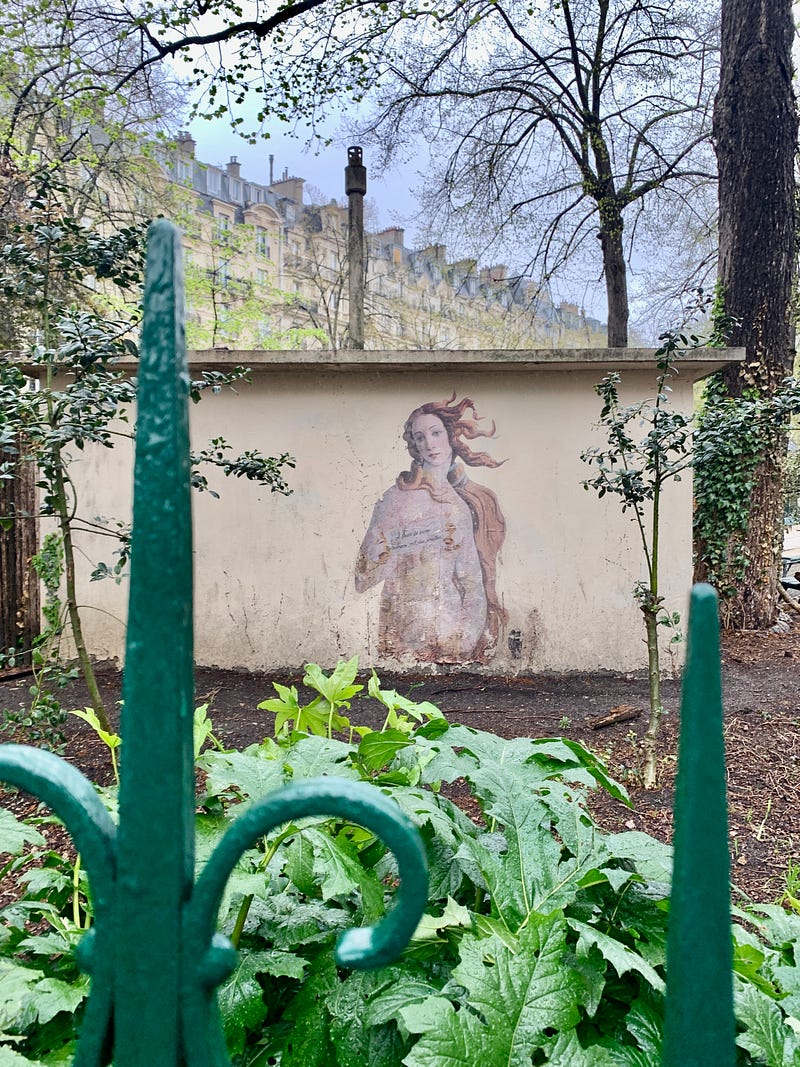
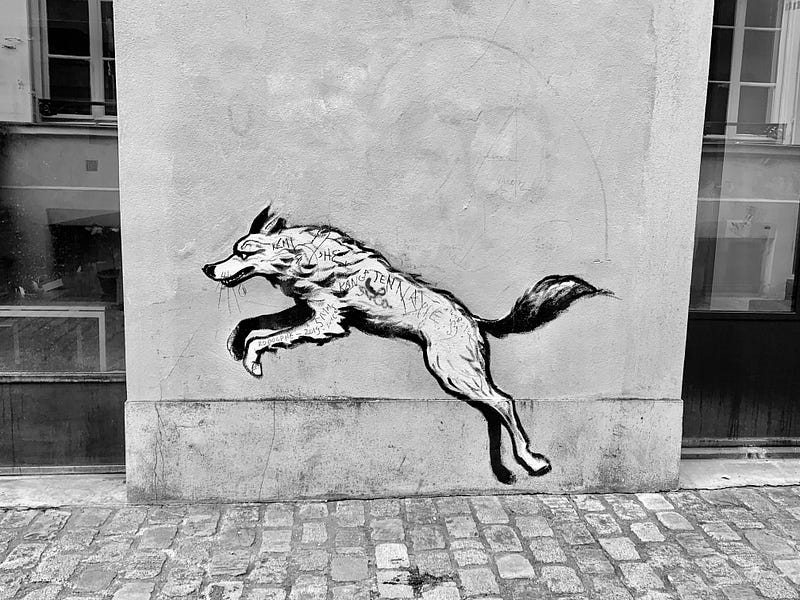
And here’s a few slightly older favorites of mine from around town:
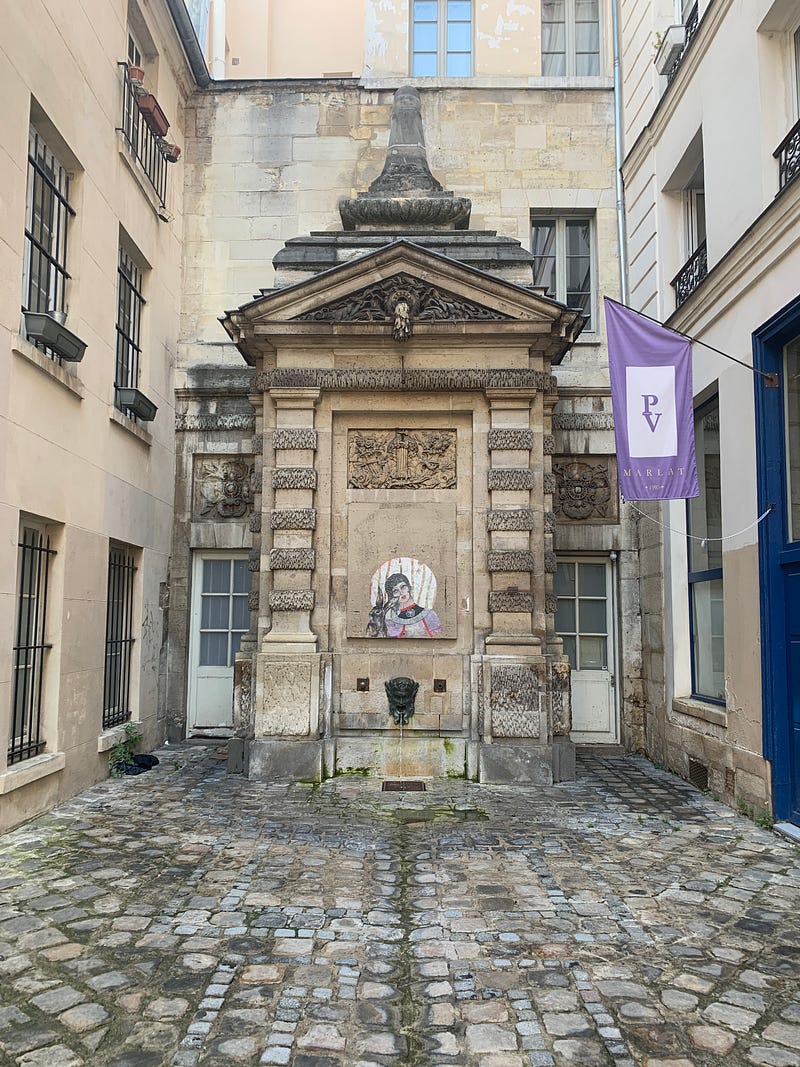
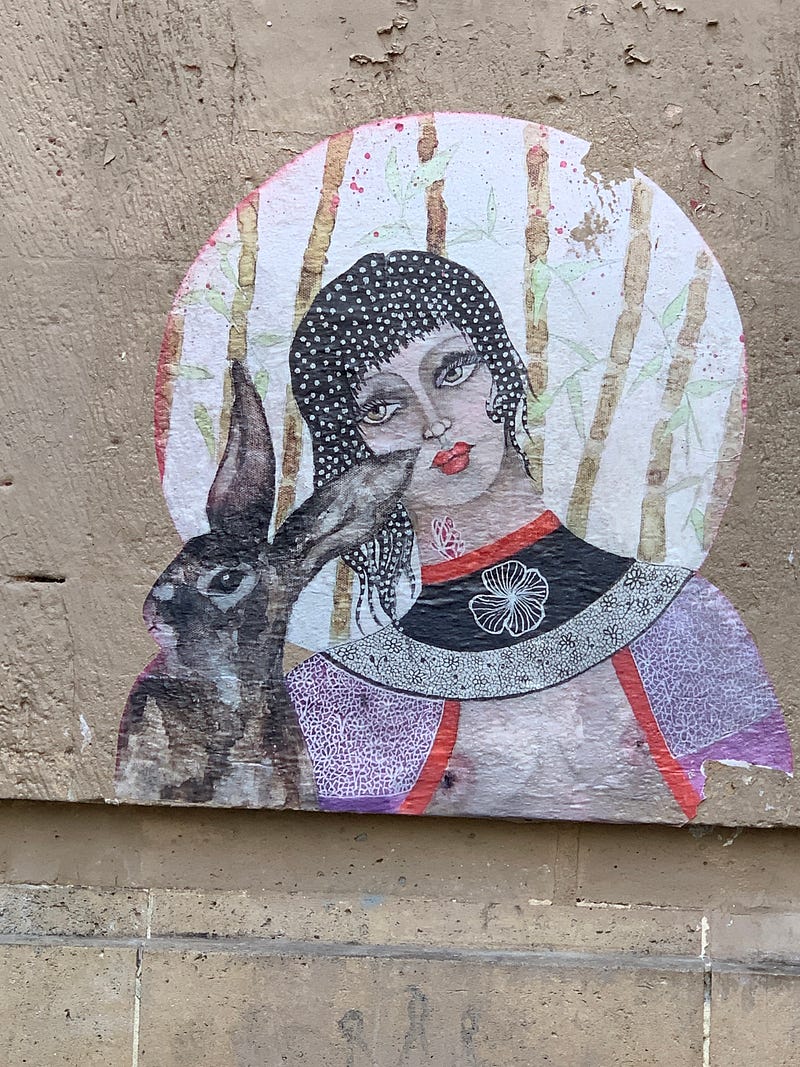
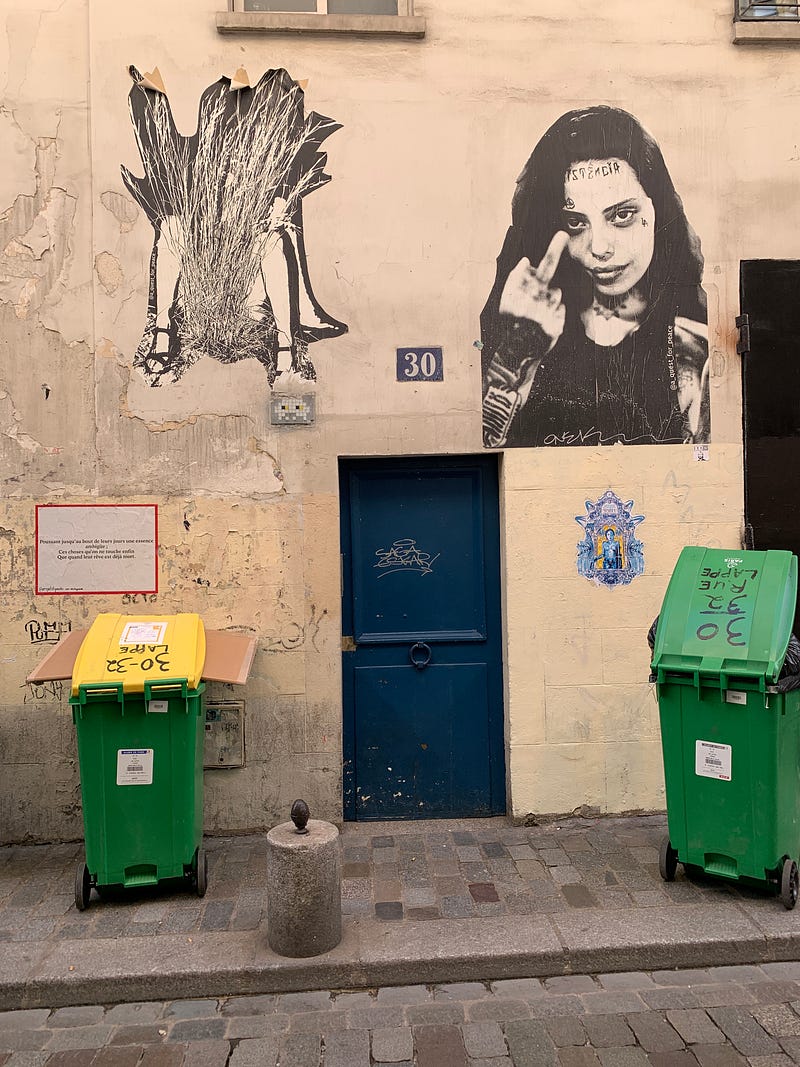
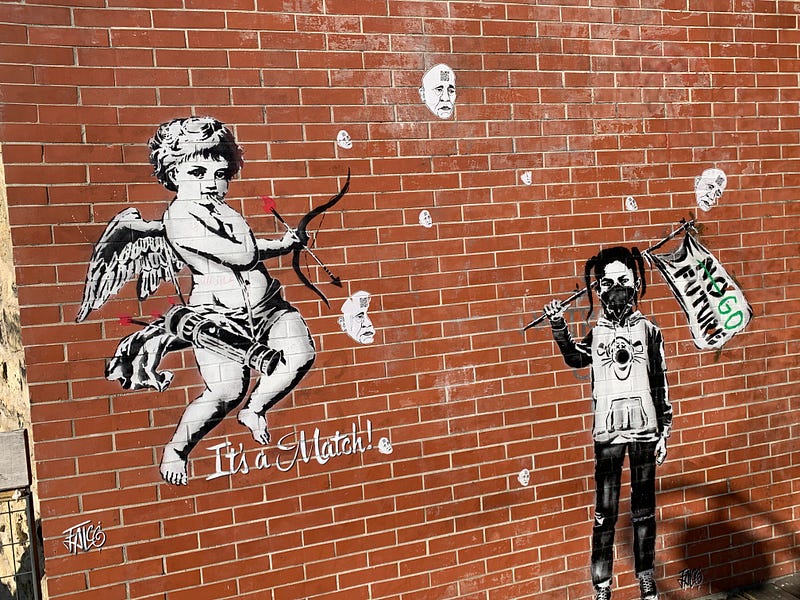
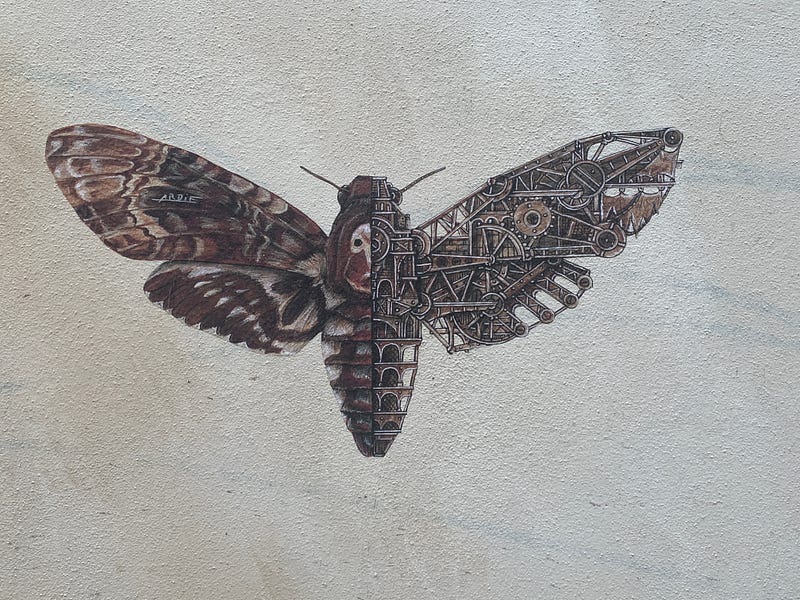
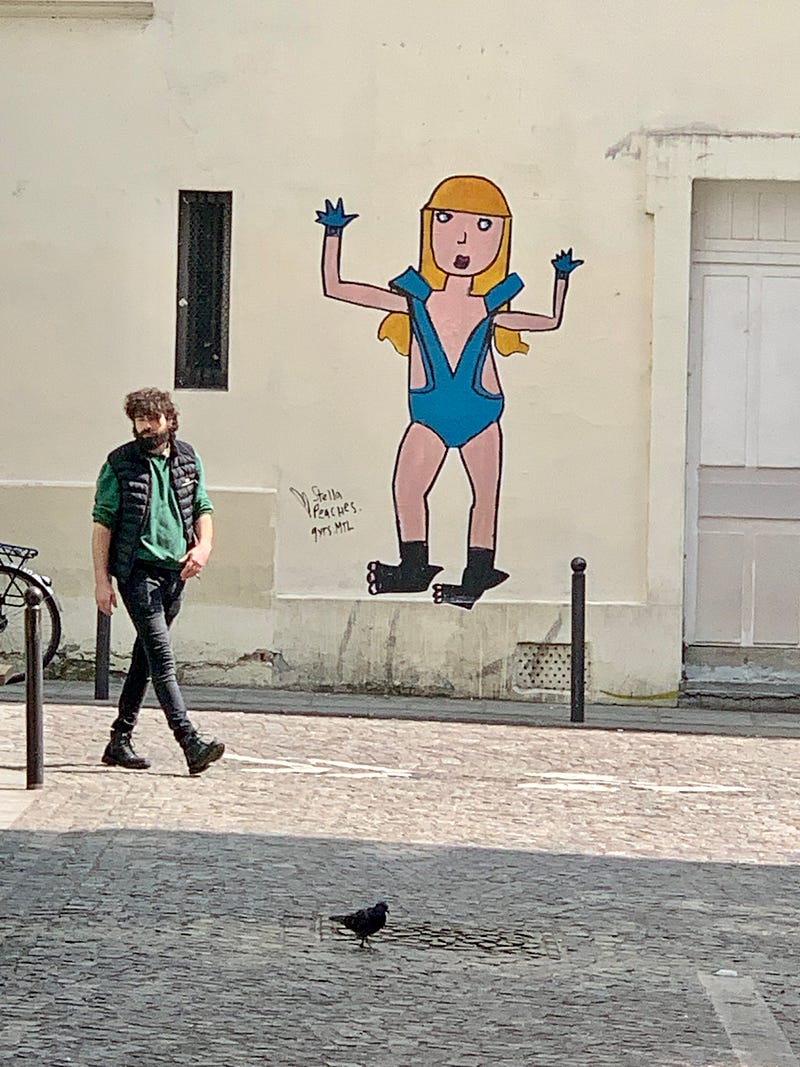
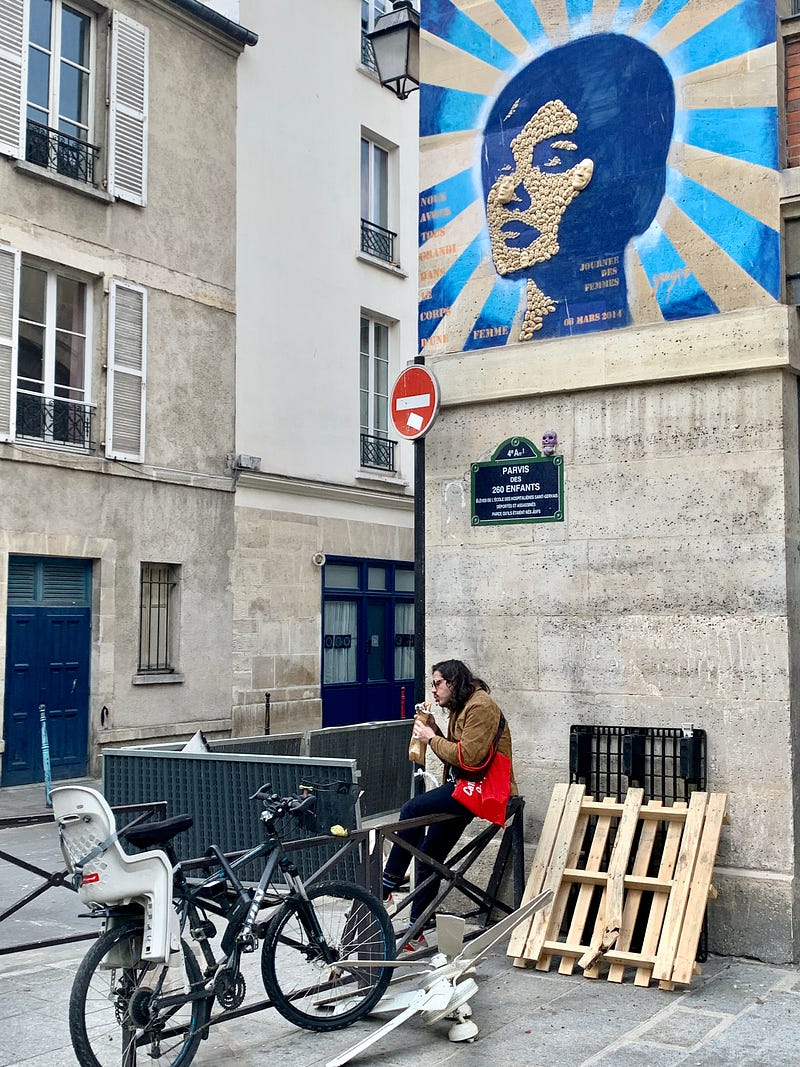
One of the most intriguing guerrilla artist in Paris is a woman who signs her work “OJA.” She has scattered around the city a series of eleborate, ex-voto portraits of various feminist idols. I’ve found them all over the east side: on pillars by the Seine, in alleyways, staircases. There are probably many more out there that I have not yet discovered:
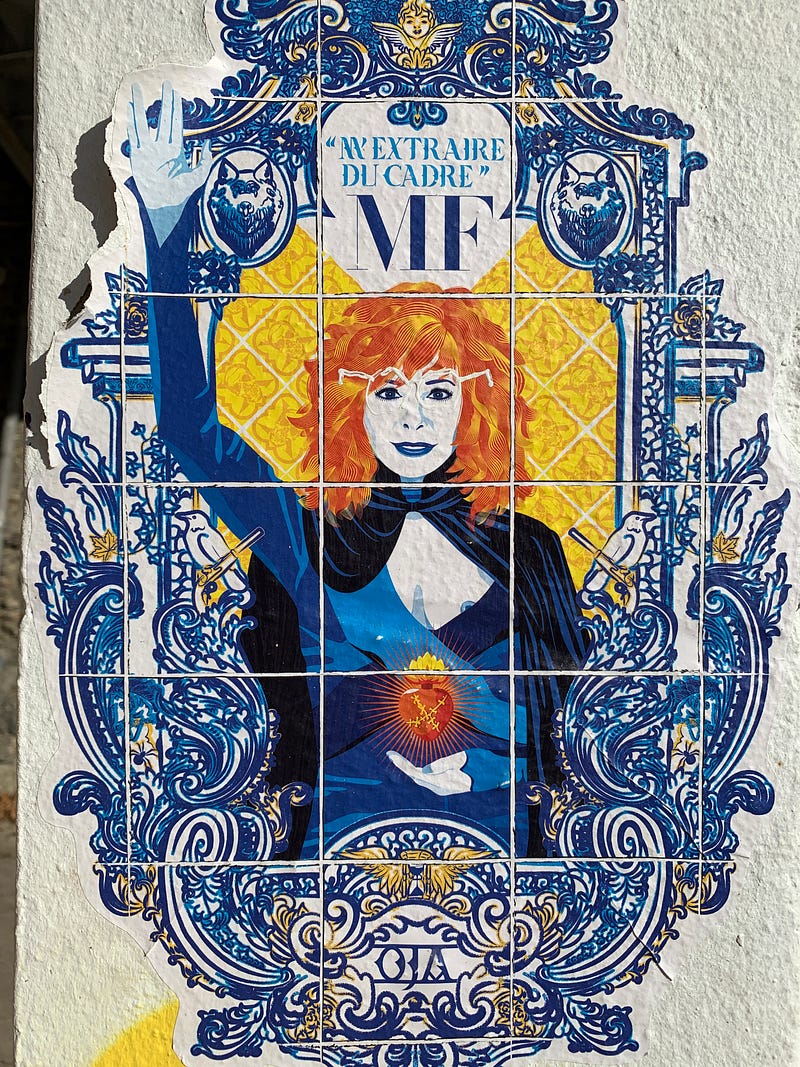
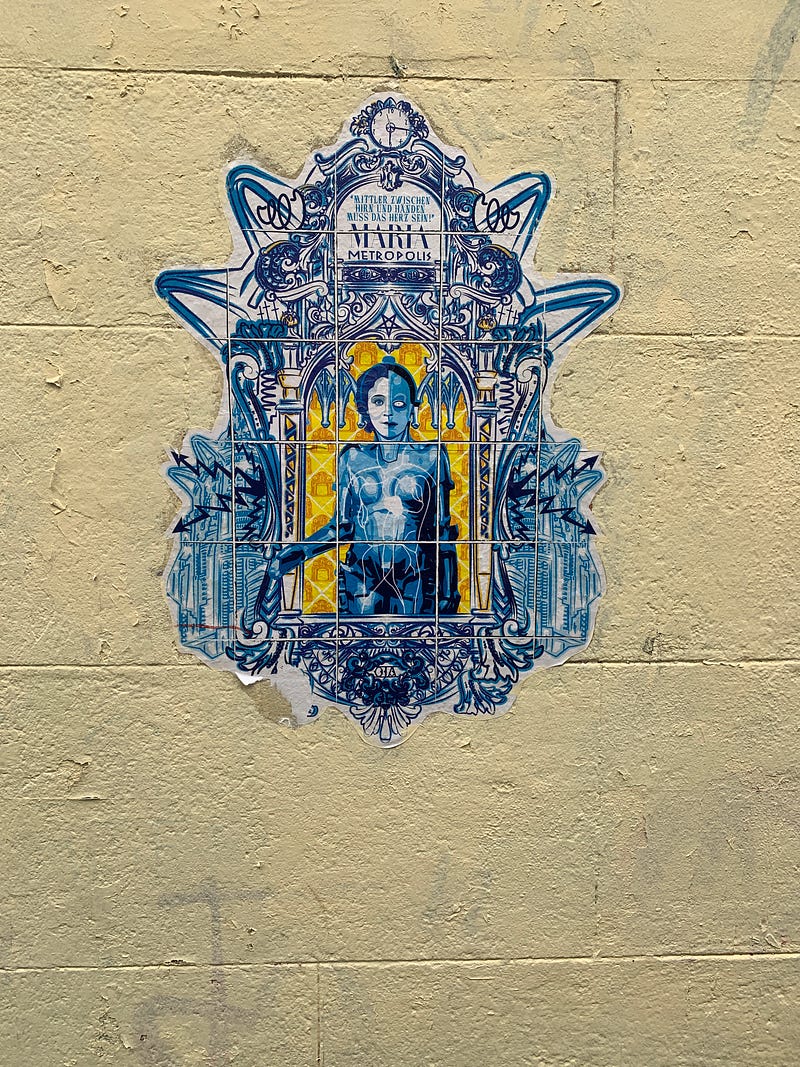
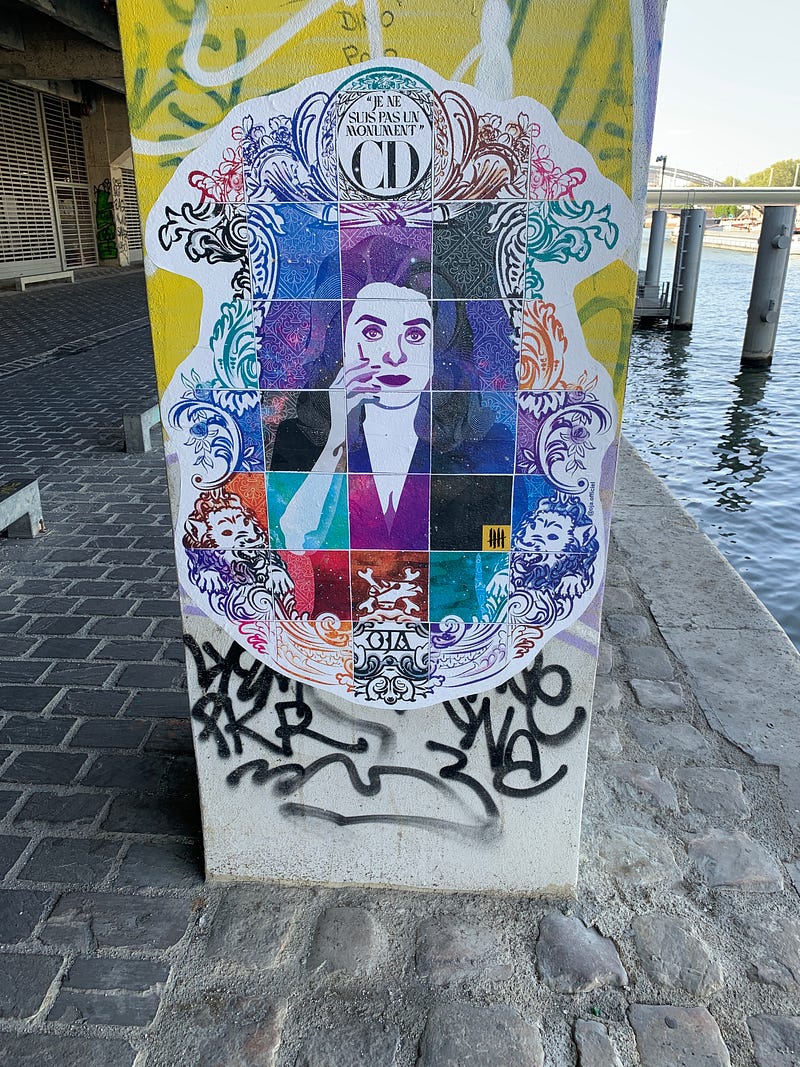
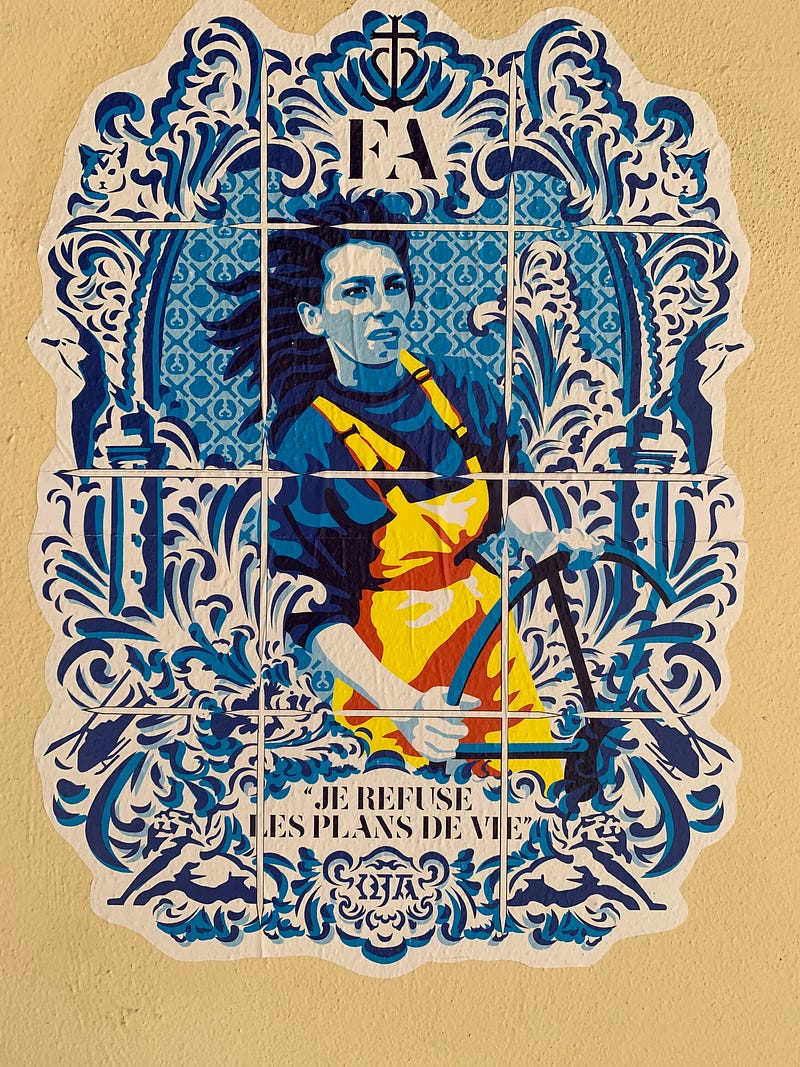
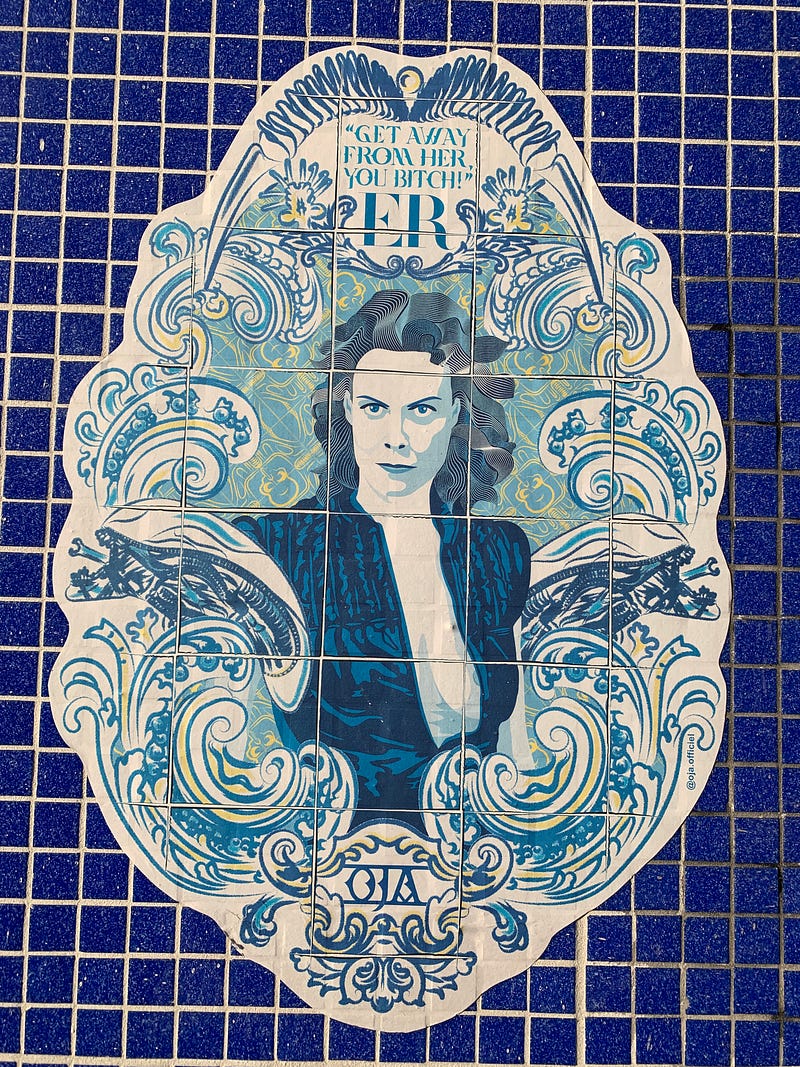
To my delight, when I googled the phrase “Je ne suis pas un monument” which is above the portrait of Catherine deNeuve (“CD”), upper right, I found an entire interview with Oja and her street art. In it, the artist says:
My portraits, which are also ex-votos, reflect the contradictions of our over-mediatized and “over-socialized” society which knows how to put a person on a pedestal one day and which the next day pillory them, without making allowances and sometimes even without really trying to understand…my portraits, graphics and texts are codified. Everything is filled with symbols which are both linked to the history of the personality and which trace the stages of my career as a graphic designer. We thus find there the world of fashion, femininity, illustration, printing, decoration and funerary ornamentation…
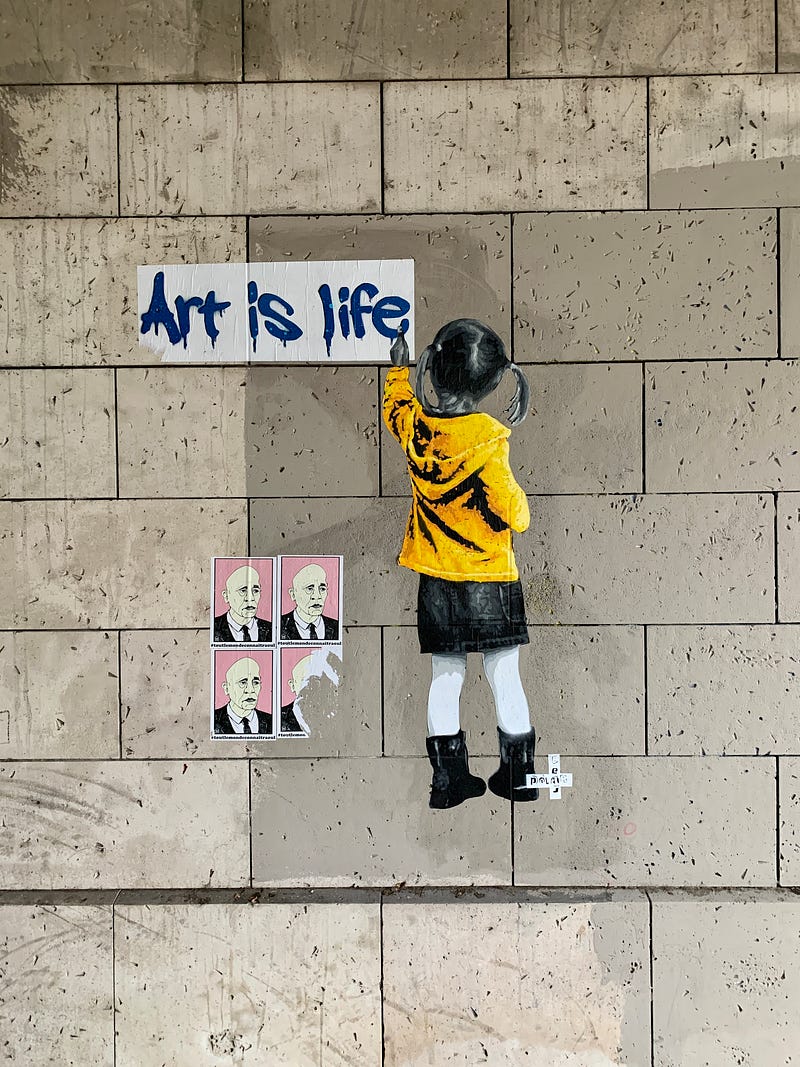
But sometimes, the message on the walls is much, much simpler. Here’s one of my favorite works located on a footpath under a bridge near the Seine. Every time I take a walk in Paris, I rediscover its profound truth: