
Parents Shouldn’t Be Made To Feel Bad If Their Homes Are Untidy!
No Parent Is Perfect. Mess Comes With Parenting.
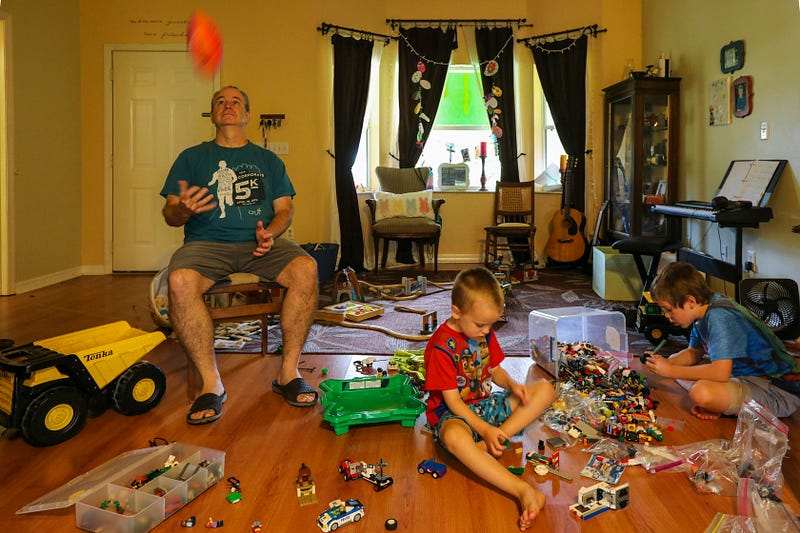
Let’s get real before I start my story.
If you’re going to have children or walk into a parent’s home, whether you are a professional such as a health visitor, friend, or family,
You’ll need to accept that there will be a mess, such as toys on the floor, laundry, some washing up, and maybe food on the floor at meal times, plus more everyday tasks that pile up when parents are trying to care for babies, toddlers, young children, and even teenagers.
The following statement might shock those professionals and others who think parents should be ‘spotless.’
The mess is not always the parent’s fault and isn’t always because they neglect their children. Sometimes, it is because they are too busy meeting their children’s needs rather than trying to be perfect at housework!
It isn’t always a sign of abuse.
Believe me. I had six children at one point, and even before that my house was chaos with just one child.
My Experiences As A Parent.
If you walked into my house during my parenting years, there would have been days when you might have thought that I never did anything!
Here is what you might have found:
- Plates, cups, bowls, pans…waiting to be washed up.
- Various bits of food on the floor while the children were eating
- Toys that covered the lounge/bedroom floor
- A pile of laundry
- Several rooms needed vacuuming
- Unmade beds
- A little food that my children loved squishing into furniture
- A few scribbles on the doors or walls by young children
- Maybe a little torn wallpaper
It might sound as though I never maintained or cleaned my home!
Well, that is what some professionals thought, and that might be what you are thinking!
I have a big surprise.
If you are thinking that, then you are wrong, and so are the professionals who came to my house!
Here is a list of things I had to do as a parent.
- Get my children up for school early in the morning, get breakfast and get them out of the door on time. This can be proven chaos when there are six children, especially if there are children with disabilities.
- Wash up, usually more frequently on weekends.
- Prepare meals.
- Laundry.
- Keep the home reasonably clean and tidy.
- Meet the children’s appointments. This was not an easy task when professionals booked appointments simultaneously and then decided I was deliberately cancelling them because I had to rearrange the times and dates so that we could make sure they could be attended.
- Make beds
- Get the children to do homework.
- Ensure all six children bathed, did their teeth, washed, dressed, ate, and combed and washed their hair.
- Ensure each child has clean uniforms for school and that they have packed everything in their bags.
- Ensure that the baby’s needs are met while trying to get the other 5 ready for the day or school.
- Shopping
- Ensure that holidays and activities were planned so we had quality family time.
- Trying to get my chores done while simultaneously contending with the younger children who had needs, and would get all of their toys out whilst I was cleaning. I soon learned that it is impossible to tidy toys while the children are playing with them, and of course, they do have the right to play! I started leaving tidying toys for when they were in bed.
- Manage squabbling.
- It is a fact that children and teenagers will argue with parents and refuse to do the things they are asked to do. It isn’t always the parents who can’t control them; sometimes, it’s just children being children. Therefore, because professionals became concerned over trivial things, our days were often full of disagreements trying to get the children to do things. Here is another fact:
Like some adults in the world, teenagers and children have their mindsets, and will often refuse to do things no matter how many times they are asked. All we can do is reinforce it, but if they are determined not to, then no amount of pushing will make them do it or change their behaviour. In times like this, professionals need to be supportive and patient; maybe offering a helping hand rather than blaming the parents. Advice and encouragement go further than blame, and acceptance instead of perfection is more appreciated.
This isn’t a complete list.
I am sure many other parents can add to it, and many would say that they find it challenging to achieve a perfectly clean and tidy house whilst meeting their children’s needs.
Which mum or dad has time to be perfect anyway?
It is impossible to achieve an immaculate home when dealing with children spontaneously. I found it impossible with one child, but it became more complicated when I had the others.
Mess is not always harmful to a child.
There are two types of mess in my eyes.
Appropriate mess: such as a pile of washing on the chair, a small amount of washing-up in the sink, a room full of toys, or a floor with food on it because the children are still eating.
Inappropriate mess: A bathroom that never gets clean, or a toilet that hasn’t been cleaned for weeks, mouldy cups and plates in the sink that have been left to pile up for days, A carpet that is covered in food, dirt, and other substances to a point where it is not usable, tables and food surfaces that are never cleaned, a kitchen floor that is constantly covered in food or dirt and a fridge freezer that never gets sorted out or cleaned.
The above are just examples that I have picked out for this story.
When it comes to messy homes with children, we have to balance things out and prioritise what is important over what is not, for example.
- Is cleaning those toys away more important than feeding or putting your child to bed?
- Is doing the washing up more important than getting your child to school
- Is it a priority to go ahead with the appointment that your health visitor has just booked over that hospital appointment that seems more urgent for your child?
- Can the dusting not wait until you have supported your child while he does his homework?
- Is it really essential to stay in and constantly clean while the sun is blazing outside, or is this a great time to have a family day out?
- Should I just let my child fight with his siblings and beat each other up while I make the beds, or should I stop it now before it gets out of hand?
- Should I make the baby wait for his/her feed because I need to tidy the room that my toddler just trashed?
I agree that some things are essential and need doing so that you have a routine and your children have a safe and clean environment to live in.
I disagree with health professionals who expect parents to be over the top.
By that, I mean making parents feel bad for not washing up or doing the laundry because they had several appointments to attend or for dropping some things until the next day so that they could spend time doing things with their children
In my opinion; mess comes with parenting, and no parent is perfect.
They shouldn’t have to be either.
Of course, safety and hygiene are priorities when you have children, but ‘spotless’ is an unrealistic expectation when it comes to parenting.