
Parenting in America and Scandinavia: 4 Differences and What I’ve Learned From It
Judgment is universal, for one
Being a parent can be rewarding and hard no matter where you live. There are days when you want to give up, and there are days when you feel like the luckiest person on earth.
Today is more of a balanced one for me. Kids are in school, it’s the end of the week — all my other assignments are finished and I have time to write this, reflecting and looking back at my own parenting journey.
Two countries, Norway and the United States, and two very different parenting experiences.
Freedom
Kids have more freedom in Norway.
This is not very surprising. It is a safer place to be, and Scandinavians in general have a larger trust in people. They’re also all about independence being implemented at an early age.
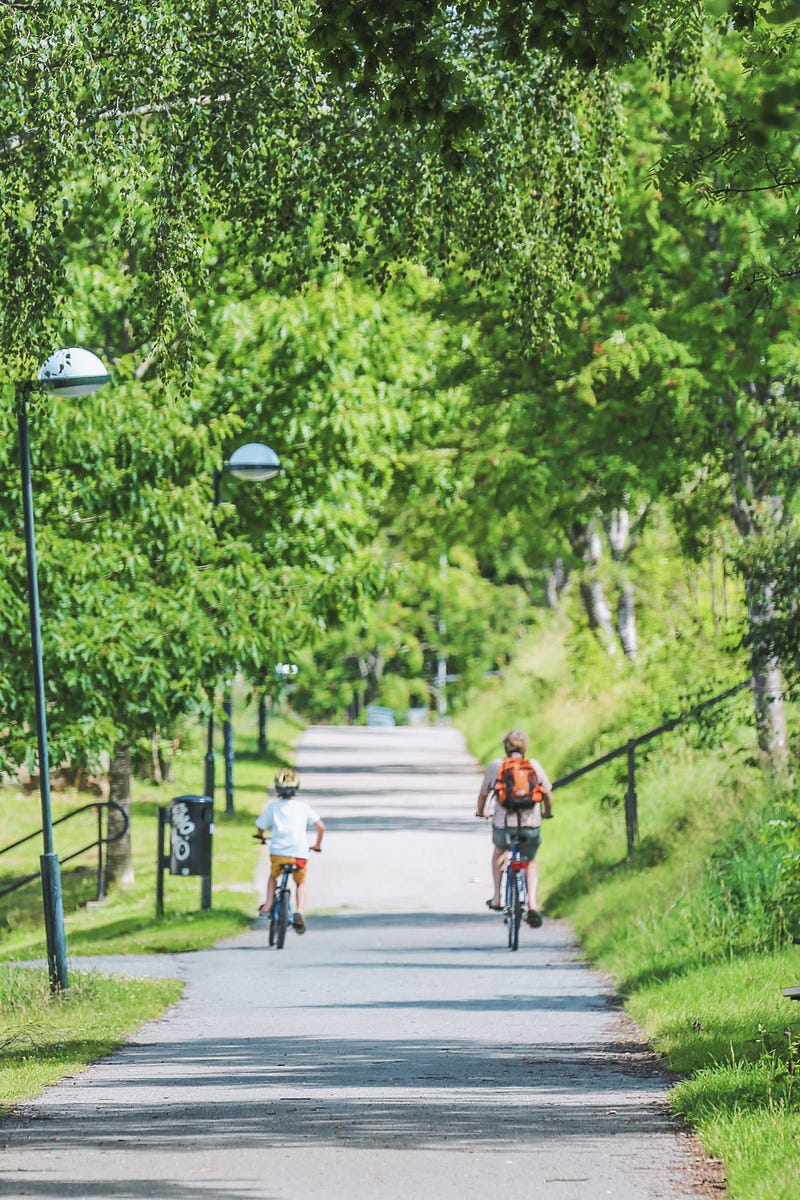
By freedom, I mean kids in the suburbs riding their bikes to school in first grade without parental supervision. Tweens taking the bus to the city center to shop on a weekend. A second grader staying home alone for two hours after the school day is over because mom’s and dad’s workday isn’t over. By freedom, I mean kids in daycare helping out in the kitchen, cutting vegetables, using real knifes. My 10-year old self letting loose in my parent’s kitchen because I loved to cook as a kid.
My oldest son attended daycare in Norway.
He loved helping out in their kitchen. He got a little cut on his finger once. It wasn’t bad. They put a bandaid on it and the next time it was his turn to help out in the kitchen, he was all about it.
Giving a knife, any knife to a kid in daycare in the United States will simply not happen. Lawsuits, safety, you name it, it will just not happen. It’s probably illegal, too. The cooking skills will have to wait until the little ones have reached an appropriate age.
My youngest son is now attending daycare in the United States.
He loves it. They had a food-themed week not too long ago; try as many pumpkin-related foods as you can. Puree, bread, milk, cookies. He enjoyed trying it all, even though he wasn’t part of the cooking and preparing process.
Kids are happy as long as there’s food and as long as they feel loved.
Judgment
Judgment is universal.
What I find fascinating is what parents judge other parents over is very different in Norway and the United States.
When I first became a parent, at the time living in Norway, I was a member of one of those terrible Facebook groups for parents. It was a food-related one on how to make healthy foods for your little ones.
The shaming new parents received when they posted a photo of a processed meal. How can you serve anything processed to the most precious treasure you have?
Ooof — as is becoming a new parent isn’t hard enough?
In the United States, losing sight of your kid for a brief moment at the playground and you’re an irresponsible, unfit mom.
Most parents love their kids.
Most parents will also make mistakes now and then (I do, probably daily). Some parents may feed their kids what you view as junk food.
There’s no need for judgment, either way.
Options
In Norway, I taught my kids to appreciate the options they have — from playgrounds to friends, food, and toys. There aren’t too many options in Norway. Just enough.
In the United States, there are a lot of options.
Sports, clothes, toys, even our neighborhood — there are so many kids and playgrounds around our beloved block it can at times feel overwhelming.
How I parent around options has changed.
Now, as before, I teach my kids to appreciate what they have, but with more of an intentional minimalist mindset. In Scandinavia, this came naturally for me because life was simpler, there wasn’t as much stuff.
Now there’s so much available, I try to teach them that more options aren’t always better. You take your time, figuring out what you want and enjoy it, rather than constantly looking for more and better.
Phones and photos
The cultural differences when it comes to kids and electronics are very fascinating. In Norway, there were several courses offered to new parents about posting online about their kids. Photos, names, date of birth, you name it.
The general theme was: The less you post, the better.
Makes perfect sense to me.
Just in my feed, there is a clear difference in how much American parents post about their kids versus how much Scandinavians post about their kids. There is much less among my Scandinavian friends.
But then, when it comes to actually giving kids their own phones, Norwegians are early.
In the United States, age 12 and 13 is the most common age to allow your kids to have a cellphone. This is according to EdWeek, with numbers from 2021 showing that the percentage of 12-year-olds owning a cellphone leaped from 41 percent in 2015 to 71 percent in 2021. Only 37% of 11-year-olds had their own phone in 2021.
Kids in Norway get their phones much earlier. The average age for kids to have their first phone is 8,8 years old, and 71 percent of all kids receive their first phone between the ages of 7 to 10.
If we had lived in Norway now, I am fairly certain we’d hear all about how “everyone has a phone, mom!” Here, there’s rarely any mention of phones.
Kids don’t normally have them at the age of 8. (thank goodness).
What I’ve learned
Parenting is a journey and it’s not always an easy one.
Talking about differences is more than fine, but plain judging is not.
Electronics is an odd cultural thing — phones are more than ok in Norway but posting photos of your kid is not.
Freedom is often talked about in the United States (for better and for worse). There is no hesitance in me than Norwegian kids have much larger freedom at an early age. If that’s good or not, I don’t know.
Time will show.
Options are all good and fun, and so is teaching your kids to be content with what they have.
Parenting is personal, and kids are different.