
Paper, Plastic, Wait, No, Paper!
An Odd, But Accurate Metaphor For My Life
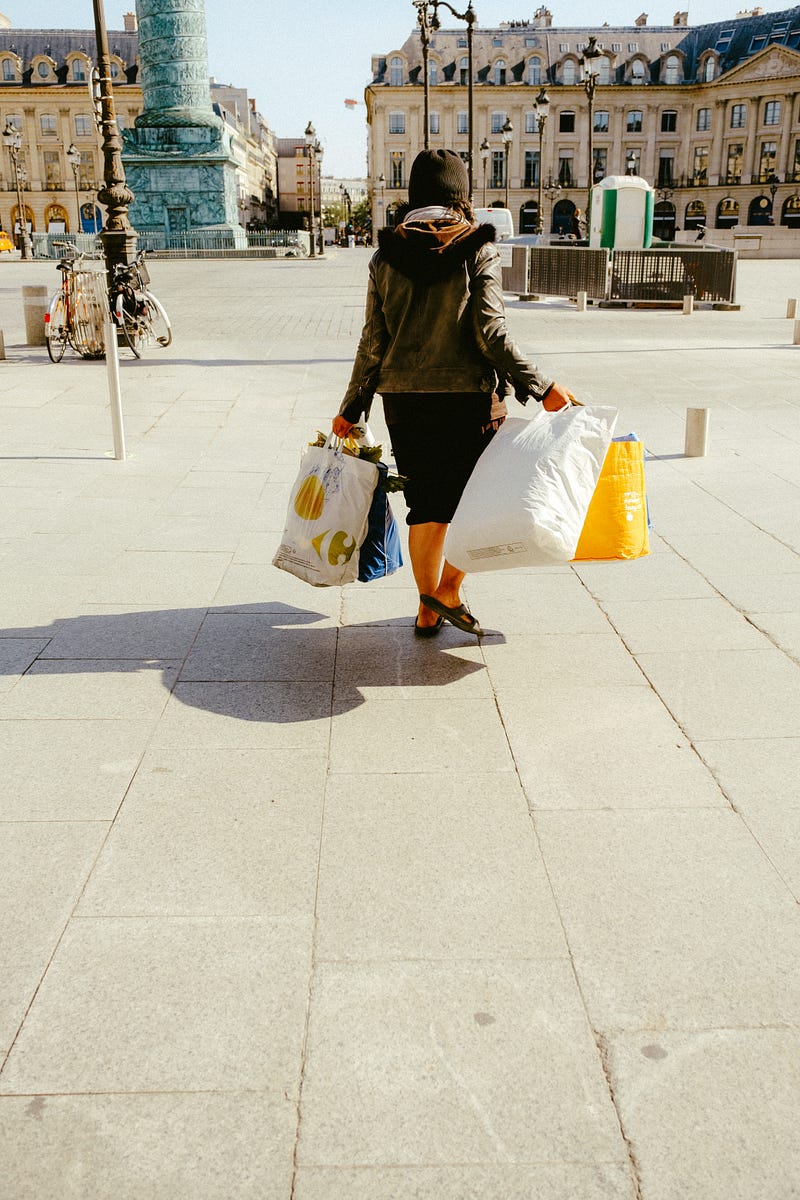
I’m old enough to know better and too young to care. To be precise, I’m 50. I’ll be 51 in July and having been born in 1971, have likely one of the best seats “in the house” when it comes to witnessing the changing world. I’ve seen it all. The good, the bad and the ugly! And it can all be described in 3 words, paper or plastic.
I know, you’re skeptical. How can grocery bags possibly describe intergenerational shifts? My question to you is how can they not?
As a young girl, I enjoyed grocery shopping with my dad. He was born in 1930 and he and my mom had what I suppose I can call typical Depression/WWII Era values. Common sense, thrift, tried and true. Use it up, mend it, reduce, reuse, recycle, as close to zero-waste as humanly possible. That’s how they rolled.
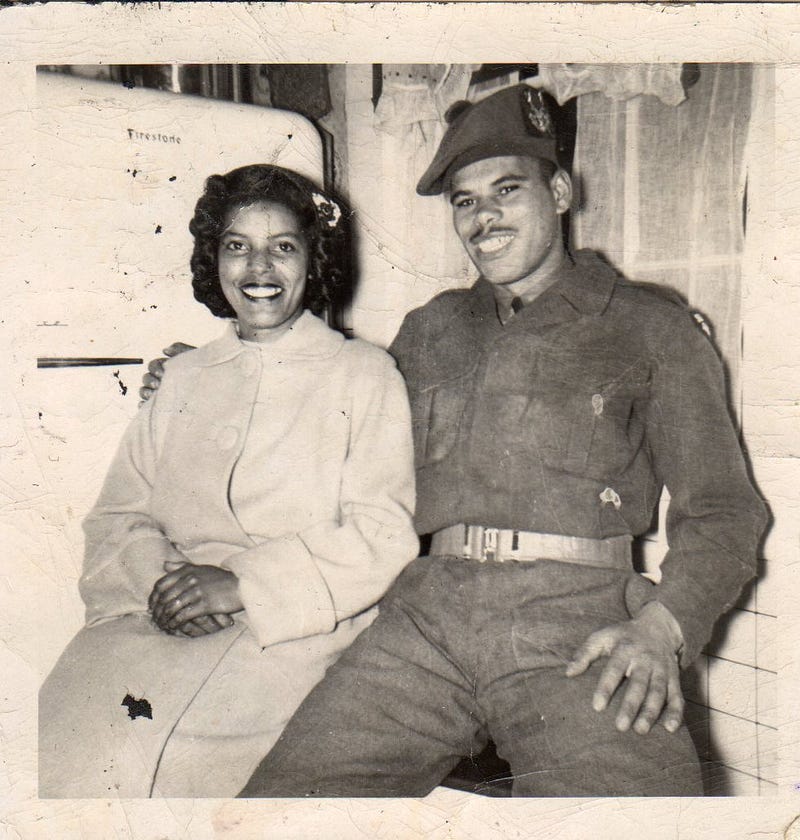
The idea of paying to go out for a burger when we had perfectly good ground beef and white bread at home made no sense to them. A hole in my jeans didn’t mean toss them out; it meant I had new shorts. The empty Maxwell House jar, well, that made a fine piggy bank. Soiled shirts became rags. Leftovers were supper and you just had to deal with it. Pop and juice came in glass bottles, that we took back for money. They were sanitized and reused.
And we bagged our groceries in brown paper bags. I can still see the bag with Steinberg’s logo in my mind. I can also picture my father somehow being able to balance 5 of them in his arms at once.
As time went on, a new invention came out. Or at least it was new to my humble military town. Paper bags disappeared and were replaced by convenient, space-aged, super-excellent, super-strong plastic bags.
These bags represented the new modern era. The 80s were coming. The times, they were a-changin'. Out with the old, in with the new!
My parents hated plastic bags. My father complained, repeatedly, about not having access to paper bags (he was also the last person on what I think was planet Earth to hang on to his wringer washer, but I digress). He and my mother were convinced that this new substance was going to be the ruination of the crystal clear water and the pristine environment they knew as kids.
Ruination — that was the word for everything it seemed. Or, at least for any progress that the world made during my teenage and young adult years. Video games like Atari came out. Ruination! Children would get fat from refusing to play outside. More and more instant and fast food. Ruination! That wasn’t nutritious. The internet. Ruination! My mother had unspecified reasons for that one.
During that time in my life, I thought my parents were out of touch, uncool and just dead wrong. I loved, LOVED plastic bags, they had handles and were easy to carry. And I loved the convenient, fast-paced, ever-changing modern world of fast fashion, MTV, use it then lose it world I was coming of age in.
And I was right, dammit! All I had to do was look around. It was obvious! My generation changed the world. We seriously, honestly, believed we changed the world and for the better. We brought down the Berlin Wall, we ended the Soviet Union, we brought an end to Apartheid (I still have my Free Mandela T-Shirt). We were wised-up, computer savvy and we knew better. Plastic bags for the win!
I raised my kids to be just like me. We consumed to the max when I could afford it. We wasted thousands on brand names. We wasted thousands on trendy foods we didn’t eat. We tossed things out when we were bored. And we did it all by bringing all that stuff home in plastic bags.
Then, things started to change. As my mother, who passed away on Christmas Day, 2020, would say, “everything old becomes new again.” The younger generation, our children, my children, started to push back. Phrases like “climate change,” “endangered species,” and “looming catastrophe” were being bandied about.
Suddenly, these kids, now adults were spouting off about science. And they knew what they were talking about because the one value that was constant through 3 generations in my family was education. My parents didn’t have one. They made damn sure I did. And I, in turn, passed it on to my boys.
It crept up slowly. But the word was out. Plastic sucked. All the hairspray, petro-chemicals, emission emitting, landfill-filling, not ever degrading stuff I held as sacred monuments of progress and affluence were killing the very land we lived on.
And here we are. The generation, my generation, that discarded reduce, reuse, recycle. The generation that scoffed at the idea of doing things for themselves or repurposing. The generation that had no clue about composting. Well, we’re doing it all now. And, we’ve let go of our beloved plastic bags. In fact, here in Canada, they’re going to soon be banned.
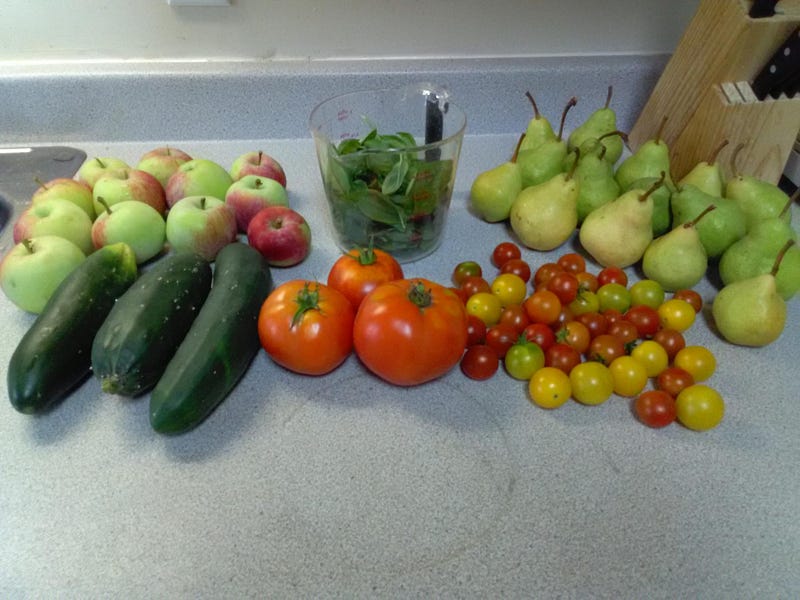
And for me, back to the country. Back to the farm. Back to a place I thought was hell on Earth as a teenager. Back to growing my own food, keeping my own bees, and being a good steward of the little blue-green ball we call home. And, both literally and metaphorically, back to paper bags (when I don’t have enough reusable ones).
It turns out my mother was right. What was old does become new again. And it didn’t take long. Progress is great, but progress at any cost, not so much. I guess that’s what she meant by ruination.
A special thank you to Maria Garcia and her story for prompting me to write this. Her story can be found here:


