avatarAvia Sky

Free AI web copilot to create summaries, insights and extended knowledge, download it at here

3295

Abstract

er physically be in the office. Millions learned what Zoom was, stumbled through their first virtual meeting, and set up their #workfromhome office, not knowing if they would be there 2 weeks, 2 months, or 2 years.</p><p id="1d9b">After a few weeks of working from home and working out most of the kinks, companies realized that most of their employees could work remotely and things would be okay. Yes, it wasn’t ideal, but they could manage. Heck, it has been well over a year since the pandemic began, and many people are still working from home.</p><p id="58c0">For those will chronic illnesses, working from home has truly been a blessing. Getting up in the morning and getting ready for the day can be extra draining and painful for people with chronic illnesses. While in our own home we can control our environment to limit conditions that will increase pain or symptoms.</p><p id="6bfa">While working at home, we have full access to our medication, private bathroom, necessary accommodations, nutritional supplements, the comfort of home, and comfortable clothing — which can make all the difference when suffering with chronic pain and disease. For those with chronic illness, it’s not just ‘nice’ to work from home, it's more of a necessity.</p><p id="5a77">I hope working from home remains an option long after things return to normal.</p><h2 id="bc7f">3. Curbside Pickup / Grocery Delivery</h2><figure id="c948"><img src="https://cdn-images-1.readmedium.com/v2/resize:fit:800/0*1e-Hqy_OZUYiZx6I"><figcaption>Photo by <a href="https://unsplash.com/@jeremybishop?utm_source=medium&amp;utm_medium=referral">Jeremy Bishop</a> on <a href="https://unsplash.com?utm_source=medium&amp;utm_medium=referral">Unsplash</a></figcaption></figure><p id="c69f">Having your groceries either delivered to your home or car is truly a godsend. It is not only more convenient, but it saves valuable time and energy.</p><p id="7b9e">Walking through a grocery store and hand-selecting each item is very draining and difficult to do for many chronic illness patients. Ordering groceries online ahead of time makes this process smoother and less stressful. I hope this trend continues into the future.</p><h2 id="706e">4. Virtual Appointments</h2><p id="cdec">Remote appointments provide many of the same conveniences as remote working. For those suffering from chronic illness, we have quite a few more medical appointments than the average person. Many of us see doctors who are specialists and not located near our home.</p><p id="9203">Many chronic illness patients suffer from severe pain and fatigue which makes leaving the house a challenge.</p><p id="f02d">Telehealth appointments not only save travel time and energy. It allows patients to discuss private health matters and concerns in the privacy and comfort of their own homes.</p><figure id="59c4"><img src="https://cdn-images-1.readmedium.com/v2/resize:fit:800/0*yYbz-kOL6bORMkVY"><figcaption>Photo by <a href="https://unsplash.com/@nci?utm_source=medium&amp;utm_medium=referral">National Cancer Institute</a> on <a href="https://unsplash.com?utm_source=medium&amp;utm_medium=referral">Unsplash</a></figcaption></figure><h2 id="cdcb">5. Mental Health</h2><p id="0de5">During the COVID era, talk about mental health has increased. Many are openl

Options

y admitting they have struggled with anxiety and depression during this pandemic. Many have felt isolated and alone.</p><p id="ddad">For those with chronic illness, we have always felt this way. But only now, when the rest of the world gets a glimpse into our lives, do we begin discussing it.</p><p id="eb51">Don’t get me wrong, I’m glad this important issue is finally being brought into the limelight. I just wish it didn’t take a global pandemic for it to happen.</p><p id="56ef">Let’s continue this important discussion and normalize talking about mental health and receiving treatment.</p><figure id="28ae"><img src="https://cdn-images-1.readmedium.com/v2/resize:fit:800/0*pWrxakNX7uqT6-LX"><figcaption>Photo by <a href="https://unsplash.com/@timmossholder?utm_source=medium&amp;utm_medium=referral">Tim Mossholder</a> on <a href="https://unsplash.com?utm_source=medium&amp;utm_medium=referral">Unsplash</a></figcaption></figure><h2 id="e437">6. Sanitizing Everything</h2><figure id="2399"><img src="https://cdn-images-1.readmedium.com/v2/resize:fit:800/0*JAKlezGVLXhA7GKZ"><figcaption>Photo by <a href="https://unsplash.com/@kellysikkema?utm_source=medium&amp;utm_medium=referral">Kelly Sikkema</a> on <a href="https://unsplash.com?utm_source=medium&amp;utm_medium=referral">Unsplash</a></figcaption></figure><p id="d520">Extra sanitizing measures and cleanliness have been long overdue in my opinion. For the last several years I have had to take these precautions all on my own, due to medication that compromises my immune system and makes me more susceptible to illness.</p><p id="28c5">Being overly clean and germ-conscious will never hurt you in the long run.</p><h2 id="5c1a">7. Kindness</h2><p id="0591">Throughout the pandemic, while the world was in the middle of an emergency and immense sadness, we also experienced kindness like we’ve never seen. We celebrated our heroes: healthcare workers, first responders, and essential workers. Restaurants offered them free donuts, coffees, pizzas, and more.</p><p id="c2e7">We saw news highlights with acts of random kindness and creative ways to safely celebrate birthdays, anniversaries, graduations, weddings, and milestones.</p><p id="ec88">We even enjoyed John Krasinski’s Youtube Channel: Some Good News, with a new episode every week during the thick of lockdown. The pandemic brought us together (figuratively) to show each other compassion and kindness.</p><h2 id="49f3">8. Remote Socializing</h2><p id="b080">At the beginning of the pandemic was much easier to keep in touch with friends and family than it was pre-pandemic.</p><p id="8861">Everyone was at home and looking to connect with others. It became much easier to reach family and friends. My extended family set up a zoom call every week to help us get through this tough time. I really enjoyed these calls, as I got to talk to my family more than I normally would.</p><p id="80e7">It became normal to organize group video chats and hangouts. For the reasons mentioned above, I would love for these activities to continue.</p><p id="d15d">For those with chronic illness, the pandemic may have brought accommodations that have been long overdue. Amongst all the heartache and sickness, there has been some good to have come out of the last year.</p></article></body>

Pandemic Behaviors We Should Continue

COVID-19 silver linings
Photo by Nick Fewings on Unsplash

We’ve all been cooped up trying to endure what seems like a never-ending pandemic. For most of us, we can’t wait for life to return to “normal”. We want to gather with friends and family maskless, go to concerts, go out to eat, and go on vacation.

While we are eager for life to return to a more pre-pandemic state, for those of us with chronic illness, there are many COVID-19 habits and practices that we think should stick around.

People with chronic illness have lived in COVID-19 like conditions for many years before the pandemic arose. We are often limited in what we can do compared to healthy people. Many of us experience extreme fatigue, pain, unwellness, and a variety of other symptoms which makes getting out of the house and doing normal things very challenging. We feel isolated because we have to cancel plans last minute. We are often misunderstood. We are living in a body that is constantly fighting us.

Although COVID-19 has been a horrible event in our history, there are some elements of the pandemic us ‘‘spoonies” would like to stick around long after things return to “normal”.

1. Health Conscious
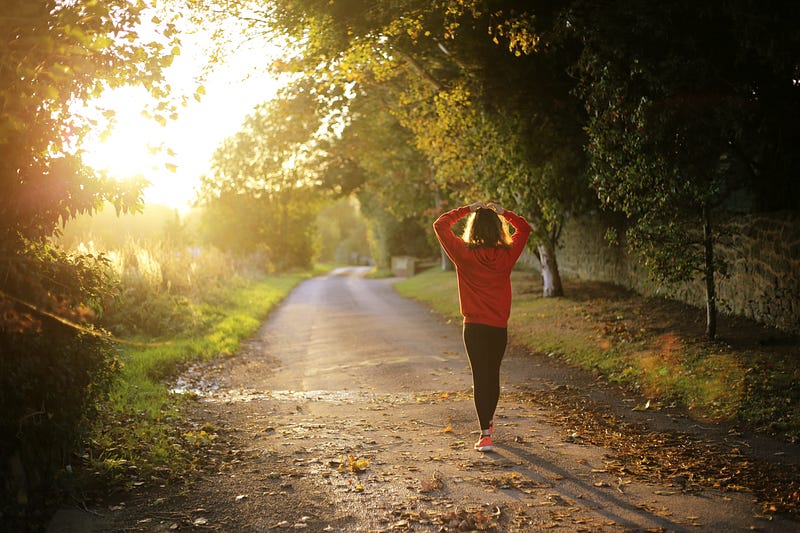
Photo by Emma Simpson on Unsplash

Ever since COVID-19 emerged, our society has been more concerned with their overall health and well-being.

According to the CDC, “People who are overweight may also be at increased risk. Having obesity may triple the risk of hospitalization due to a COVID-19 infection. Obesity is linked to impaired immune function. Obesity decreases lung capacity and reserve and can make ventilation more difficult.”

Furthermore, according to healthline.com 36.5% of adults in the United States are obese, and another 32.5% are overweight.

Due to this staggering statistic, people are worried about how their bodies would react if infected; therefore making their health a top priority. Those with chronic illness always have to put their health first.

2. Remote Working
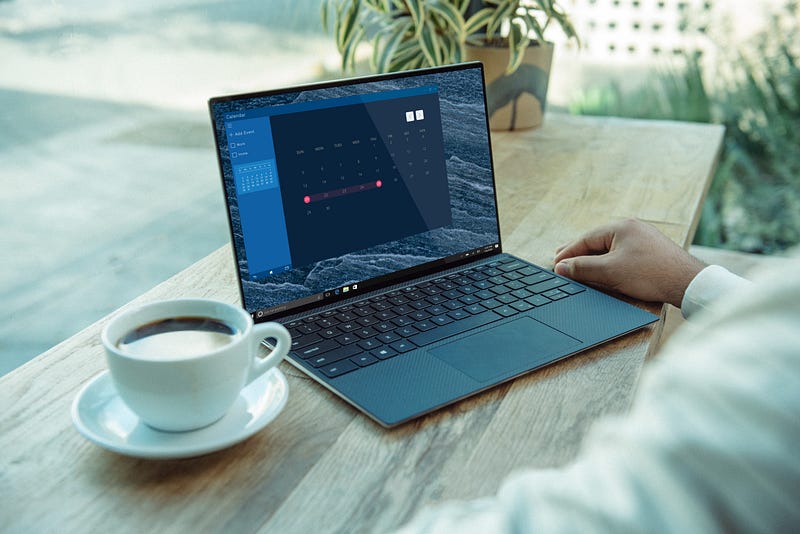
Photo by XPS on Unsplash

In March of 2020, many companies scrambled to figure out how to keep their businesses operating while employees could no longer physically be in the office. Millions learned what Zoom was, stumbled through their first virtual meeting, and set up their #workfromhome office, not knowing if they would be there 2 weeks, 2 months, or 2 years.

After a few weeks of working from home and working out most of the kinks, companies realized that most of their employees could work remotely and things would be okay. Yes, it wasn’t ideal, but they could manage. Heck, it has been well over a year since the pandemic began, and many people are still working from home.

For those will chronic illnesses, working from home has truly been a blessing. Getting up in the morning and getting ready for the day can be extra draining and painful for people with chronic illnesses. While in our own home we can control our environment to limit conditions that will increase pain or symptoms.

While working at home, we have full access to our medication, private bathroom, necessary accommodations, nutritional supplements, the comfort of home, and comfortable clothing — which can make all the difference when suffering with chronic pain and disease. For those with chronic illness, it’s not just ‘nice’ to work from home, it's more of a necessity.

I hope working from home remains an option long after things return to normal.

3. Curbside Pickup / Grocery Delivery
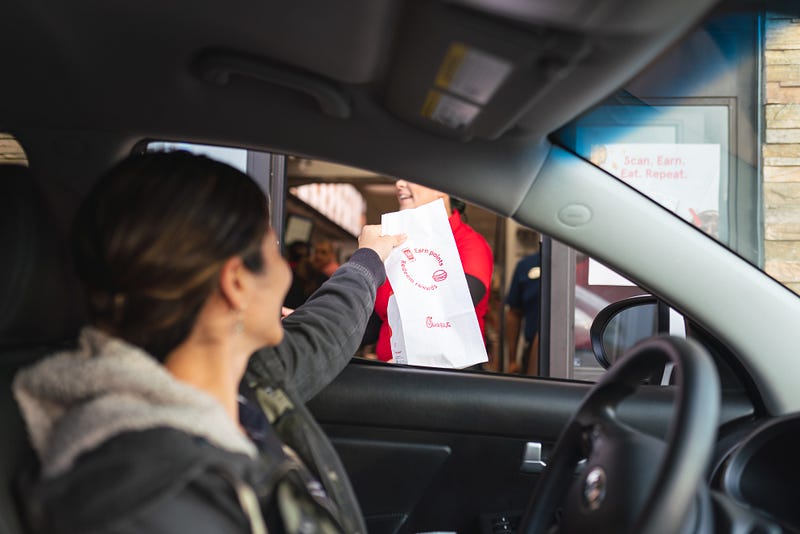
Photo by Jeremy Bishop on Unsplash

Having your groceries either delivered to your home or car is truly a godsend. It is not only more convenient, but it saves valuable time and energy.

Walking through a grocery store and hand-selecting each item is very draining and difficult to do for many chronic illness patients. Ordering groceries online ahead of time makes this process smoother and less stressful. I hope this trend continues into the future.

4. Virtual Appointments

Remote appointments provide many of the same conveniences as remote working. For those suffering from chronic illness, we have quite a few more medical appointments than the average person. Many of us see doctors who are specialists and not located near our home.

Many chronic illness patients suffer from severe pain and fatigue which makes leaving the house a challenge.

Telehealth appointments not only save travel time and energy. It allows patients to discuss private health matters and concerns in the privacy and comfort of their own homes.
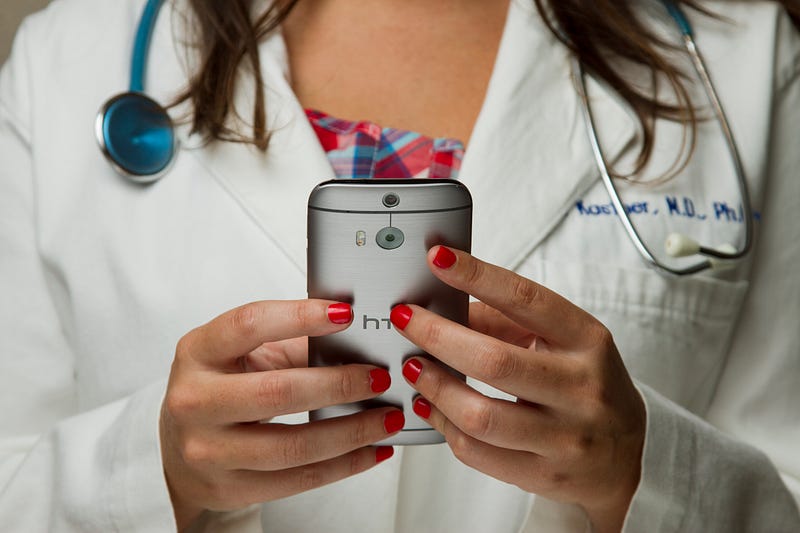
Photo by National Cancer Institute on Unsplash

5. Mental Health

During the COVID era, talk about mental health has increased. Many are openly admitting they have struggled with anxiety and depression during this pandemic. Many have felt isolated and alone.

For those with chronic illness, we have always felt this way. But only now, when the rest of the world gets a glimpse into our lives, do we begin discussing it.

Don’t get me wrong, I’m glad this important issue is finally being brought into the limelight. I just wish it didn’t take a global pandemic for it to happen.

Let’s continue this important discussion and normalize talking about mental health and receiving treatment.
Photo by Tim Mossholder on Unsplash

6. Sanitizing Everything

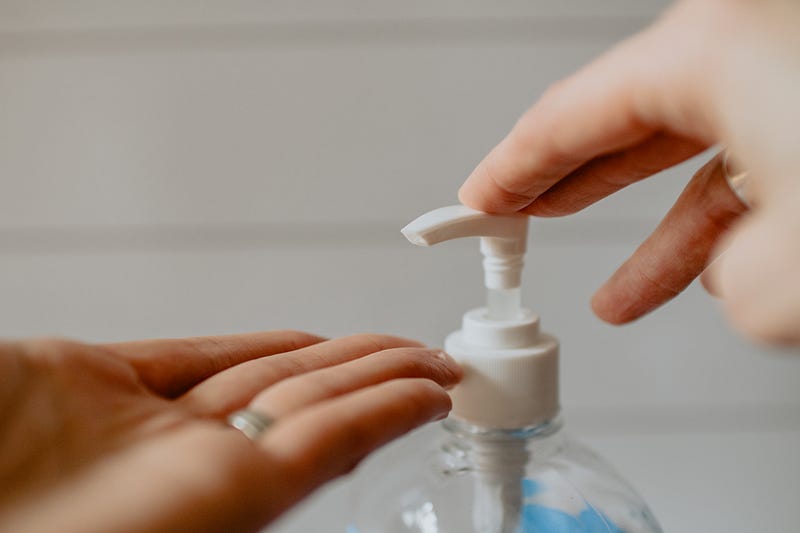
Photo by Kelly Sikkema on Unsplash

Extra sanitizing measures and cleanliness have been long overdue in my opinion. For the last several years I have had to take these precautions all on my own, due to medication that compromises my immune system and makes me more susceptible to illness.

Being overly clean and germ-conscious will never hurt you in the long run.

7. Kindness

Throughout the pandemic, while the world was in the middle of an emergency and immense sadness, we also experienced kindness like we’ve never seen. We celebrated our heroes: healthcare workers, first responders, and essential workers. Restaurants offered them free donuts, coffees, pizzas, and more.

We saw news highlights with acts of random kindness and creative ways to safely celebrate birthdays, anniversaries, graduations, weddings, and milestones.

We even enjoyed John Krasinski’s Youtube Channel: Some Good News, with a new episode every week during the thick of lockdown. The pandemic brought us together (figuratively) to show each other compassion and kindness.

8. Remote Socializing

At the beginning of the pandemic was much easier to keep in touch with friends and family than it was pre-pandemic.

Everyone was at home and looking to connect with others. It became much easier to reach family and friends. My extended family set up a zoom call every week to help us get through this tough time. I really enjoyed these calls, as I got to talk to my family more than I normally would.

It became normal to organize group video chats and hangouts. For the reasons mentioned above, I would love for these activities to continue.

For those with chronic illness, the pandemic may have brought accommodations that have been long overdue. Amongst all the heartache and sickness, there has been some good to have come out of the last year.

Chronic Illness
Pandemic
Life Lessons
Lifestyle
Disability
Recommended from ReadMedium