Summary
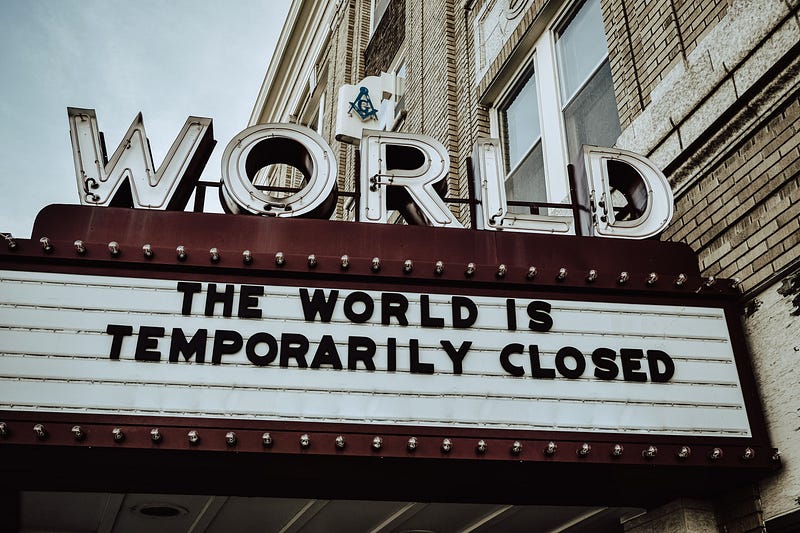
The poem "Pandemic." reflects on the profound impact of a global health crisis on human lives, freedom, and the future, questioning the consequences of fear and compliance.
Abstract
The poem titled "Pandemic." delves into the psychological and societal effects of a worldwide health emergency. It presents a world gripped by fear, where the population is divided between the decision to vaccinate or risk exposure. The narrative suggests a loss of autonomy, with individuals compelled to conform to safety measures under the threat of an invisible adversary. The text touches on the themes of disruption, uncertainty, and the erosion of human resilience, leading to panic and xenophobia. It speculates about a future event, "The Rave" in 2027, hinting at a possible critical point in human evolution. The poem concludes with a metaphor of a butterfly's wingbeat, symbolizing the far-reaching and unpredictable consequences of the pandemic, likening it to a journey with an uncertain destination.
Opinions
- The author implies that the pandemic has instilled a pervasive sense of fear, influencing individual choices and societal behavior.
- There is a perceived loss of freedom and personal agency, as people are expected to follow safety protocols without question.
- The poem suggests that the pandemic has exposed human vulnerability and an inability to cope with sudden change and uncertainty.
- It criticizes the rise of xenophobia as a reaction to the global crisis.
- The mention of "The Rave" in 2027 indicates a critical juncture for humanity, possibly alluding to either a dystopian or transformative future.
- The use of the butterfly effect metaphor conveys the idea that the pandemic's impact will continue to resonate in unforeseen ways.