
Palestinian Women Suffer Menstrual Health Crisis Amid Ongoing War
Water shortage, coupled with limited access to sanitary napkins, tampons resorted many to take up ‘period-delaying’ pills
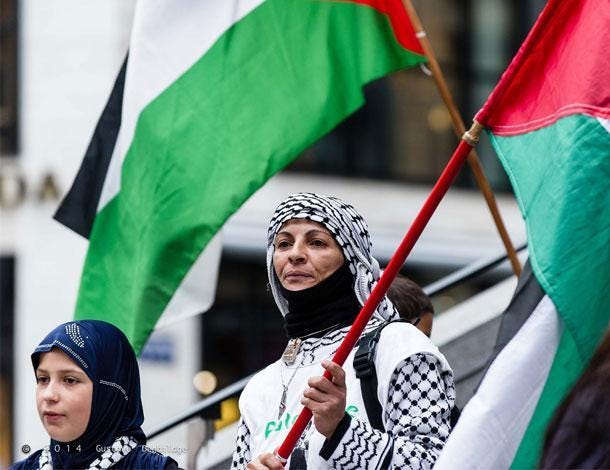
Palestinian women in war-torn Gaza are turning to menstruation-delaying pills due to a lack of access to sanitary napkins and water.
According to Dr.Walid Abu Hatab, an obstetrics and gynecology medical consultant at the Nasser Medical Complex in the southern city of Khan Younis, the tablets keep progesterone hormone levels raised to stop the uterus from shedding its lining which leads to a delay in a period.
Coupled with conditions like displacement and overcrowded living conditions, the unsanitary circumstances have led many in Gaza to turn to norethisterone tablets which are originally prescribed to combat discomfort and extreme menstruation pain.
Speaking to a media outlet, 41-year-old Salma Khaled said the war has taken its toll on her menstrual cycle, “I have suffered from period twice this month including irregular and heavy bleeding.”
Having fled her home in Gaza City’s Tel al-Hawa neighborhood two weeks ago, Khaled is staying at a relative’s house in Deir el-Balah where the use of bathrooms and showers need to be rationed due to water shortage.
Coupled with dwindling supplies in a few running pharmacies and stores in the region, she felt she had no choice but to find these pills to skip her period altogether.
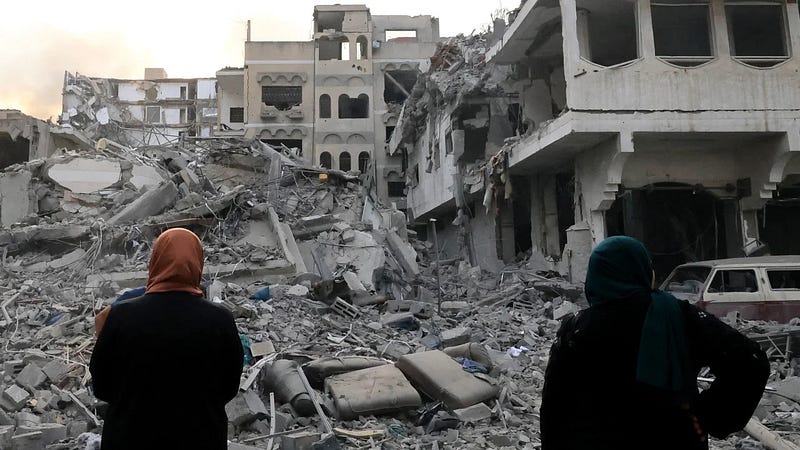
It has been learned that since sanitary napkins are high in demand, there is a supply shortage whereas these tablets are more readily available.
“I asked my daughter to go to the pharmacy and buy pills that delay menstruation,” Khaled says. “Perhaps this war will end soon and I will not need to use them more than once,” she added, as she also worries about the possible side effects of the pills on her body.
Experts suggest frequent use of these pills can cause irregular vaginal bleeding, nausea, changes to the menstrual cycle, dizziness and mood swings.

But for women suffering the ceaseless bombardment from Israeli troops, opting for unconventional means to combat hygienic plight is the only course of action that can be availed.
Entering its 25th day of relentless assault and massacre, more than 8500 Palestinians have been killed, the majority of whom are children and women.


