
The Animal Rights Activists of Occupied Palestine
Ahlam Tarayra, the director of the Palestinian Animal League, says that building strong humans is an essential part of animal liberation
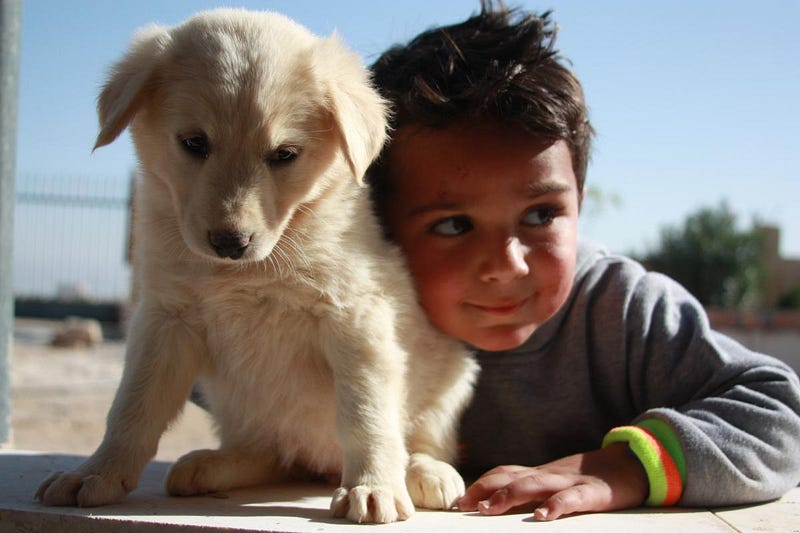
I first heard the words “vegan” and “Palestine” in the same sentence three years ago. I was at a vegan festival where there was a talk about the Palestinian Animal League, but as I waited for the talk to begin, I started to feel indignant at the whole idea. My subconscious speciesism kicked in: how can they be asking Palestinian people to care about animals? Haven’t they got enough to worry about?
Since then, PAL has transformed the presumptions I had about what Palestinian people should care about, and about which activists should be at the forefront of the animal liberation movement.
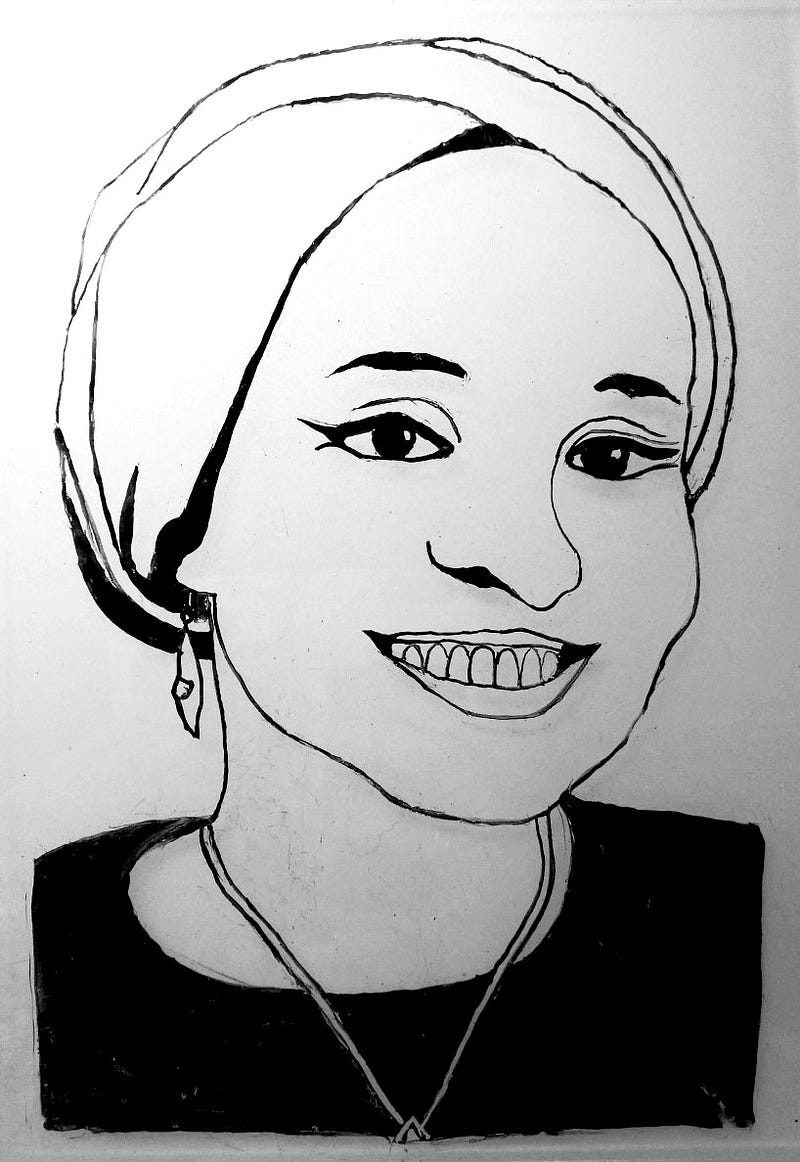
One of the activists who changed my mind is Ahlam Tarayra — the current director of PAL.
In 2012, Tarayra’s brother brought a puppy home. This puppy soon became a mother, giving birth to her own litters, and even adopting stray puppies from the street. Soon, at any moment, over 20 dogs surrounded the house. “It became too much to handle,” Tarayra told me. There were no dog shelters, so they released all but two dogs into the nearby mountains. “In Palestine, when you have an animal you don’t want, you just send them away. It’s absolutely painful on so many levels.”
Not long after the release of the dogs, Tarayra heard the founder of PAL, Ahmad Safi, on the radio. The show was about street dogs, and she was astonished to learn that people were organizing to address this issue in Palestine. She wanted to help, however she could.
Now she’s running the organization.
Life’s hard for street dogs in Palestine. Research carried out by PAL shows dogs are often considered a nuisance, dangerous, and unclean. Municipal authorities and general citizens commonly use lethal methods, like poisoning, to deal with unwanted street dogs.
In 2016, PAL launched Palestine’s first ever trap, neuter, vaccinate and release (TNVR) program. Over 240 dogs have received treatment so far. PAL has also facilitated hundreds of animal rights workshops, in which young people launch their own projects that aim to change the way Palestinian people relate to and live with other animals.
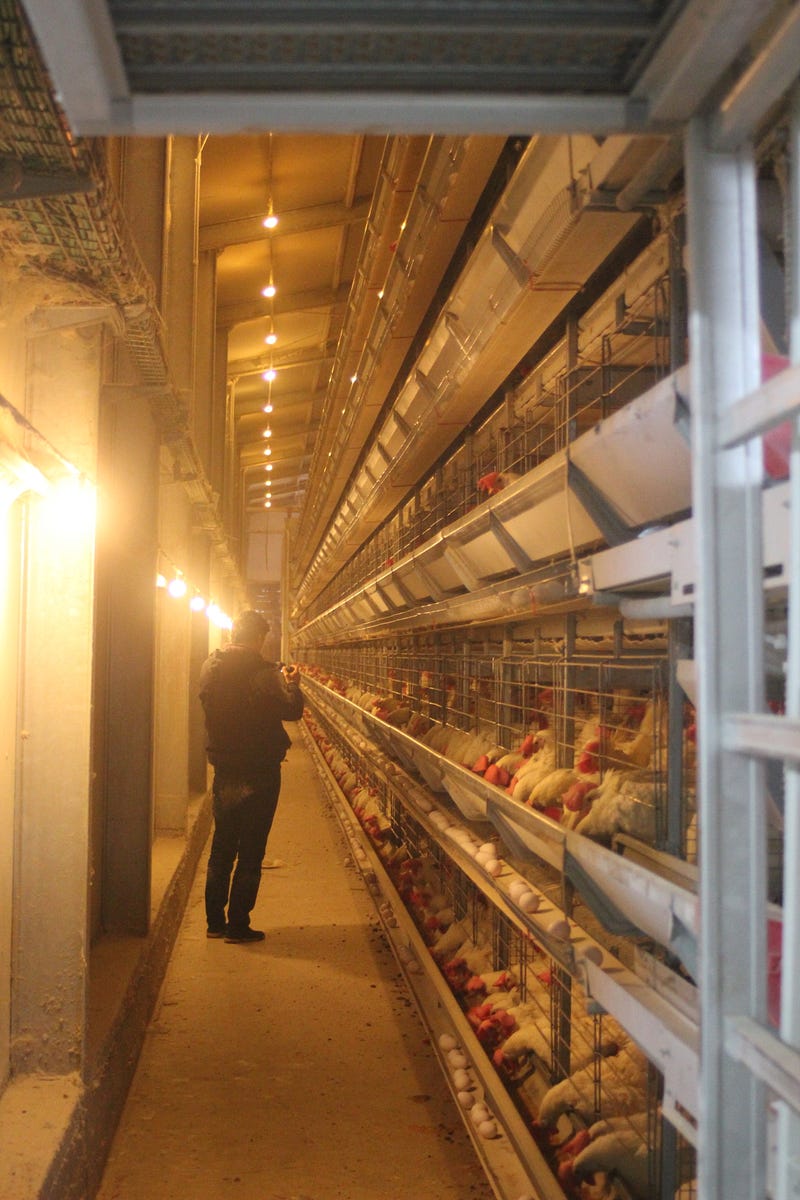
Even if we’re not part of the factory farming problem now, we’re heading there. Why should we wait until then? Given the increasing demand for dairy and meat, we’re going to have factory farming like the US and Europe. It’s started already with eggs, in closed, big farms.
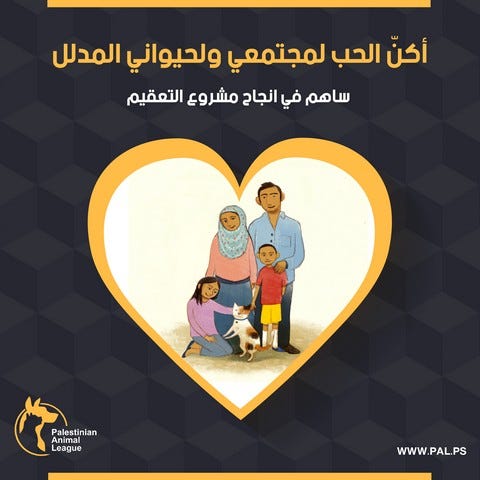
I asked Tarayra if perceptions of strays have changed: “The idea for PAL emerged at Jalazone Refugee Camp, where our founder Ahmad saw a child abusing a cat. What I’ve heard from people at Jalazone is that years ago, you’d see young people beating a cat, dog, or even a bird in the street. But now some raised voices would be saying ‘You can’t do this, why are you doing this?’. It’s promising.” Tarayra continues, “Two years ago, it was very difficult to find people to adopt the dogs we’d helped, but now some are very keen to have dogs as companions, and every time we rescue puppies they find homes within a couple of days.”
PAL also runs projects for working horses and donkeys in Palestine. They launched the first vegan cafe in Palestine, and the first vegan tour. They are currently executing a large-scale project promoting veganism in Palestine, which includes going into schools and running workshops specifically about meat and dairy industries. Tarayra explains: “Even if we’re not part of the factory farming problem now, we’re heading there. Why should we wait until then? Given the increasing demand for dairy and meat, we’re going to have factory farming like the US and Europe. It’s started already with eggs, in closed, big farms.”
So, how does this all fit within the political situation in Palestine? PAL largely operates in the West Bank. They’d like to work more in Gaza, but as the “world’s largest open-air prison” it’s almost impossible to run projects there. The 2,183 square-mile area is surrounded by a wall, with each entrance guarded by the Israeli army. For the 3.3 million Palestinians who live in the West Bank, Israeli soldiers and checkpoints are an inevitable part of daily life.
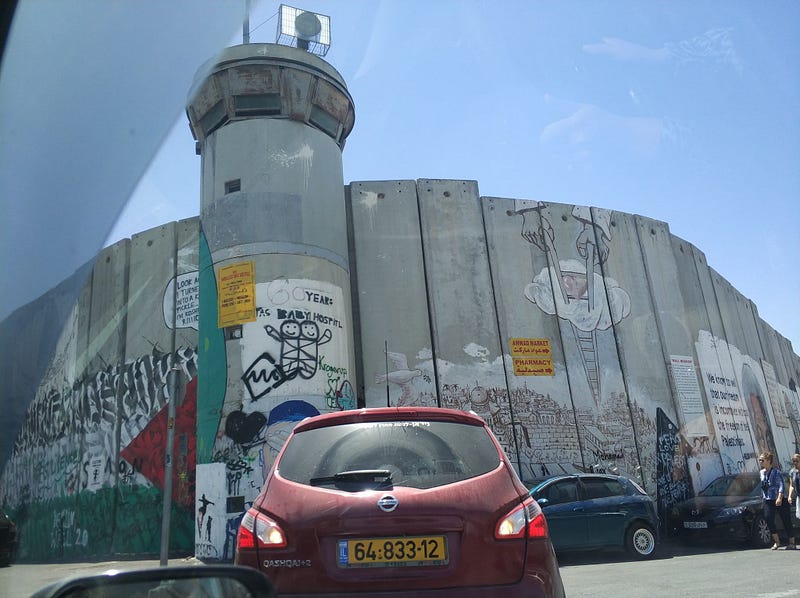
When PAL tours internationally, they’re often asked if they work with Israeli animal rights organizations. The question is consistent with global misconceptions that more dialogue and collaboration is the solution to creating peace in Palestine-Israel. PAL’s position is that such a dialogue can’t work as long as the playing field is so uneven: one is Occupier, the other Occupied.
“No matter what you are doing here, whether you like it or not, whether you want it or not, it will be connected some way or another to the dream of liberation.” Tarayra says, “It’s inevitable, it’s not optional. You cannot just pretend you are living in a normal situation in an independent country, and you can just work on this issue or that issue. It’s connected to the occupation.”
I asked how the animal rights issues are impacted by the occupation, and she gave me an example. On New Year’s Day, someone called PAL about a stray, pregnant dog who had been so badly kicked she could barely walk. The dog was located by Tarayra and treated at PAL’s veterinary clinic. A week later, she gave birth to several puppies, and the family was adopted by a vet who could provide ongoing care.
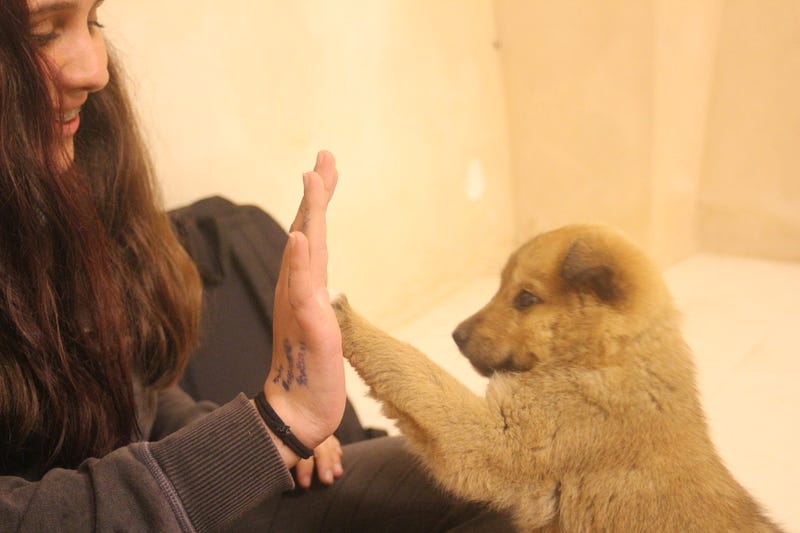
One day after the dogs left the clinic, Israeli tanks invaded the city of Ramallah where PAL is based. The military was searching for someone responsible for a militant action on Israeli settlers. The search lasted three days. Armed soldiers filled the streets, and all Palestinians were forbidden to leave their homes.
Tarayra imagines “What if the dog and puppies had still been at the clinic? We needed to check on her four or five times every day. For two whole nights, we couldn’t go out. What if there were sick animals? The next day I thought, how could anyone ask me just to focus on animals? You cannot focus on animals because there are things happening, people being killed, another part of Palestinian life is totally disturbed. So how can we pretend everything’s fine?”
The occupation creates many obstacles for the animal rights movement in Palestine. The wall is destroying natural ecosystems. Veterinary supplies have been held at Tel Aviv airport for six months, without explanation. Children from PAL’s youth project have been arrested and tortured by the Israeli military. Bombs and tear gas don’t discriminate between species.
In the press, Palestinians have received terrible publicity in relation to how they treat other animals — for example, the conditions in Gaza Zoo. Condemning Palestinians for this, without considering how the occupation shapes people’s lives and capacities, does injustice to animal activists who are doing their hardest for animals in severe circumstances.
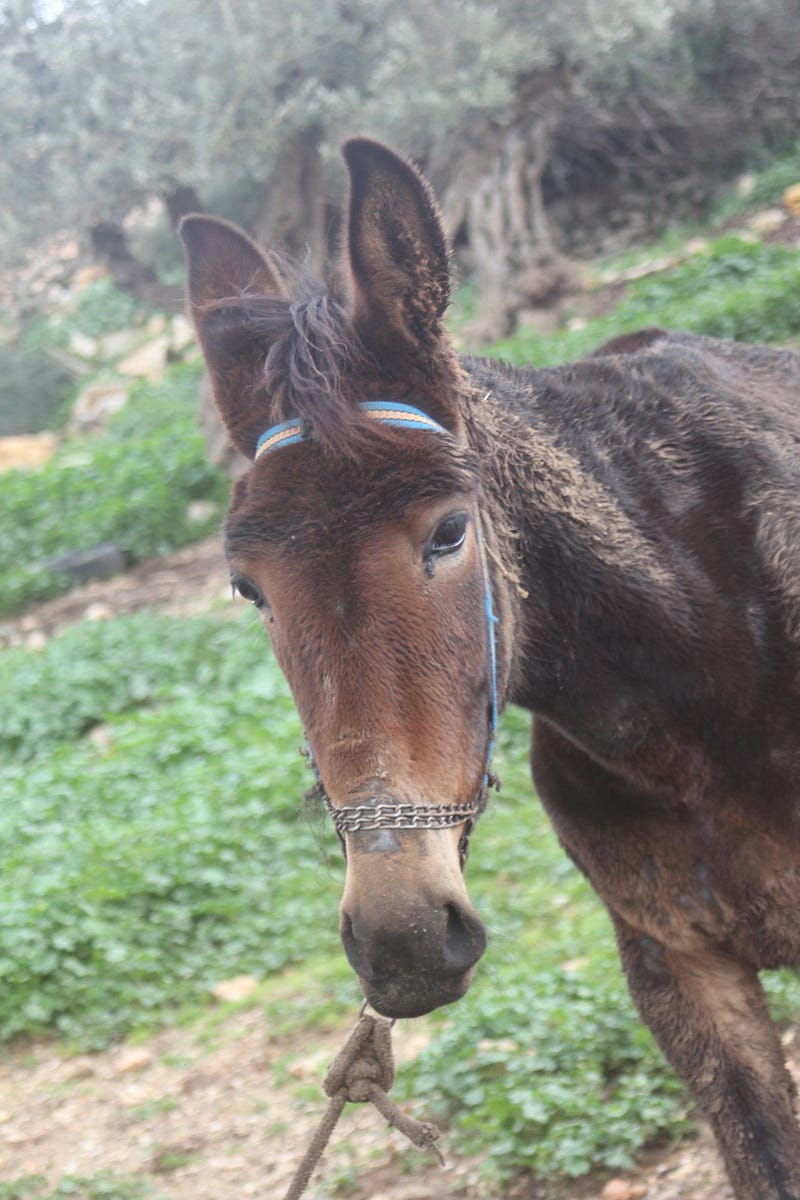
PAL’s main objective is to build strong people, which could seem unexpected for an animal rights movement. “I believe building a strong human being will come from taking care of the weak among us, whether they are human or non-human animals. There are many issues in Palestinian society — oppression of women, animals, people of lower social status… We need to deal with all these issues, and build people who can face the occupation as strong human beings. For me, it’s one cause.”
In Palestine, animal rights organizations have no option but to take other social issues seriously. Being a single-issue vegan is simply not a luxury Palestinians can afford.
In their article on Deconstructing Militant Manhood, Lara Montesinos Coleman and Serena A. Bassi coined the term “Anarchist Action Man.” This activist appears to suffer for the cause, for nonhumans, on behalf of the broader animal activist community. Feminist scholar Abbie Bakan describes this is a masculine, protectionist approach, which reproduces oppression of women and marginalized groups by presenting them as lacking agency.
Anarchist Action Men can be charismatic and bring many people into the movement. They say direct action and turning up to every demo is “the least we can do”. They also tend to be privileged, cis, white men. Being able to give up everything for animals is a luxury that many people can’t afford.
One encounters blindness to privilege even in the most progressive circles. I recently attended an anti-fascism meeting where the organizers shrugged off concerns about wheelchair accessibility at the venue. I know parents who are wracked with guilt because dealing with childcare prevents them from going to demonstrations or protests.
Effective feminist approaches to organizing acknowledge and confront differences between activists, rather than ignoring them. A feminist approach might consider: is there any way we could provide child care or accessible venues? How can we campaign to improve childcare, or accessibility? How can we change the nature of our work to enable people with different obstacles and abilities to thrive as central members of the movement?
Since 2011, PAL has been teaching the world that if we want a strong animal rights movement, we need strong activists. Speaking out against the specific form of oppression that limit someone’s ability to work for animal rights — be that ableism, childcare, or occupation — is the same as campaigning for the animals.
If you want to support PAL’s work, visit the donate page on their website or get in touch to join the International Solidarity Group.


