
Painting Brands with AI: A Pictorial Exploration of Corporate Identities
Utilizing Midjourney, a generative AI model, to portray global brands, unveiling a spectrum from dystopian nightmares to utopian visions
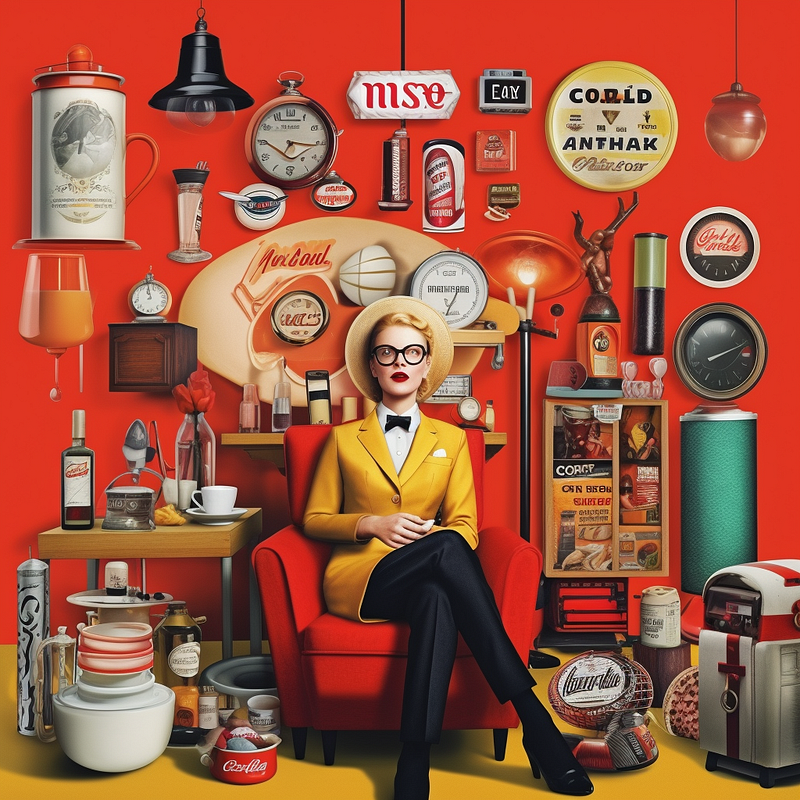
The Joy of Generative Exploration
From time to time, I merely provide a single-word prompt to Midjourney, and am astounded by the images it generates. It is kind of like playing Dixit (affiliate link) on steroids. It’s loads of fun, significantly more so than scrolling through my Twitter feed (sorry, Elon :) ).
While generative AI models have been trained on a vast amount of data sourced from the internet, they do not inherently understand or gauge public opinion. Instead, they generate responses based on the patterns and structures in the data they’ve been trained on. However, the images and text they produce can offer a reflection of the data patterns related to a given topic, which can serve as a valuable resource for brand research. There’s no need to scrape every website on the internet to gauge public opinion about your brand. All you need to do is ask the AI.
To demonstrate this power, I utilized Midjourney 5.1 and input a single-word prompt: the brand name. I’m excited to share the results with you here. Before reading the text, I encourage you to go through images without reading the text and guess what is the brand behind each image.
I performed a single-shot generation, so there’s no selection bias on my part. All potential biases would lie with the individuals who trained Midjourney. I present to you the four images that were generated in the first attempt. You’re more than welcome to interpret them in your own way and share your thoughts with me here.
Coke vs. Pepsi: AI’s View
Now let’s start with the king of brands, coca-cola, and its competitor pepsi-cola. And the cola market.
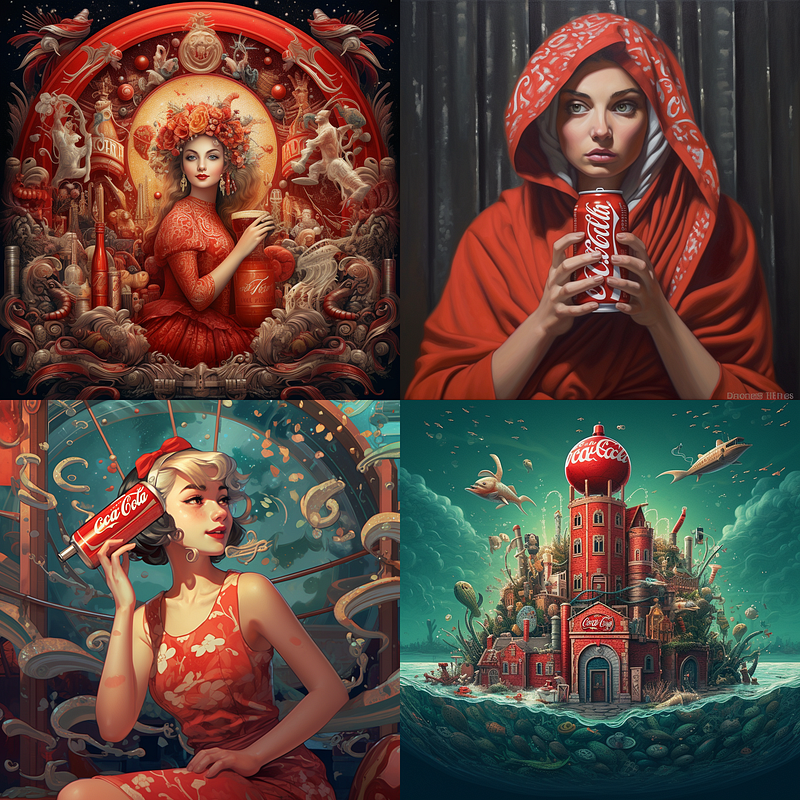
The coca-cola is all red, vintage looking ads featuring a blonde female dressed in red.
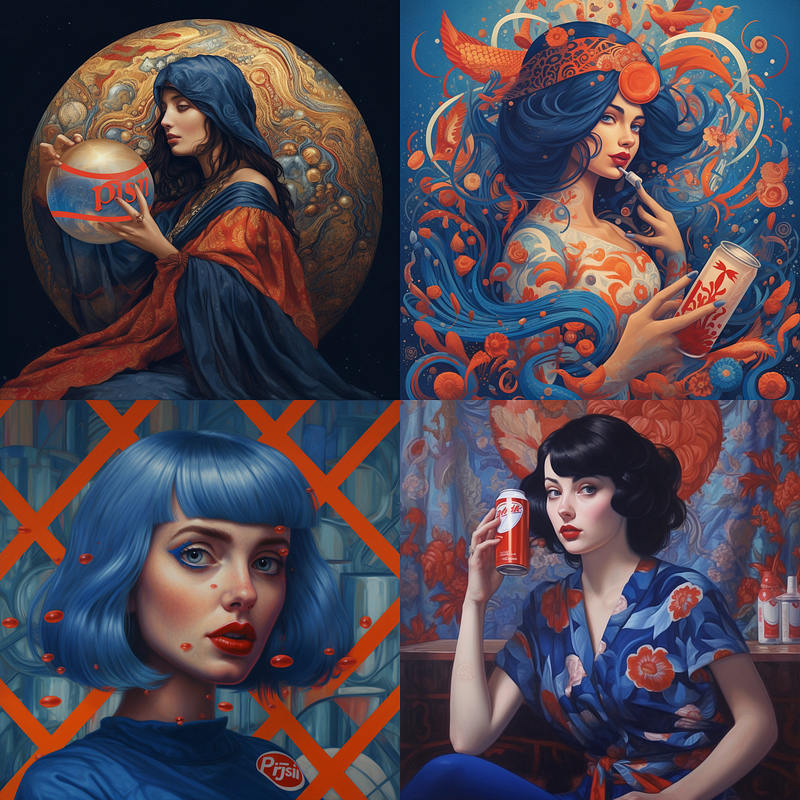
Pepsi is all blue, featuring a female character that is not blond.
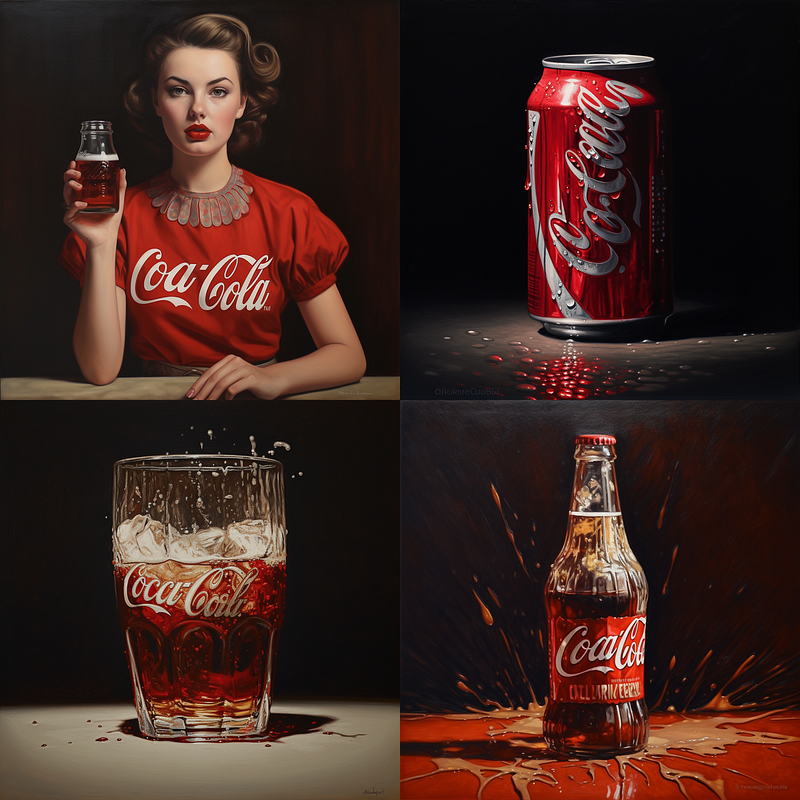
If you give only the word cola, you get only coca-cola, sorry pepsi!
What I did here was that I took each brand individually, then both together (giving the cola as prompt) to have some baseline. I am not a brand expert, but I am sure that a smart brand expert would extract a lot more info from these pictures. Are you one? I would be happy to know your interpretation of the pictures.
Brand Nightmares
Here I share some of the strangest outputs. They look like a nightmare, dystopia, or they have totally unrelated or negative elements. There are lots of development potentials for these brands.
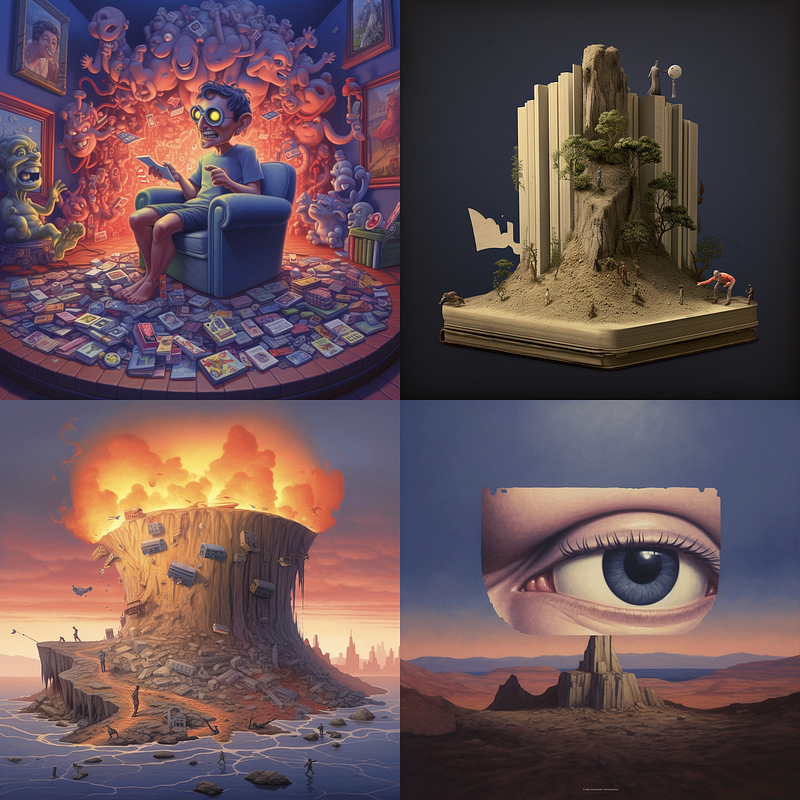
One image portrays a villain seated on an armchair, brandishing what appears to be a remote control, surrounded by a swarm of demons emerging from an abyss. Another image presents a bleak, dystopian landscape with a massive, lifeless tree rooted in a book. Further, there’s a startling image of an erupting volcano situated on a tiny island. Lastly, there’s a fascinating depiction of a large eye atop a mountain, a possible metaphor for surveillance. These images collectively suggest a need for Facebook to reconsider and address its branding strategies.
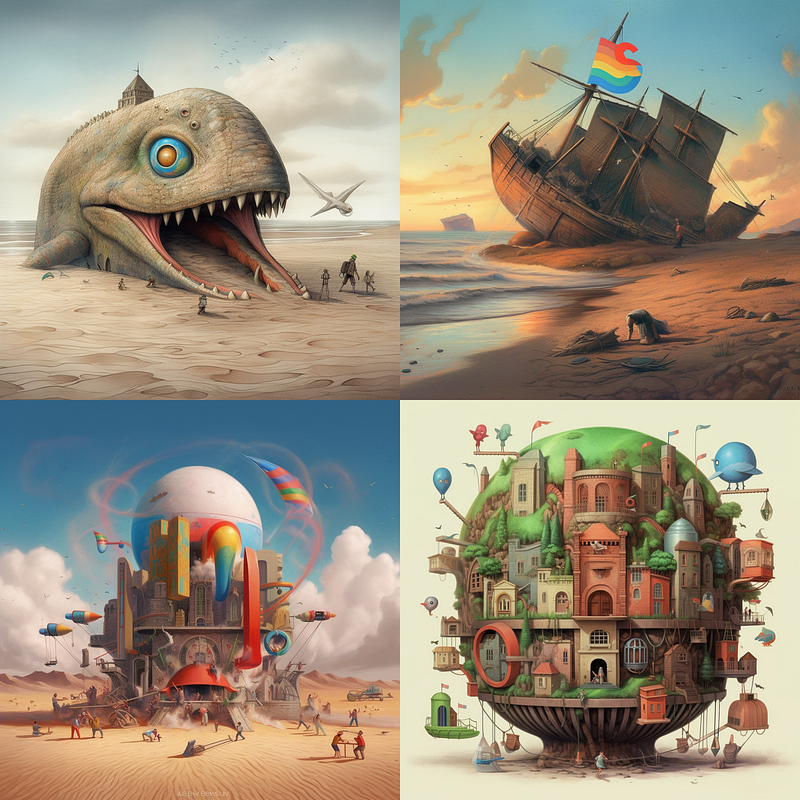
One image features a giant, deceased fish with globe-like blue eyes washed ashore, with a church-like structure built on its back. There’s also an image of a wrecked ship lying on a shore, a colorful funfair set against the backdrop of a desert, and a collection of vibrant buildings nestled within an egg-shaped hill. These images, particularly the dead fish and wrecked ship, could be interpreted as negative symbols. As such, these visual representations may suggest that Google could benefit from reassessing its branding strategy.
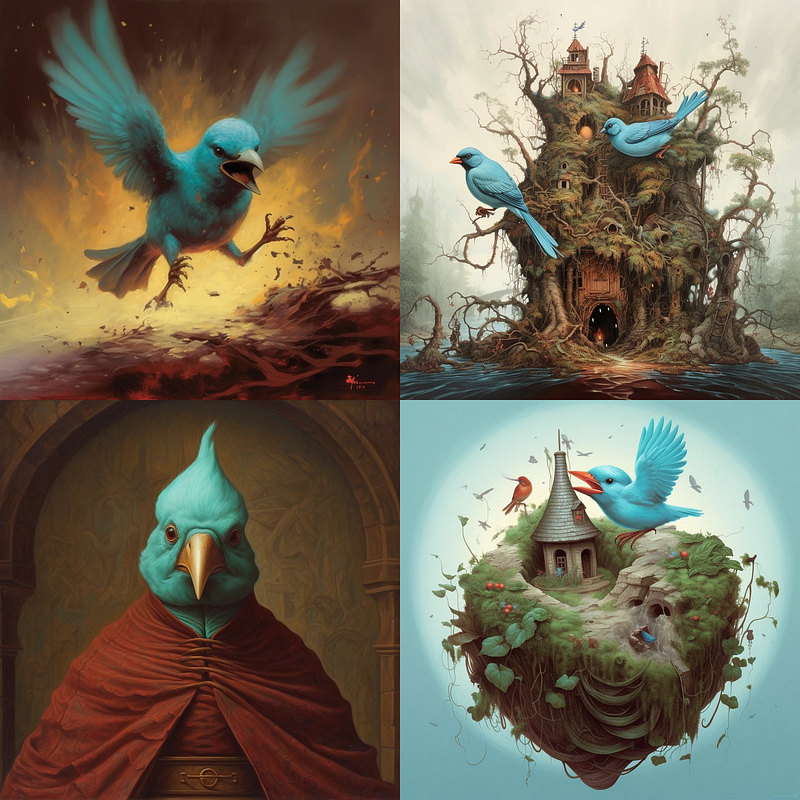
In the world of Twitter, its iconic blue bird holds the center stage. However, the images present varied depictions. In one, the bird appears to be angry and poised for attack, while in another, two birds are seen perched on a complex, tree-shaped nest. Yet another image portrays the bird as a stern, anthropomorphic figure with a clock draped over its shoulder, suggesting a serious, perhaps even aggressive persona.
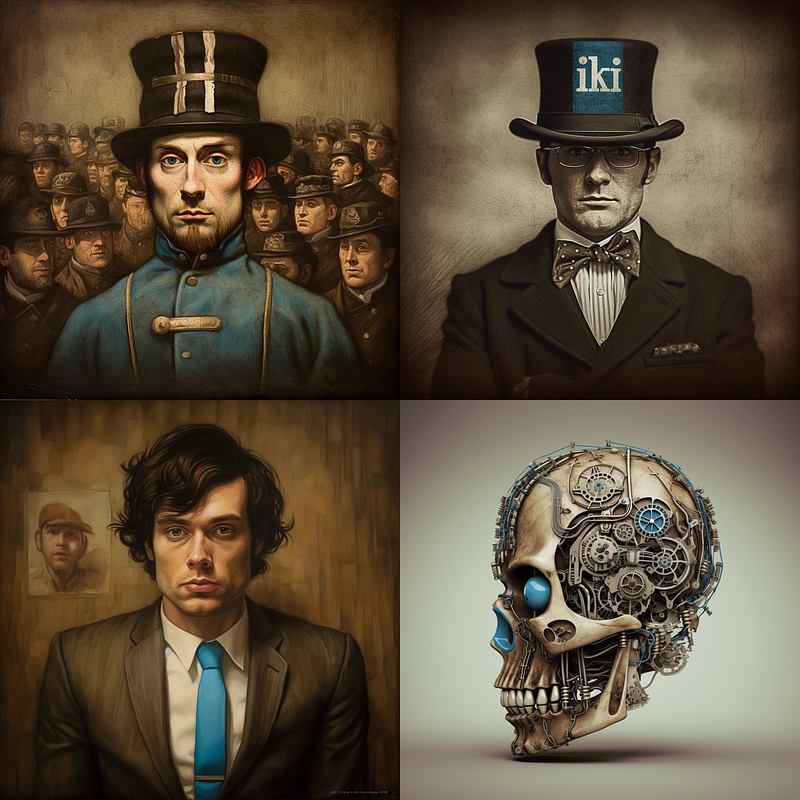
The imagery associated with LinkedIn is professional but carries a somber, lifeless, and dark tone. One notable image features a clockwork skull with striking turquoise blue eyeballs.
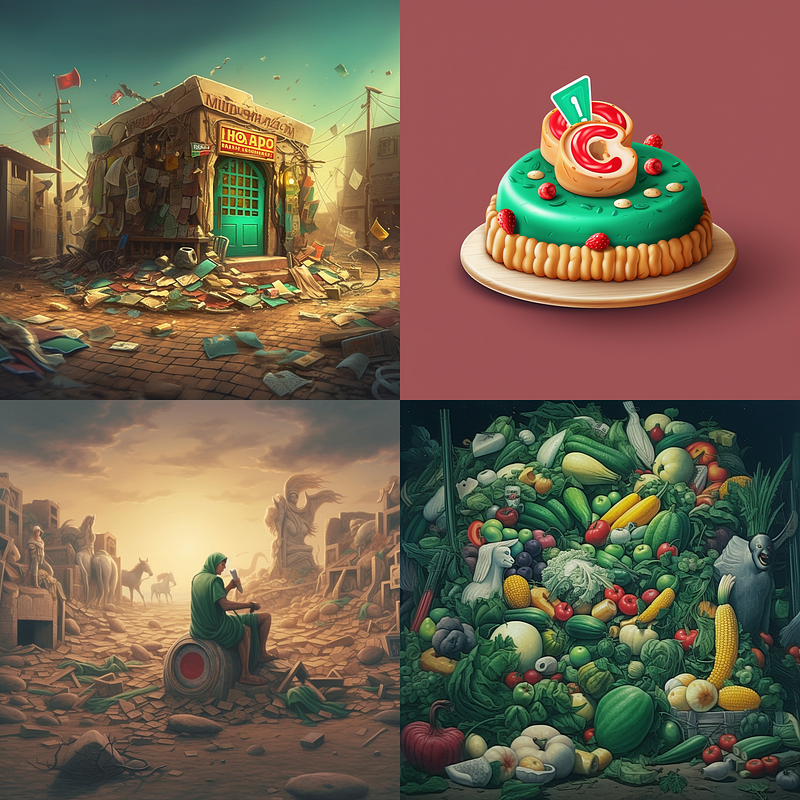
WhatsApp’s images offer a unique assortment. One image depicts a room reminiscent of a phone booth, with an entire wall plastered with numerous notes and ads, and its surroundings are littered with scattered papers. Another image presents a green birthday cake. In a third image, a person dressed in green is seen attempting to repair something amidst the ruins of an antiquated era. The final picture is a haphazard pile of green vegetables.
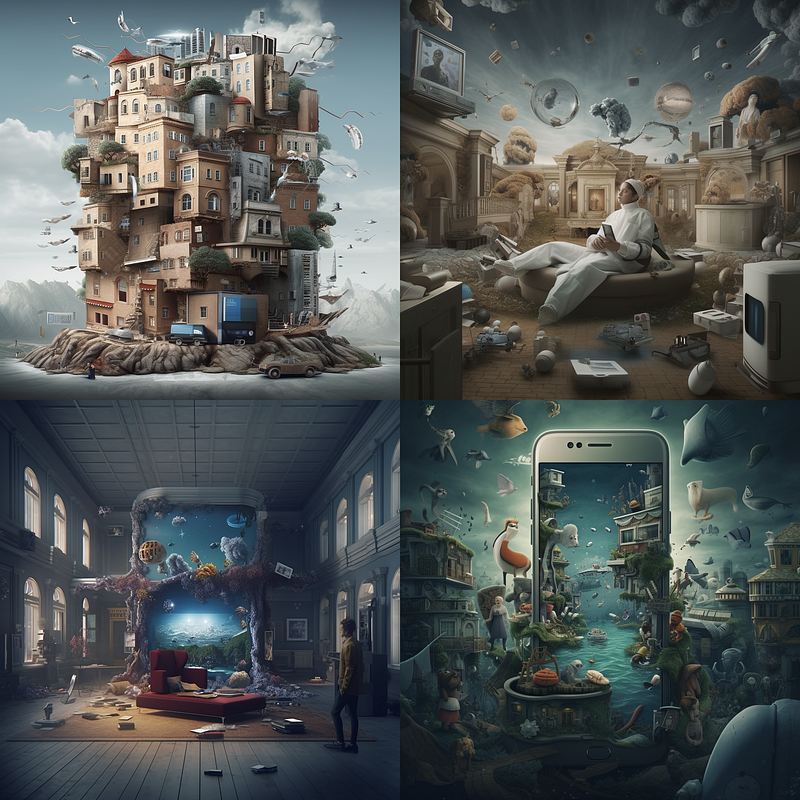
Samsung’s world is characterized by its prominent smartphones. However, in the generated images, these devices appear to be abandoned in either a lush jungle or a submerged underwater world. Notably, the phones are depicted as gigantic, dwarfing the human figures present in the pictures.
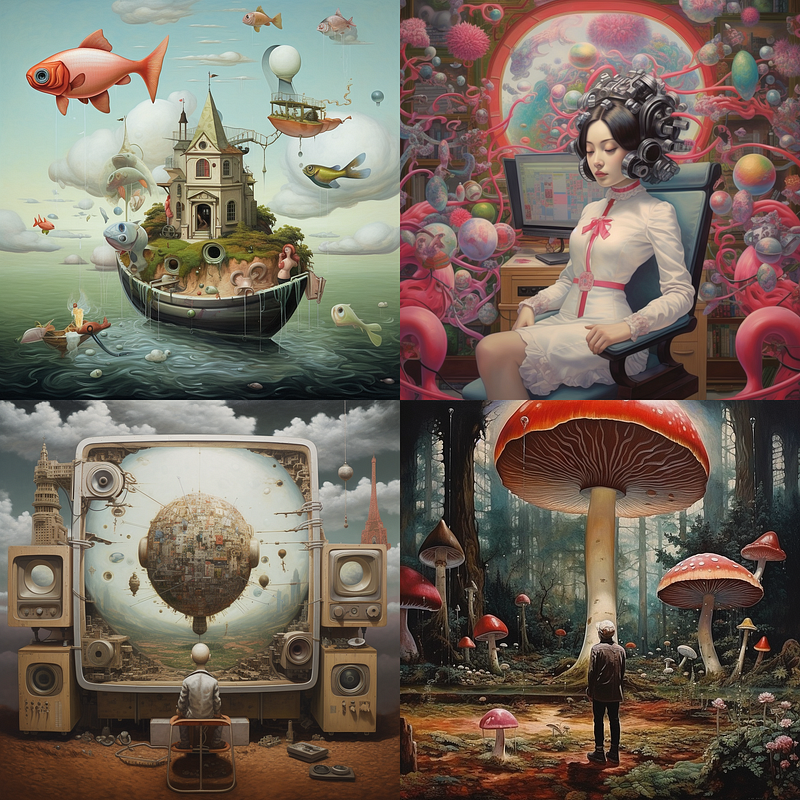
LG’s imagery is centered around its displays, portrayed in conjunction with a depiction of a beautiful Korean woman situated within a utopian setting.
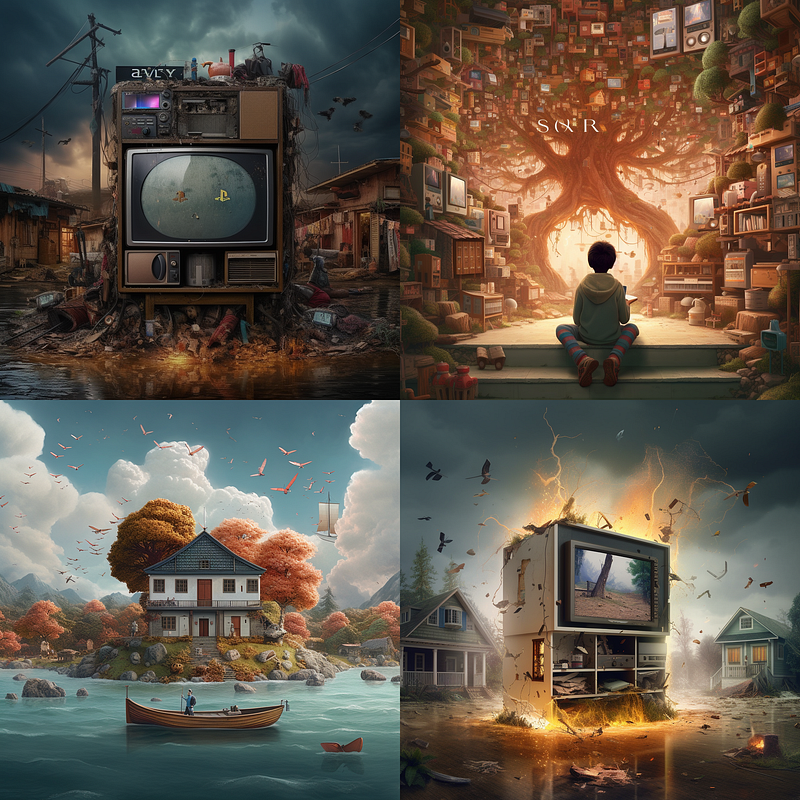
Sony’s world has a somewhat dystopian tone, potentially reflecting the impact of events like the Fukushima disaster. Dominant elements in the images include Sony’s PlayStation and various display technologies.
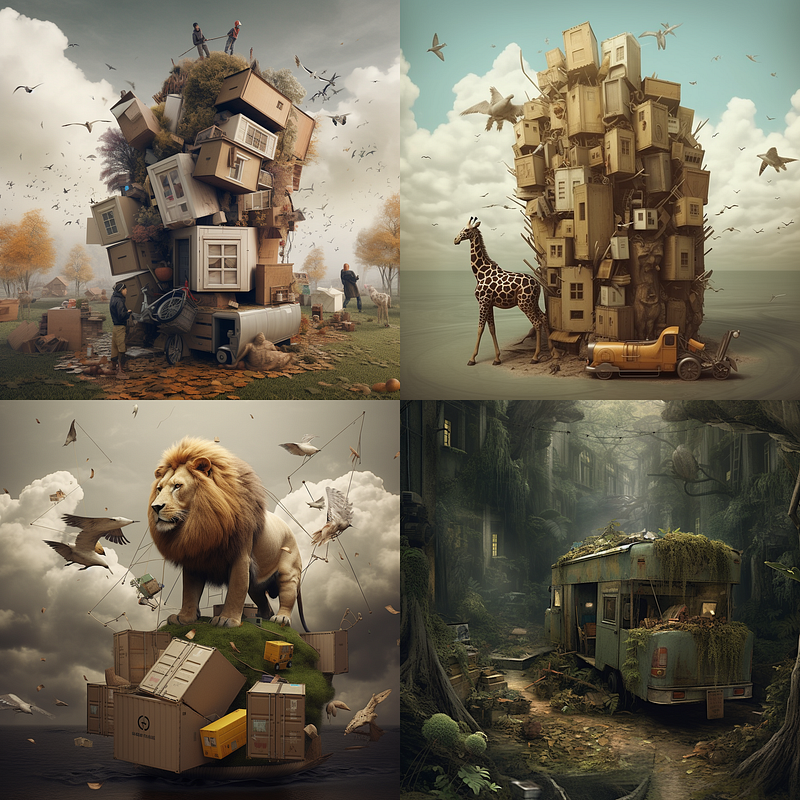
The world of UPS, as depicted in the images, appears to present a challenging scenario for parcels, almost akin to a nightmare.
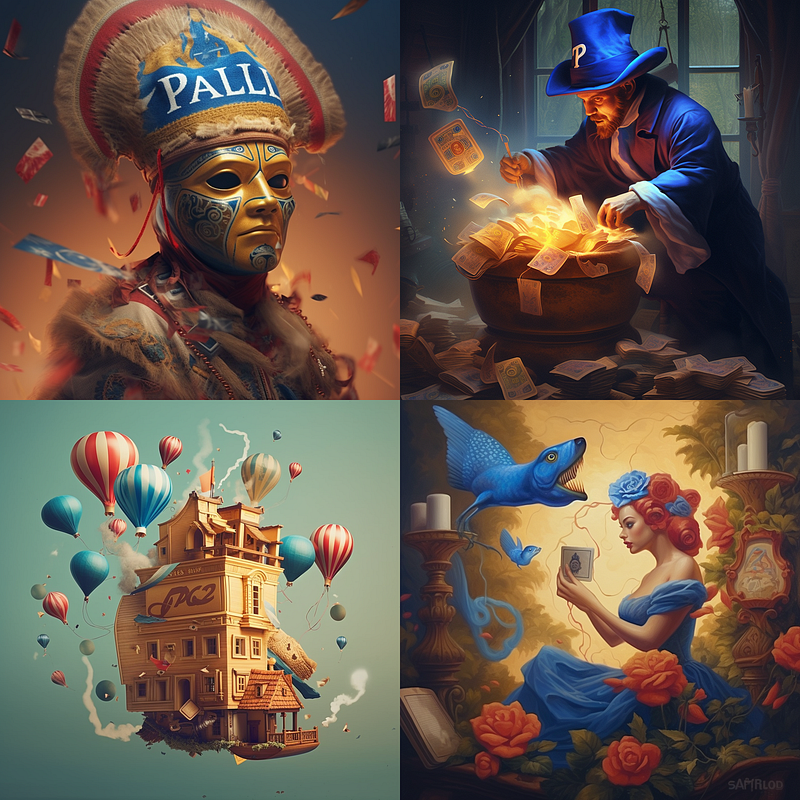
PayPal is represented in shades of blue, symbolized by a faceless king donning a golden mask and a wizard from whose cauldron money seems to be pouring out. The imagery also includes a flying house and a painting of a lady dressed in blue.
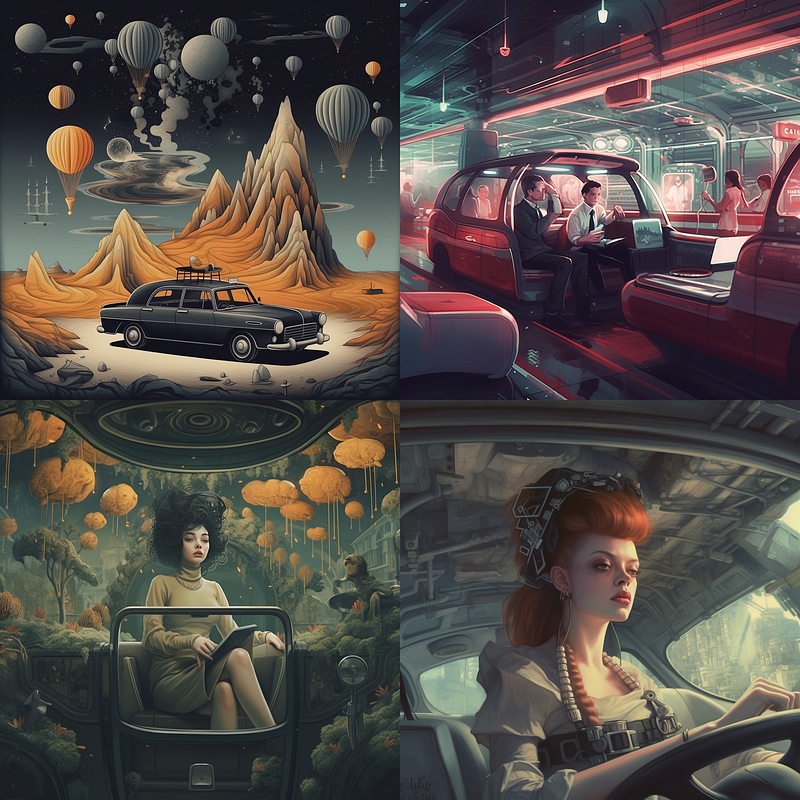
Uber’s world is depicted as dystopian and dark. One image shows a black car situated on what appears to be another planet. Another presents a futuristic, driverless car, resembling a convertible limousine, transporting two businessmen immersed in their work. A third image features a lady seated in a vehicle that blends seamlessly into nature, with her hair seemingly floating in water, and brain-like objects suspended in the sky. The final image portrays a serious, melancholic lady in the driver’s seat of a car with exposed internals, adding to the overall dystopian aura.
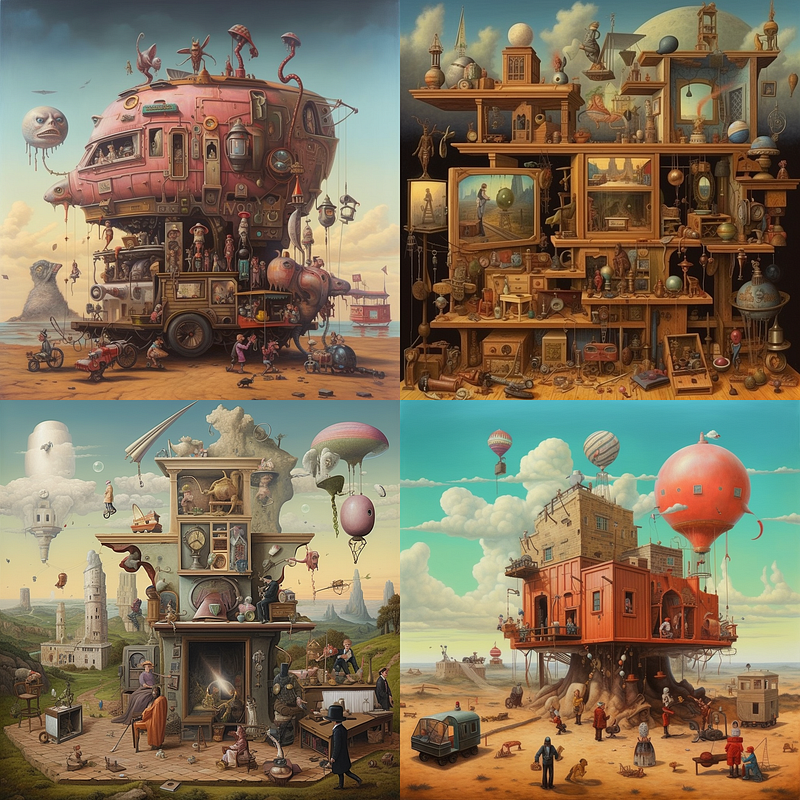
eBay’s world is depicted as both aged and vibrant, a virtual cornucopia where one can find an array of items.
Impactful Branding Showcase
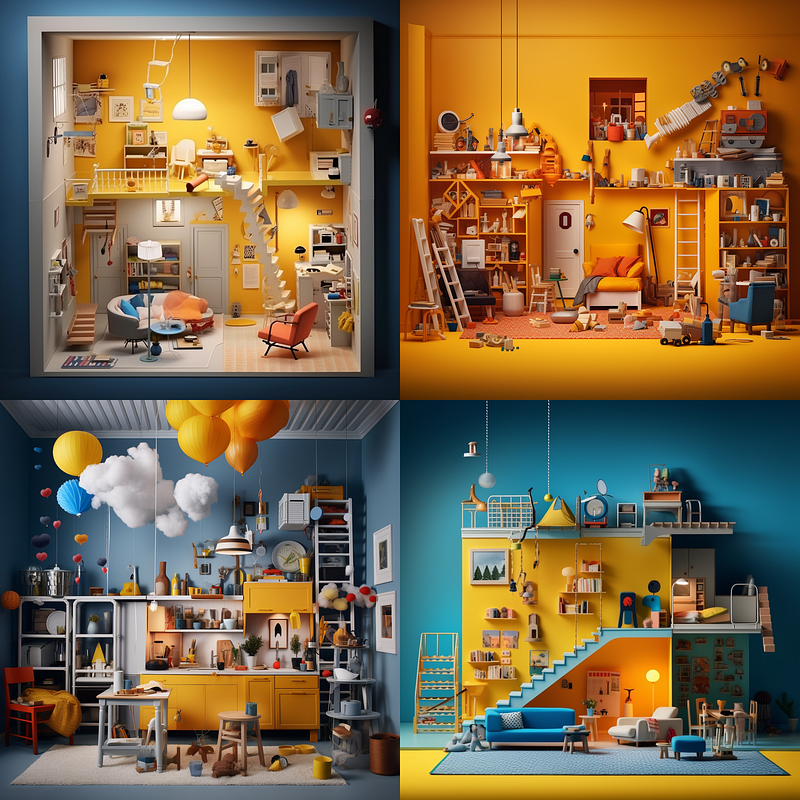
Not all the images generated were enigmatic, nightmarish, or dystopian. An exemplar of a clean and straightforward brand is IKEA. The generated image for IKEA displays a rich, vibrant interior design, prominently featuring the brand’s signature colors, albeit with a touch of impossible geometry interspersed here and there. Kudos to IKEA’s branding team for their impactful work!
Conclusions
In conclusion, AI models like Midjourney unveil innovative avenues to comprehend brands, showcasing unique patterns through generated images for brands like Coca-Cola, Google, and IKEA. While some brands exhibit strong, clear imagery, others like Facebook and Google reveal areas for branding improvement. Particularly, Coca-Cola’s imagery suggests a need to diversify its representation to resonate with a broader audience. By harnessing various AI tools, we can deepen our understanding of brands amidst the vast online information, aiding better brand communication and engagement. The intersection of AI and branding holds promise, with much more to explore in this digital epoch.
Shaping Future Explorations
I’m keen to delve deeper into AI-driven brand imagery and welcome your suggestions. If there are particular brands or creative themes you’d like me to explore, please share! Your input will guide my future research.
Now, let`s use it to paint car brands:


