
Pagan references in Jane Austen’s novels?
The British Regency period had some interesting festivities.
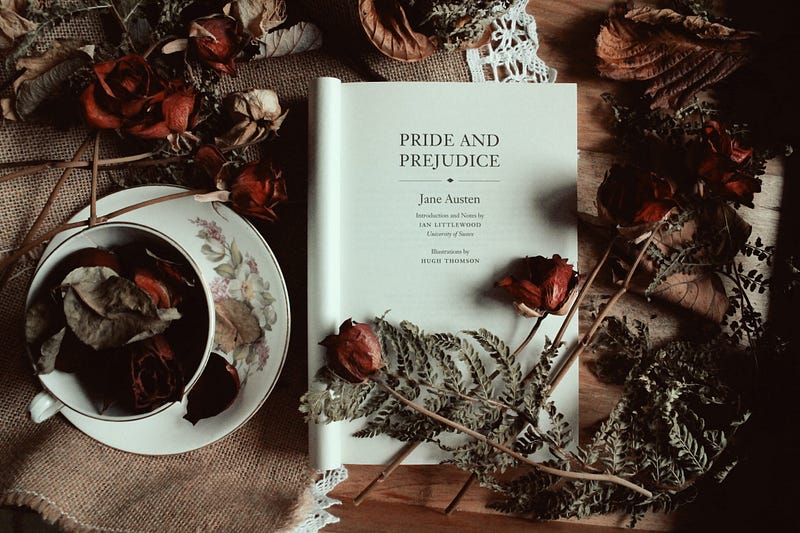
I have recently read properly and for the first time Sense & Sensibility. The film adaptation (1995) has always been one of my favourite movies: the contrast between sisters Elinor and Marianne, is one of the best portrayals of the philosophical and eternal debate between reason and emotion. But beyond this masterful depiction and Austen’s classic witticisms, I became drawn to the transition of the story and its events through the casual talk of its characters in relation to the passing seasons.
In recent times, I have developed a greater interest in being in communion with nature and its cycles, and this has also meant a developed curiosity into traditions, folklore, and harvest times. I believe it is not only myself showing this recent cultural swift and awareness, but that these new leanings have been amplified generally too due to the pandemic and the craving for a more meaningful connection with our environment. I analysed this in further detail in one of my earliest articles, if the topic interests you:
Jane Austen (1775–1817), one of the most acclaimed British novelists of all time, published her works during the time period between 1811 and 1817, coincidentally also known as the Regency Era, during which the Prince of Wales assumed power from his father, King George III after his health afflictions made him unfit to rule from 1811. After the king’s death in 1820, the Prince Regent ascended the throne as King George IV.
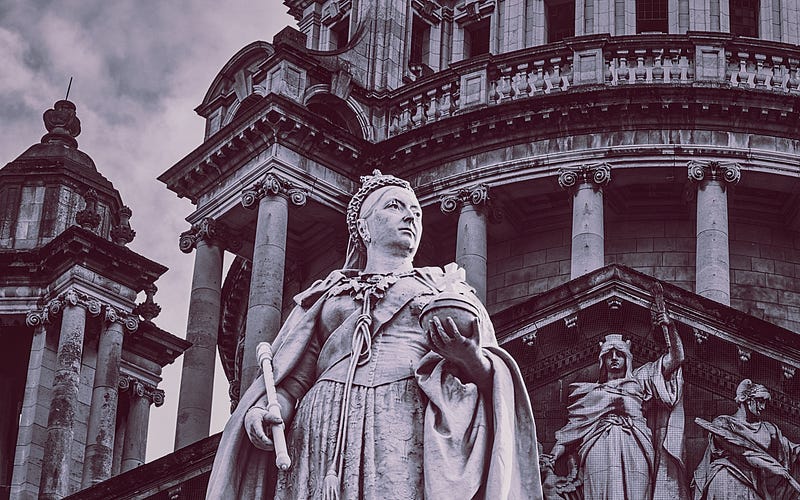
Most of the traditions and celebrations in the British Isles today, come from the later Victorian era. Queen Victoria (1837–1901) and her consort Prince Albert, started many traditions within their family which are now widely spread: engagement rings, greeting cards, Christmas celebrations, gift-giving for birthdays and special occasions, etc. But before them, the festivities and calendar highlights were an interesting concoction of harvest times and Christian celebrations.
During the Regency Era, the British Isles were going through a transition period in the use of calendars — both the old Julian calendar and the new Gregorian (current) civil calendar were in use. Both calendars were not that different, having the same number and names of the months, but the new Gregorian calendar aimed to correct the inaccuracies of its predecessor, by skipping several days and making it coincide again with the events of the natural year and the seasons.
Traditional catholic festivities were still observed, such as The Twelve Days of Christmas, from Christmas Eve to the Twelfth Day (or Epiphany), and Easter. There were also some festivities across the year celebrating some saints (Valentine’s, St. Georges and St. Cecilia), and also quarter days, which were practical subdivisions of the year for financial issues, beginnings of schools and universities and settling of accounts, disputes, and rents. These subdivisions were close in date with solstices and equinoxes.
However, when reading Austen’s novels, there is one particular festivity that stands out and which has lost its relevance today: Michaelmas (September 29th). There are several references to this day in each of her novels, and even in Austen’s own letters. This festivity was a “quarter day” which took place after the last harvest of the summer and the Autumn equinox. The relevance of this day during Regency England was seasonal, religious (as it celebrated the archangel St. Michael) but also traditional, as it was the time to prepare for the colder times and ensure the financial stability and protection of families until the next year, by feasting on goose and blackberries and settling rents. Michaelmas appears as one of the highlights of the year in each of Austen’s stories, as many social events such as taking new residence, which meant the opportunity of exciting social connections with new neighbours.
The British Isles had a greater exposure to a different kind of people other than the Romans, like the rest of the European continent did. The Romans had a much harder time advancing into Britain, and not only due to geographical reasons as an island, but also due to the opposition of the well-rooted and independent Celts. Unfortunately, this mysterious and late prehistorical period — covering the end of the Bronze Age and the whole of the Iron Age —, did not leave any written records behind. But we do know that the Celts were talented and artistic people, fierce warriors and also, quite spiritual.
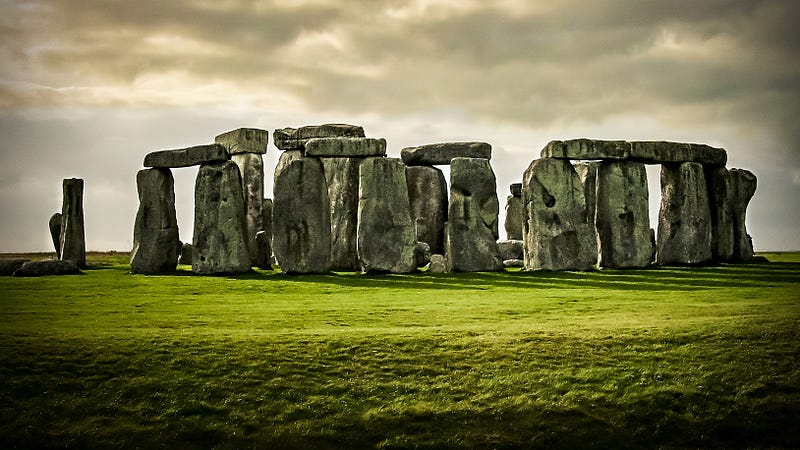
The faith of the Celts however had a very different structure to the more modern Christianity, and many aspects of it became forbidden (such as animal and human sacrifices). This ancient Pagan faith was grounded in the natural cycles of the seasons, dividing the year into two equal parts, marked by the festivities of Beltane (May Day) and Samhain (Halloween). Each of these parts was divided again into halves as well, focusing on the harvest times.
These yearly events are still observed by modern-day Pagans (Druids, Shamans, and Wiccans), and even though there have been historical waves of revival and romanticism for this mystical past, so many of those festivities and celebrations were incorporated into the Christian faith. And particularly within the British Isles, this connection has always been stronger and more meaningful due to its past.
If Michaelmas signified the beginning of Autumn and the summer harvest during Regency England — where both the Julian and the Gregorian calendars still coexisted—, it is not too wild to think that the inaccuracies of timekeeping back then could have meant that this Christian makeover simply gave a new name to the ancient equinox. Old Christian traditions were still full of superstitions and mystical explanations were given to natural phenomena, meaning that people hadn’t really changed.
Further reading: The English Festivals, by Laurence Whistler, 1947.
Isabel Abril — curious mind, librarian, writer.
Connect with me on Twitter! @Bryn_abril
If you are not a Medium member yet, you can join now and read on this great platform without restrictions, and support writers. Follow the link below! (This is a referral link, which means I will get a small commission, without extra cost to you). Thank you and happy reading ❤️


