
OWH Recipe Pack
3 Fujifilm recipes to cover most use cases
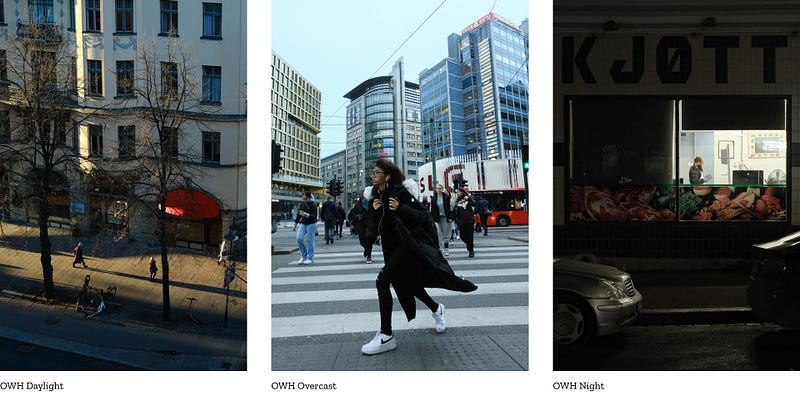
It’s been 14 months since I switched to Fujifilm. All that time I have been working to get as much right in camera as I can. Not because I have anything against photo editing. More because it forces me to sharpen my skills and think about the final look before pressing the shutter.
I have shared three other recipes (here, here and here) that have different purposes and looks. One thing that’s common with my approach though, is that I couldn’t care less if my images look like a particular analog film stock. Still, I do want my images to not look like they were shot digitally. I’m always looking for a happy medium, not going all the way to something you can’t back out of.
Distilling the look
This is a pack of three recipes that are the culmination of what I have learned about my own taste over the last 14 months. There are so many great photographers I admire and I have been going back and forth, trying to see how close I can get to other images I like. But these experiments have always been short-lived. Whatever I went back to formed a new pillar of what I have come to realize is the style I prefer. A Fujilfim recipe that sums this up has to have:
- Absolutely no digital highlight clipping
- Punchy, but not crushed blacks
- Smooth color gradients and transitions
- Medium color saturation
- Subtle color cast that underlines the ambiance of the scene
- No use of Clarity, because I can’t stand the lag
Why three recipes?
I’m an opportunistic photographer. It is not my day job, so I shoot when I have the chance, using the conditions available to me. I also live I Norway, where we have really long, sunny summer days, lots of overcast weather in spring and fall, as well as long, dark periods in the winter. It made sense to have one recipe for each one of these situations so I can achieve what I like consistently. By the way, the acronym “OWH” stands for my Medium/IG username oyvindwashere. There should be no doubt that these recipes represent my preferences. I make no claims about yours :)
OWH Daylight
Hashtag your photos: #owh_daylight
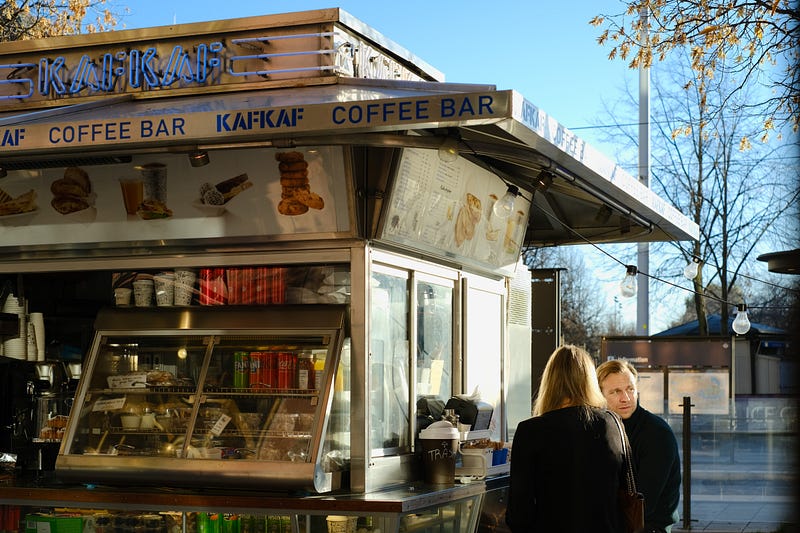
I already have a very good daylight, AKA “sunny” recipe named Modern Documentary. It is pretty similar to this, but that one is based on Provia, which makes it more neutral. I am a big fan of the film-like contrast and smooth color of Astia so I wanted these three to be based on that. Astia has a built-in shadow crush that gives just the right amount of analog look without over-doing it.
For daylight I tend to use spot or center-weighted metering. I care about what’s brightest and I want my simulation to give enough contrast to the rest without allowing detail to just fall out the bottom of the histogram. I also think a slightly warm tint is really nice when photographing in direct sunlight.
The recipe
Film simulation: Astia Highlight tone: -1 Shadow tone: 0 Dynamic range: 200 White balance: Auto (White Priority if available) White balance shift: R -1, B -2 Color Chrome Effect: Weak Color Chrome FX Blue: Weak Color: 0 Sharpness: -2 Noise reduction: -4 Grain: Off Clarity: 0 Exposure compensation: 0 with spot/center-weighted metering or whatever needed to avoid highlight clipping.
OWH Overcast/Cloudy/Fog
Hashtag your photos: #owh_overcast
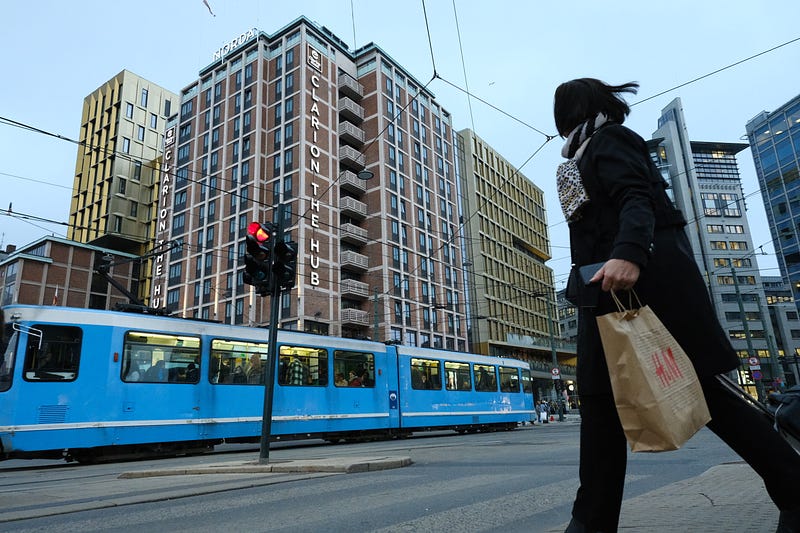
As you can tell by the title, this is the least specific of the three recipes. Given less contrasty conditions, here I use the default saturation of Astia and add some punch to the highlights.
The recipe
Film simulation: Astia Highlight tone: +1 Shadow tone: 0 Dynamic range: 200 White balance: 5500 K White balance shift: R -1, B -2 Color Chrome Effect: Off Color Chrome FX Blue: Off Color: 0 Sharpness: -2 Noise reduction: -4 Grain: Off Clarity: 0 Exposure compensation: 0 with multi metering as a starting point, but adjusting as needed to get a balanced histogram.
OWH Night
Hashtag your photos: #owh_night
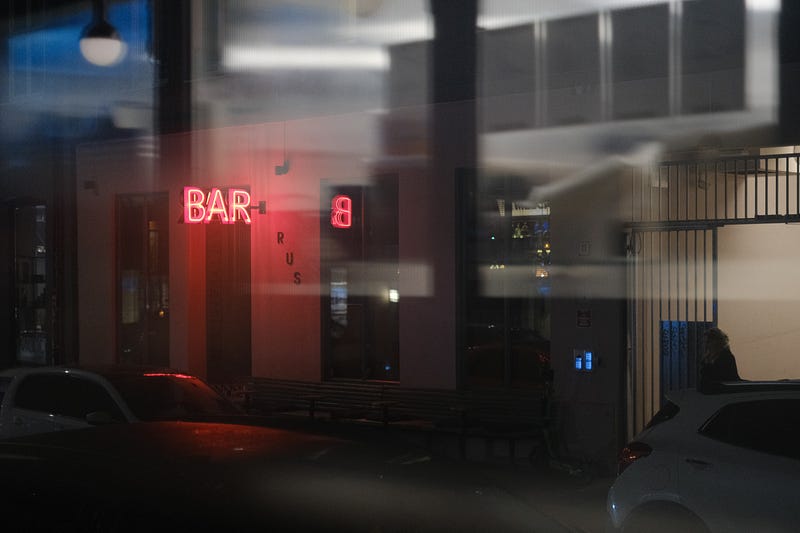
This one took by far the longest to nail down. Street photography at night is notoriously hard in color, given the wide range of color temperatures from neon signs and other artificial light sources. After much experimentation I actually settled on good old “Incandescent” with a WB shift towards warm blue to counteract yellow wash from stray bulb lighting, combined with a lowered saturation to keep the color contrast from getting too wild.
What I also realized is that contrast in night scenes is actually harder on a digital sensor than direct sunlight. For that reason this recipe has less highlight contrast and more negative exposure comp. Put side by side though, I think the three recipes look similar in contrast.
Film simulation: Astia Highlight tone: -1 Shadow tone: 0 Dynamic range: 200 White balance: Incandescent White balance shift: R +2, B +4 Color Chrome Effect: Off Color Chrome FX Blue: Weak Color: -2 Sharpness: -2 Noise reduction: -4 Grain: Off Clarity: 0 Exposure compensation: Around -1
Closing thoughts
If you think that these recipes don’t really have a single “look” across them, that’s because they don’t. That is intentional. These lighting conditions are wildly different. In my experience, the only way to get them to look the same is to apply extreme contrast curves and color tints. If that’s your thing there are many resources online to give you that. These recipes allow the ambiance to show through, but retain a similar degree of control over the output.
As always, please tag me in your Instagram captions or use the hashtags mentioned so I get to keep up with what others are doing with my recipes. I gives me great joy to see them in the wild and get feedback. That’s after all the reason I do the work of making and sharing them.
Look for more examples of these recipes in use on my Instagram. Happy shooting!


