OWH Film Fujifilm recipe
A Fujifilm recipe designed to look convincingly like film and makes no excuses about how it gets there.
Film photography is growing in popularity and I think that’s great! For me it’s been kind of a strange journey to this point. You see I started in photography in 1994, having learned the ropes from my father. I shot, developed and printed a lot of black and white in my teenage years. Color too, especially when later in 2001 spent a year working Ina photography store where I had cheap access to the in-store lab. Then I switched to digital. Then came Hipstamatic and later Instagram filters and VSCO which brought back the nostalgia of (bad) film looks for digital photography. But it was too much and people grew tired of it. Now it seems we have converged on an appreciation for certain aspects of the analog look without everyone’s pictures looking like expired CineStill shot on a Lomo.
But I digress. For me the film look means a departure from the clinical and perfect. An appreciation for what the medium adds to the motif. It does not mean that I want my images to have a dominant color wash or be all low contrast. When I shot film I often preferred Kodak Gold or Kodak Ektar. There are already existing recipes that mimic these, but I wanted to see if I could improve on that. I rarely shot slide film because I preferred the dynamic range of negative film.
In working on this recipe I went back and forth between making something that’s dogmatic and unapologetic and something that could be an all-purpose daily driver. In the end I decided on the former, so I pulled out all the stops to try and make this as film-like as I could.
Distilling the look of film on digital
Negative film resolves highlight detail like nothing else while giving less priority to the shadows. That’s point number one to address. Dynamic range 200 combined with a somewhat hard shadow contrast and highlight at -1 plus over exposure gets us there. The natural shadow contrast of Astia is actually pretty good for this.
Shadow color saturation
Many recipes looking to emulate film use Classic Chrome as a base. I have ranted my opinions on Classic Chrome here, here and here, so I won’t repeat myself. What I will add though is that there is one characteristic of most negative film that I wanted to achieve. That has to do with how certain film stock exhibit an unnaturally high color saturation in shadow detail. Not all films do this, but it is one element that I particularly like and that I think adds to the realism of the recipe. There’s only one film simulation that actually does this to a certain extent and that is, you guessed it, Astia.
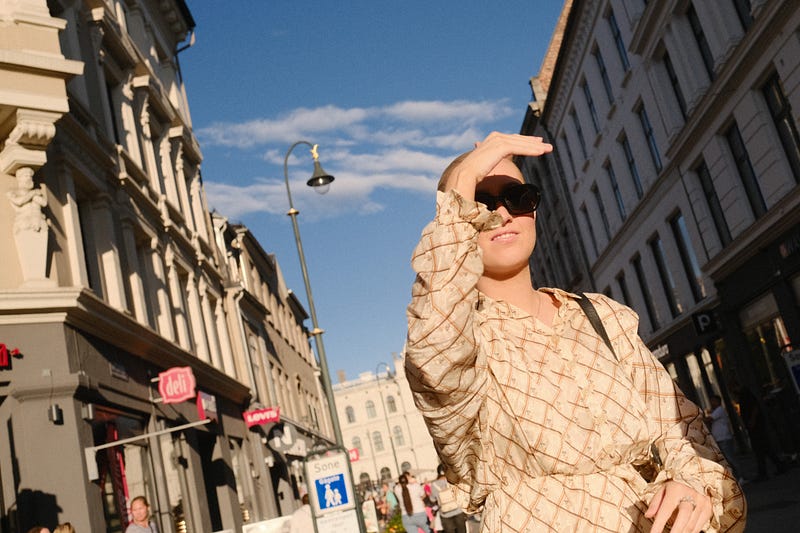
Overall color saturation
Another key characteristic is the style of color saturation. Most negative films cannot reproduce the color accuracy and saturation of digital or even positive film. When I say style I mean that strong colors are often darker in luminance, giving them the appearance of being more saturated, when in reality they are merely darker. Fujifilm has given us an excellent tool to achieve this with the color chrome effect settings.
Color correctness
Next up is the color cast, which we will achieve with white balance and white balance offset. Many Fujifilm recipes take this too far in my opinion, resulting in a non-discriminate color wash that gets applied uniformly to the whole frame. Take any of the Portra recipes available for instance. Most of them prioritize a yellow-green tint to the shadows. This is appropriate in many situations, but far from all. It also works against you if you wish to reproduce the peachy skin tones and highlights that the Portra films are known for. It goes to show that you can’t really have it all and this recipe is no different. Until Fujifilm gives us RGB curves to play with in the camera that is🤞
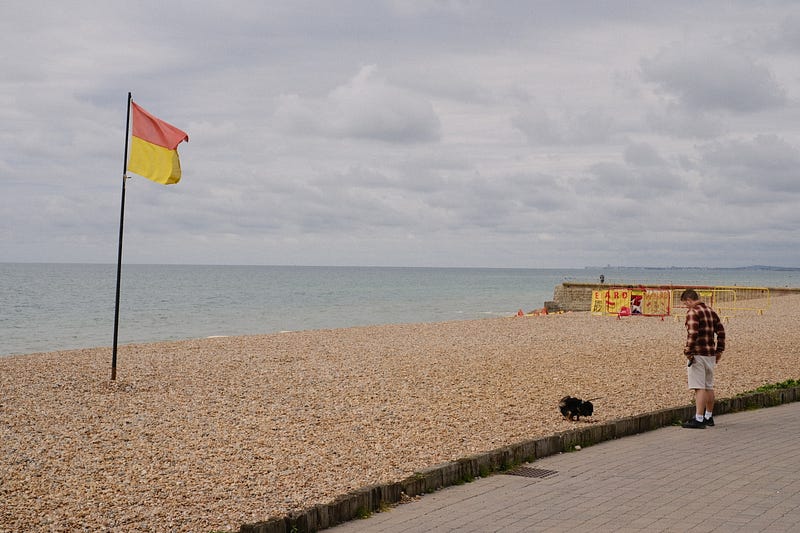
The one thing that kept me going back and forth in choosing a style for this recipe was the rather cold Astia reds, but on the other hand the nice yellow-orange transitions. In the end I decided to just lean into it. I’m glad I did because now i really like the cold reds. It’s a key part of the look! This next photo shows that.
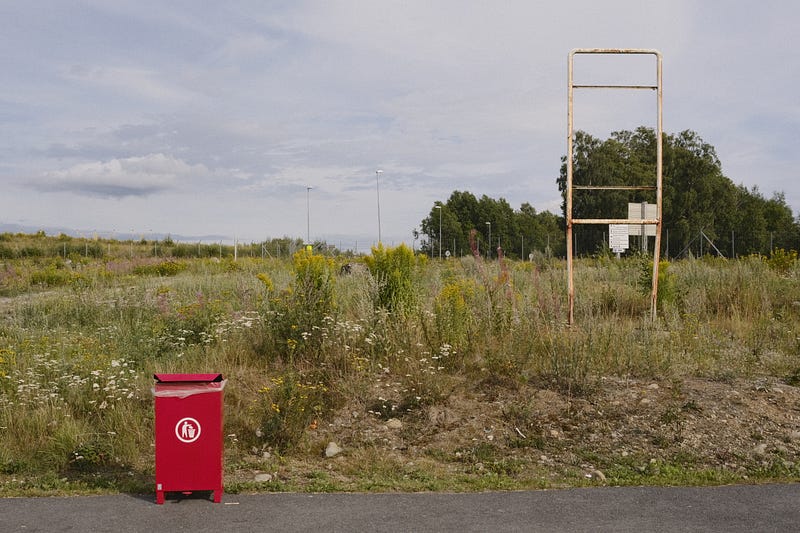
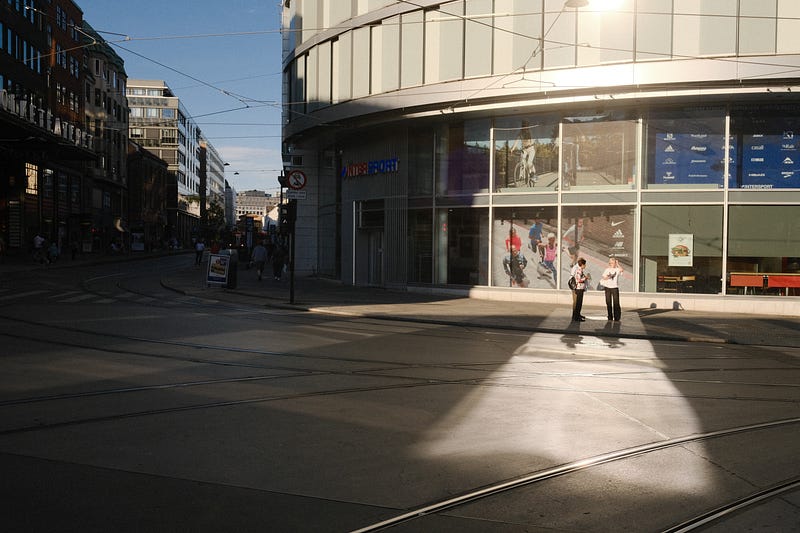
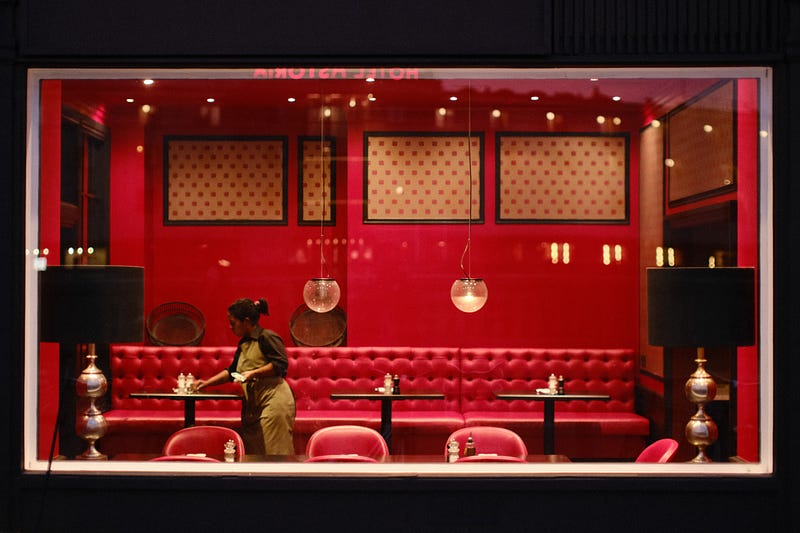
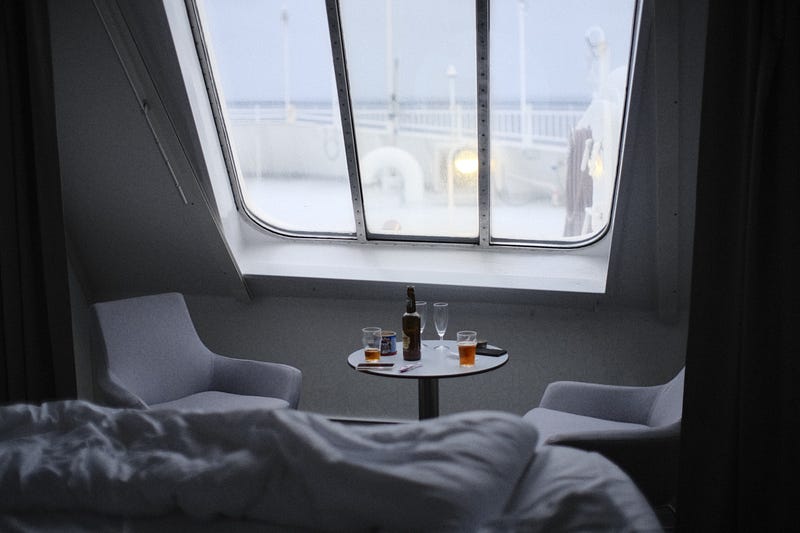
I said dogmatic and I meant it. This recipe uses the daylight setting, which equals 6500K and shifts that quite a bit to towards yellow, but crucially a little more towards red. Combined with a low saturation setting, this will keep the recipe from washing all images with a yellow haze. In most cases. This recipe is designed for daylight use. In certain cases I would say that shooting with a daylight white balance is essential to the look. The picture below gets the right, cold tint because the camera’s auto setting isn’t trying to average the color temperatures of the inside and outside light.
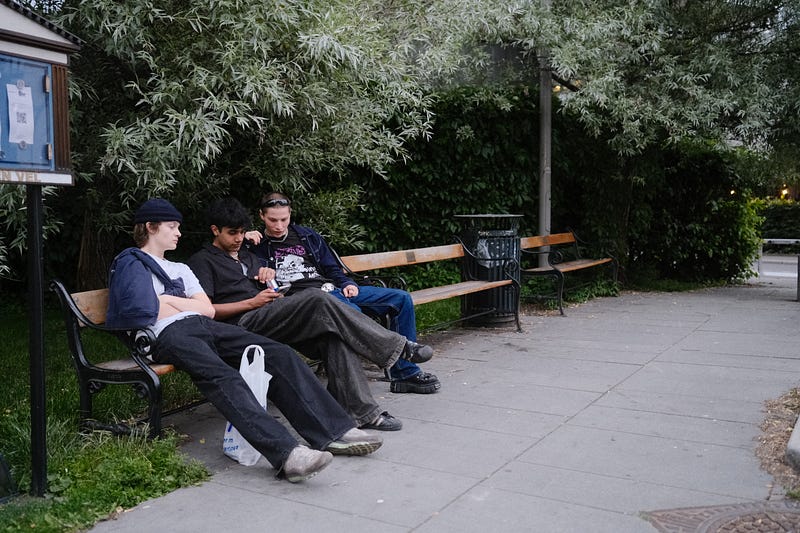
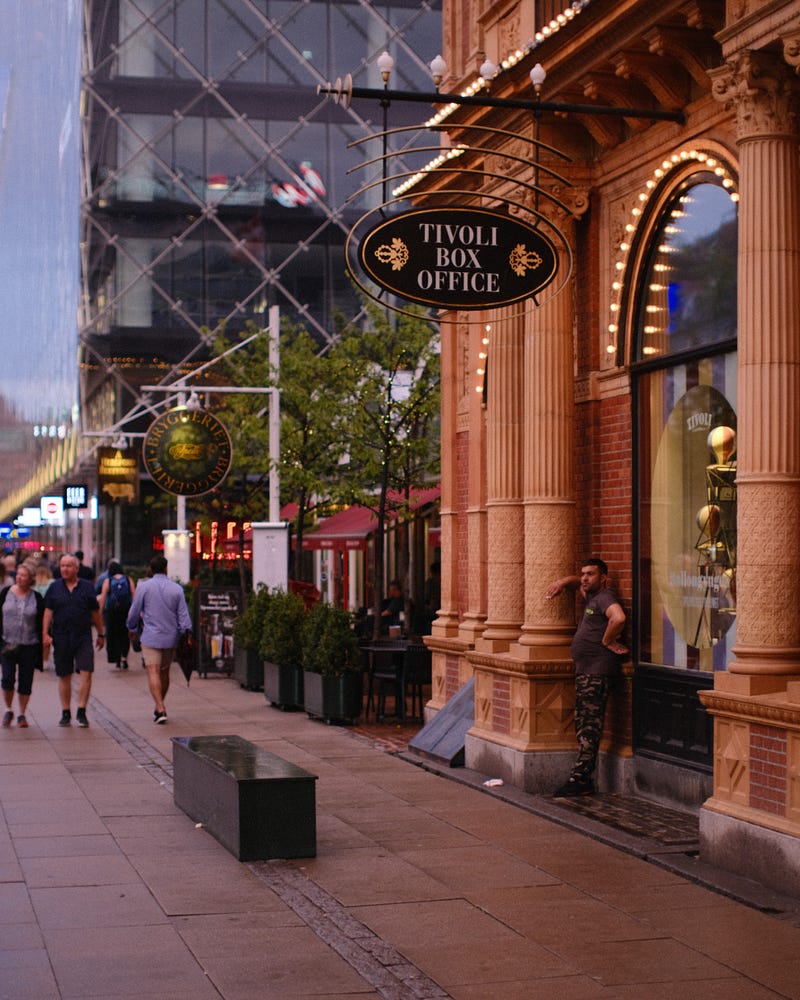
That being said, you can definitely do some cool things with this recipe if you shoot it at other color temperatures as well. Here is an example shot at 3700K at blue hour. However, I don’t recommend using this recipe with auto white balance. Your images will look more like film if the white balance is not dead correct all the time.
Grain
Specifically I wanted to emulate the look of 35mm film. For that to come across we must have grain and lower the sharpness. These things too add to the analog feel, but I’ve found that in combination with low sharpness, the grain setting on X-Trans actually becomes very pleasing and subtle. It’s not a perfect representation of analog film grain for the pixel peepers, but it’s close enough.
The recipe
Use hashtag #owh_film. As always, I encourage you to tag your photos with this hashtag or me specifically, @oyvindwashere. I love seeing what others create with my recipes.
Film simulation: Astia Dynamic Range: 200 White balance: Daylight or other non-auto setting WB Offset: R+5 B-4 Color Chrome Effect: Strong ColorChrome FX Blue: Strong Highlight: -1 Shadow: 0 Color: -3 Sharpness: -4 Noise Reduction: -3 Clarity: 0 Grain: Strong/Small Exposure compensation: +0.3 to +0.7 for daylight, -0.3 to -0.7 for dusk and night.
Happy shooting!
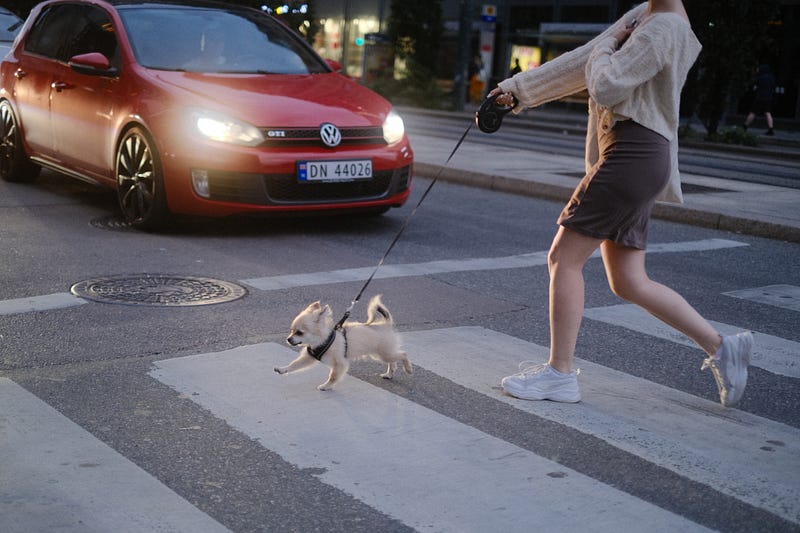
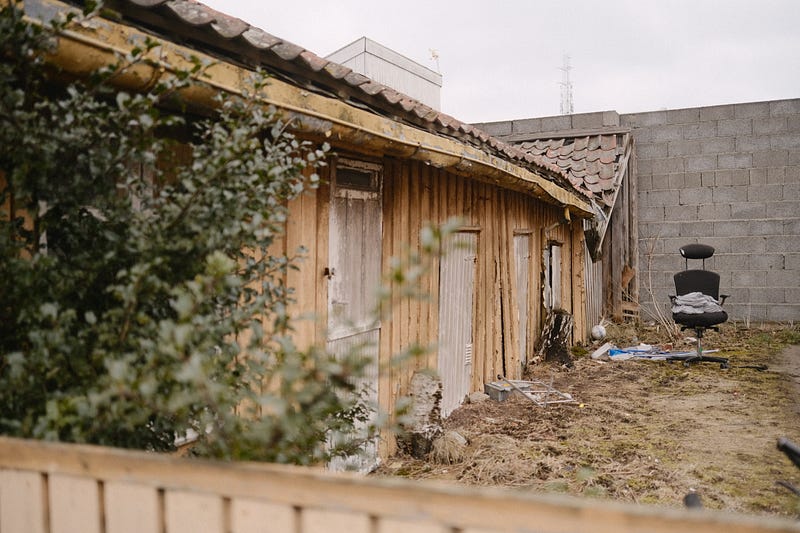
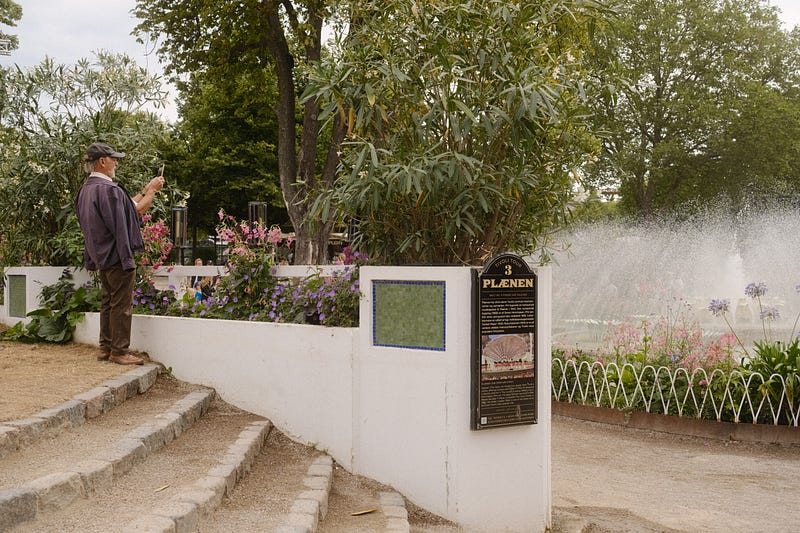
OWH Film examples
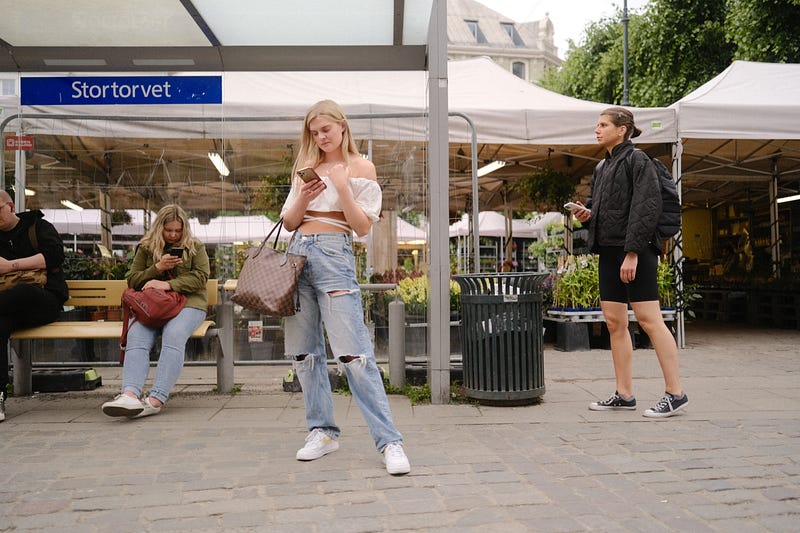
All images above are straight out of camera with only minor cropping on a couple of them. The same goes for these: