
Overcoming Barriers to Compassion: Fear, Bias, and Apathy
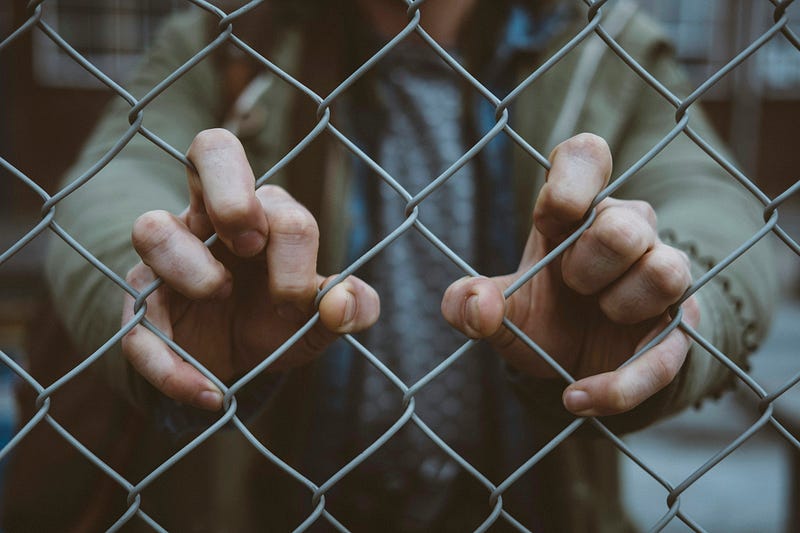
Three significant barriers often stand in the way of expressing and receiving compassion: fear, bias, and apathy. Each of these can distort our perception of others and ourselves, inhibiting our ability to extend kindness and understanding.
Fear is a primal emotion that can serve as a protective barrier, safeguarding us from potential threats; however, when fear becomes irrational or misplaced, it can create an invisible wall between us and those who might need our compassion. This fear might stem from personal insecurities, past traumas, or societal messages that condition us to see others as potential threats rather than fellow humans deserving of empathy.
In my practice, I’ve observed how fear can silence the instinct to reach out. It comes from a place where potential rejection or harm, can dissuade us from making connections that could very well enrich our lives and those of others.
Bias, both conscious and unconscious, can then also filters how we see the world and the people in it. It can be shaped by our upbringing, media consumption, and societal norms. These biases can lead us to make snap judgments about others, often based on incomplete or inaccurate information. They color our perceptions and can significantly hinder our capacity to extend compassion to those who don’t fit within our narrow parameters of acceptability.
Apathy, or emotional numbness, is perhaps the most insidious barrier to compassion. It represents a disconnection from our own feelings and those of others. In a world where we are bombarded by news of tragedies and injustices, it’s all too easy to become desensitized, to retreat into a shell of indifference as a means of self-preservation.
Yet, apathy denies us the profound human experience of empathy and connection. Breaking through this numbness often requires deliberate action — actively seeking to understand the struggles of others, allowing ourselves to feel moved by their plight, and taking steps, however small, to make a difference.
### Cultivating Compassion in a Divided World
One of the most effective ways to dismantle fear and bias is through education and exposure. Learning about other cultures, histories, and experiences broadens our understanding and fosters empathy. Personal storytelling, sharing our own experiences, and listening to the stories of others can bridge divides and humanize abstract issues.
Compassion is also empathy in action. It’s not enough to understand the suffering of others; we must be moved to alleviate it. This can be as simple as offering a kind word to someone in distress, volunteering our time or resources to help those in need, or advocating for changes that address the root causes of suffering in our communities and beyond.
Mindfulness practices can also help us become more aware of our biases and the moments when fear or apathy takes hold. By cultivating mindfulness, we can choose to respond to situations with empathy and kindness rather than react out of fear or indifference. Equally important and related to this is self-compassion — recognizing our own struggles with kindness and understanding can open our hearts to the struggles of others.
Cultivating compassion is a path that demands courage, introspection, and action — but it’s also one that leads to a more empathetic, understanding, and connected world. As individuals and as a society, we have the power to transform our world through the simple, profound act of compassion.