Outlander made me take a DNA test
This article is in response to the Daily Edition question “When was the last time you researched your family? What did you find out?
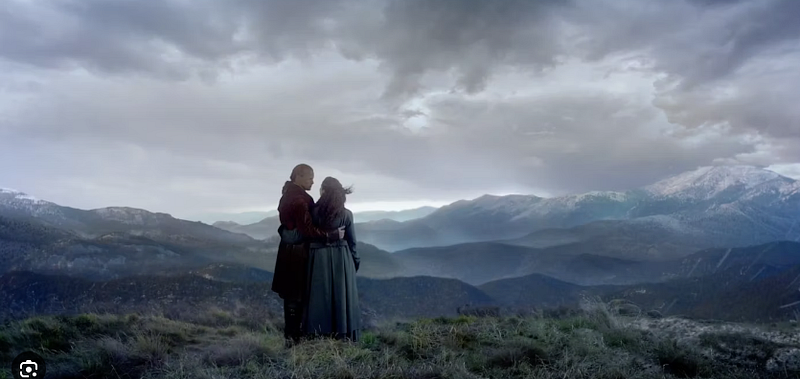
I started researching my family on Ancestry.com in April 2022 after watching Outlander on Netflix. Between Jaime’s defined abs and smoldering looks, I was enchanted by the Scot’s spirit of freedom, independence and courage. The show sparked a new interest in history for me and particularly of genealogy. I wanted to know if my ancestors were like the Outlanders who traveled to the American colonies in search of freedom and land.
My DNA Origins
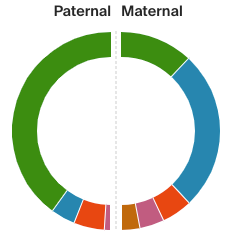
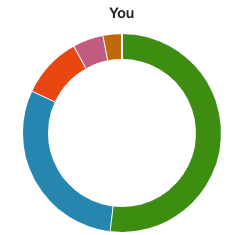
With a World Explorer Membership from Ancestry.com (including a DNA test), I learned that my DNA origins are similar to populations from England (52%), Scotland (30%), Wales (10%), Ireland (5%), Sweden & Denmark (3%). My 30% Scotland DNA is greater than either my father or mother. Somehow, I am more Scottish than both of my parents.

My DNA connected me to my ancestral history
Ancestry.com provides “DNA communities” that explain life during specific points in time for your ancestors. Here is a sample about my “Early Upper South Settler” ancestors:
Pushed by upheavals at home and seeking new opportunities, immigrants from England, Germany, and Ireland arrived in the Chesapeake area. As farmland became scarce, a migration began, first to the hinterlands of Virginia and the Carolinas and then to Tennessee, Kentucky, and beyond. Newcomers planted and harvested everything from tobacco to soybeans, trying to survive and thrive. Descendants of these settlers created an enduring culinary heritage based on simple but flavorful foods. The great value they placed on family, faith, storytelling, and love of the land remains a hallmark of this unique culture.
My ancestral history revealed their path to me
I sought to further understand how my ancestors from England, Scotland and Ireland traveled across oceans and mountains to end up living in my tiny hometown of Celina, Tennessee (population 1,495) for the last 250 years.
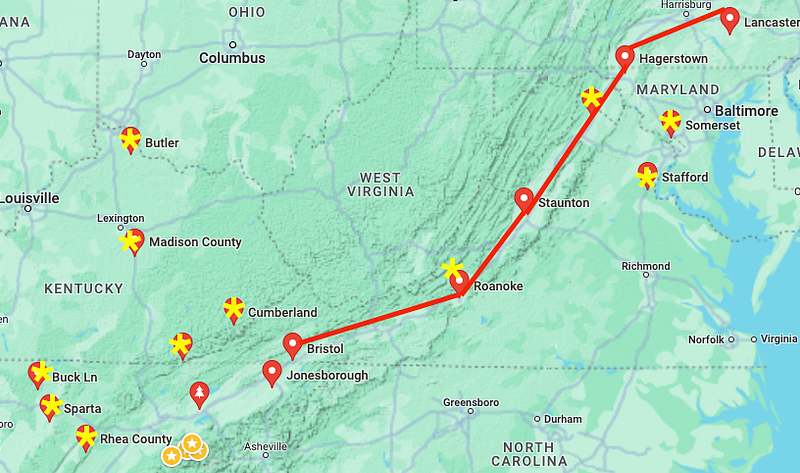
While plotting the birth and death locations of my ancestors on a Google Map (see below), I stumbled upon a very informative wikipedia article that revealed the likely path my ancestors took to get to early Tennessee. Tens of thousands of immigrants used the Great Wagon Road in the late 1700s and 1800s to migrate south of Philadelphia and west of the Appalachian Mountains. Some sections of the Great Wagon Road are the same as the Great Warriors Trail that had been used for centuries by Native Americans and prior to that, migrating buffalo herds.
I estimate that my ancestors joined the Great Wagon road around Staunton, Virginia and traveled to Roanoke, Virginia. In Roanoke, decisions were made and my ancestors chose to go west through the Appalachian mountains (probably through the Cumberland Gap like Daniel Boone) and settle into southern Kentucky and northern, middle Tennessee.
My heritage further examined
The area my colonial ancestors settled in was known at the time as Cumberland Country. Inspired to learn about more about life in the late 1700s and early 1800’s, I read Harriette Simpson Arnow’s “Flowing of the Cumberland”. This area was America’s original “West”. Colonists who dared to go west were those with wilderness, hunting and farming skills brought with them from their home countries. Predominantly, that was the Scots, Irish and Germans. It was also the colonists with little to no wealth. Those that had already established shops and some wealth stayed in the colonies.
Summary
Overall, my research has had a significant impact on my self-image. While the DNA test offers “proof” that connects me biologically with people in other places, I have been most transformed by gaining knowledge of the places where my ancestors lived and following their journeys over generations. I now see myself as a continuation of my ancestors’ collective journeys. I have found profound comfort in knowing that my life is connected to hundreds of years of ancestors and by default also connected to my future generations. I now feel even more connected to Tennessee, its spirit and its landscapes. A person’s life and death can seem so limiting, but if you connect yourself to the greater landscape of humanity, you realize that you are infinitely connected to the past and the future.


