
Out of the Ashes
Reflowering
In October of 2017, our beloved Peter’s Canyon, less than a mile away, as the crow flies, from our home was caught in the rapidly moving Canyon 2 fire, which jumped freeways and raced across the drought-parched hills of Orange County, California.
Driving home from teaching my yoga Class in Costa Mesa, I hit a high spot on the 55 Freeway and saw smoke billowing into the sky, a massive column of churning, swirling ash and embers. In a bit of a panic, I raced to my house, to where a team of construction workers was putting the finishing touches on the remodel I had personally been the “General Contractor” of for more than a year.
Just the day before, my husband and I had sprawled on a blanket on the bedroom floor, sipping wine and contemplating paint colors. Now, I did not know if my house would survive the night.
Peter’s Canyon has been our refuge since we moved to this area over twenty years ago. In my younger days, I trained for half-marathons on its dirt paths. We ride our mountain bikes here frequently. And, I hike it almost daily. It is, really, the heart of this community, which is a bit off-the-beaten-path for Orange County. We are unincorporated here, which means I can place a Buddha in my front yard alongside kale and swiss chard and fruit trees. And I don’t have to worry about anyone telling me what color I can paint my house.
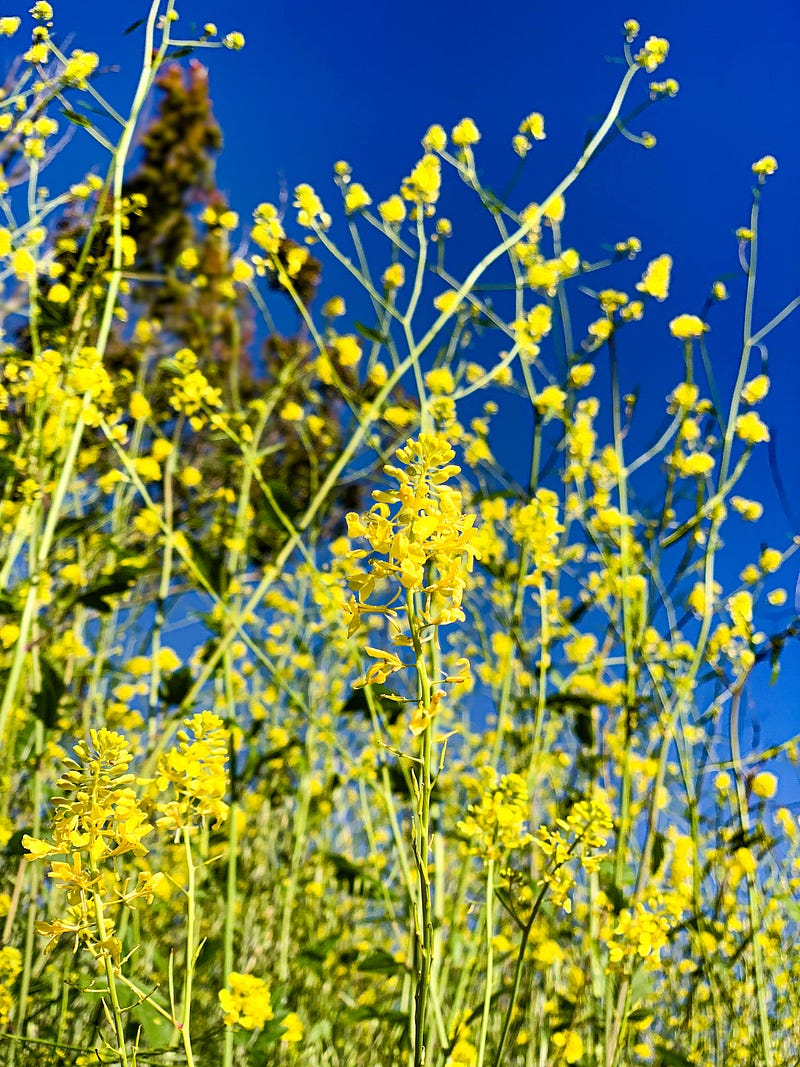
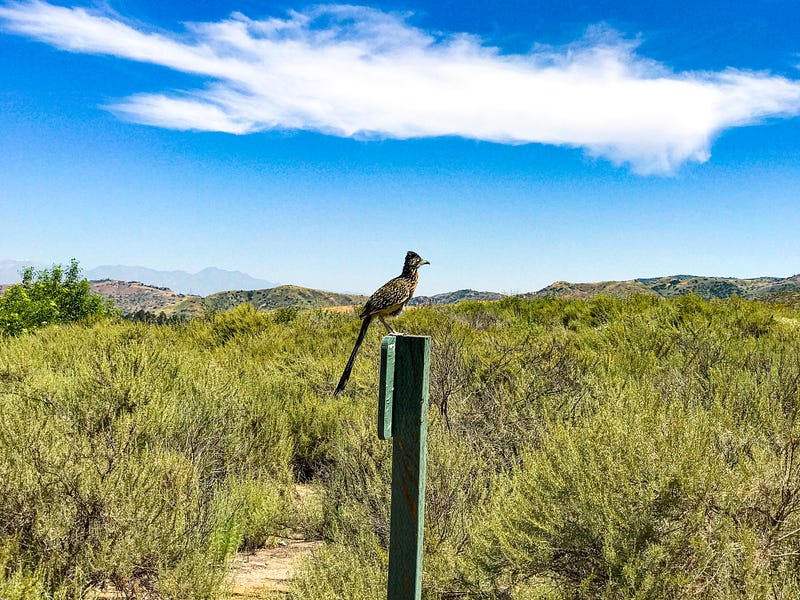
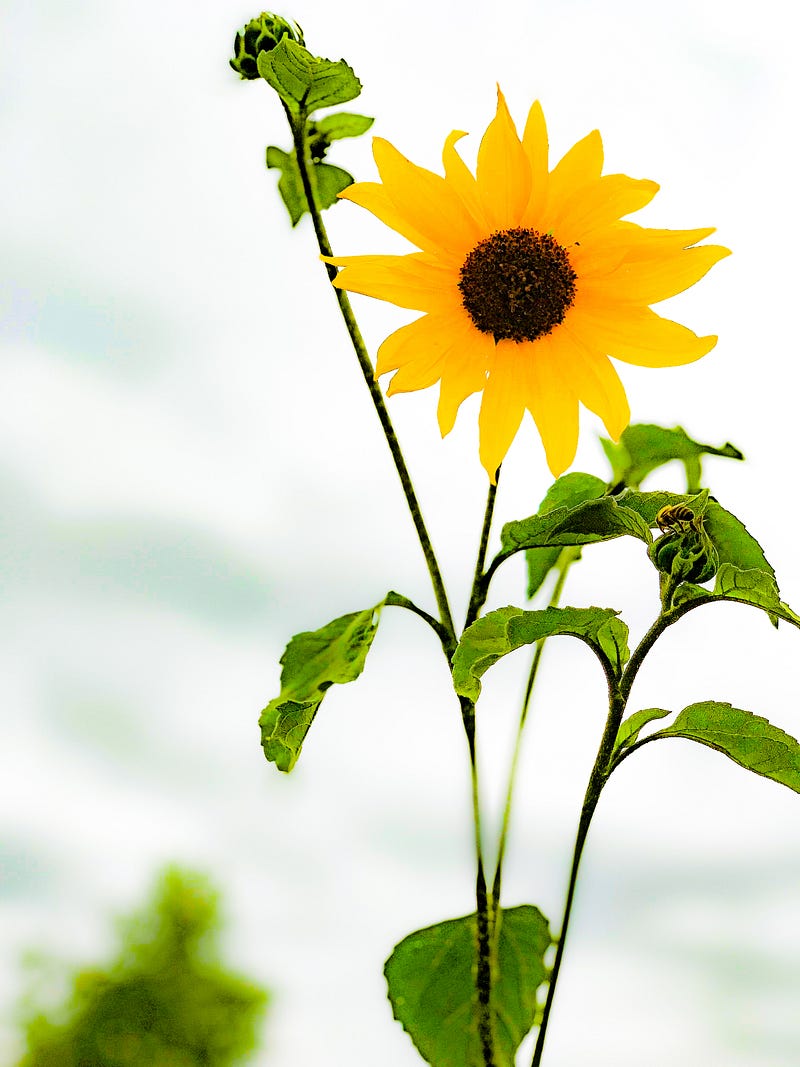
We have come to know the cycles of the canyon. Tall blooms of mustard arch over our heads in the spring, and sunflowers and purple thistle sprout in May and June. The little lake in the center is home to a multitude of waterfowl, frogs, turtles, and birds. Quails and roadrunners dart across the paths. Bobcats, mountain lions and coyotes also roam these hills.
I hurriedly packed up the cat carriers, my book-in-process, my grandmother’s silver and some photo albums, and waited. My heart broke for the poor animals, whom, I imagined were panicked.
Although we were under mandatory evacuation orders, we waited it out through a long and sleepless night, ready to go in a heartbeat. From our balcony, it looked like the end of the world. But, by the morning, the amazing firefighters had the blaze almost contained.
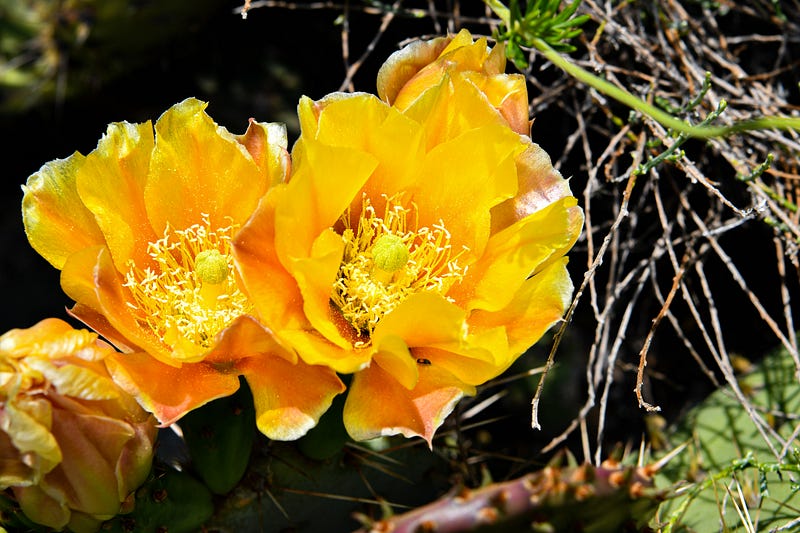
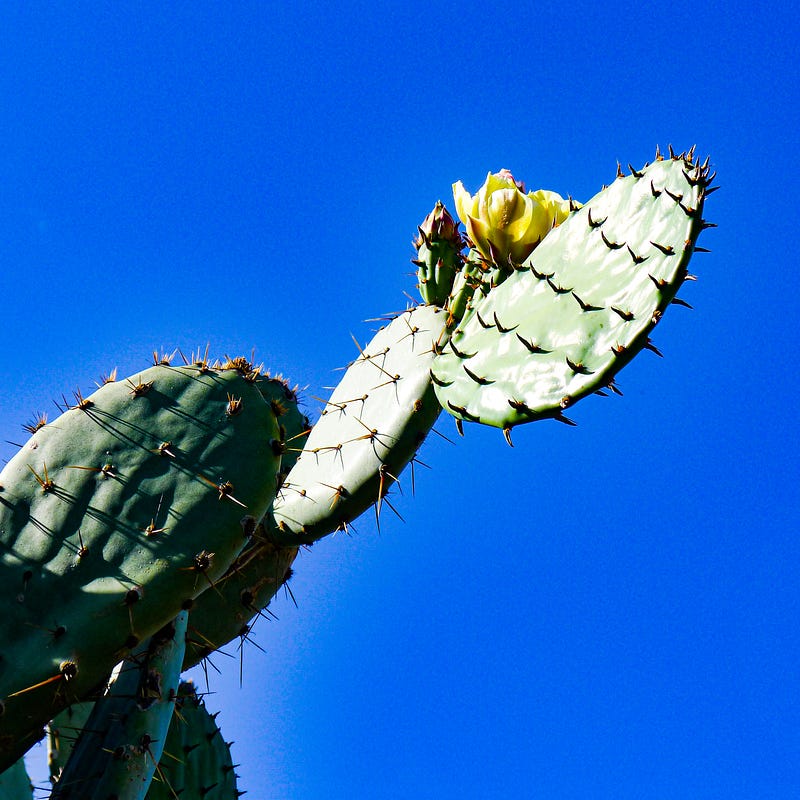
We drove up to see the charred remains of our lovely canyon. Where once scrub oak trees had buzzed with bird chatter, now blackened stumps and twisted limbs rose into the orange sky. The landscape looked lunar and barren, covered with ash and still smoking. My heart hurt when I looked across to “Cardiac Hill,” one of our favorite (and toughest) climbs on the bike. Dense with prickly pear cactus, which bloom furiously each spring, the hill now looked blackened and dead. A few prickly pears remained, and I wondered if they would be strong enough to survive.
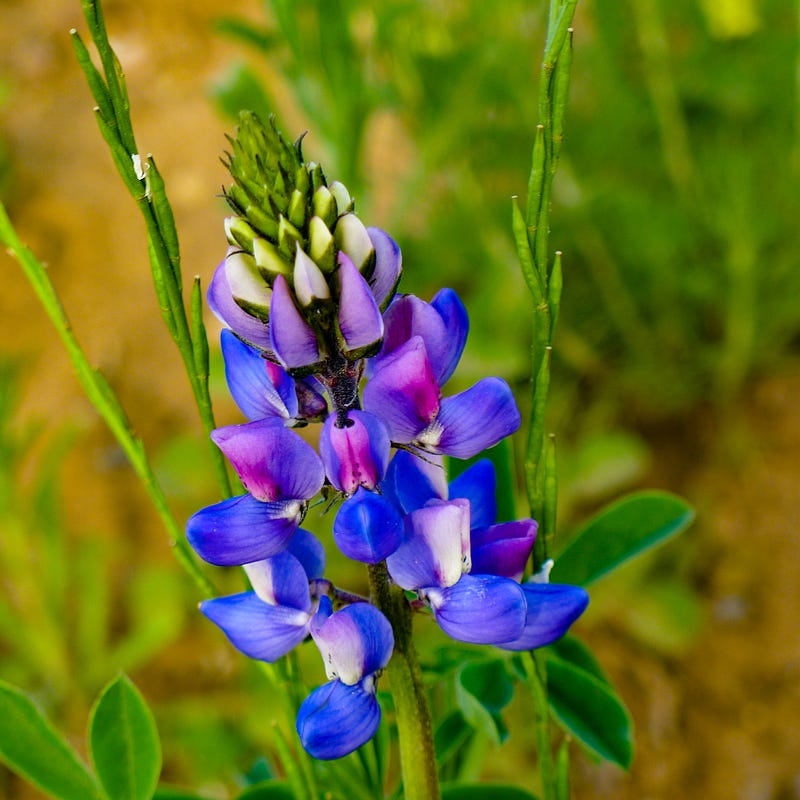
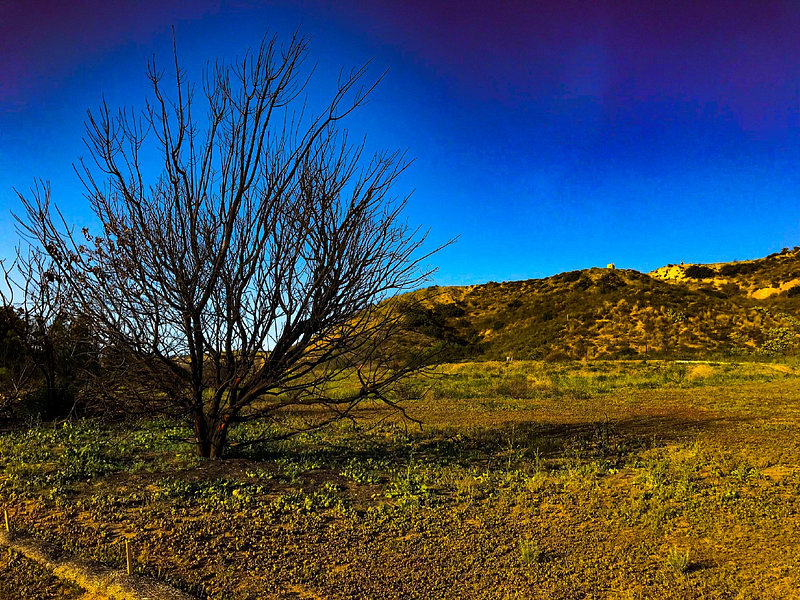
After several years of drought, the canyon had been dry, and was easy tinder. But, the last two winters have brought well-above average rains. And, this spring, the green finally overtook the black again. New life has sprung from trees which looked dead. The mustard is back. The datura twines along the sides of the paths. Lupine adorns the hillsides again. And bluebirds dart from fence to fence while hawks scream in the eddies of warm air rising up from the pockets of the valleys.
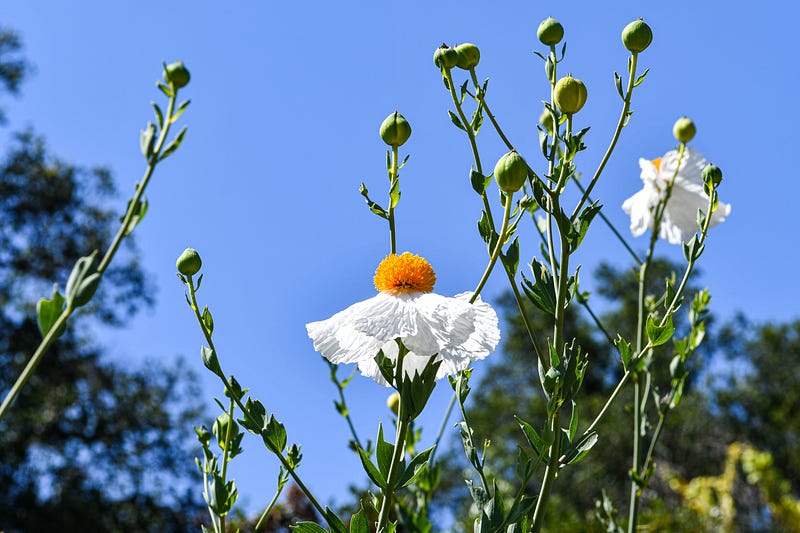
Life does begin anew. Sometimes, we need to burn out the old to make way for the new. This is the truth of life, and also of forest fires. The seeds of certain plants, such as the native Matalija Poppy or the pines, cannot germinate until they have been through the ravages of fire, which cracks open their tough outer skins.
I recently read a story about Ernest Hemmingway losing all of his early works (carbon copies and all) when his wife inadvertantly left them on a train station platform. At first he was devastated. And then, he felt freed. He could now create something new without holding onto the past.
I have, personally, completed writing two books — one a sprawling 600 page historical paranormal romance, and the other an academically-based book combining the wisdom of Indian mythology with modern science. Both of these books now sit, cast aside, in a cupboard and a drawer. It was difficult to let them go. But, I learned so much from the process of writing them. And, I will never release them to the world in their current form.
But, from the ashes of those books, I have begun to see the rising phoenix of not one, but several, new book projects.
All of life moves in cycles. Respecting those seasons can allow us to be more free, more creative, more open to the muse and to her connection to the Universe.
Just like the flowers, which have returned to Peter’s Canyon with the flourish of the Goddess’ paint brush, new visions and ideas often spring from the death of old ideas. It’s a valuable lesson, although one not always so easily learned. We often hold on so tightly to what we know, that we never see what “could be.”
Now, when I wander the hills of the canyon, I listen closely to the whisper of the breeze. I smell the delicate wildflowers. And I dream up stories and poems. Peter’s Canyon is my creative place, my place to “walk alone” in tune with the universe. I watch the seasons unfurl. I smell the moistness of the winter mists and the sweetness of the spring sunshine. And my imagination takes flight. It is a place for new beginnings.
I hope that you enjoyed reading this piece. You might also like:
Story and Photos ©Erika Burkhalter. All rights reserved.