
The Sun is tiny in comparison to some stars.
The Solar System is estimated to be more than 4.5 billion years old, at its centre is an average G-type main-sequence star or yellow dwarf star which we call the Sun.
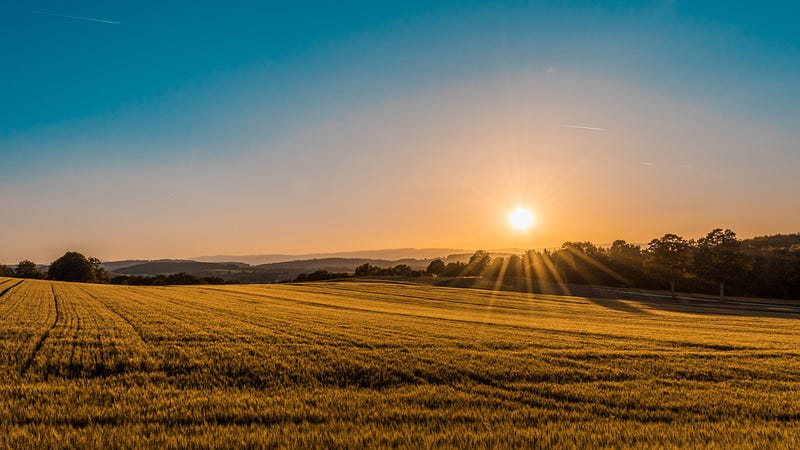
Although our closest star the Sun is the main reason we are here most of us give it little thought as we live out our lives on this magical planet.
The Sun is nothing special when comparing it with other stars, there are stars that are smaller but there are also stars that have unimaginable sizes.
Stephenson 2–18 is arguably the largest star known at this time. It lies 18,900 light-years from the Earth. But remember, light travels 1,080 million kilometres per hour or 9.46 trillion kilometres in a year, yes this star is very far away by our standards.
How can we visualise the size of Stephenson 2–18 when comparing it to the Sun? This gigantic star has a diameter that is 2,150 times that of the Sun.
The Sun has a diameter of 1,392,680 kilometres, so using a simple sum the diameter of Stephenson 2–18 works out to 2,994,262,000 kilometres.
When we use large numbers it becomes difficult for us to comprehend.
Maybe the next paragraphs will help in the understanding of how big this star really is.
As you probably know 8 planets orbit the Sun they are Mercury, Venus, Earth, Mars, Jupiter, Saturn, Uranus and the farthest away planet Neptune.
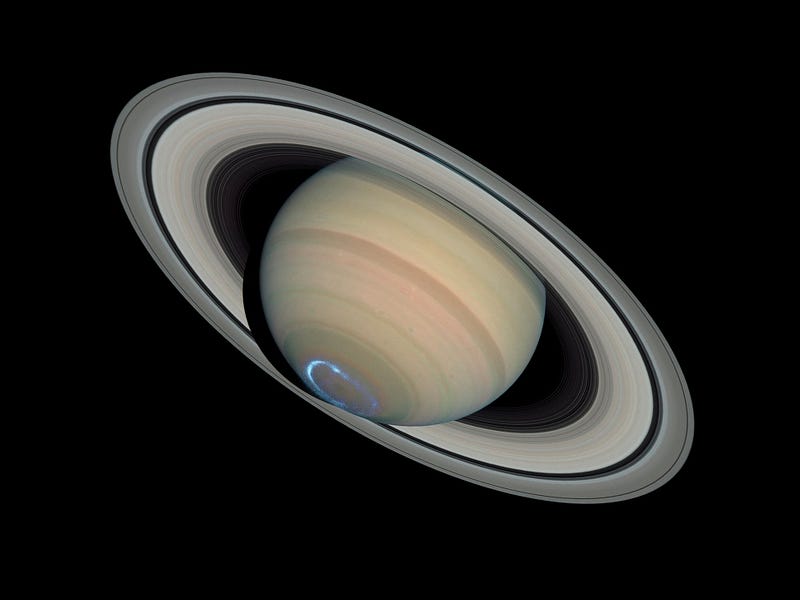
Now you will have to use your imagination!
Replace the Sun with Stephenson 2-18 so it is in the same position in the Solar System, that would be very bad news for all the planets, especially the five closest to the Sun and possibly the sixth planet Saturn, they would all be inside the giant star.
Light travels at almost 300,000 kilometres per second. To travel the circumference of the Sun would take light 15 seconds, to travel the circumference of Stephenson 2–18 would take light an incredible 8.7 hours.
Anything that has mass could ever reach the speed of light, it could be the reason we will never be able to leave our local area in space.
We have never heard from intelligent extraterrestrials, they too might be restricted to their own small area in space. That is if they really do exist.
You might like to ask your family or friends these questions and test their knowledge, the detailed answers might come as a surprise.


