
We Scrum but…
Our Scrum Master Sucks!
A Kick in the ScrumBut — Episode 5
💨 🍅
So, your team is exercising Scrum, however your Scrum Master is bat crazy. Or maybe you are a Scrum Master, freshly joining an organisation and think…well shit… this is bat country.

A team, or organisation fresh to Agile or Scrum (you know…those who don’t know the difference between the two) may be overwhelmed by a fresh Agile enthousiast’s vocabulary introducing all sorts of concepts to choose from.
Choose Story Points, Spikes, Sprints, Backlogs, Definitions of Done, MVP, Kanban, XP, Pull requests, Pair programming. Choose TDD, BDD, DDD with 100% Code Coverage. Let’s enjoy a LEAN Coffee. Let’s dodge those Theory X spirit crushing PRINCE2 and Waterfall zombies. Scale it to LeSS or frankenstein it to SAFe. Choose looking up the latest hype train UX trends, wishing you’d done it all differently. Choose DevOps and ‘Continuous Everything’! Choose to drown yourself Technical Debt and Refactor your app to death. Choose to abandon BDUF. Time-box your life. Choose #noestimates, or play Planning Poker all day. Choose JIRA or please don’t. In any case…. Post-its….Post-its everywhere.
Scrum Masters (and Agile Coaches) will bombard fresh teams with new terminology. I sure have. It will all sound super crazy and it will surely get on many peoples nerves.
But what to look for when hiring a new captain for your team? How does an organisation completely new to Scrum, know how to hire great Scrum practitioners? Are they simply checking for certificates like CSM, PSM, PMI-ACP, PAL, PSPO, CSPO, CLP, PSD, CSP, KMP, ACDC, OMG, WTF?
What happens if an organisation that hired one, slowly realises that Scrum is totally not what they expected?
I read a lot of Scrum related stories online and many are fuelled with frustrations about Scrum. Reading those I realise many teams suffer from poor implementations, poor management, bad Scrum Masters or Scrum Masters realising the intention to actually Scrum was never actually there.
I read lots of articles that try to tell us Scrum sucks, when really it’s about how they suck(ed) at Scrum. This sometimes starts with the Scrum Master.
So in this rant I will zoom in on the role of the Scrum Master.
Hey, let’s play Scrum, who wants to play Scrum Master?
So, for a project, your organisation (or team) thought it was a good idea to try Scrum… poor souls.
You can’t simply hand-out the guide, assign roles and play Scrum. Yet… I bet, this is how must organisations attempt Scrum.
So, everyone is going berserk! Post-its and targets are flying all over the place. Everyone is wondering what the heck they are doing during Retros. Everyday is a lottery to see who shows up during the Daily Scrums and when they are over you still have no idea whats really going on. Sprints are being extended or postponed, the backlog is a catastrophe, and the Review amounts to nothing more than just a pretty powerpoint presentation to upper management. It’s all crazy and fun and all until your team hits the second stage of the Tuckman’s model: storming.
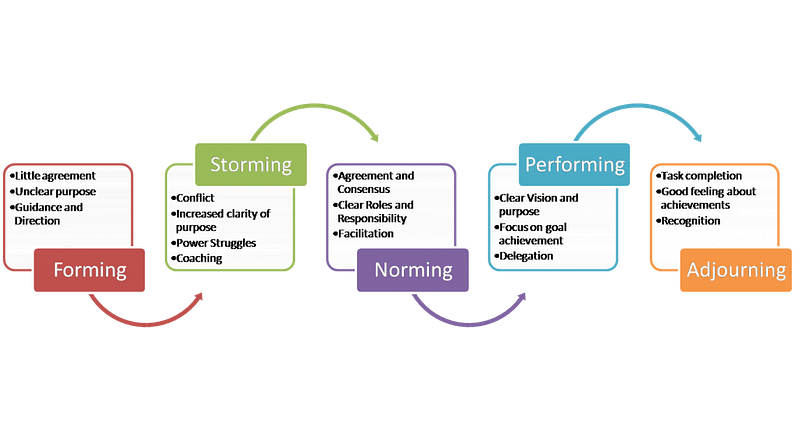
Now your team has to deal with conflict. Your team is really beginning to struggle.
“We could do so much better if only….”
Now at this stage it will be hard to confront issues, or at least respectfully and openly try to address the core of the issues. We are all professionals and don’t want to upset our colleagues; neither do we want to be too exposed ourselves. So when things get hard and conflict is in the air… what’s the better option: to blame oneself or to blame Scrum for the current state of things? and as a Scrum Master, holy cow… wasn’t it your job to govern the proces, run it smoothly, make it all fun, lightweight and structured and all… Wasn’t it your job to make it all work?!
So, how not to suck at being a Scrum Master?
Let me begin with the statements that ‘sleeping’ through a two day Scrum Master course will not make anyone a Scrum Master. There are several ‘institutes’ that pretty much grant you a certificate just for showing up sipping their coffee.
Certificates DO NOT make you a good Scrum Master. But…
That said, not following courses and not doing assessments don’t make you a good Scrum Master either. In fact, going through these exercises demonstrate you at least have the intent and minset to become one. Personally I’ve followed the road to PSM III through Scrum.org and its been a very challenging, but rewarding journey. It most certainly bettered my understanding and made me better at my job. One of the things I learned is how much I still have to learn.
If you think you master Scrum, you likely haven’t, even if you call yourself a Scrum Master.
As a Scrum Master you learn that situations change day to day and that what worked before may not work now, and what failed before might actually just do the trick this time.
Follow the Scrum Guide or be the Scrum Guide…
As Scrum Master, don’t just study the guide… be the guide! The Scrum Master can support the organisation by helping everyone understand the Scrum theory, practices, rules and value — including, the reasoning and value behind them. Explain why the guide says what it says.
The Scrum Guide explains the Scrum Master has to focus several responsibilities. It won’t tell you how to. This is something you have to figure out yourself. Nonetheless, this is not to say you are on your own. One the responsibilities include:
- “Working with other Scrum Masters to increase the effectiveness of the application of Scrum in the organization.” -SG
Through Serious Scrum we are connecting Scrum Masters who are serious about their role. So why not join us. You’re all invited!
But whatever you do…
If I may close my ramblings with a final bit of advice, is that, as a Scrum Master, you shouldn’t enforce anything. All your good intent, knowledge and experience you can give to the team are gifts. Once given, it’s theirs to use (or not) as they please. You may get frustrated with a team that stubbornly struggles, but let them. It’s their world too and it may very well be completely nonsensical. You create your wonderland together.
You might start by making an actionable plan, together with your team, on each responsibility of the Scrum Master mentioned in the Scrum Guide.
I can understand if some of these responsibilities sound a bit ‘vague’ to you. They sure did to me. So, to continue your journey as I end this post, maybe I can refer you to some of these reads:
What actually is the Definition of Scrum?
First, naturally you need to learn what makes up the core of Scrum, such as knowing the differences between framework, methodology and proces.
Get aligned to Scrum’s Values
How can you keep breaking the status quo…
Without being a major pain in the ass all the time?
How can you better understand agility?
How can you start hosting meaningful events?
How not to hire a Scrum Master (or where not to apply)
I hope you enjoyed this article and that it helps you in your quest. Please share your techniques in dealing with the above. Please correct me if I have misstepped. Just drop them in the comments below, highlight the statements you found to be helpful, share them, or drop some notes below. Oh right, and don’t forget to clap! 👏 it truly means a lot to me if you do.
