Summary
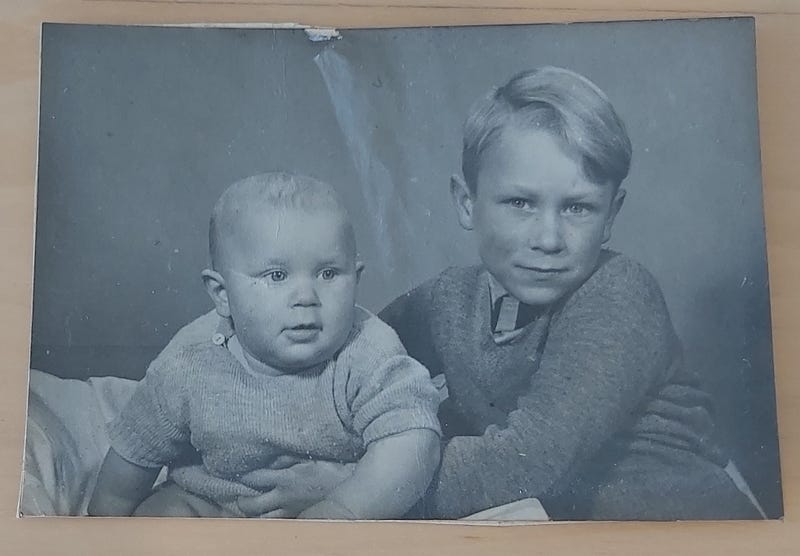
The text reflects on the nostalgic and bittersweet memories of two brothers who shared secretive midnight feasts in their youth, which became a cherished bond, despite their growing differences and eventual separation by life's circumstances.
Abstract
The passage titled "Our Midnight Feasts" evokes a poignant memory of childhood for the narrator, who recalls clandestine late-night snacks of donuts shared with an older brother. The brothers, separated by a five-year age gap that felt more significant, were never close friends but maintained a brotherly bond. As they grew into men, their relationship was marked by the natural ebb and flow of life's changes, with communication shifting from letters to postcards and the physical distance between them increasing. The sudden news of the brother's passing triggers a flood of memories, taking the narrator back to the innocent joy of their shared sugary indulgence, a secret pleasure that stood out as a high point in their relationship. The narrative concludes with the narrator mourning the loss of his brother and the end of their shared tradition of midnight feasts, leaving only fading memories of their time together.
Opinions
- The author conveys a sense of nostalgia and fondness for the childhood moments shared with a sibling, highlighting the simplicity and joy of those times.
- There is an underlying tone of regret for the lost opportunities to strengthen the bond between the brothers due to their age difference and personality clashes.
- The transition from childhood to adulthood is depicted as a factor that naturally distances siblings, both emotionally and physically.
- The telegram announcing the brother's death serves as a stark reminder of the finality of loss and the preciousness of shared memories.
- The act of eating donuts under the bedclothes is symbolic of the intimate and unspoken understanding that can exist between siblings, despite not being particularly close.