avatarJennifer Geer

Free AI web copilot to create summaries, insights and extended knowledge, download it at here

2582

Abstract

3-billion-by-2025">5.3 billion in 2018 to 13.3 billion by 2025</a>.</li><li><b>California almond orchards are a monoculture environment.</b> Bees need biodiversity to stay healthy, but they aren’t getting it on large commercial farms. <a href="https://phys.org/news/2018-08-loss-biodiversity-exacerbates-pressures-social.html">A study conducted by scientists at the University of Würzburg found that monoculture in agriculture may be a contributing cause of the worldwide bee decline</a>. Unfortunately, the bees that pollinate California almond orchards are expected to continue pollinating the same orchards and the same trees year after year.</li><li><b>Widespread use of pesticides</b>. Almond trees get doused with large amounts of insecticide to ward off pests. Glyphosate, otherwise known as Roundup is widely used on the almond farms. <a href="https://www.npr.org/2018/09/25/651618685/study-roundup-weed-killer-could-be-linked-to-widespread-bee-deaths">Roundup has been found to cause cancer in humans and death in bees</a>.</li><li><b>Almond pollination is demanding for the bees.</b> Bees must begin pollinating almond trees about two months earlier than they would naturally wake up from their winter hibernation. And almond trees need huge amounts of bees for pollination, more so than other crops. This means a lot of bees concentrated in one area, easily spreading disease to each other.</li></ol><figure id="ecfc"><img src="https://cdn-images-1.readmedium.com/v2/resize:fit:800/1*5FMq-30K4KZ9kjX2osEkVQ.jpeg"><figcaption>Photo by <a href="https://unsplash.com/@anniespratt?utm_source=unsplash&amp;utm_medium=referral&amp;utm_content=creditCopyText">Annie Spratt</a> on <a href="https://unsplash.com/s/photos/bee-hive?utm_source=unsplash&amp;utm_medium=referral&amp;utm_content=creditCopyText">Unsplash</a></figcaption></figure><h1 id="112e">What can be done?</h1><p id="ca81">This issue is more complex than simply telling the public to stop consuming almonds. The almond industry is huge, if it suddenly stopped, it wouldn’t just be almond farmers out of work, many commercial beekeepers would be put out of business as well. Selling honey doesn’t pay as well as renting bee colonies out to the farms. But with the death of a third of their workforce every season, they are in a constant battle to keep their bees alive.</p><p id="c1ba">It’s in the best interest of the almond farmers to keep the bees healthy as well. After all, there wouldn’t be almonds without the bees. But the traditional way that we farm is destructive to the environment and the species liv

Options

ing within it. Changes need to be made to commercial agriculture or the bees will continue to decline.</p><h1 id="2a3d">And changes are being made.</h1><ul><li>The almond industry is working on growing trees that require fewer bees to pollinate per acre.</li><li>California has the <a href="https://californiaagtoday.com/bee-where-program-keep-bees-safe-spring/">Bee Where</a> initiative to help the bees. It requires beekeepers to register where their hives are, and farmers to notify the county before spraying pesticides.</li></ul><h1 id="4844">What can you do?</h1><p id="83c7">Stopping consuming all almonds is neither practical nor necessary. But we could do our part by diversifying the type of milk we drink. There are many sustainable alternatives to cow’s milk besides almond milk such as coconut, hemp, and pea protein.</p><p id="4b6a">Even better, you can look for products that carry the <a href="https://beebettercertified.org/">Bee Better Certified seal</a>. The Xerces Society is a non-profit group that helps biodiversity of the almond farms by planting wildflowers between rows of almond trees.</p><p id="0cbb">You can also shop for organic almonds. Organic almond farmers in California tend to be much smaller than the big industrial farms. They don’t use dangerous pesticides, allowing their orchards to be full of biodiversity.</p><figure id="e459"><img src="https://cdn-images-1.readmedium.com/v2/resize:fit:800/1*LCOuO5NOq65gV0uoqiffNA.jpeg"><figcaption>Photo by <a href="https://unsplash.com/@8moments?utm_source=unsplash&amp;utm_medium=referral&amp;utm_content=creditCopyText">Simon Matzinger</a> on <a href="https://unsplash.com/s/photos/bees?utm_source=unsplash&amp;utm_medium=referral&amp;utm_content=creditCopyText">Unsplash</a></figcaption></figure><p id="7719">Without the bees, we would struggle to feed the world’s population. It’s pretty simple, the honeybees pollinate crops, the crops need it to grow fruit and vegetables. If you’ve ever read Barbara Kingsolver’s <i>The Poisonwood Bible</i>, you know that the Baptist missionary learned this lesson the hard way. He struggled to grow crops in Africa, thinking it would be easy. But everything he grew withered and died without the honeybee.</p><p id="35a0">We need to do what we can to protect the bees. For so long humans have treated the earth and the creatures on it as if everything is here to serve us. But with new understanding comes a different approach to how we treat the planet and everything living on it. We can turn this all around if we make the effort to try.</p></article></body>

Our Love of Almond Milk is Killing the Bees

Almond orchards need lots of pollinating bees to thrive, but it’s hard work for the bees.
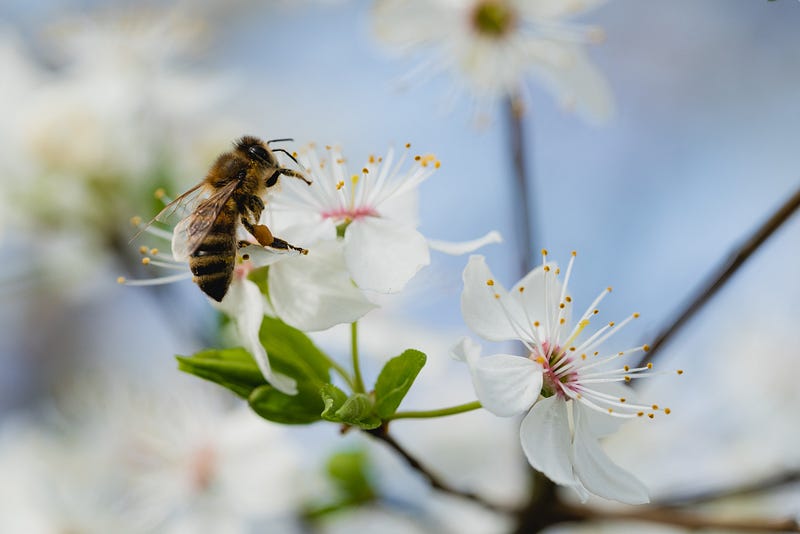
Photo by Patrick Brinksma on Unsplash

According to a recent report from The Guardian, the booming almond business in California is a leading cause of death to America’s honeybee. The Guardian reports that over 50 million bees died last winter. This is a third of bees from all commercial US colonies. The Guardian is not the first to report on the danger to bees due to almond farming. In 2014, The Atlantic mentioned it in The Dark Side of Almond Use.

Environmental experts believe that the largest risk to the bee population comes from traditional agricultural practices, including the widespread use of pesticides. Almond orchards use pesticides that are labeled as bee-friendly. Yet, they can weaken the bees’ immune systems and make them sick. They may survive pollination season, but they go home to spread illness and chemical substances back to their hives.

The bees that keep the almond orchards going come from commercial beekeepers. Beekeepers make a lot more money by renting out their bees to large farms than they do by selling honey. But the sad truth is that the farmers are experiencing devastating losses to their bee populations.

Why is almond farming particularly dangerous to bees?

  1. The popularity of almonds. The California almond business is booming. Since 2000, the amount of almond orchard acreage in California has gone from 510,000 to an estimated 1.17 million in 2019. Almond milk plays a big role in this, the market is expected to grow from $5.3 billion in 2018 to $13.3 billion by 2025.
  2. California almond orchards are a monoculture environment. Bees need biodiversity to stay healthy, but they aren’t getting it on large commercial farms. A study conducted by scientists at the University of Würzburg found that monoculture in agriculture may be a contributing cause of the worldwide bee decline. Unfortunately, the bees that pollinate California almond orchards are expected to continue pollinating the same orchards and the same trees year after year.
  3. Widespread use of pesticides. Almond trees get doused with large amounts of insecticide to ward off pests. Glyphosate, otherwise known as Roundup is widely used on the almond farms. Roundup has been found to cause cancer in humans and death in bees.
  4. Almond pollination is demanding for the bees. Bees must begin pollinating almond trees about two months earlier than they would naturally wake up from their winter hibernation. And almond trees need huge amounts of bees for pollination, more so than other crops. This means a lot of bees concentrated in one area, easily spreading disease to each other.
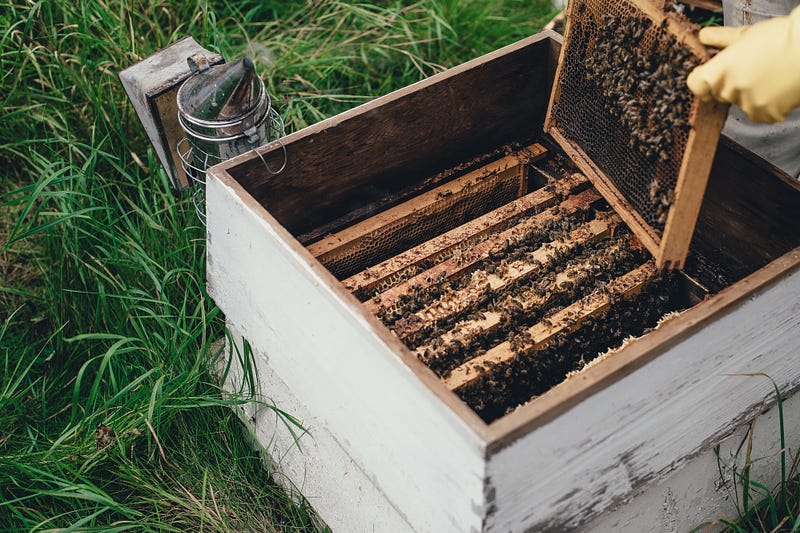
Photo by Annie Spratt on Unsplash

What can be done?

This issue is more complex than simply telling the public to stop consuming almonds. The almond industry is huge, if it suddenly stopped, it wouldn’t just be almond farmers out of work, many commercial beekeepers would be put out of business as well. Selling honey doesn’t pay as well as renting bee colonies out to the farms. But with the death of a third of their workforce every season, they are in a constant battle to keep their bees alive.

It’s in the best interest of the almond farmers to keep the bees healthy as well. After all, there wouldn’t be almonds without the bees. But the traditional way that we farm is destructive to the environment and the species living within it. Changes need to be made to commercial agriculture or the bees will continue to decline.

And changes are being made.

  • The almond industry is working on growing trees that require fewer bees to pollinate per acre.
  • California has the Bee Where initiative to help the bees. It requires beekeepers to register where their hives are, and farmers to notify the county before spraying pesticides.

What can you do?

Stopping consuming all almonds is neither practical nor necessary. But we could do our part by diversifying the type of milk we drink. There are many sustainable alternatives to cow’s milk besides almond milk such as coconut, hemp, and pea protein.

Even better, you can look for products that carry the Bee Better Certified seal. The Xerces Society is a non-profit group that helps biodiversity of the almond farms by planting wildflowers between rows of almond trees.

You can also shop for organic almonds. Organic almond farmers in California tend to be much smaller than the big industrial farms. They don’t use dangerous pesticides, allowing their orchards to be full of biodiversity.
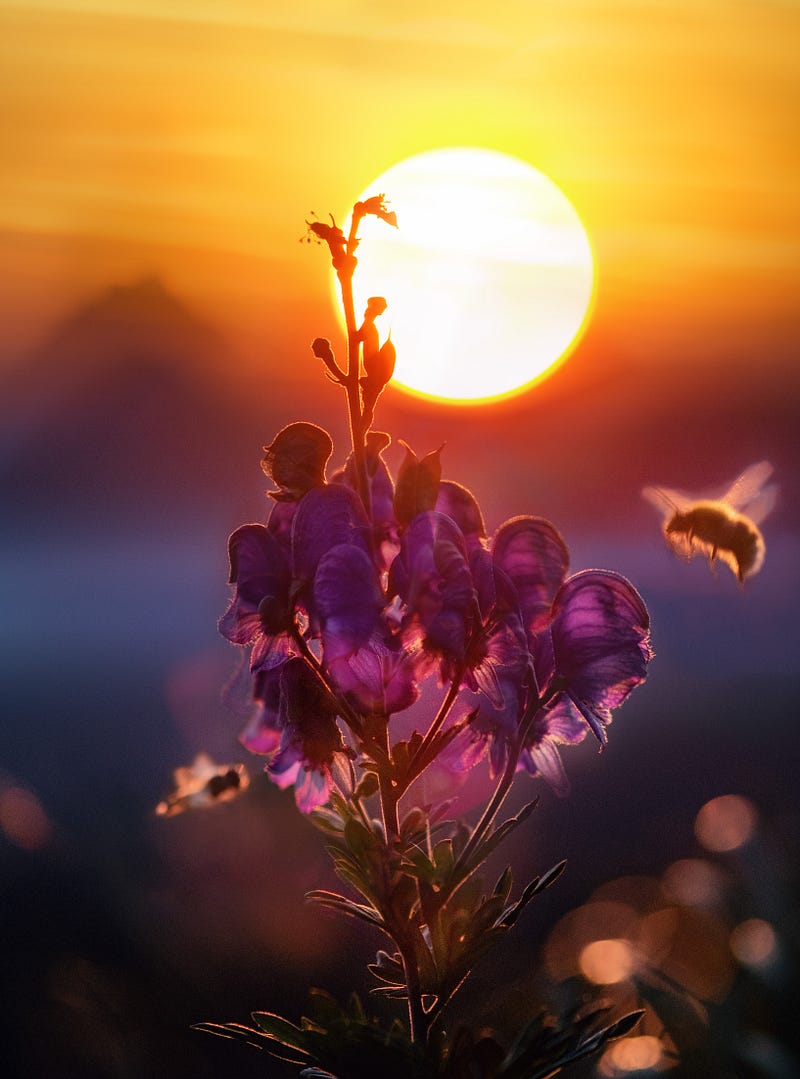
Photo by Simon Matzinger on Unsplash

Without the bees, we would struggle to feed the world’s population. It’s pretty simple, the honeybees pollinate crops, the crops need it to grow fruit and vegetables. If you’ve ever read Barbara Kingsolver’s The Poisonwood Bible, you know that the Baptist missionary learned this lesson the hard way. He struggled to grow crops in Africa, thinking it would be easy. But everything he grew withered and died without the honeybee.

We need to do what we can to protect the bees. For so long humans have treated the earth and the creatures on it as if everything is here to serve us. But with new understanding comes a different approach to how we treat the planet and everything living on it. We can turn this all around if we make the effort to try.

Bees
Sustainability
Environment
Food
Nature
Recommended from ReadMedium