Our history with our mini dinosaurs
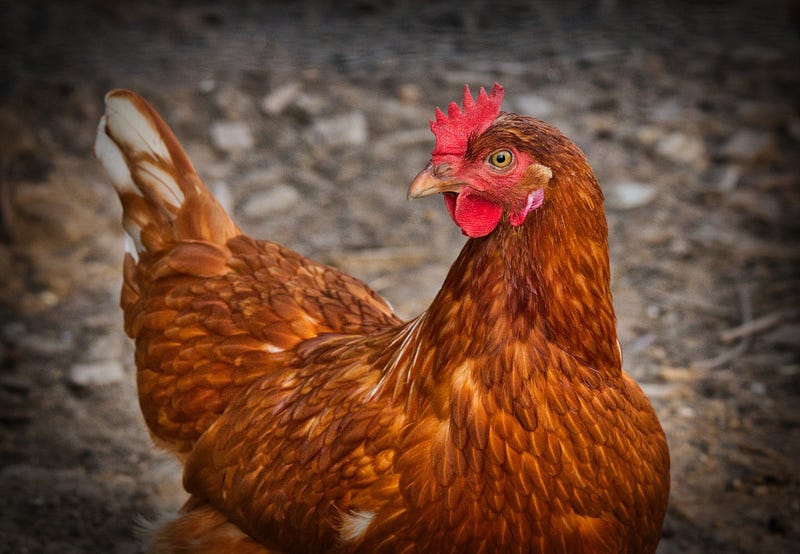
We’ve kept dinosaurs for many years. Yes, we know they’re correctly called hens, but along with all birds, they’re descendants of the flying dinosaurs. If you doubt it, just watch a threadbare chicken chasing after food.
They and their kind ruled the Earth for millennia. Today they’re the world’s most successful bird in terms of numbers. That’s largely because of us humans and the way we exploit them. We’re really not very nice to them at all.
Where we live, conditions for battery hens are not as bad as they once were. In some countries, battery hens live in hell on Earth; in others they’re respected as living creatures.
Would they be so successful if we didn’t exploit them? I suspect not, though I guess they’d manage. You don’t hang around for millions of years without learning a trick or two about survival. Chances are they’ll outlast us.
Over the years we’ve had a mix of ages and breeds from a variety of sources ranging from ex-battery retirees to fancy breeds that we’ve ‘grown’ from our own eggs. Our dinos live in a converted polytunnel with an outside run. They have an array of old ladders on which to roost and nest boxes in which to sleep or lay eggs. At present they are all hens, no cockerels. They’re various ages ranging from middle-aged to geriatric. Not all of them lay eggs.
From the current flock of 17 we get anywhere from one to nine eggs a day. At the top end, we give away the surplus. At the bottom end, we stop eating eggs. If our hens aren’t laying, we tend not to bother. Shop eggs aren’t the same. I don’t really know why.
When our hens die of old age we bury them. We don’t eat them; that’s partly because a hen that has died of old age would be a tough prospect, but also we consider them family. They would show no such consideration to us. I’ve always known that if I should trip up in the run and knock myself out, they would have no qualms about feasting on me and leaving only bleached bones to be puzzled over by future archaeologists.
After more than 30 years of keeping mini dinosaurs, we have learnt a thing or two and have some tales to share.