
Our Dog’s End of Life Care
Adjusting to a New Era in a Pet’s Life
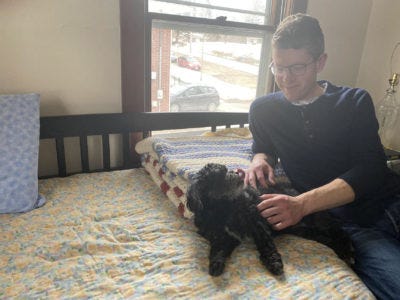
I wrote a blog post around 6 months ago about our dog, Molly. It’s time to provide an update.
Molly’s a cute, spunky Peekapoo who lived with my partner’s parents from the time she was a puppy. And then my partner and I welcomed Molly into our family in late 2020, after the death of her mother.
Molly was 13 years old when she came into our care. We’ve seen her through the last few years, and now she’s nearly 17.
But she’s not going to turn 17. Molly is approaching the end of her life. And we’re adjusting to a new era in the life of a pet — the era where we prepare for what life looks like after she’s gone. That has taken its toll, especially in the last couple of weeks. And especially on my partner, who sees Molly both as a pet and as a reminder of her parents.
Molly has a long list of health issues. I don’t even want to get into it. But in consultation with her vet, we have a care plan in place. Mostly the care plan involves administering pain medication, along with her usual regimented diet and eye drops. My partner, in particular, spends a large part of her day caring for Molly.
But the end result is one we already know. Molly’s remaining time with us will be measured in weeks and (perhaps) months, not years. Even though we always knew this time would come, there’s never really a way to prepare for it.
In our 3+ years with Molly, we’ve had many joyous moments with her. She was always playful with us, and she adopted us as her family as much as we adopted her as ours. Molly especially loves frolicking in a local park called Happy Hollow.
But, more than anything, I’m impressed by Molly’s resilience. Despite a million nagging health issues, small and large, she still approaches life with joy. When she falls, she gets back up. Even when she’s not feeling well, she eats and drinks.
You can learn a lot about basic life and happiness from a dog. I think that’s what I’ll remember about her after she’s gone.


