
Our Brains Are Mysteriously Shrinking and Deteriorating Prematurely
New evidence links modern lifestyles to brain atrophy and dementia
Bolivia’s indigenous Tsimane people are largely isolated from most modern conveniences. They farm, hunt and otherwise expend a lot of energy to survive, walking on average 17,000 steps daily. Anthropologists and other scientists have long puzzled over the fact that older Tsimane are much less likely to develop heart disease and dementia than people in Western societies.
New research on the Tsimane, along with separate new findings on dementia’s causes, help explain the mystery and offer a sobering commentary on the side effects of modern life.
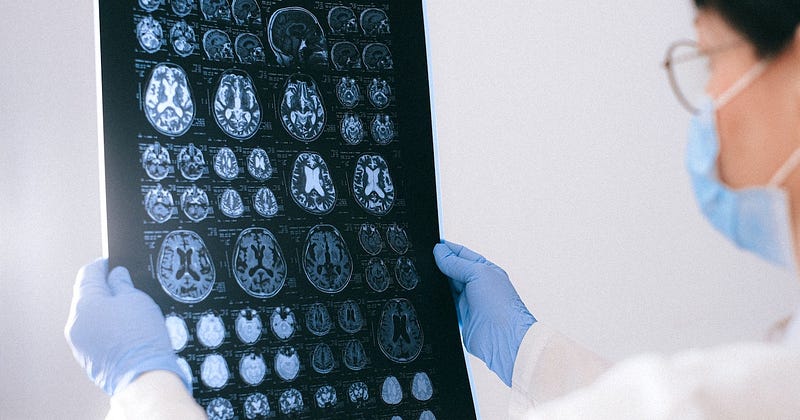
The first line of evidence involves the shrinking human brain, common with aging. Between ages 40 and 94, Tsimane brains shrink in volume by about 1.7% per decade, compared with more than 3% among people in Europe and the United States, according to an analysis of brain scans by Andrei Irimia, PhD, an associate professor of gerontology and biomedical engineering at the University of Southern California.
Irimia teamed up with other scientists to investigate what might be responsible for the significant gap. The apparent answer:
Excessive calorie intake and insufficient physical activity in modernized societies accelerate brain atrophy, the scientists concluded recently in the Proceedings of the National Academy of Sciences.
An energy imbalance
“Humans historically spent a lot of time exercising out of necessity to find food, and their brain-aging profiles reflected this lifestyle,” Irimia said.
Food cravings fostered evolutionary traits that served humans well way back when. But they work against those of us who now find modern life physically easier and food more plentiful. We sit more and move less. Yet the average American consumes 24% more calories than just six decades ago.
The healthy equation of energy in = energy out is all askew.

“During our evolutionary past, more food and less calories spent in getting it resulted in improved health, well-being and ultimately higher reproductive success or Darwinian fitness,” explained Irimia’s colleague, Hillard Kaplan, PhD, a professor of health economics and anthropology at Chapman University in California. “This evolutionary history selected for psychological and physiological traits that made us desirous of extra food and less physical work, and with industrialization, those traits lead us to overshoot the mark.”
We’re missing the sweet spot — a balance between eating and exerting — that could be the key to healthy aging, the scientists contend. Other research supports this idea. Calorie restriction — eating less than what’s common nowadays — slows aging, reduces the risk of dementia and numerous chronic diseases, and extends lives, as I’ve reported before.
Further research could bear out the “sweet spot” idea.
There is a wide range of brain-atrophy rates among industrialized populations, and some Westerners’ brains shrink at slower rates, similar to the Tsimane. Their secret might be higher levels of physical activity and fewer calories, Kaplan told me.
“A significant minority of people in industrialized populations maintain low amounts of body fat, exercise regularly, do not suffer from hypertension or obesity,” he said. “It will be interesting to focus on this subset of the population to determine rates of brain atrophy and cognitive aging. Our prediction is, and the existing literature suggests, that we would find similar benefits among those individuals.”
Weakness linked strongly to dementia risk, too
If the prospect of a shrinking brain doesn’t motivate you to lean into healthier behaviors, another new study might just lure you right out of your chair.
An analysis of data on 1,000 older women found the risk of developing dementia over 15 years was more than double in those who had weak grip strength at the start of the study, and also in those who were slowest in a timed test to get out of a chair, walk 10 feet (3 meters), return and sit back down. If those measures of capability decreased during the first five years of the study, dementia risk rose further.
“The exciting findings were that decline in these measures was associated with substantially higher risk, suggesting that if we can halt this decline, we may be able to prevent late-life dementias,” study team member Marc Sim, PhD, a research fellow in medical and health sciences at Edith Cowan University in Australia, said in a statement.
The findings would likely apply to men, too, as previous research including men had yielded comparable results, Sim said in an email.
The study does not prove lack of physical strength is directly related to mental decline. There are many factors at play, Sim and colleagues concluded last month in the Journal of Cachexia, Sarcopenia and Muscle. Strength can be a surrogate measure for heart disease, inflammation and physical frailty — all known to be dementia risks, Sim said.
Several other studies highlight the complex interplay between physical and mental health. In one study, the most active older men and women were found to have 1.4% more brain volume than the least active, with a biological age four years younger than their number of birthdays.
Grip strength, meanwhile, has previously been linked to longer life and greater late-life mental abilities. One study of middle-aged and older men and women linked muscle weakness to accelerated aging. In turn, accelerated aging raises the risk for diabetes, heart disease, disability and dementia.
“Grip strength is not just a proxy for overall strength, but also a good indicator of overall robustness and health,” said Mark Peterson, PhD, an associate professor of physical medicine and rehabilitation at the University of Michigan. “The stronger a person is relative to his or her body mass, the healthier and higher functioning that person is.”
What you can do
There’s no cure for Alzheimer’s disease or other dementias. But there are ways to reduce the risk of getting them and to slow the progression once a decline becomes noticeable.
“Regardless of what causes Alzheimer’s, if you are worried about the disease, then exercise,” Daniel Lieberman, a Harvard University evolutionary biologist and paleoanthropologist, writes in his book Exercised: Why Something We Never Evolved to Do Is Healthy and Rewarding. “Exercise is by far the most effective known form of prevention and treatment. Further, the results are impressive.”
Among the evidence:
- “Regular exercise can significantly reduce the risk of developing dementia by about 30%, one review of studies concluded. “For Alzheimer’s disease specifically, the risk was reduced by 45%.”
- Sedentary adults put on a program of moderate aerobic workouts, after six months, scored as though they were 10 to 20 years younger on cognitive tests, compared to a control group.
- Across all adult age groups exercise slows the reduction of brain volume and the decrease in gray matter, the stuff in the brain most commonly linked to mental decline and dementia.
We humans may be inclined (while reclined) to put off exercise and other healthy habits until some health problem forces new behaviors. But most age-related diseases of the brain and body likely result from a complex set of causes that take years to produce significant symptoms, Kaplan said. You may not know the damage you’re doing until things are serious.
The Tsimane, who maintain high activity levels throughout life, offer some perspective for anyone, young or old, who is still reading this while sitting down.
“All the data taken together suggest while it may never be too soon to get started, it is better late than never,” Kaplan said. “I would say that people should shoot for the most exercise that their time budget, body condition and psychology will allow.”
Related Resources:
- Ways to Lower Your Dementia Risk
- The Science of Living Forever (or a Really, Really Long Time)
- Weightlifting vs. Aerobic Exercise: Which is Best?
Your support makes my writing possible. You can sign up for emails when I publish on Medium, or join Medium via this link to directly support me and gain full access to all Medium stories, or get my book, Make Sleep Your Superpower. I post additional health news briefs on Mastodon. — Rob


