avatarAnant

Free AI web copilot to create summaries, insights and extended knowledge, download it at here

3276

Abstract

bersecurity-part-5-technology-and-cybersecurity-48bda703d05d"> <div> <div> <h2>Organization Cybersecurity Part 5: Technology and Cybersecurity</h2> <div><h3>This article is part of my Organization Cybersecurity series, this series has 12 parts, this a 5th article of this…</h3></div> <div><p>medium.com</p></div> </div> <div> <div style="background-image: url(https://miro.readmedium.com/v2/resize:fit:320/1*4uOCNkbN-6ysmCnPlsRrmA.jpeg)"></div> </div> </div> </a> </div><h2 id="0999">Incident Detection, Analysis, and Response</h2><figure id="0ee5"><img src="https://cdn-images-1.readmedium.com/v2/resize:fit:800/1*4oPsDXx6nbHOJAJu6TxkpQ.jpeg"><figcaption></figcaption></figure><p id="7715">A proficient incident detection, analysis, and response strategy is paramount to manage and mitigate the impact of an incident:</p><ul><li>Detection: Utilize a combination of technology (e.g., IDS, SIEM) and human oversight to promptly identify incidents.</li><li>Analysis: Once an incident is detected, the IRT should assess the scope, impact, and nature of the incident.</li><li>Response: This includes immediate actions to contain the incident, communication, and subsequent steps to eradicate the threat.</li><li>Containment: Implement short-term (immediate) and long-term (systematic) containment strategies to mitigate the impact and prevent further damage.</li><li>Eradication: Eliminate the root cause of the incident and validate systems for integrity.</li><li>Documentation: Maintain a meticulous record of all actions taken from detection to eradication.</li></ul><figure id="b0c0"><img src="https://cdn-images-1.readmedium.com/v2/resize:fit:800/1*FwT-d7p8h1NE8gUzOkw7yw.png"><figcaption></figcaption></figure><div id="f38c" class="link-block"> <a href="https://readmedium.com/organization-cybersecurity-part-2-understanding-cyber-threats-and-vulnerabilities-b6113b5c7e84"> <div> <div> <h2>Organization Cybersecurity Part 2 : Understanding Cyber Threats and Vulnerabilities</h2> <div><h3>This article is part of my Organization Cybersecurity, this series has 12 parts, this a 2nd article of this series.</h3></div> <div><p>medium.com</p></div> </div> <div> <div style="background-image: url(https://miro.readmedium.com/v2/resize:fit:320/1*e55lCKCQ2h8dMbOgehmLrw.jpeg)"></div> </div> </div> </a> </div><h2 id="34fd">Post-Incident Recovery and Lessons Learned</h2><figure id="c5bd"><img src="https://cdn-images-1.readmedium.com/v2/resize:fit:800/1*pj3j642_STQZRKCRfx1Ajg.jpeg"><figcaption></figcaption></figure><p id="e4b6">Recovery and reflection post-incident are pivotal to restore operations and enhance the organizational cybersecurity posture for the future:</p><ul><li>Recovery: Re-establish systems and validate security before resuming normal operations, ensuring no remnants of the threat remain.</li><li>Communication: Update stakeholders, ensuring transparency and managing reputational impact.</li><li>Lessons Learned: Conduct a r

Options

etrospective of the incident. Evaluate the efficacy of the IRP, identify areas for improvement, and implement changes to prevent reoccurrence.</li><li>Improvement Implementation: Act on the insights gained from the analysis and update the IRP, security policies, and preventive measures accordingly.</li></ul><figure id="a70a"><img src="https://cdn-images-1.readmedium.com/v2/resize:fit:800/1*FwT-d7p8h1NE8gUzOkw7yw.png"><figcaption></figcaption></figure><div id="3d85" class="link-block"> <a href="https://blog.stackademic.com/saml-2-0-vs-openid-connect-ef0b09aa8840"> <div> <div> <h2>SAML 2.0 Vs OpenID Connect</h2> <div><h3>Comparing SAML 2.0 and OpenID Connect: Understanding the Differences</h3></div> <div><p>blog.stackademic.com</p></div> </div> <div> <div style="background-image: url(https://miro.readmedium.com/v2/resize:fit:320/1*mi6TaWcbe0XcyU4JKHbEVg.png)"></div> </div> </div> </a> </div><p id="0c59">Incident Response and Management is a crucible in which the theoretical frameworks of cybersecurity policies and practices are stress-tested against real-world scenarios. As we progress into subsequent chapters, the themes of anticipation, preparedness, and continuous improvement will recurrently surface, highlighting the cyclic and evolving nature of cybersecurity management. Through detailed exploration and practical insights, we journey together towards crafting a resilient and adaptive cybersecurity posture, capable of not just withstanding, but also evolving through the challenges posed by the ever-dynamic cyber threat landscape.</p><figure id="aa7e"><img src="https://cdn-images-1.readmedium.com/v2/resize:fit:800/1*FwT-d7p8h1NE8gUzOkw7yw.png"><figcaption></figcaption></figure><div id="e145" class="link-block"> <a href="https://javascript.plainenglish.io/redux-middleware-8142ee87e7a7"> <div> <div> <h2>Redux Middleware</h2> <div><h3>Unlocking Powerful Features in Your Web Applications</h3></div> <div><p>javascript.plainenglish.io</p></div> </div> <div> <div style="background-image: url(https://miro.readmedium.com/v2/resize:fit:320/0*fn60Zm4lzC5LNryz)"></div> </div> </div> </a> </div><figure id="d441"><img src="https://cdn-images-1.readmedium.com/v2/resize:fit:800/1*QkQX4m_r1ev9zAnxNtB3rQ.png"><figcaption></figcaption></figure><div id="ce0e" class="link-block"> <a href="https://medium.com/@anant3104/subscribe"> <div> <div> <h2>Get an email whenever Anant publishes. Please Subscribe.</h2> <div><h3>Get an email whenever Anant publishes. Please Subscribe. By signing up, you will create a Medium account if you don't…</h3></div> <div><p>medium.com</p></div> </div> <div> <div style="background-image: url(https://miro.readmedium.com/v2/resize:fit:320/0*DoAS5InUzklykOst)"></div> </div> </div> </a> </div></article></body>

Organization Cybersecurity Part 8: Incident Response and Management

This article is part of my Organization Cybersecurity series, this series has 12 parts, this a 8th article of this series.

Preparing an Incident Response Plan
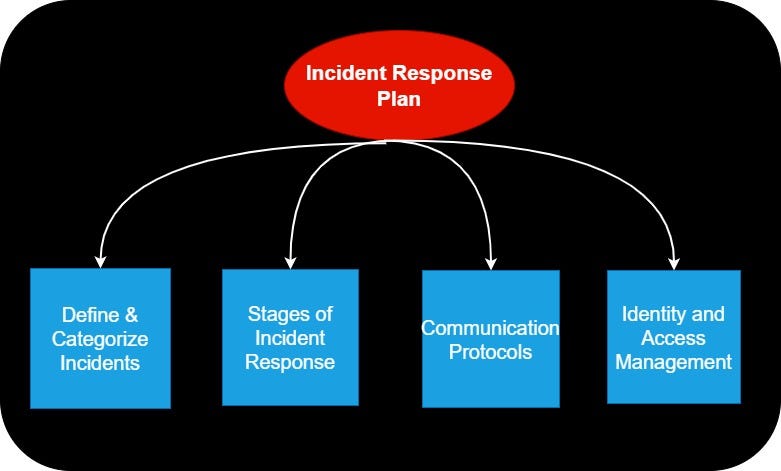
An Incident Response Plan (IRP) is a well-structured approach detailing processes to follow when a cybersecurity incident occurs. These incidents could range from a data breach to advanced persistent threats.

  • Define and Categorize Incidents: Develop clear definitions and categories for what constitutes an incident in the context of your organization.
  • Stages of Incident Response: Define and elaborate on each stage of the incident response, such as identification, containment, eradication, recovery, and lessons learned.
  • Communication Protocols: Outline how information about an incident should be communicated within the organization and to external stakeholders.
  • Roles and Responsibilities: Clearly delineate roles and responsibilities for all involved parties during an incident.

Roles and Responsibilities During an Incident
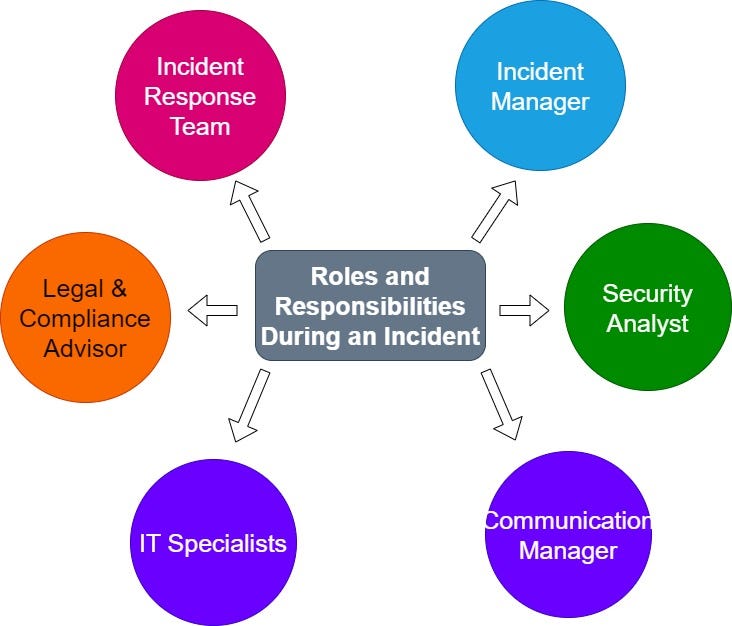
Every individual involved in incident response must have a clear understanding of their roles and responsibilities:

  • Incident Response Team (IRT): Designated individuals responsible for managing the incident.
  • Incident Manager: Oversees the response, making critical decisions.
  • Security Analyst: Investigates and analyzes the incident.
  • Communications Manager: Manages internal and external communication.
  • IT Specialists: Engage in containment and eradication activities.
  • Legal and Compliance Advisors: Ensure that incident response activities adhere to legal and regulatory requirements.

Incident Detection, Analysis, and Response
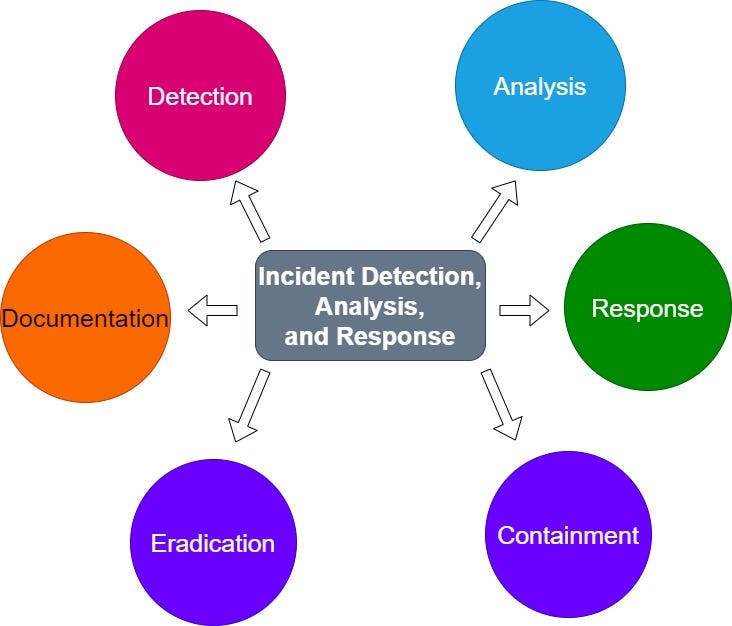
A proficient incident detection, analysis, and response strategy is paramount to manage and mitigate the impact of an incident:

  • Detection: Utilize a combination of technology (e.g., IDS, SIEM) and human oversight to promptly identify incidents.
  • Analysis: Once an incident is detected, the IRT should assess the scope, impact, and nature of the incident.
  • Response: This includes immediate actions to contain the incident, communication, and subsequent steps to eradicate the threat.
  • Containment: Implement short-term (immediate) and long-term (systematic) containment strategies to mitigate the impact and prevent further damage.
  • Eradication: Eliminate the root cause of the incident and validate systems for integrity.
  • Documentation: Maintain a meticulous record of all actions taken from detection to eradication.

Post-Incident Recovery and Lessons Learned
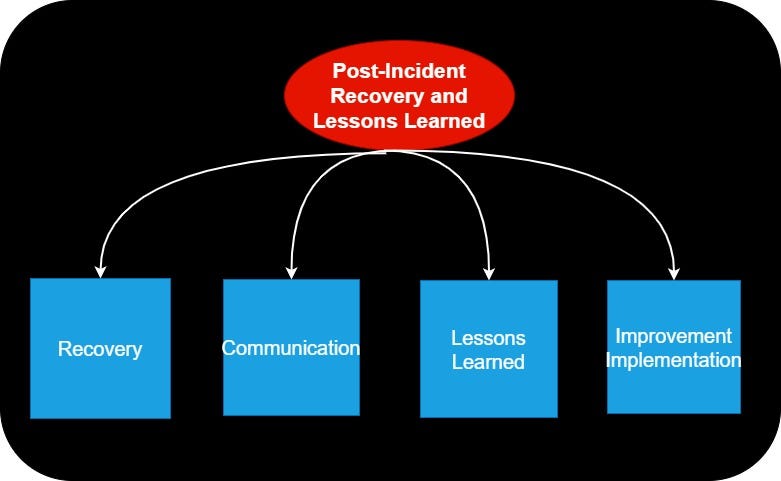
Recovery and reflection post-incident are pivotal to restore operations and enhance the organizational cybersecurity posture for the future:

  • Recovery: Re-establish systems and validate security before resuming normal operations, ensuring no remnants of the threat remain.
  • Communication: Update stakeholders, ensuring transparency and managing reputational impact.
  • Lessons Learned: Conduct a retrospective of the incident. Evaluate the efficacy of the IRP, identify areas for improvement, and implement changes to prevent reoccurrence.
  • Improvement Implementation: Act on the insights gained from the analysis and update the IRP, security policies, and preventive measures accordingly.

Incident Response and Management is a crucible in which the theoretical frameworks of cybersecurity policies and practices are stress-tested against real-world scenarios. As we progress into subsequent chapters, the themes of anticipation, preparedness, and continuous improvement will recurrently surface, highlighting the cyclic and evolving nature of cybersecurity management. Through detailed exploration and practical insights, we journey together towards crafting a resilient and adaptive cybersecurity posture, capable of not just withstanding, but also evolving through the challenges posed by the ever-dynamic cyber threat landscape.

Cybersecurity
Web Development
Cloud Computing
React Native
Business
Recommended from ReadMedium