
Monthly Challenge
Organic Was All I Knew
Until I emigrated and learned that organic isn’t the usual norm
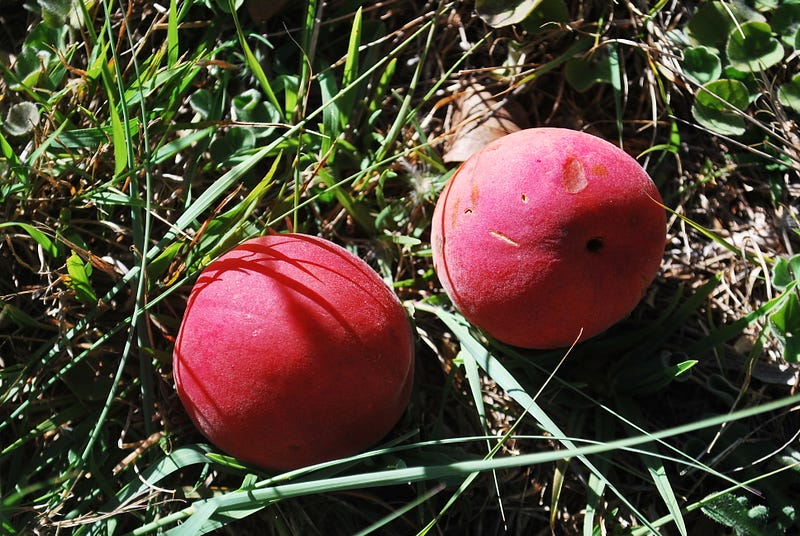
Some of you already know that I grew up in a country where food wasn’t granted, and you (or your parents) needed to be creative to ensure the family wasn’t left hungry. We were lucky; we lived on a one-acre property so we could grow our own fruit and vegetable. We also had chickens, turkeys and sheep, so our own eggs and meat.
Growing our own veggies
When the winter was coming to an end, my dad prepared a plan for the vegetable garden. First, he decided which veggies would be planted where and as soon as the snow was gone (towards the end of March), my dad dug the ground with a shovel to prepare it for planting. It was very hard labour, but my dad enjoyed doing it after work (he is an engineer by profession, so working in the garden was his daily workout).
At the same time, my mum took care of preparing seeds and seedlings. In spring, we would have plants like tomatoes, peppers, cucumbers and more growing in tiny pots on the windowsills in almost every room. We started sowing and planting seedlings into the ready soil when the weather finally got warmer. We had many various vegetables, from potatoes and corn to carrots and beetroots, to tomatoes, cucumbers, spinach, salads and herbs. Plenty of yummy strawberries too!
My sister and I had to help by weeding, watering and removing insects. Sometimes we also helped with fertilizing, which was natural as well. The manure from chickens was stored in an out-of-order bore, where it got mixed with water. Then we pour it into the gardens. We didn’t have any chemicals to spray the veggies, so protecting our goods was manual labour. I remember times when we had plagues of snails or Colorado potato beetle, and with my sister, every day, before or after school, we would collect and destroy hundreds of these insects. We won the battle against the intruder and always had plenty to harvest.
Our meals were always adjusted to the season. Instead of sending us to the supermarket to buy something, my mum sent us to the garden to collect the ingredients she needed for cooking.
Our fruity paradise
A large part of our garden was covered with enormous fruit trees. My great-grandparents planted these trees. In the old days, fruit trees were very tall and produced tons of fruit for decades. Actually, just in the last few years, the trees started to die as they are close to 100 years old, and my parents are removing them.
There wasn’t much work with the trees. They grew by themselves, and we just collected all the goodies. From late spring, when the first apples appeared on the trees, to the late autumn, when the world got covered with a blanket of snow, all our snacks were on the trees. When we felt like having something in between meals or some snacks, we climbed a tree, collected a few plums or cherries, a pear or an apple, and ate this. It was so juicy and sweet!
I always loved to read books and eat some snacks. I got some fruit from the garden, cut them into chunks and enjoyed them while lying on the grass and reading books. This was one of my favourite relaxation activities!
Sometimes we had desserts or cakes, but they were all based on fruits.
Autumn and preparation for winter
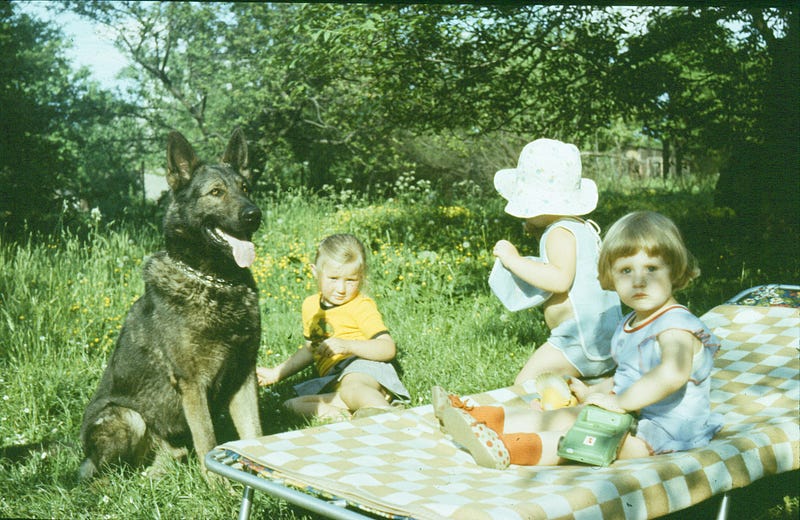
When the days got colder and the fruit ripe, we started preparing for winter. Actually, preserving fruit started earlier, as the trees produced so much fruit that we couldn’t eat everything. We processed the fruit as compotes, jams, or marmalade and stored it in glass jars in our cellar. All our products were made with minimal sugar because it was limited to 1 or 2 kg per month per person, and obviously, we couldn’t produce our own. If we wanted to have something sweeter, we just added pears or some other sweet fruit.
A lot of the fruit got dried as well. Our winter snacks were dried apples or pears (they were very sweet) or plums (my favourite) and, of course, plenty of nuts! I miss walnuts so much… I feel like I didn’t appreciate them enough when I could collect them in the garden. In Australia, these nuts are ridiculously expensive! Actually, all nuts here are so expensive…
Regarding our vegetable garden, we collected all veggies and stored them in the sand in special compartments in the cellar built by my dad. After everything was harvested, my dad manually ploughed the entire garden and enriched the soil with manure from the sheep. As far as I remember, garlic was planted in Autumn, so we placed it in the ground.
Onion and garlic were important in our culture because of their antibiotic properties and other health benefits. The medical system wasn’t good those days, so it was better to keep healthy and avoid the need for doctors. Throughout Autumn and winter, for dinner, we ate either bread with garlic or made milk mixed with garlic. And when some of us got a sore throat, my mum prepared a syrup from onions — a day or two later, we were back to good health.
Special treats from the forest
We lived in the mountains area, and both my parents are avid hikers. So we often went for endless walks in the forest. We packed thermos with black tea, sandwiches made out of bread and lard with onion and off we went.
In summer and autumn, the forest had plenty of food to offer, so we spoiled ourselves with endless delicious berries. What we couldn’t eat we collected in containers and processed when we were back home. Sometimes we returned with bags full of mushrooms, which we cooked for dinner or dried and stored for later.
Herbal teas were also an important part of our diet, and the forest offered plenty of varieties.
The food-shock after emigration
I will never forget my first visit to a fruit shop in Germany. I looked at all the perfect-looking fruits, thinking to myself, “Finally, I can eat the beautiful, perfect-looking fruit, not the ugly fruit from the garden. This fruit looks magnificent! All the apples and strawberries are the same size, unlike ours — one enormous, another tiny. They have to taste so much better!”.
I was living as an Au-pair with a well-off family, and spending money for food wasn’t an issue. I could buy whatever I wanted and as much as I wanted. So I bought bags and bags of various goodies and quickly went home to start relishing these specialties.
I bit into an apple and… “Oh, it has no taste at all… weird… Maybe I chose the wrong selection. Oh well, I’ll try this bright red strawberry; surely it will be sweet” I tried the strawberry, and I could eat a piece of plastic, and it would taste the same. Oh well, not everything that looks good tastes good! So I started avoiding the fruit I knew and ate only tropical fruit because I didn’t know how they should taste, so at least I wasn’t disappointed with every bite.
Sometime later, I started having weird allergic reactions. It turned out I needed to be careful what I ate because I didn’t tolerate well the chemicals some of the fruit and veggies were treated with.
The most hilarious experience, however, was when the family I lived with invited me to go with them to an expensive up-market restaurant. They ordered a super expensive appetizer and explained to me what a special treat it was. I looked at that and… “It looks like lard,” I said, perplexed. “Yes, it is lard! It’s a very special dish!” replied the mum.
I couldn’t believe it! Why would people pay so much money for the food of the poor?! We ate lard because we couldn’t get anything else. This was the cheapest fat you could get (or make)! And in Germany, they paid a fortune just for a couple of spoons! Crazy! Absolutely crazy! ; ) At that time, I was already vegetarian for a few years, so I didn’t eat the “special treat” — lol.
My life on the farm
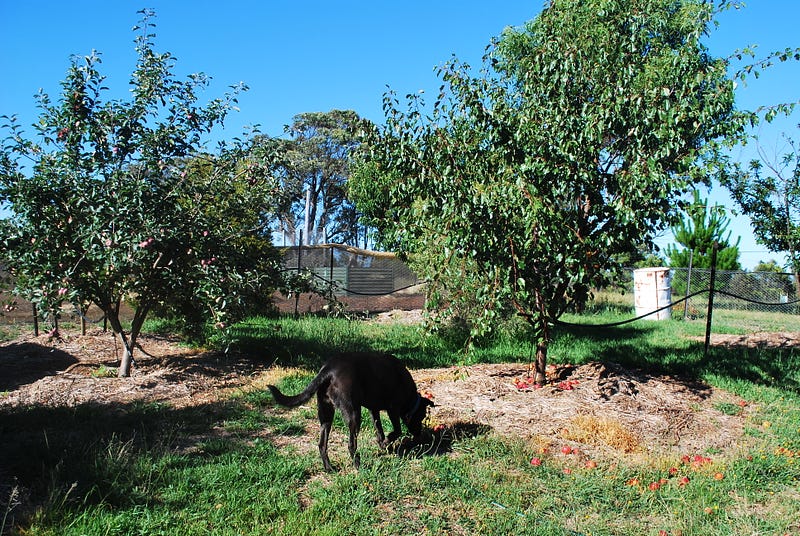
When I moved to the farm, we planted some fruit trees, and I hoped to have some organic food again. However, gardening in Australia turned out to be a bit more challenging than I thought. The climate here is very dry and often hot, so everything has to be watered with a huge amount of water. Additionally, we have millions of bugs and hundreds of animals competing for the goodies. In order to get any fruit, the trees would need to be protected by netting. I live in a stone-fruit growing area, and you will see hectares of land covered under nettings.
Oh well, at the moment, I can’t afford that, so… I’m relying on the birds to share the goodies with me, and sometimes I’m lucky ; )
And if not, then at least I can go to the local fruit shop and get the fresh produce from the local farms!
Enjoyed reading my story? Would you like to read more but can’t because you’ve hit the paywall? Sign up now for $5 a month and get unlimited access to more of my stories and lots of other inspiring stories! I will receive a portion of your payment, with zero extra cost for you.
I also have a blog featuring much more of my photos or you can find me on Quora, Instagram, Twitter or YouTube.


