
Oregano: 5 health benefits & 5 side effects (+ tips for use)
How healthy is oregano? What benefits does it have for the human organism?

Oregano, a popular herb, is not only a flavoring agent for Mediterranean cuisine, but it also contains healing properties. It is also a natural antibacterial. Learn about the health benefits of oregano and its uses.
Oregano is an aromatic herb that goes well with Mediterranean food, whether it be pizza, pasta, fish or meat. The herb has been used in cooking for only a short time, as its medicinal properties were emphasized for many years. It was a popular remedy in ancient times.
Oregano: Interesting Facts
Oregano: Interesting Facts
Oregano, a common herb used in many kitchens, has some unique properties. Learn some interesting facts regarding its appearance, taste and origin. You can also learn how to dry it yourself.
Origin and History
Oregano is originally from the Mediterranean because the conditions are ideal for its growth. The aromatic herb is also grown in other parts with temperate or warm climates such as Asia, Central America. North America and Europe.
Oregano has been used as a healing plant for centuries. Even the ancient Greeks were aware of its health benefits. The name is derived from the Greek words oros which means “mountain” and ganos meaning “joy”.
Oregano contains a lot of healthy essential oils. These are primarily composed of thymol, carvacrol and other substances. The herb also contains the powerful pain-relieving substance pcymene as well as vitamins B, C and K and minerals like iron, potassium calcium magnesium zinc. The herb’s bitter compounds and tannins also make it healthy.
Did You Know? This plant is only used as an herb for 300–400 years. It has become one of the world’s most popular herbs and modern cuisine cannot imagine it without it.
Appearance and taste
Appearance and taste
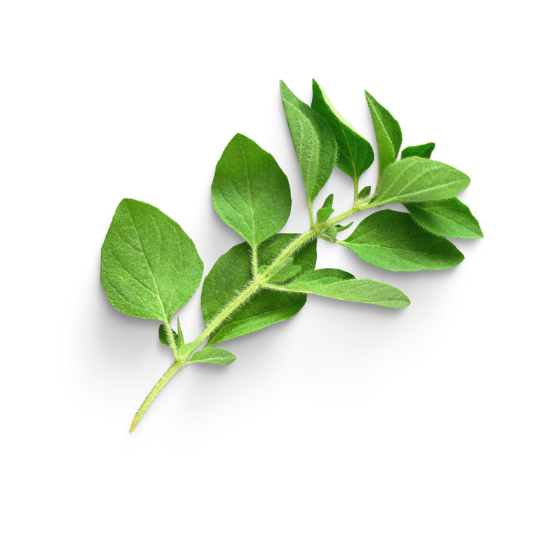
Oregano, also known as wild marjoram and origanum, is an herbaceous plant that grows up to 60 centimeters in height. The evergreen shrub has umbel-like inflorescences, on which it grows its leaves and flowers.
The leaves are oval or elongated and about three centimeters in length. The plant produces delicate flowers in panicles from late June through September.
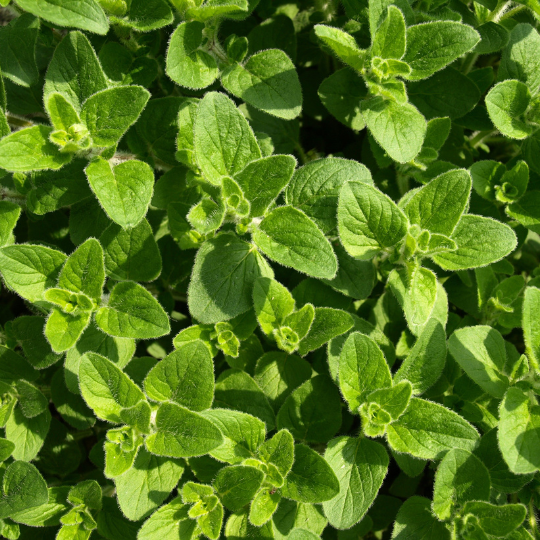
Both flowers and leaves have an aromatic scent that attracts insects like bees and butterflies. Fresh leaves and flowers can be used to flavour food or as a medicine. Traditionally, the leaves were picked and dried.
Oregano has a strong, pungent taste that is slightly bitter. This is intensified when it is dried as the essential oils are more concentrated. The dried herb is able to give dishes a sharp, delicate flavor even in small quantities.
The aromatic plant is distinguished by its intense flavor from the milder and sweeter cousin majoram. Both herbs are members of the Origanum family and look similar. Oregano is sometimes called wild marjoram. These are two completely different plants.
How to pronounce “Oregano
How to Pronounce “Oregano”
Oregano can be mispronounced. It is often mispronounced by people.
Some people emphasize the “A”, while others focus on the “E”, or the “O” in the second syllable.
As specified by the dictionary, the correct way to pronounce oregano would be with emphasis on the “E”.
Oregano: How to Grow it
Oregano: How to Grow it
It is easy to grow the aromatic herb in your garden or balcony. You can grow the herb from seed or purchase a small plant that you plant in a pot or patch in spring.
Oregano likes a sunny, warm location with a dry, well-drained ground. The more sunny and warmer the location, the stronger and better the flavor.
Perennial plants are hardy. If planted in a patch they only need to be protected by fir branches during very cold days. It is best to protect it from frost if it’s in a container.
The plant can be easily maintained by watering it moderately during long dry periods. You can pick new leaves and shoot tips throughout the growing season, from spring to autumn. It is best to harvest a large amount in July and August when the taste and healing properties are at their peak.
Harvesting the herb is best done in the afternoon on a dry and warm day. The plant will have the most aromatic scent at this time. Use scissors or a knife to cut the shoots about a palm’s width above ground level.
How to Dry Oregano
- Remove any damaged parts of the herbs and shake them to remove dirt or insects.
- Tie several shoots together into small bunches, and then hang them upside-down to dry. The temperature should be between 68degF — 86degF.
- When the leaves rustle and the stems snap when bent, you can stop the drying process.
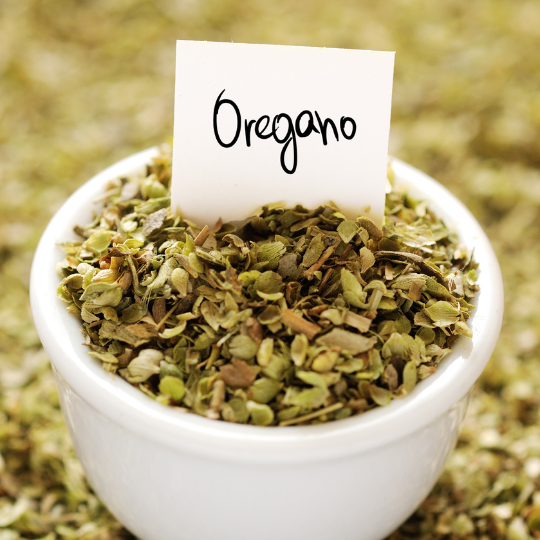
- After stripping the flowers and leaves from the stems, crush the whole thing.
- To preserve the aroma, store the herb in an airtight jar in a dark and cool place.
Calories and Nutritional Facts for Oregano
Check out our table of nutritional information below to learn more about the vitamins and minerals in oregano. You can also find out how many calories it contains.
Components 1 tsp Dried Oregano Leaves (1 g)
Calories 2.7 kcal Water 0.10 g Total Fat 0.04 g Total Carbohydrate 0.7 g Dietary Fiber 0.4 g Sugar 0 g Protein 0.1 g
Minerals Sodium 0.3 mg Potassium 13 mg Iron 0.4 mg Calcium 16 mg Magnesium 2.70 mg Zinc 0.03 mg
Vitamins Vitamin A 0.85 mcg Vitamin B3 (Niacin) 0.046 mg Vitamin B6 0.010 mg Vitamin E 0.18 mg Vitamin K 6.2 mcg
Oregano has many health benefits
Oregano has many health benefits
Oregano is used in folk medicine as a remedy since the Middle Ages. Aromatic oregano is known for its healing properties and can be used to treat a variety of illnesses.
Oregano Benefits for Respiratory Conditions
Oregano contains a lot of essential oils. About 85 percent are carvacrol and Thymol. They have shown to be beneficial for respiratory conditions.
Carvacrol is antibacterial, anti-inflammatory and has analgesic properties. It can also be helpful for coughs and throat pain.
Thymol is effective in treating colds that include a runny or stuffy nose, a cough and sinusitis.
It also relieves respiratory infections like tonsillitis and bronchitis. Even earache can be relieved by this herb, which kills bacteria and reduces pain while promoting circulation. It is also expectorant, which improves healing.
Oregano Benefits Cell Protection
Oregano Benefits Cell Protection
The medicinal herb is a powerful antioxidant that traps free radicals within cells, preserving them.
They can also trigger chronic diseases. Also, they can cause premature skin aging. The oxidative stress caused by excessive drinking, smoking and tanning makes it necessary to take antioxidants.
Oregano’s antioxidant properties, along with its phytochemicals, thymol, and carvacrol, can also inhibit cancer cell division and destroy tumor cells.
Oregano helps to control bacteria
Oregano is the strongest natural antibacterial. Oregano oil is a great alternative to people who are resistant to antibiotics.
In the last few years, we have seen a dramatic increase in pathogens with little or no resistance to antibiotics. The dreaded staphylococcal variant MRSA (methicillin-resistant Staphylococcus aureus), for example, can hardly be controlled, even in hospitals, and leads to many deaths.
Oregano contains the essential oils thymol and carvacrol, which are effective against many bacteria including MRSA. This is especially true when combined with blackcurrant.
Oregano helps with Gastrointestinal problems
Oregano Helps with Gastrointestinal Problems
Oregano has been proven to be a remedy for digestive problems. The medicinal herb is antispasmodic, promotes digestion and helps fight intestinal fungus.
Oregano essential oil promotes a healthy gut flora. It is anti-inflammatory, effective against parasites, removes yeast from the intestines and promotes blood flow.
It also stimulates gastric juice production, which is beneficial for digestion.
According to some, certain fibers found in the herb can bind toxin and bile in the digestive tract to allow them to be naturally excreted from the body. It is said that this herb can also lower cholesterol.
Top Tip: If possible, use oregano as a natural antibacterial, since chemical antibiotics may damage your gut bacteria over time. If you have a serious disease, it is best to consult your doctor first and ask if the herb can be used.
Oregano is beneficial for fungal diseases
Benefits of Oregano for Fungal Diseases
Oregano has been used for centuries as a home remedy to treat nail fungus, and yeast Candida, which can affect our mucous tissues in the genital region, mouth, throat, and intestines.
Oregano contains thymol, which has an antifungal effect. Carvacrol is also a component. Oregano oil is more effective than conventional antifungals because it does not cause yeast to become immune to its active ingredients. The oil is highly effective, even after prolonged use.
Use the essential oil to treat fungus both internally and externally.
Oregano is good for you?
Oregano is good for you?
Orgeano, as we have just discussed, has a number of health benefits. Oregano’s antioxidant and essential oil effects make it a healing herb. It helps to fight colds and bacteria, and protects cells.
It can be used for athlete’s feet and to soothe the stomach. Oregano has also analgesic, warming and anti-inflammatory properties. It is also expectorant, which helps treat coughs.
Oregano is a great addition to your recipes and your health.
Oregano, however, is not for everyone. Oregano has many benefits, but it also has some negative effects, especially for those who suffer from iron deficiency and take blood thinners.
Oregano Side Effects
Allergic Reactions as a Side Effect of Oregano
Oregano can sometimes have unpleasant side effects. We will explain below some of the possible risks associated with eating oregano.
Allergic Reactions
Oregano is a member of the Labiatae and can cause an allergic reaction. You should consult your doctor if you experience any symptoms of allergy, such as itching, rashes, or shortness in breath, after using oregano.
Iron Absorption Inhibition
Oregano oil is best taken two hours before or following a meal, as the herb can inhibit iron absorption. If you have an iron deficiency, this is particularly important.
Oregano Can Induce Labor in Pregnant Women
Oregano May Induce Labor in Pregnant Women
Oregano can cause premature labor if consumed in large quantities. Oregano oil and tea contain high levels of the herb.
It is important to consume a lot folic acid during pregnancy for your baby’s healthy development.
Oregano thins the blood
Oregano may worsen bleeding disorders if you are taking blood thinners. If this is the situation, it’s best to eat oregano in small quantities.
Oregano must be avoided at least two weeks before surgery if you have a bleeding disorder, or are taking medication such as heparin, warfarin or aspirin.
Oregano Contamination Can Cause Liver Damage
Oregano Contamination Can Cause Liver Damage
In the last few years, several reports have indicated that carcinogenic substances were found in dried oregano. As a result of these reports, a number of products on the shelves at our supermarkets were tested for harmful chemicals. The results were alarming.
In January 2020, many products, from well-known brands, were recalled. The samples were so heavily polluted with pyrrolizidinealkaloids (PA), that they posed a serious health risk to consumers. PAs are carcinogenic and can cause liver damage if they are consumed regularly.
This high contamination is caused by plants with similar appearances and weeds that have a high content of PA. Oregano does not, according to our current knowledge, produce PA.
Please take note: Since then, only few dried products were found to contain a high content of PA. However, by drying and growing the plant yourself you can eliminate any possible risk. Oregano oil is an alternative because it does not contain this problem.
What is the use of oregano?
Oregano is available as a dried herb, a plant or enriched essential oil. Oregano oil is also available in capsules, so you can get the exact dosage you need. Find out more about the benefits of oregano and how to use it.
Oregano tea for colds, digestive problems and loss of appetite
Oregano Tea for Digestive Problems
Oregano can be used to treat digestive issues, nausea, and respiratory problems such as a sore throat or cough. You can make the tea in a variety of ways.
Pour a quarter liter of boiling water over two to four teaspoons of dried oregano, or the same amount of fresh oregano. Let it sit for 5 to 10 minutes. You’ll have to strain out the herbs if you don’t own a tea infuser.
Tea has a characteristic tangy flavor. You can sweeten the tea with honey if you have a sore throat or cough. If you have digestive issues or a loss of appetite, it is best to drink the tea without sugar. Three cups of oregano can be consumed per day.
If you want to make a tea that is meant for gargling, rather than drinking, it’s best to use six teaspoons or three teaspoons dried oregano. Let the tea steep in a cup of oregano and water for ten minutes.
Gargle with lukewarm tee for several minutes, up to six times per day.
Oregano broth as a bath additive for colds
Oregano broth as a bath additive for colds
Oregano soup is an effective treatment for respiratory disorders. Essential oils are particularly good for respiratory complaints, colds, and rhinitis.
You will need approximately fifty grams of oregano dried to prepare a bath for a cold. Pour one liter boiling water on the herb, and let it steep for 15 minutes. Add the broth to a warm bath. After the bath, you should immediately go to sleep.
Tip: the broth is not only suitable for baths but is also an effective remedy for greenflies. Pour this, dilute the soup with more water and spray it on the plants.
Oregano essential oil benefits many ailments
Oregano Oil Benefits Many Ailments
Oregano is a particularly healthy oil. It can be used to treat a variety of illnesses. To get the most out of the essential oils, you need to buy high-quality products.
Mix a drop oregano with a neutral oil at a 1:10 ratio and massage it into the affected areas several times per day.
You can make a massage oil that is effective for muscle tension. Mix 15 drops of oregano with 100 ml of neutral massage oil. The oil mixture can be massaged into aching joints or tense areas several times per day.
Add up to five drops to one liter hot water if you are making a mixture for inhalation. Water should be heated to a minimum of 176 degrees Fahrenheit in order to get the maximum effect from the essential oils.
Add three drops of oil into a glass water, and rinse or gargle your mouth with it several times per day.
You can take a tablespoon daily of the mixture.
Oregano Oil Capsules: A Practical Alternative
Alternatives: Oregano Oil Capsules
Oregano capsules are nutritional supplements that provide valuable ingredients to your body. Oregano oil is in powder form, and they are high in essential oils.
These products are intended to boost your immunity, support digestion and stimulate metabolism. You’ll generally need to take between one and two capsules per day to reap these benefits.
Top Tip: If you dislike the taste of oregano, capsules are a great alternative. The capsules also allow you to choose the exact dosage you want.