
“Orchard — A Year In England’s Eden” by Benedict Macdonald and Nicholas Gates
A review by Wild River
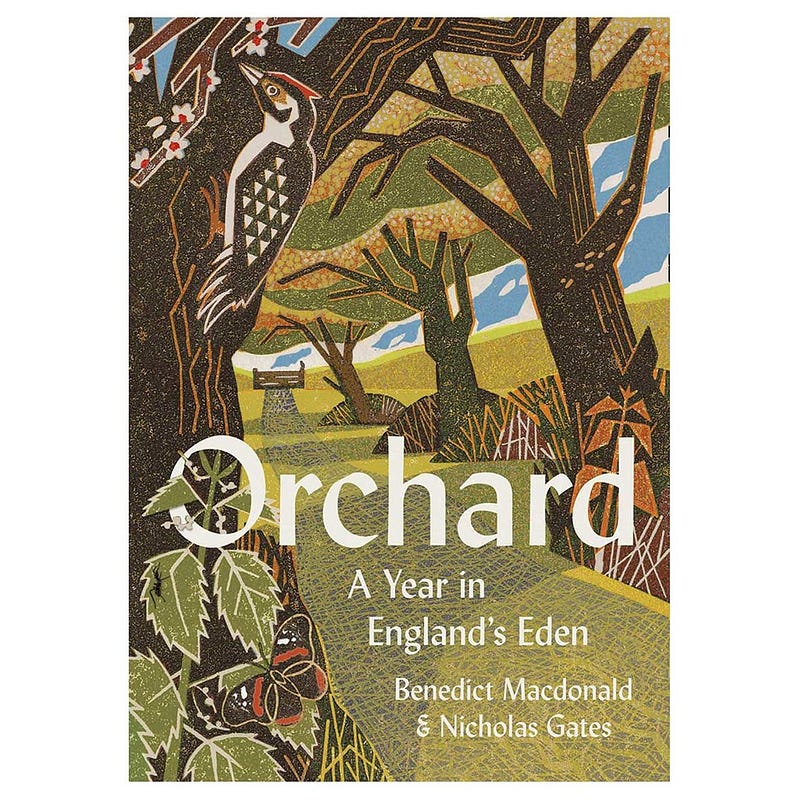
This book by Benedict Macdonald and Nicholas Gates, who spent a year in an ancient orchard, documents the flora and fauna in an extraordinary oasis of life, will appeal to anyone who loves biodiversity and wildlife.
The authors’ love of the natural world pours from the pages, as they describe how the orchard they fell in love with, changes each month and during the seasons.
The book is part diary, part nature journal, and displays an expert knowledge of their subject, which they are clearly keen to share with the reader, whether nature novice or expert. I recommended it to a friend whom I know loves wildlife, and she loved it.
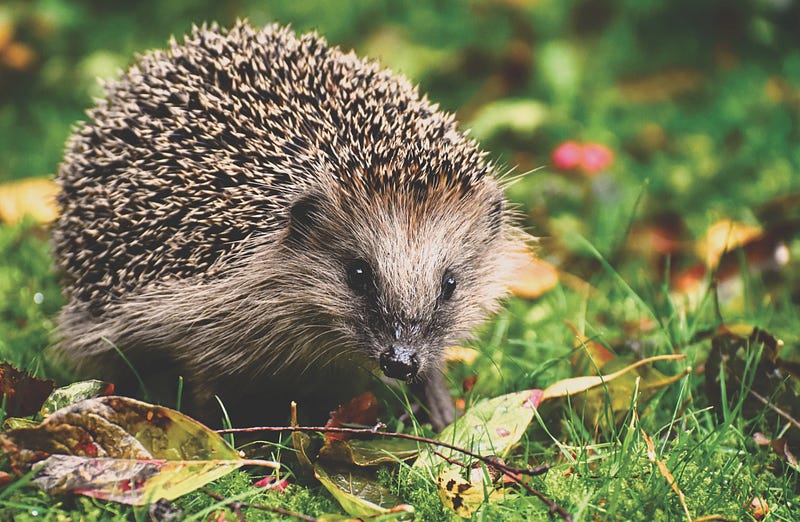
Older orchards, especially if not sprayed and over-maintained, and where dead branches are left for decay to take place, are well-known to be bio-diversity hot-spots, threatened like so much of our treasured world by the march of progress, now that so much of our food comes from supermarket and is flown in from around the world. They are often host to species on the Red List of endangered birds.
Orchards are places which, if managed with sensitivity, where we can work with nature, places where every niche from a broken branch or gap under the eaves of an outhouse, is filled with a creature looking for a home.
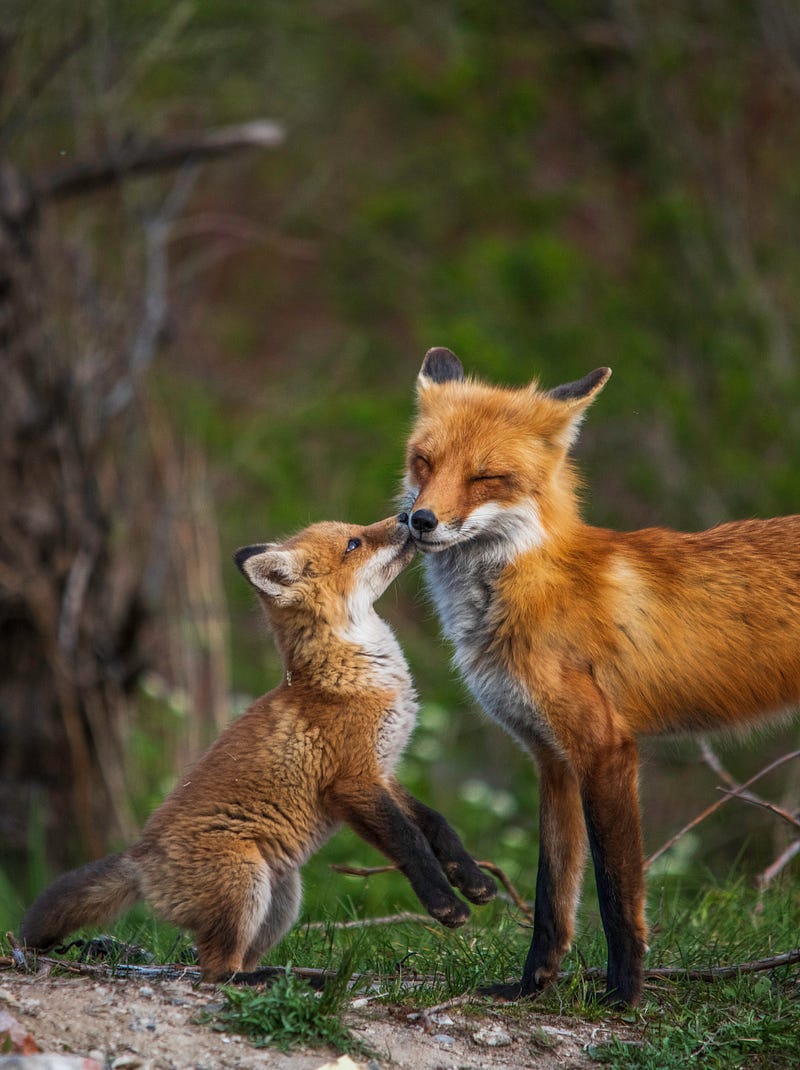
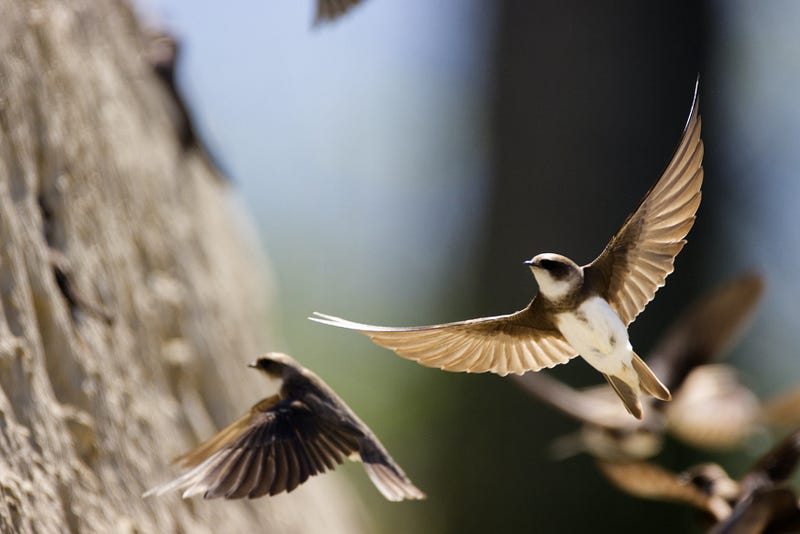
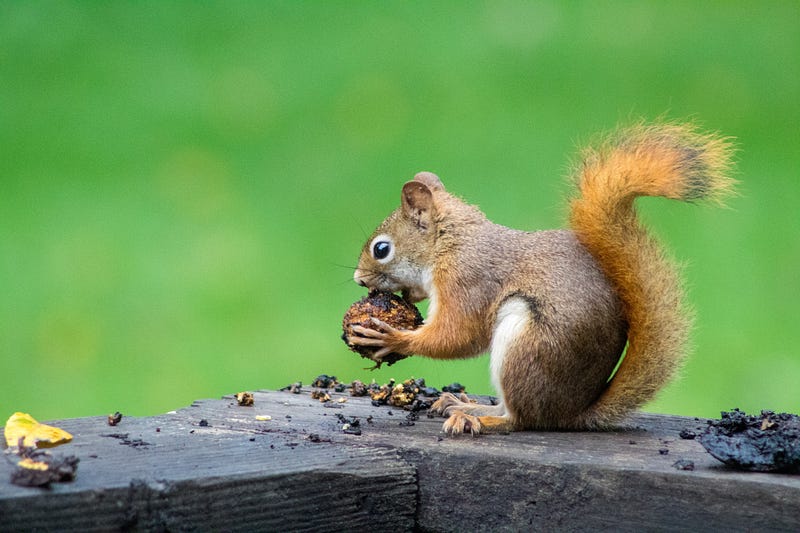
There arebirds like tree-creepers, wrynecks and woodpeckers, summer visitors like swallows, martins and swifts swooping on insects, winter visitors like redwings and fieldfares feeding on windfall fruit, rare insects, animals like hedgehogs, squirrels, doormice and foxes, reptiles like slow worms and adders.
Nature abhors a vacuum, so given a chance, it soon fills any gap, providing there are still places from which it can re-colonise, arks of life that linger on amid our over-developed and hectic modern world .
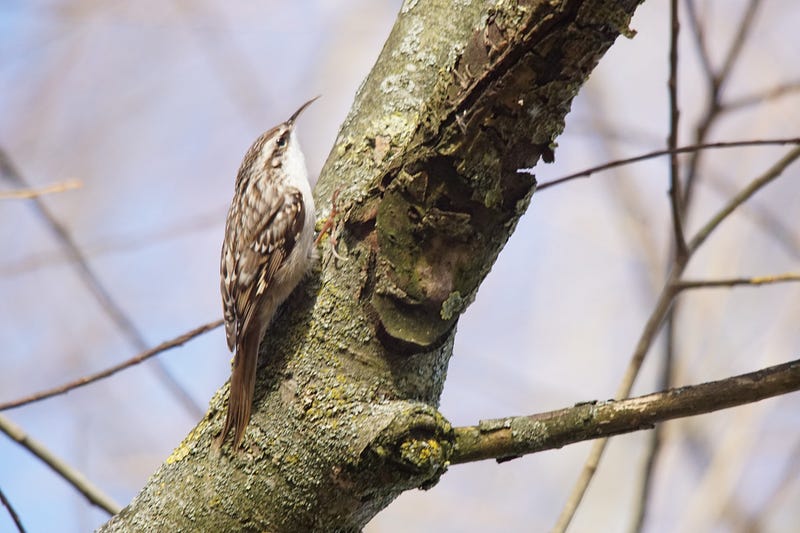
Orchards are a collaboration between humanity and the natural world, providing us with crops, and wildlife with a home to share, with pollinators working with us, a symbiotic relationship that works to mutual benefit, even more so when we can appreciate the beauty on our doorstep.
If we can rewild England’s orchards, favouring organic methods and harvesting with a balanced ecosystem in mind, not only wildlife but people will profit from this enrichment for centuries to come.
Hanging onto old orchards and even planting new ones, will help reduce food miles and improve our resilience to excessively long supply chains and global inflationary shocks.
There has been a resurgence in nature writing which this book is part of, perhaps suggesting that we recognise what we are at risk of losing and want to cling onto it through vicarious enjoyment through the pages of a book.
If you love the natural world, this book will not disappoint and is highly recommended.
It is a beautiful diary of a precious Eden in the heart of England’s countryside.


