
Opportunity: An Exhilarating Dance or a Missed Grief?
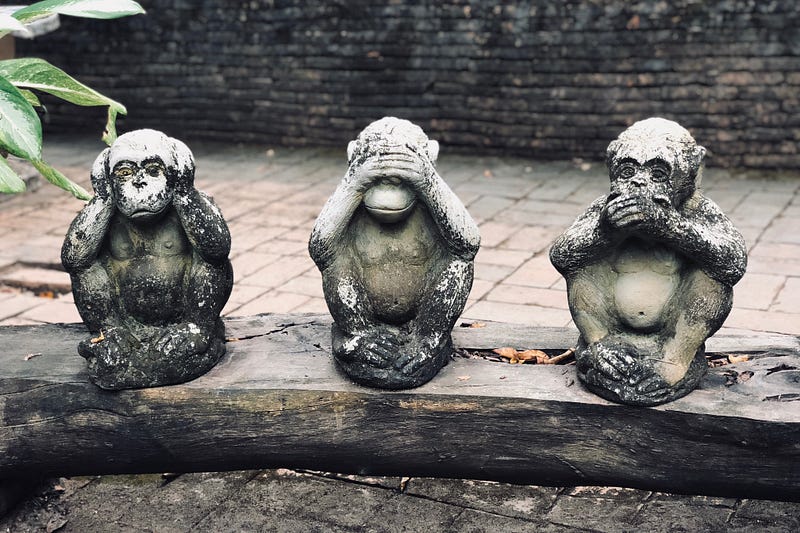
Opportunity is missed by most people because it is dressed in overalls and looks like work — Thomas A. Edison
We think of opportunity as glorious, and it is, but not like we give it credit for being. It isn’t something that dresses up, is painted like a masterpiece, or is suddenly in the spotlight.
Opportunity comes because of hard work. It doesn’t come to many because of a sudden invitation. Overnight success is a misguided concept. Success happens because we work many late nights and early mornings.
The reward for work well done is the opportunity to do more. — Jonas Salk
Success comes because we work relentlessly.
Success comes because we’ve worked our fingers raw, rolled in the dirt, and someone else notices something still shining through the grungy dread of it all.
Success is where preparation and opportunity meet — Bobby Unser
Before we go too far, let’s define opportunity. I like the definition from the Cambridge Dictionary best.
Opportunity: an occasion or situation which makes it possible to do something that you want to do or have to do.
Let’s keep it simple.
Opportunity: the chance to do something.
Probably something favorable, making the work that goes into the opportunity worthwhile.
How do you decide if an opportunity is worth taking?
- Will it develop skill or character?
- Are the benefits worth the time and trouble?
- How much time will it take?
A lot of things we say “yes” to are answered in form of cost. Not just monetary, but also at the cost of time. Once time is spent it cannot return. Time has standalone value.
There are 86,400 seconds in a day.
The number is high and seconds tick by quickly.
Kronos is a word you use when you talk about the clock. Words like “chronology” and “chronological” are derived from it. It is a word implying Order.
Kairos is a word for “time”, but it can be translated as “opportunity” or “chance”.
Let us consider the Opportunity Statue. I can’t find a royalty-free graphic to show it to you so put on your imagination hat and let’s manifest it in our minds together.
It is a statue that exists from Ancient Greece. Picture a white-ish common Greek God-like statue. It has long flowing hair over the face but is bald in the back. It represents opportunity. Opportunity is exciting and full of possibility from the front unless it has passed by, then it is bald — empty.
How do you avoid the regret of missed opportunity?
Wasting time
You can spend countless hours watching Netflix or on social media. It’s not likely those things will get you closer to achieving your goals. Opportunities are likely disappearing before you’ve ever noticed them.
Focus
If you are an entrepreneur or creative you are full of ideas. Ideas, the good ones, need to be stored while you pick one at a time. Focus on it until completion, then move on to another. Waiting doesn’t have to mean “no”. It can simply mean “later”.
Focusing on too many things at one time means no one idea gets completed well, or at all.
Fear
Fear creeps in when we don’t feel prepared. Many times it’s because we haven’t properly managed the task. Jon Acuff is known for saying cut the goal in half. Break the goal down into minuscule parts if you have to until you can act. Momentum, even in small steps is progress, and progress eliminates fear one step at a time.
Hang out with like-minded people
You are the average of the people you spend the most time with, so says Maarten van Doorn. I believe it. Who I hang with effects what I do. Being around people who are go-getters makes a difference. We can pursue different goals while holding each other accountable to meet personal goals.
Eliminate negative people from your life. Find a support system or a mastermind group. This network is critical to your success.
Wrapping it up
Once opportunity has passed you can’t grab it from behind. A leader makes good sense of time and leaves enough margin to collect an opportunity as it approaches.
You will become what you are becoming right now.
Opportunity dances with those already on the dance floor. — H. Jackson Brown, Jr.
(unless the music of opportunity has stopped playing).
Are you pleased with what you are becoming or do you need to make a change? Is it time to dance a new dance or play a new song?
What’s your next step?


📝 Read this story later in Journal.
🍎 Wake up every Sunday morning to the week’s most noteworthy stories in Wellness waiting in your inbox. Read the Noteworthy in Wellness newsletter.


