
Opium through History: From Euphoria to Controversy
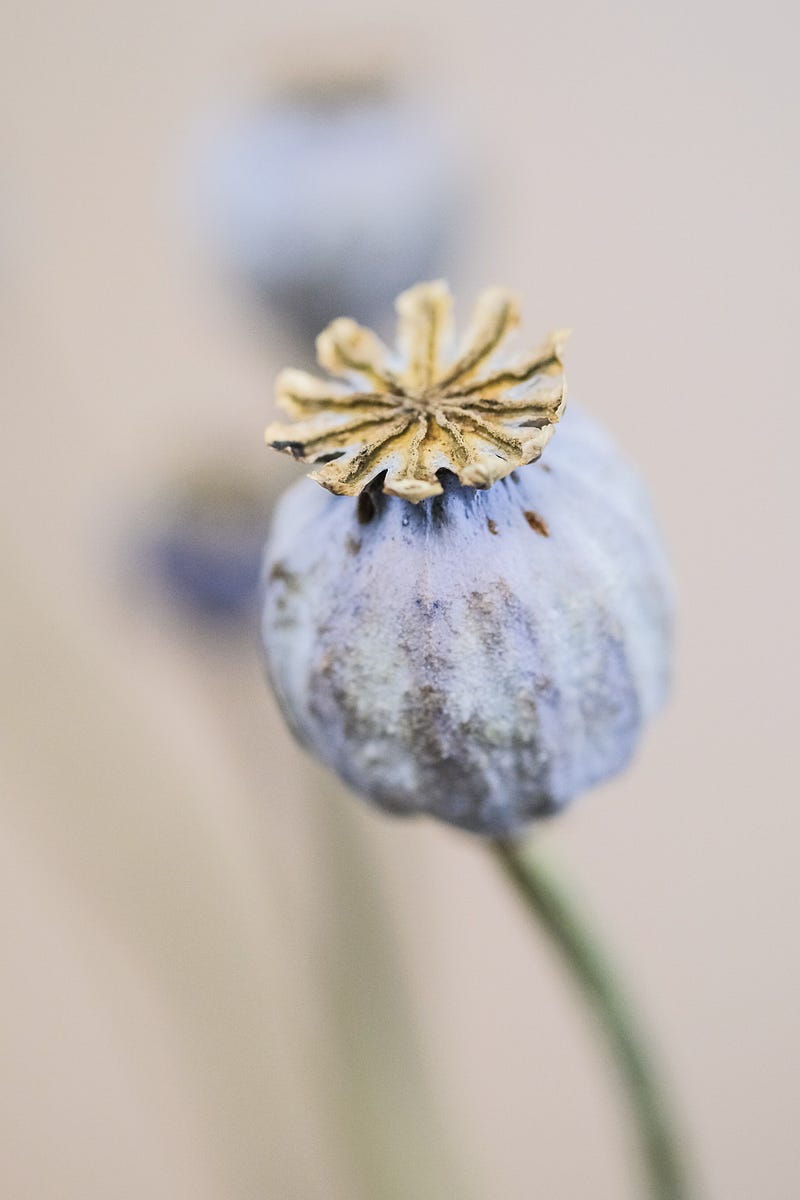
Opium, a potent substance derived from the poppy plant, has traversed the annals of history, leaving an indelible mark on societies worldwide. Initially embraced for its euphoric properties, opium found its place in ancient civilizations, including those of the Sumerians and Assyrians, who valued its medicinal and ritualistic significance.
As trade routes expanded, opium reached the Far East, becoming an integral part of traditional Chinese medicine. However, its darker side emerged during the 19th century when the British East India Company fueled a massive opium trade with China, leading to widespread addiction and social upheaval.
The 20th century witnessed the international efforts to control opium production, marked by the signing of the Opium Convention in 1912. Yet, the ensuing decades brought new challenges as opium became a pawn in geopolitical conflicts, notably during the Vietnam War.
In contemporary times, opium remains a subject of controversy, balancing its historical significance with the ongoing global struggle against illicit drug trade. From ancient rituals to modern dilemmas, opium’s journey through history epitomizes the complex interplay between euphoria and societal discord.Opium, a powerful substance derived from the poppy plant, has woven its way through the intricate fabric of human history, leaving an enduring imprint on diverse societies worldwide. This journey, spanning millennia, is characterized by the dual nature of opium — initially revered for its euphoric and medicinal properties, yet later condemned for the devastating social consequences it wrought. From ancient civilizations to the contemporary global struggle against illicit drug trade, opium’s odyssey is a testament to the complex interplay between euphoria and societal discord.
Ancient Civilizations: Opium’s Revered Beginnings
In the annals of ancient history, opium emerges as a revered substance, valued for both its medicinal and ritualistic significance. The Sumerians and Assyrians, among the earliest civilizations, recognized opium’s therapeutic properties and incorporated it into their medical practices. Opium, in its raw form, became a staple in ancient pharmacopoeias, offering relief from pain and various ailments.In the rich tapestry of ancient history, opium stands out as a substance of reverence, esteemed for its dual roles in medicinal healing and ritualistic practices. Among the earliest civilizations to recognize the therapeutic properties of opium were the Sumerians and Assyrians, contributing to its integration into their medical and cultural traditions.
The Sumerians, residing in the fertile lands of Mesopotamia around 3500 BCE, were pioneers in various fields, including medicine. Within their expansive pharmacopoeias, opium found a significant place. Recognizing its potent analgesic and sedative qualities, the Sumerians utilized opium to alleviate pain and treat a spectrum of ailments. Opium, in its raw and unrefined form, became a go-to remedy, offering relief to individuals grappling with various physical afflictions.
Similarly, the Assyrians, who succeeded the Sumerians in the same region, continued the legacy of incorporating opium into their medical practices. The ancient Assyrian medical texts, such as the famous Diagnostic Handbook, detailed the usage of opium-derived substances for treating diseases and alleviating suffering. Opium, with its powerful alkaloids, became a cornerstone in the Assyrian pharmacopoeia, symbolizing a bridge between nature’s gifts and human healing endeavors.
The therapeutic applications of opium in ancient times extended beyond pain relief. Its sedative properties were harnessed to induce sleep, and it was employed as an anxiolytic agent to soothe the minds of those afflicted by anxiety and mental distress. In this way, opium not only addressed physical ailments but also played a crucial role in early attempts to manage psychological well-being.
However, the significance of opium in ancient societies transcended its role in medicine. Ritualistic practices intertwined with the consumption of opium, creating a connection between the earthly and the divine. In various religious ceremonies, opium was believed to facilitate a communion with higher powers and induce altered states of consciousness. Its use in these sacred rituals added a layer of mysticism to opium, elevating it beyond its practical applications.
As trade routes expanded and cultural exchanges flourished, opium found its way to the Far East. In ancient China, opium became an integral component of traditional medicine. The Chinese, like their Mesopotamian counterparts, recognized opium’s potential for healing. The pharmacological knowledge of the Chinese combined with opium’s properties led to its integration into medical practices that aimed to restore balance to the body’s vital forces, or qi.
In China, opium’s use remained primarily medicinal, tightly regulated within the framework of traditional healing practices. The emphasis was on achieving harmony within the body rather than exploiting opium for recreational purposes. This period marked a phase where opium’s potential benefits were harnessed within the boundaries of cultural and medical wisdom.
In conclusion, the ancient civilizations of Sumerians and Assyrians laid the foundation for opium’s esteemed status in human history. Recognizing its therapeutic prowess, these early societies integrated opium into their medical practices, providing relief to individuals suffering from various ailments. The dual nature of opium, serving both medicinal and ritualistic purposes, reflects the intricate relationship between humanity and substances that, throughout history, have held the power to heal and transcend the physical realm.
Trade Routes and Opium’s Eastern Expansion
As trade routes expanded, opium found its way to the Far East, where it became an integral part of traditional Chinese medicine. In China, opium was initially regarded as a panacea, used to alleviate pain and treat various ailments. Its consumption was controlled and confined to medical contexts. However, the dynamics shifted dramatically during the 19th century.
The Dark Side Unveiled: Opium and the British East India Company
The 19th century witnessed a stark transformation in opium’s narrative, marked by its exploitation as a tool of profit by the British East India Company. In pursuit of economic gains, the Company fueled a massive opium trade with China, circumventing Chinese regulations. This illicit trade, exacerbated by the Opium Wars, led to widespread addiction and social upheaval in China, tarnishing opium’s once-sanctified image.
International Efforts: The Opium Convention of 1912
Amid the rising global awareness of opium’s detrimental effects, the early 20th century saw concerted international efforts to control its production. The Opium Convention of 1912, a landmark agreement, aimed to regulate opium and its derivatives, emphasizing the need for international cooperation. This marked the beginning of a collective endeavor to mitigate the social and health repercussions of unrestricted opium consumption.
Opium as a Geopolitical Pawn: The Vietnam War
The latter half of the 20th century witnessed opium becoming a geopolitical pawn, notably during the Vietnam War. The strategic importance of the Golden Triangle — a region overlapping Myanmar, Laos, and Thailand — in opium production became evident as various factions involved in the conflict sought to control and exploit the drug trade. Opium production flourished, contributing to the growth of the global narcotics trade.
Contemporary Dilemmas: Opium in the 21st Century
In the 21st century, opium continues to be a subject of controversy, navigating the delicate balance between its historical significance and the ongoing struggle against the illicit drug trade. While some regions still grapple with the consequences of opium cultivation, others explore controlled medical uses, such as opioid-based pain management. The global community faces the challenge of mitigating the negative impact of opium while recognizing its potential therapeutic benefits.

Opium’s journey through history is a multifaceted tale, reflecting the complexities of human interaction with substances that offer both euphoria and peril. From its revered beginnings in ancient civilizations to its exploitation as a geopolitical tool, opium has been both a remedy and a curse. The ongoing global struggle against illicit drug trade underscores the need for a nuanced approach that acknowledges opium’s historical significance while addressing the contemporary challenges it poses. In the tapestry of human history, opium’s thread weaves through moments of euphoria and discord, shaping societies and leaving an indelible mark on the collective human experience.


