Opinion: Donald Trump Is Never Going To Be The President Again
The factors blocking Trump’s unlikely presidential comeback
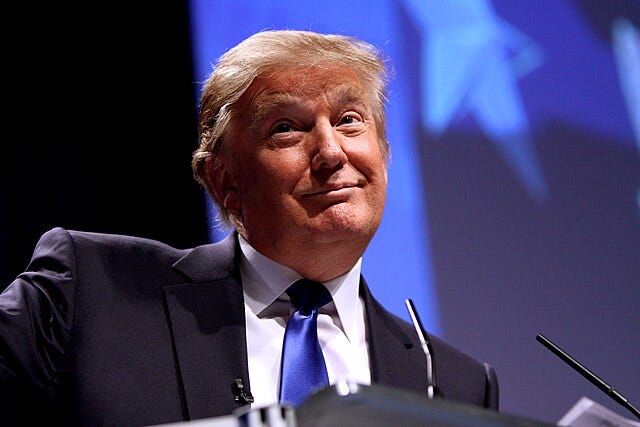

The notion of a former American president returning to the residence of the White House is not novel. In truth, this has happened on a number of occasions throughout history, most notably with Grover Cleveland (D-New York)— the 22nd and 24th president.
However, in Donald J. Trump Senior’s case, the prospect of a presidential comeback seems less likely. There are numerous legal issues, political polarisation, and controversies against the 45th President’s period in office that may become a hurdle in his potential return.
Why Was Trump’s Presidency Considered Problematic?
Trump — a businessman and reality TV star — surprised the world by winning the 2016 presidential election. His rise to the presidency was as unique as it was unexpected and brought a completely different style of leadership to the White House.
His approach came under scrutiny even before he was elected President, particularly due to his problematic style of communication. He frequently used social media — particularly Twitter — to convey his thoughts, policy changes, and critiques. This approach was seen as unfiltered and sometimes contentious, causing controversy and dividing public opinion.
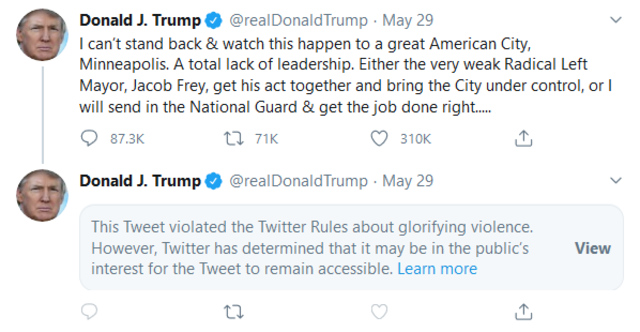
_Twitter_-_%D0%BF%D1%83%D0%B1%D0%BB%D0%B8%D0%BA%D0%B0%D1%86%D0%B8%D1%8F_%D0%BE%D1%82_2020-05-29.png)
Moreover, his stance on immigration raised concerns. Trump’s administration implemented policies like the ‘zero tolerance’ policy, which separated thousands of families at the U.S.-Mexico border. This decision faced widespread backlash for being inhumane.
To add to the inhumanity, Trump also imposed a travel ban on several Muslim-majority countries, which critics said was discriminatory and counterproductive to American values.
The way Trump’s government managed the COVID-19 pandemic drew criticism as well. From downplaying the severity of the virus to promoting unproven treatments, many believed that his administration’s response lacked scientific rigor and consistency. His reluctance to advocate for preventive measures like masks and social distancing also raised eyebrows, and showed his extreme lack of responsibility as a head of the state during a pandemic.
The Paris Agreement
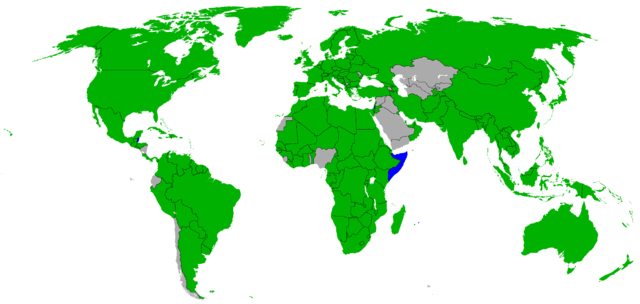
One of the most controversial moves by Donald Trump during his presidency was his decision to pull the United States out of the Paris Agreement. The Paris Agreement, signed by nearly every nation on Earth, is a pact to combat climate change. It set out ambitious goals to limit global warming and reduce greenhouse gas emissions.
Trump’s decision was based on his belief that the Paris Agreement was unfair to America. He felt it placed too much burden on the U.S. while letting other significant polluters off the hook. He also argued that it would hurt American jobs and industries, particularly in the fossil fuel sector.
The withdrawal from the Paris Agreement had significant implications. It isolated the U.S. on the global stage and sent a message that the country was stepping back from its commitment to fight climate change. This had a ripple effect, causing concerns about the overall tackling of the climate issue.

The decision was not well-received by a number of Americans, who saw it as a step back in addressing a critical global issue. Scientists and environmental advocates contended that the decision disregarded escalating dangers due to climate change, including the rise in sea levels and the heightened occurrence and intensity of extreme weather events.
Financial Misconduct
.jpg)
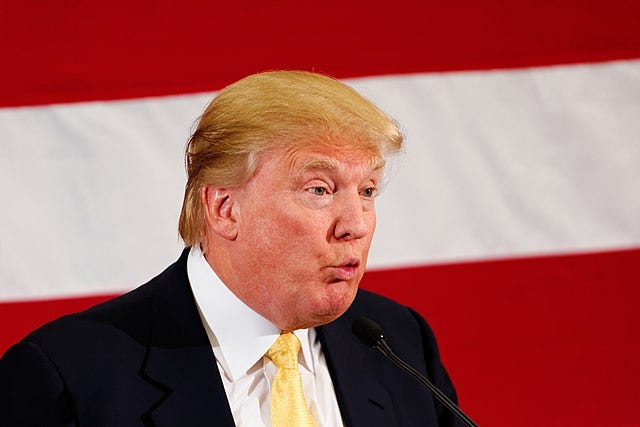
The Trump Organization and the Trump family’s business empire are currently under scrutiny. There are claims of tax fraud and potential insurance fraud. These allegations suggest that Trump may have manipulated financial records to his advantage.
The New York Attorney General’s Office has initiated legal action against Donald Trump and various family members, business associates, and enterprises. The lawsuit accuses them of a range of fraudulent activities and misleading statements related to financial documents.
Then, there is the concerning matter of obstruction of justice. This issue came up during the Mueller investigation. This was an inquiry into whether Russia interfered in the 2016 U.S. Presidential Election. The probe resulted in 37 formal accusations, seven admissions of guilt or court convictions, and convincing proof that the President hindered the course of justice several times. This is seen as a breach of trust that has discouraged his supporters, and has the potential to be a significant block in his upcoming elections.
Hush Payments To Stormy Daniels
Trump found himself in hot waters over supposed hush-money paid to Stephanie Clifford, aka Stormy Daniels. She was a porn actress who claimed to have had an affair with Donald Trump back in 2006 — the year he married his current wife, Melania.
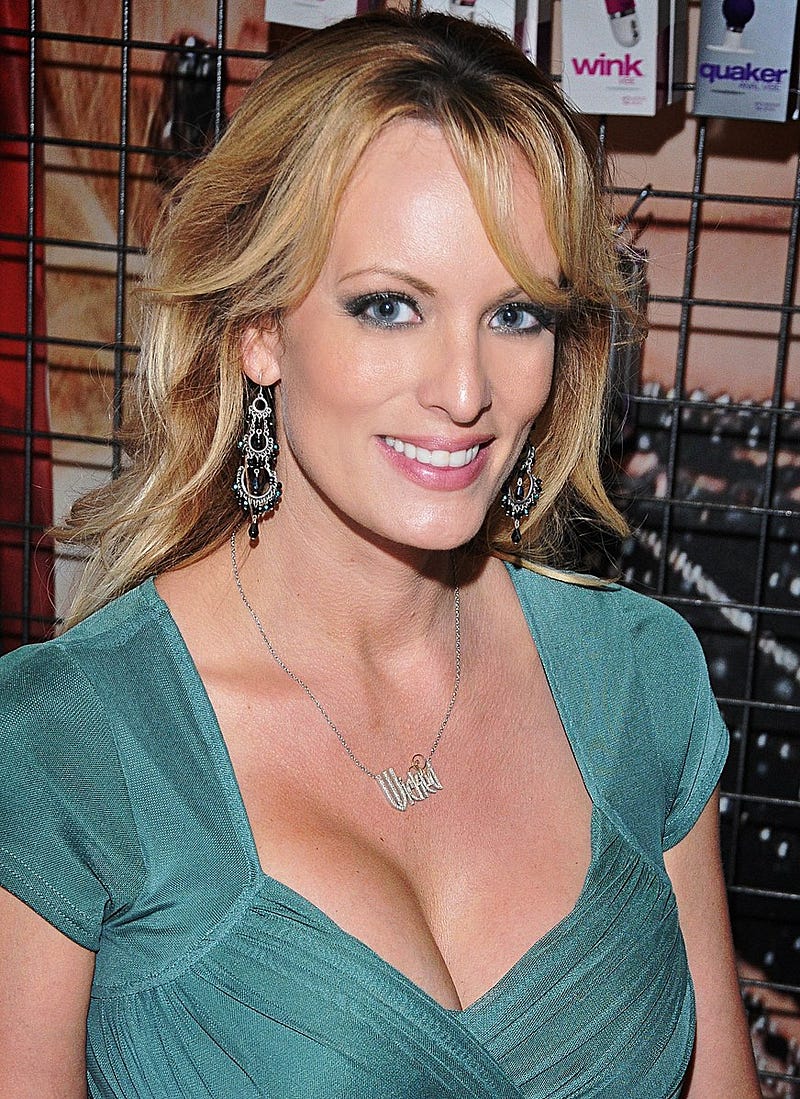

Daniels made the story public in 2018, stating that she had been paid $130,000 by Michael Cohen: Trump’s personal attorney. This payment was allegedly made during the 2016 presidential campaign. In addition to this, she was threatened by an unidentified man in Las Vegas who told her to “leave Trump alone.”
This incident reportedly happened after she agreed to discuss the affair with a magazine in 2011. Daniels was supposedly warned to “forget the story” or face potential harm. This confession by Stormy brought the issue to the forefront, further adding to the controversy surrounding Trump’s treatment of women.
Impeachment By The House of Representatives
Donald Trump was impeached twice by the US House of Representatives. In 2019, Trump was accused of trying to pressure Ukraine’s government ; his goal was to get them to investigate a man we’re all now familiar with: President Joe Biden.
Biden wasn’t just any person, though. He was one of Trump’s political opponents. If Ukraine could find something wrong with Biden, it could help Trump’s chances in the next election.
The process of impeachment was a long one. After the House brought charges against Trump, it was the Senate’s turn to decide what would happen next. Donald Trump faced a second impeachment — this time for stirring up rebellion.
On January 13, 2021, the House of Representatives held a vote and decided to bring this serious charge against him. This action was taken due to Trump’s involvement in provoking the shocking assault on the U.S. Capitol that took place on January 6.
What Was The Post-Trump Era Like?
In terms of policy, the post-Trump era has seen an attempt to reverse or reshape many of the policies established under his leadership. From immigration and environmental regulations to trade policies, the current government has made significant changes.
President Biden introduced a financial rescue package: the American Rescue Plan Act of 2021. It was a significant step taken in response to the COVID-19 pandemic. This substantial package cost around $1.9 trillion and was passed by the 117th U.S. Congress. The backup became law on March 11, 2021, and ended on August 29, 2021.
It featured $1,400 per person in direct cash transfers and a $400 weekly boost to federal unemployment benefits. Additionally, there were funds for aspects such as vaccine distribution, rent support, aid for small businesses, and other crucial interventions.
In terms of immigration policy, Biden has put forth a total bill. It created a pathway for undocumented immigrants residing in the U.S. to achieve citizenship. Furthermore, he exercised his executive powers to undo a number of immigration policies introduced by his predecessor.
In addition to this, the aftermath of the Trump era has also been characterized by a renewed focus on unity and healing. Many people are working tirelessly to bridge the gaps that have formed within the American society.
The Rise of New Republican Leaders
The post-Trump era has also given way to a fresh wave of Republican voices. These new figures — unlike the traditional GOP — come with a variety of views and approaches. They’re reshaping the party from within, pushing for changes that better reflect the evolving desires of their constituents.
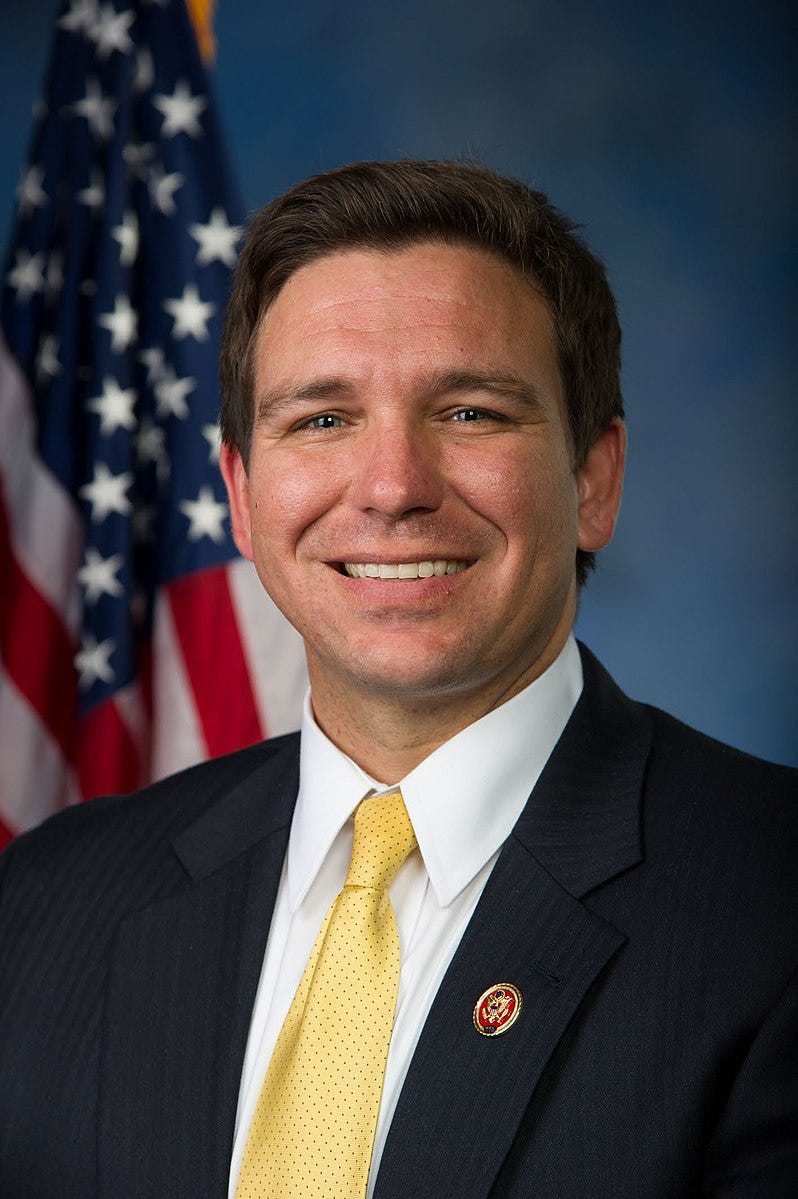
One prominent example is Florida’s Governor Ron DeSantis. He has carved out a significant political presence through his approach to governance and handling issues like the pandemic. His popularity among the GOP suggests that some in the party may be ready for leaders who can blend conservative principles with practical, modern policies.

There’s also a new breed of young Republicans in Congress, with the likes of Dan Crenshaw and Madison Cawthorn. They bring a fresh perspective to the party, challenge old norms, and engage with younger demographics. Their rising influence suggests a shifting Republican landscape.
The Current Political Scenario In The US
In recent news, Mike Pence (R-Indiana)— the former Vice President — criticized people who prioritize personal interests over the Constitution and suggested that they’re not suited to be President.
He also raised issues about the Kushner family’s wealth, saying they’ve profited unfairly from political favoritism by turning the U.S. into a “banana republic,”: a term typically used for countries with unstable governments. He talked about the upcoming Republican Primary, pointing out three new candidates — Chris Christie, Mike Pence (of course) , and Doug Burgum.
The current political situation in the U.S. depicts how Trump’s aspiration to return to the presidency appears to be a distant dream. Nonetheless, his influence continues, but voters need to understand the potential impacts of these political shifts as the future of America depends on it.