
Opinion
COVID-19's Becoming Our Chernobyl
Partisan politics creates a U.S. crisis like the Soviet catastrophe

In April 1986, a nuclear reactor in the Soviet Union Chernobyl power plant experienced a catastrophic malfunction. The accident blew off the top of the reactor, spewed radioactive chunks of the reactor into the surrounding city of Pripyat, and spread highly toxic nuclear particles into the Soviet Union and then into neighboring European countries.
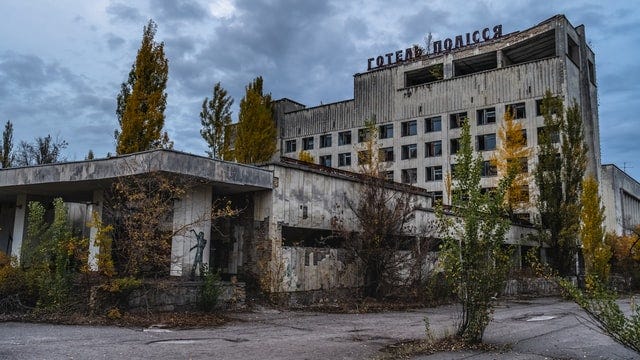
During the initial days of this event, the Soviet government worked casually through approved and rigid channels to control the information that was disseminated to its citizens. Reactor workers, firefighters, and other service workers were sent to perform useless tasks to shut down the reactor and put out the fires. This is despite the intensity of the radioactive exposure from the destroyed reactor that caused acute radiation sickness. No one was warned initially about the danger of the crisis because the government discouraged citizens from breaking protocols to address emergencies.

World scientists identified the environmental crisis because they detected the type of radioactivity released as a product only of nuclear reactors. Then, this radioactivity was tracked by increasing degrees to its likely source in the Soviet Union. The Soviet Union addressed the disaster publicly only when the European countries sounded the alarm of the radioactivity that was being spread through winds across the continent. By this point, any Soviets dealing with the Chernobyl crisis had been exposed to enough radiation to have a drastically shortened lifespan. After the discovery of radiation in the air, scientists in European countries advised families to keep their children from playing outside for a period of time after the accident. This outcome was just one of the many world reactions to manage a localized crisis that had a broader effect that is still ongoing today.

Many dynamics of Chernobyl can be seen in the current pandemic affecting the United States, though some are contrasting. The pandemic was officially declared an American health crisis in March 2020, which was months after initial U.S. COVID-19 cases were documented. The president at the time declared that the virus would dissipate by the summer after ensuring that it would be gone by April 2020. During the first 12 months of the threat, the leader of the federal government encouraged *-not testing-* for the virus in order to suppress the accurate tracking of the virus spread. Unlike Chernobyl, the input of scientists has been challenged and even ignored in order to preserve the health of the economy…at the expense of public human health.

Due to the influence of partisan politics, many U.S. citizens refute the existence of COVID-19 even while being put on a ventilator. Some members of the public have accused nurses and others in the medical community of making their patients ill. For these same people, wearing masks is repulsive though this preventative measure has been shown to deter the spread of the virus. In fact, some state governors have banned mask mandates, emphasizing “personal responsibility”. In addition, partisan citizens have resisted getting the ultimate protection of vaccines. Despite evidence that COVID-19 is raging through the unvaccinated populace, they avoid accepting a viable solution since it’s not endorsed by their party’s leaders or media that they trust.

The GOP position is that “big government” should not command citizens or businesses on how to best protect public health. In that respect, the GOP might one day be perceived as acting more irresponsible than the Soviet Union. After severe international pressure regarding the Chernobyl accident, the Soviet Union took steps to relocate its citizens from the radioactive zone even though the threat was intangible and invisible. However, due to capitalism, the GOP is more interested in avoiding the appearance of socialism in the fight against COVID-19. The independent streak is so ingrained in mainstream White America that they would risk the health of generations of consumers in order to maintain the flow of wealth. The Chernobyl crisis was credited as the impetus for the downfall of the Soviet Union. It makes you wonder if COVID-19 will be seen in hindsight as the cause of the undoing of the GOP.