
OpenAI rejects Musk’s accusations of ‘betrayal’
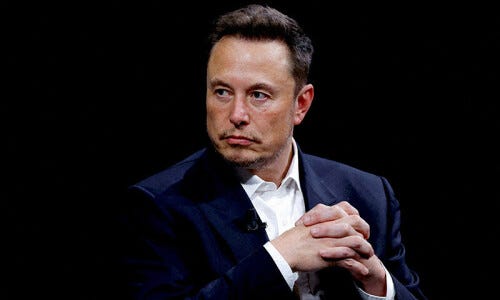
OpenAI, the firm behind ChatGPT, on Tuesday denied Elon Musk’s accusations of “betrayal” of its original mission and said it would push to have them dismissed in court. The boss of Tesla, SpaceX and X was one of the co-founders of OpenAI in 2015 along with Sam Altman but left the organization in 2018 and is now one of its most vocal critics. Musk launched a legal case against OpenAI last week, arguing in documents filed in a San Francisco court that the firm was always intended as a nonprofit entity. “We intend to move to dismiss all of Elon’s claims,” OpenAI and its executives said in a blog post. OpenAI captured the public imagination in late 2022 with the release of its chatbot ChatGPT, which can generate poems and essays and even succeed in exams. The firm started as a non-profit dedicated to developing “artificial general intelligence” (AGI), a term loosely defined as a kind of AI that would outstrip human capabilities on all measures of intelligence. The aim was for OpenAI to guarantee that such technology would be safe for humanity. OpenAI has received about $13 billion in investment from Microsoft in recent years, and both companies market AI services to developers and individuals. On Tuesday, Altman and other executives from the Silicon Valley start-up detailed their counter-arguments, with supporting emails. “We’re sad that it’s come to this with someone whom we’ve deeply admired — someone who inspired us to aim higher, then told us we would fail, started a competitor, and then sued us when we started making meaningful progress towards OpenAI’s mission without him,” they said in a blog post. In 2017, “we all understood we were going to need a lot more capital to succeed at our mission — billions of dollars per year, which was far more than any of us, especially Elon, thought we’d be able to raise as the non-profit”, they said. The following year, Musk suggested in an email that OpenAI be attached “to Tesla as its cash cow”. But in the face of refusal from the team, Musk “soon chose to leave OpenAI, saying that our probability of success was 0,” adding he planned to build an AGI competitor within Tesla. “When he left in late February 2018, he told our team he was supportive of us finding our own path to raising billions of dollars,” said the OpenAI blog post. Altman and his colleagues also said that their company is providing free AI access to organizations and countries, including Albania, which “is using OpenAI’s tools to accelerate its EU accession by as much as 5.5 years.”


