
Oops, Sexism!
Exploring unconscious bias to improve self-awareness

Conscious bias, where individuals hold certain beliefs or prejudices, is well understood. This can be observed in various forms of discrimination such as racism, ageism, and sexism. Conscious bias is where people actively express aversion towards a particular race or sex through verbal, behavioural or social means.
These biases are often influenced by socialisation, cultural beliefs, or personal experiences. Examples of conscious bias include intentional discrimination in hiring practices, making assumptions about capabilities, and openly expressing discriminatory remarks.
Having worked in the corporate world for almost 25 years, I personally have experienced sexism in the form of conscious bias early in my career. I was asked to wear more skirts, apply more make-up, do assigned secretarial duties despite my experience, and engage with children as it was assumed that women were better suited for such roles.
In most countries, it’s no longer a requirement for women to wear only skirts and high heels or work in roles deemed female skill-based.
However, in recent times there has been an increase in unconscious bias, particularly with the rise in diversity and inclusion efforts. Most men I’ve worked with do not believe they are sexist and would be mortified to think they have acted in a way that was contrary to their belief.
What is Unconscious Bias?
In a nutshell — it’s like conscious bias but at a subconscious level, usually as a result of our brain making quick judgments based on stereotypes or limited understanding.
Addressing unconscious sexist bias requires developing self-awareness and a commitment to challenge and reevaluate existing assumptions and beliefs. To raise awareness and help educate others about unconscious sexism, I wanted to highlight a few behaviours that may go unnoticed by many of our male peers.
1. Hug v Handshake
In professional settings such as conferences or corporate dinners, it’s not uncommon for men to initiate hugs rather than the handshake typically offered to male counterparts. It’s important to recognise that personal boundaries should be respected, and hugging a colleague you have just met, regardless of the positive interaction during the meeting, can be considered a form of sexism.
2. Small Talk Topics
I often find small talk topics differ depending on gender. While I’m frequently asked about my children or receive comments on my appearance, my male colleagues are asked about their weekend activities or their thoughts on current business-related topics. It’s better to discuss inclusive topics focusing on shared interests and professional matters rather than reinforcing gender-based stereotypes.
3. Team Activities
Informal networks and social connections often play a crucial role in career advancement. Unfortunately, certain male-dominated events tend to exclude women, which can limit access to career opportunities.
In my industry, colleagues would engage in networking activities like golf days, corporate box events for sponsored teams, and bar nights, which result in returning to work the following week with new business strategies and growth initiatives already in progress. It never occurred to them that their female peers should be or would want to be, included in these discussions.
On the occasions I was included, the team-building activities organised would unintentionally create division within the team. As a senior management team, our boss organised go-kart racing. I was enthusiastic about participating in the event, however the other women were less so as the dress code had not been communicated beforehand, and their typical corporate attire was not suitable for the activity.
To make matters worse, I came in second place, outperforming most of my peers. The men, in a seemingly light-hearted manner, made remarks about how embarrassing it was that a woman had outdriven them. They proceeded to engage in banter about their driving skills in reference to woman drivers.
4. Women Seen as B*tchy or Soft
Women often face unfair double standards in the workplace. They can be stereotyped as emotional, which is seen as a weakness, or when displaying confidence and assertiveness, may be labelled as b*tchy and aggressive. On the other hand, male counterparts exhibiting similar behaviours are often regarded as driven and passionate go-getters.
In a specific incident, a male colleague and I had to prepare a proposal for the executive team, who were in separate locations (well before Zoom). Our presentations had identical content and delivery; however, we received different outcome recommendations. Despite both having statistical and behavioural evidence of success, my presentation was met with skepticism, while my colleague’s was approved on the spot.
Upon discussing this with my boss, it became clear that the decision was influenced by perception. They felt more confident in his data, while mine was viewed as overly aggressive. It is important to note that the data presented by both of us was the same, yet the perception of confidence and assertiveness differed based on gender.
How to Manage Unconscious Bias
A lot of women have found ways to circumnavigate unconscious bias in the workplace and have adopted physical and behavioural changes to bridge the gap. Here are some examples:
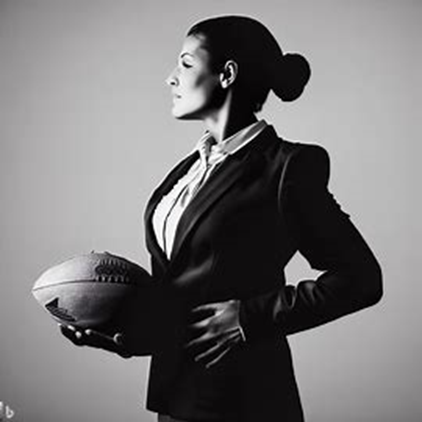
· Adjusting dress code to a more masculine style of dress, such as wearing suits and avoiding traditionally feminine attire such as dresses and skirts. This is to counter biases related to appearance and to be seen as more professional and carry more authority.
· Changing communication style to less emotional and caring to avoid being perceived as weak. For instance, I answer the phone with my last name, as my peers address each other with nicknames like “Jonesy” or “Griffo,” to project camaraderie. Or is this just an Australian thing?
· Faking interests to enable more conversation and engagement. Some women I’ve worked with engage in researching topics of interest such as football game scores before meetings to be viewed as part of the team.
· Caregiver expectations and biases can impact women’s professional advancement. To avoid being perceived as less committed or competent to perform in a role due to assumptions around being a parent, there is pressure to pursue paid childcare as the only option. Due to assumptions about caregiving responsibilities, women are hesitant to explore working solutions that might enable both caregiver and professional responsibilities.
I often would send my son to daycare with a runny nose rather than taking a day off to avoid any perception I was unable to fully commit to or complete the responsibilities of my role.
Most of us promote gender equality and inclusion and strive to be politically correct in a world where inclusion is important. Personally, I’m still learning about pronouns and sexual orientation, as unconscious bias results from not being aware of what we don’t know.
Addressing unconscious bias requires self-awareness and a commitment to reevaluating our assumptions and beliefs. This can involve education and exposure to different perspectives, which is what I have tried to deliver with this piece.
Regardless of how you identify, what unconscious bias act have you experienced?
About the Author: By day Kristy is a Corporate Executive and Board Director with a passion for CX, UX, and AI. In her other life, she loves to explore her writing passion on midlife trials and tribulations, parental journeys, and sharing her general musings on life.


