avatarMai Yamamoto

Free AI web copilot to create summaries, insights and extended knowledge, download it at here

1471

Abstract

s://miro.readmedium.com/v2/resize:fit:320/1*EQ0RKMvIfTwU8-3kpzSxYg.jpeg)"></div> </div> </div> </a> </div><p id="c5ec">In this post above, I talked about how much plastic there is being used in Japan. Ashamedly, some people even encourage others to use more single-use plastic.</p><p id="6da5">It’s “plastic bag recipes,” called ‘ポリ袋レシピ’ in Japanese. It is so popular that you can see them everywhere from the huge cooking websites to small individual blogs. There is the hashtag #ポリ袋レシピ on Twitter as well.</p><p id="40b3">They are recipes using plastic bags to shorten the time for cooking and washing dishes, as well as cooking utensils. I know there are some recipes using plastic bags written in English, but there are so many in Japanese.</p><p id="d9a7">The worse thing is that people are proudly uploading these recipes. Most of these uploaders are innocently and happily sharing their ‘brilliant’ recipe ideas.</p><p id="8781">I understand that people are busy and everybody wants to shorten their cooking time. I also dislike doing dishes, but every time I saw a new ‘time-saving recipe’ with bags, I feel embarrassed.</p><p id="6fb0">Having said that, I used to enjoy using that type of recipe when I lived in Japan. It’s handy and quick. You can make pickles, marinate meat, mix ingredients without boxes or bowls. But how much plastic waste will it leave, if you do it every day, for every meal?</p><p id="0928">Th

Options

is world is shifting towards a reduction in plastic usage. Despite that, Japanese people are not yet well educated on this issue. Now that I feel guilty when I use plastic bags, I would like to share this guiltiness with other Japanese people. So I will continue to write and share my ideas in Japanese!</p><p id="3f42"><i>Previous Story :</i></p><div id="8b42" class="link-block"> <a href="https://readmedium.com/lonely-death-of-japanese-woman-234653d70329"> <div> <div> <h2>What kind of scenery would you like to see at your ending?</h2> <div><h3>The lonely death of a 40’s women in Japan</h3></div> <div><p>medium.com</p></div> </div> <div> <div style="background-image: url(https://miro.readmedium.com/v2/resize:fit:320/1*B58hvkiAscZYVv1WtpQkdQ.jpeg)"></div> </div> </div> </a> </div><p id="1caf"><a href="https://twitter.com/hana_gardener"><b>HANA</b></a><b> is a Japanese born writer who writes stories and poems in both English and Japanese. If you are an English reader, you can follow her English publications, ‘<a href="https://medium.com/etude-of-creativity">Etude of Creativity (poetry, haiku, fiction)</a>’ and ‘<a href="https://medium.com/japanese-writer">Japanese Writer (blogs & essays)</a>’ or on <a href="https://twitter.com/hana_gardener">Twitter.</a></b></p></article></body>

It seems only the Japanese who encourage people to use single-use plastic in the world.
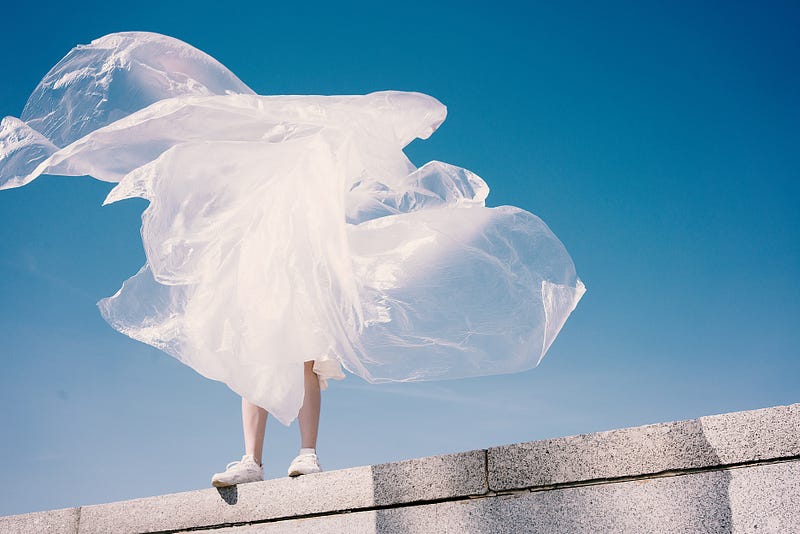
Photo by Karina Tess on Unsplash

According to the U.N., Japan is the 2nd largest generator of plastic packaging waste per capita in the world after the USA. You will find lots of products beautifully packaged in plastic everywhere in Japan.

In this post above, I talked about how much plastic there is being used in Japan. Ashamedly, some people even encourage others to use more single-use plastic.

It’s “plastic bag recipes,” called ‘ポリ袋レシピ’ in Japanese. It is so popular that you can see them everywhere from the huge cooking websites to small individual blogs. There is the hashtag #ポリ袋レシピ on Twitter as well.

They are recipes using plastic bags to shorten the time for cooking and washing dishes, as well as cooking utensils. I know there are some recipes using plastic bags written in English, but there are so many in Japanese.

The worse thing is that people are proudly uploading these recipes. Most of these uploaders are innocently and happily sharing their ‘brilliant’ recipe ideas.

I understand that people are busy and everybody wants to shorten their cooking time. I also dislike doing dishes, but every time I saw a new ‘time-saving recipe’ with bags, I feel embarrassed.

Having said that, I used to enjoy using that type of recipe when I lived in Japan. It’s handy and quick. You can make pickles, marinate meat, mix ingredients without boxes or bowls. But how much plastic waste will it leave, if you do it every day, for every meal?

This world is shifting towards a reduction in plastic usage. Despite that, Japanese people are not yet well educated on this issue. Now that I feel guilty when I use plastic bags, I would like to share this guiltiness with other Japanese people. So I will continue to write and share my ideas in Japanese!

Previous Story :

HANA is a Japanese born writer who writes stories and poems in both English and Japanese. If you are an English reader, you can follow her English publications, ‘Etude of Creativity (poetry, haiku, fiction)’ and ‘Japanese Writer (blogs & essays)’ or on Twitter.

Environment
Essay
Blog
Japan
Travel
Recommended from ReadMedium