
Only In Adversity Will You Find Resilience
Only when you embrace stepping outside your comfort zone, will you learn to be comfortable with the uncomfortable
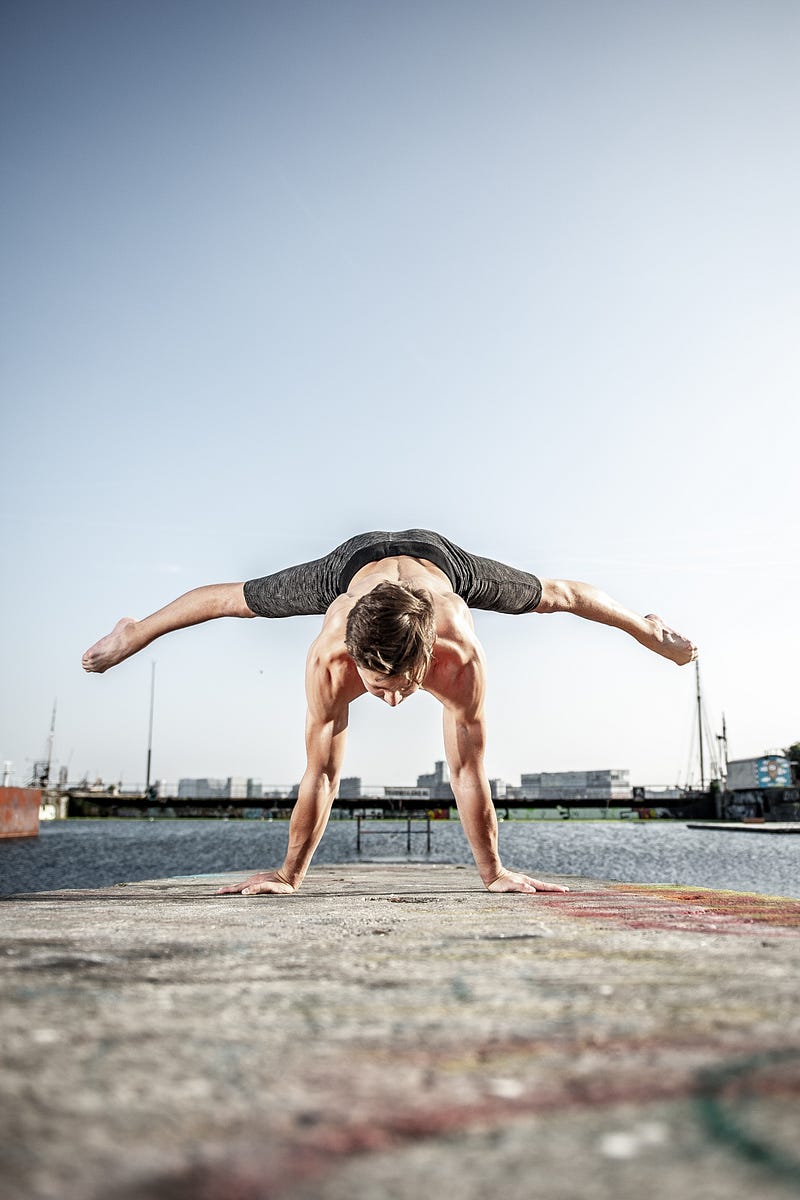
Humans are much more adaptable than we can possibly imagine.
Who would have thought that at that New Year’s Eve countdown earlier this year — that in a couple of months, you will find yourself waking up to near empty streets.
And even if you saw someone outside half their faces would be hidden behind that blue (and sometimes, purple ones which I love!) surgical mask.
You could have barely been out of your house for days, and you are just about getting used to the idea of working in your PJs. You have not seen your friends or family in weeks and are now doing house parties not at home but on an App.
Things escalated rather quickly. None of us really had the time to prepare for what was about to hit not just us, but the whole world.
The virus spared no one.
Each one of us has been affected one way or another. Things that you used to take for granted, are, well things that you have learned (in the hard way, unfortunately) that were taken for granted.
Yet, look where we are now? Yes, admittedly we have bad days, and quite rightly so (nobody likes to be told that they cannot go outside).
But most, if not all of us, are adapting, or at the very least, trying to. And not just temporarily as well. The effects of this virus and how it has disrupted our daily routines would likely permanently change the way we live.
All of this, to me, is rather encouraging. It is crystal clear that we can really deal with change.
It is when you are forced to face a challenge that you inevitably test and push your boundaries.
And looking at what have been produced within this period (the list is non-exhaustive, but this medical graduate built an entire website overnight to provide translation services for the migrant workers in Singapore) the conclusions are self-explanatory.
And I guess all of what has been said above also leads me to my own belief in the importance of stepping outside your comfort zone ever so often.
I personally find it a good reminder that it is well worth changing things up every now and then.
The lockdown has forced me to learn to deal with having time. I am no longer given the luxury (in hindsight it is) of jam-packing my schedule with back-to-back appointments.
Instead, I am learning to spend more time with myself (which I typically would prefer not to do) and doing things that I could have done with my friends by myself.
I have rediscovered my hobbies and interests that I can spend some time each day or weekend cultivating more of (e.g. writing, finding comfort in taking some time to cook myself a meal).
So if you think that this really sucks and you cannot wait for this to finally tide over. Here’s a different thought:
Think about the thing you hate doing the most, or that you fear doing the most and then going ahead to do it anyway. Not that I am necessarily suggesting that you dive in head first, but even a 1%, the tiniest of steps towards doing it would make a difference (this has been coined the “Compound Effect”).
And the more you are uncomfortable, the more you learn to accept that discomfort and be comfortable with the uncomfortable.


