
One Toxic Drink That May Cause Stroke In Post Menopausal Women
Beware of using this as a strategy in your diet
Dieting for most people is not pleasant.
For years, we have been conditioned that it’s hard, a struggle, and of course, we’re left battling hungry.
It can be pretty annoying initially, but so is anything at first glance. It takes time for your body and appetite to adapt.
But there are a few people in this world (well, honestly, most people) who do not like being uncomfortable, even if that means they achieve their goals.
I’m saddened by this because we all need to work on our discipline.
Discipline sets anyone apart from the people who “say” they are doing something & take action, as opposed to the people who say it and then lose interest almost immediately.
I, for one, gave up dieting a long time ago.
It worked for the first three months, and then the results stopped.
Now, I intermittently fast, which means I can eat the things I love and not worry too much.
As a result, my brain is free to think about the important stuff rather than fixated on the portion size of 5 meals a day, let alone taking the time to cook them.
Gosh, I wasted so much time in the kitchen, and I could have been writing instead!
Live and learn — that’s the only way we can improve and grow as a person.
But one thing I disagree with — is the use of dietary drinks.
I hate them, and I want you to think long and hard about how much you consume and what those chemicals may be manifesting inside your body.
Usually, people consume diet drinks to fill in the gaps of hunger. I get that; it’s understandable.
But there are so many more delicious and healthier alternatives out there, which you can make yourself that fill in those needed hunger gaps.
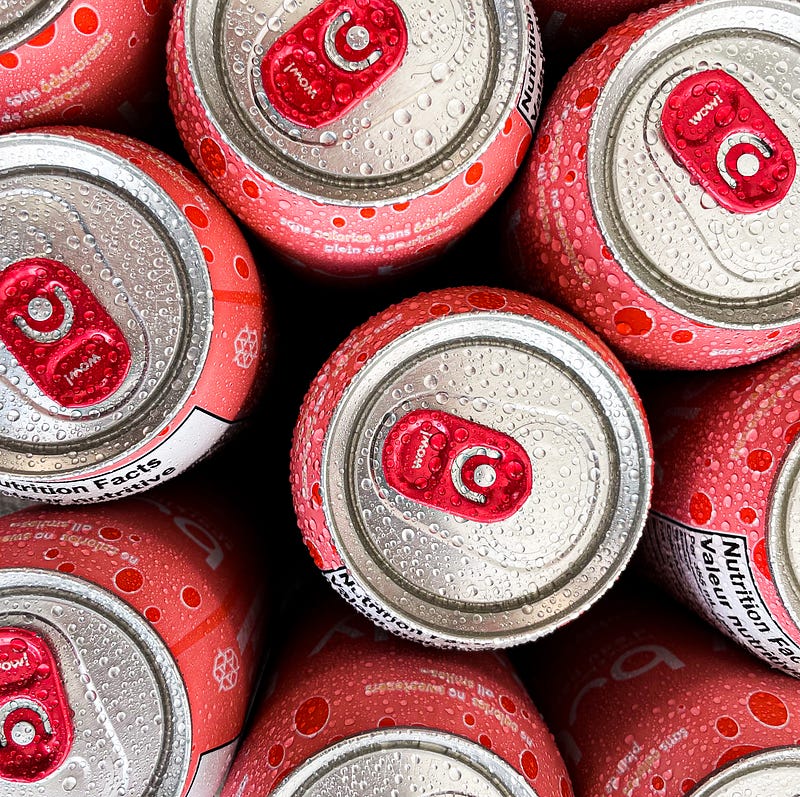
Many well-meaning overweight individuals use drinking diet soda to control their weight.
After all, they are drinking diet coke instead of a full-blown, 10 tablespoon sugar version — so it’s bound to be a lot more healthy, right?
Well, artificially sweetened beverages can be associated with a higher risk of stroke and heart disease.
Researchers analysed data on over 81 thousand postmenopausal women.
The focus was to report how many diet drinks they had consumed during their third-year evaluation.
Although the types and beverages were not noted during this study, it is hard to pinpoint what artificial sweeteners cause the most damage to these women.
These studies are an association between diet drinks and stroke; it does not prove cause and effect because this study was observational, based on the women’s self-reporting.
Here are the self-reporting results.
In comparison to women who did not drink diet soda, the following factors were observed:
- 23 percent of women who drank diet soda were more likely to have a stroke.
- 31 percent were likely to have a clot
- 29 percent were likely to develop heart disease
- 16 percent were likely to die from any cause
Although these findings were based on high consumption, it does not indicate what is specific to ‘high consumption.’
These observational findings are pretty accurate; it’s inconclusive in many ways.
Rachael K Johnson, Ph.D., chair of the American Heart Association, says: “Unfortunately, current research simply doesn’t provide enough evidence to distinguish between the effects of different low caloric sweeteners on heart and brain health. This study adds further evidence that limiting the use of dietary beverages is the most prudent thing to do for your health.”
The American Heart Association suggests that water is the best low caloric beverage.
In the future, I wish that more research would be conducted on the dangers of artificial sweeteners as a warning for those enthusiastic dieters.
They believe it’s a healthy alternative to natural sugar.
Sometimes chemicals can cover up something quite disastrous that may develop into a health issue down the track.
What you are drinking is a man-made substance created in a lab. Do we really know and trust what’s in them?
It’s best not to go down that road if you can help it. Even one diet drink can set you towards making it into a bad habit by lack of awareness of its dangers.
So, have a diet drink here and there if you really want them — but it’s best to just drink water and leave it to that.
Please check out the research here.
If you would like to read more articles like this or start writing your own, please sign up via my link. I’d love to see you on the other side. 👇🏼
Sign up here for your medium subscription.
I get a portion of your monthly fee at no extra cost to you, and it will go a long way in supporting me as a writer.
If you would like to express gratitude with coffee, send the love via this link.