avatarDean Middleburgh

Free AI web copilot to create summaries, insights and extended knowledge, download it at here

2223

Abstract

much we had lost when the lunar landings ended with Apollo 17 in December”</p><p id="ee9f" type="7">— Roger D. Launius</p><p id="ce73">There is much to be excited about, including technological upgrades and a chance to see astronauts in space suits that provide better mobility and flexibility. There will be various new scientific experiments on the lunar surface, providing more insight and knowledge. There will be the most advanced cameras beaming back live footage, giving the people back on Earth a closer look at a world most of us will never get the chance to see.</p><figure id="3d50"><img src="https://cdn-images-1.readmedium.com/v2/resize:fit:800/1*FL6kedYcH6AbLXq15z5ZLg.jpeg"><figcaption>The SLS rocket (Picture attributed to Nasa)</figcaption></figure><p id="3c8d">Nasa has named the Program ‘Artemis,’ and it will consist of three phases Astronauts will launch on a rocket called SLS and travel in a spacecraft called Orion, similar to the capsules used in previous Apollo missions.</p><ul><li><b>Artemis-1</b> will not consist of an uncrewed flight that will orbit the Moon in autumn 2021. It will be checking all critical systems and testing life support and communication capabilities.</li><li><b>Artemis-2</b> will repeat the same trip with a crew onboard in 2023 and conduct a new test — a proximity operations demonstration.</li><li><b>Artemis-3</b> will see astronauts land on the lunar south pole of the Moon.</li></ul><figure id="8d30"><img src="https://cdn-images-1.readmedium.com/v2/resize:fit:800/1*7ZnLOELjV0COT-iRSHtTZQ.jpeg"><figcaption>An artist impression of the spacecraft called Orion (Picture Attributed to Nasa)</figcaption></figure><h2 id="39e6">What is the point of returning?</h2><p id="a0c6">The information we have so far is the astronauts will spend seven days on the lunar surface collection samples and carrying out various experiments before returning to Earth. Nasa has said that this mission involves laying the groundwork for building infrastructure later in the decade. It is no secret that successful missions will inevitably lead to our minds turning to the red surface of Mars.</p><p id="4d3f" type="7">A collaborative lunar base could begin the process, as has happened i

Options

n Antarctica, of establishing an international protectorate with scientists from many nations of the Earth in residence. This is how we’ll take our next great step and learn more about both the universe and humanity.</p><p id="6371" type="7">— Roger D. Launius</p><figure id="ff50"><img src="https://cdn-images-1.readmedium.com/v2/resize:fit:800/1*Wx3y4yK6erSgEuRWwUgMnw.jpeg"><figcaption>A glimpse of the new spacesuits used (photo attributed to Nasa)</figcaption></figure><p id="b462">I am sure many will not share my excitement and feel that this money will be better spent on things closer to home that need urgent attention. Although I share this sentiment, we are explorers who can’t help but feed our curiosity, daring to do and go to places they once said was impossible. To thrive as a species, we need to keep testing our limits of what is possible and what is still out of reach.</p><p id="a945">The Apollo missions left our mark in ways we could have never imagined. The impact is still felt to this day, as it helped captivate a generation who dared to dream. I hope these missions will have a similar effect on my generation and those younger, helping us discover who we once were and who we will be in the years to come.</p><p id="d234"><i>Dean Middleburgh has travelled to over 85 countries and is in constant need of adventure. Over a ten year period, he has travelled far and wide armed with a backpack and one beaten up passport. How he has made it this far remains a mystery to most of the people that know him. You can find Dean on the island of Mallorca where he works on a 35-metre superyacht.</i></p><div id="b1d8" class="link-block"> <a href="https://readmedium.com/the-last-brick-in-the-wall-5d759defca17"> <div> <div> <h2>The Last Brick in the Wall</h2> <div><h3>Can you hear the dark sarcasm in the classroom?</h3></div> <div><p>medium.com</p></div> </div> <div> <div style="background-image: url(https://miro.readmedium.com/v2/resize:fit:320/1*flMnOUN0G6KJw1EOYTgx5g.jpeg)"></div> </div> </div> </a> </div></article></body>

One Small Step for Man, One Giant Leap for Womankind

2024 will see the first woman walk on the Moon
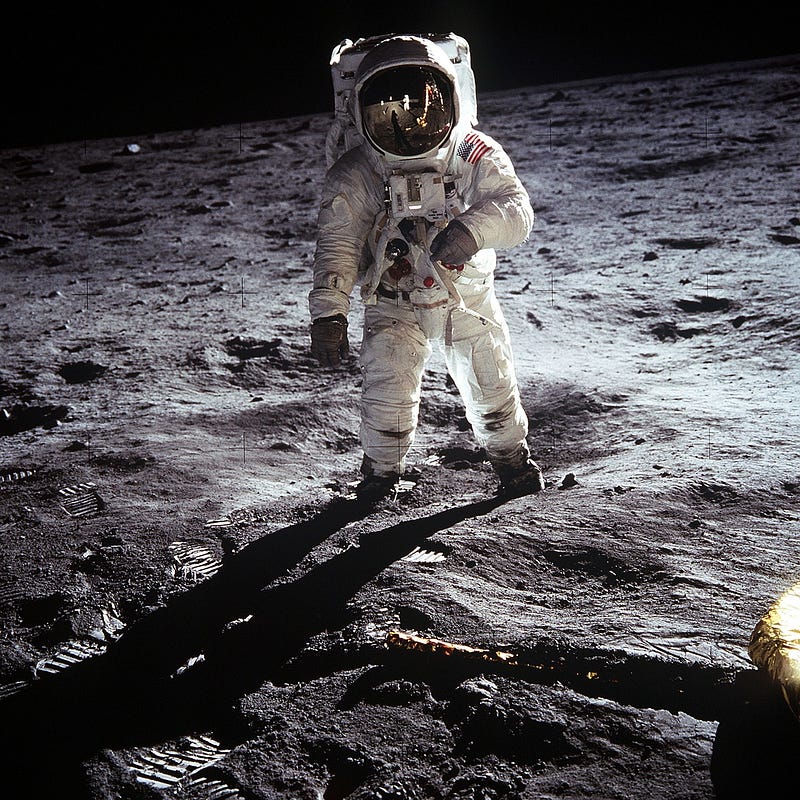
Photo attributed to https://pixabay.com/users/WikiImages-1897/

On a cold night in December of 1972, three brave souls strapped to a gigantic candlestick blasted into the heavens on a chariot of fire. With the Moon in their earshot, they looked out of their capsule window at a familiar yet alien world touched by a handful of people. Little did they know at the time that it would be over half a century until anyone would return.

With the news filtering through, we are now a few years away from our long and overdue return.

Nasa has announced it is planning to send a crewed spacecraft to land on the surface of the Moon by 2024. This news is a welcome and much-needed boost from the doom and gloom that plasters out newsfeeds and television screens. This mission is pivotal in more ways than one. It will be the first time a woman will set foot on another world.

This incredible feat will be a moment to remember in our history and will be symbolic in showing that we, as a species, are striving for a fairer and inclusive society back here on Earth. This is a colossal statement outlining our intent as a species. For far too long, we have stared down at the ground instead of gazing longingly up at the stars.

“I was 15 years old when the United States first landed on the Moon in July 1969, and I remember it like it was yesterday. I was out with friends that night, and we listened to the moonwalk of Neil Armstrong and Buzz Aldrin on the car radio. Like millions of others, I was both excited and proud of this accomplishment — the first time in history in which humans set foot on another celestial body. I followed the rest of the Apollo missions, and realized only later how much we had lost when the lunar landings ended with Apollo 17 in December”

— Roger D. Launius

There is much to be excited about, including technological upgrades and a chance to see astronauts in space suits that provide better mobility and flexibility. There will be various new scientific experiments on the lunar surface, providing more insight and knowledge. There will be the most advanced cameras beaming back live footage, giving the people back on Earth a closer look at a world most of us will never get the chance to see.
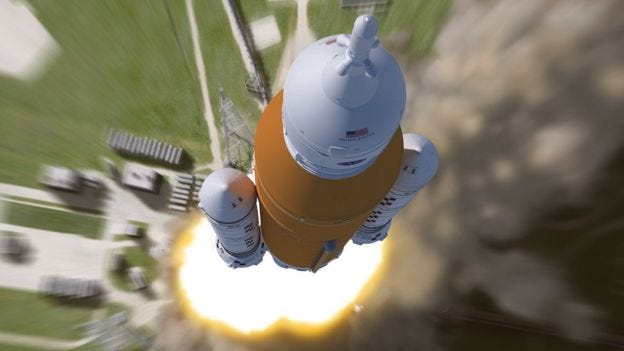
The SLS rocket (Picture attributed to Nasa)

Nasa has named the Program ‘Artemis,’ and it will consist of three phases Astronauts will launch on a rocket called SLS and travel in a spacecraft called Orion, similar to the capsules used in previous Apollo missions.

  • Artemis-1 will not consist of an uncrewed flight that will orbit the Moon in autumn 2021. It will be checking all critical systems and testing life support and communication capabilities.
  • Artemis-2 will repeat the same trip with a crew onboard in 2023 and conduct a new test — a proximity operations demonstration.
  • Artemis-3 will see astronauts land on the lunar south pole of the Moon.
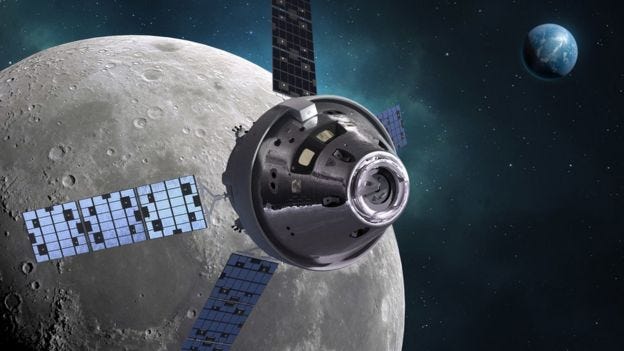
An artist impression of the spacecraft called Orion (Picture Attributed to Nasa)

What is the point of returning?

The information we have so far is the astronauts will spend seven days on the lunar surface collection samples and carrying out various experiments before returning to Earth. Nasa has said that this mission involves laying the groundwork for building infrastructure later in the decade. It is no secret that successful missions will inevitably lead to our minds turning to the red surface of Mars.

A collaborative lunar base could begin the process, as has happened in Antarctica, of establishing an international protectorate with scientists from many nations of the Earth in residence. This is how we’ll take our next great step and learn more about both the universe and humanity.

— Roger D. Launius
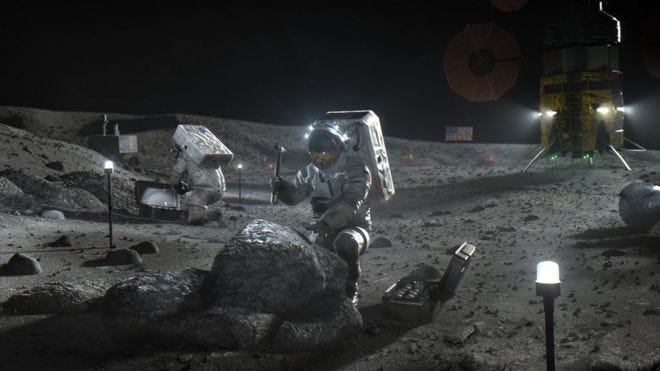
A glimpse of the new spacesuits used (photo attributed to Nasa)

I am sure many will not share my excitement and feel that this money will be better spent on things closer to home that need urgent attention. Although I share this sentiment, we are explorers who can’t help but feed our curiosity, daring to do and go to places they once said was impossible. To thrive as a species, we need to keep testing our limits of what is possible and what is still out of reach.

The Apollo missions left our mark in ways we could have never imagined. The impact is still felt to this day, as it helped captivate a generation who dared to dream. I hope these missions will have a similar effect on my generation and those younger, helping us discover who we once were and who we will be in the years to come.

Dean Middleburgh has travelled to over 85 countries and is in constant need of adventure. Over a ten year period, he has travelled far and wide armed with a backpack and one beaten up passport. How he has made it this far remains a mystery to most of the people that know him. You can find Dean on the island of Mallorca where he works on a 35-metre superyacht.

Space
Equality
Humanity
History
Adventure
Recommended from ReadMedium