
A BLACK WOMAN’S FISHING STORY
One Racist White Man Thought He Owned the Ocean Near His Home
Unpacking the caucasity of thinking you own waterways
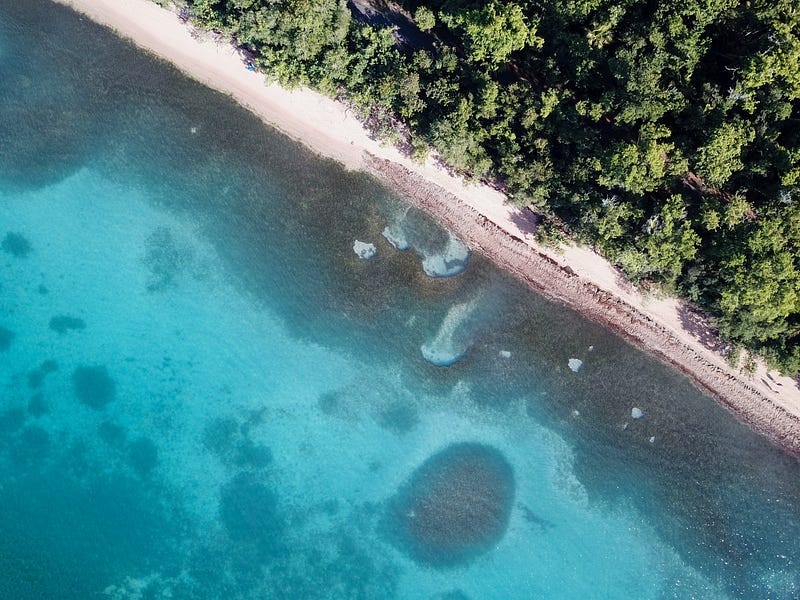
“White men think they own the world" may sound hyperbolic until you meet a White man who believes he literally owns the ocean, as I did. For the past few years, my husband and I have taken fishing trips near Ocean Park, a beautiful but gentrified community in San Juan, Puerto Rico. The city is surrounded by sandy white beaches, blue waters, and burnt orange sunsets. Visiting here is a nice change from fishing in my hometown of New Orleans, where we take our poles out to local lakes, bayous, or the Mississippi river. The ocean has a calming presence. So, imagine my surprise when a White man approached me during a fishing trip.
Background
First of all, people may not realize this, but many Black women enjoy fishing. By the time I was seven years old, I knew how to tie a string to a big stick, and using a tiny hook, my friends, and I caught and released little catfish and redfish. Sometimes a fish would be too big, and my line or stick would break, but that's how I learned the basics. As a teenager, my skill evolved as I bought a pole and learned how to cast my line. So, as an adult, I actively seek out fishing spots, even when I'm away from our little sportsman's paradise.
When I visit Puerto Rico, I often feel this could be a second home for me, though as a Black American, I have conflicting views on that. On one side, I can relate to many on the island who descend from Indigenous and African people. Still, there is also this pervasive perspective here that Americans of any kind don't belong here, that we are inherently colonizers. And while I agree that Puerto Rico was colonized by the Spanish and then America, I wonder where that leaves Black Americans, particularly someone like me whose great-great grandparents were enslaved and whose grandfather was a sugarcane sharecropper in Louisiana, and whose mother helped with disaster relief here?
Our family and the Black people who were enslaved and brutalized through the Jim Crow system in America had nothing to do with colonizing Puerto Rico, making it a territory, not a state. Still, after years of traveling back and forth, I'm unsure whether Puerto Ricans consider Black Americans "gringos," since that term is used loosely to non-Latinos. As someone who votes as a Democrat, I wholeheartedly support the Puerto Rican people deciding their own fate. Puerto Ricans voted for statehood in 2012, 2017, and 2020, but there is also substantial resistance to that movement. If Puerto Rico were ever to become the 51st state, Congress would have to seal the deal.
Interestingly, the island has a long history of encouraging its citizens to "identify as White" on the census, although many people here have darker complexions. Assimilating to whiteness may be a dream for some groups. Still, in America, Puerto Ricans are considered a minority, with many subject to the same type of discrimination that Black Americans endure. Typically, I enjoy fishing in Loíza, a small town "founded by enslaved Africans,” because I feel I belong there. You can see red, yellow, and green flags and buildings everywhere, which is welcoming for a Black woman with dreadlocks like myself. Whenever I visit Ocean Park, which is a more touristy area, I enjoy eating at this restaurant, Kasalta, where President Obama ate when he visited the island, which is how I found this fishing spot.
The incident
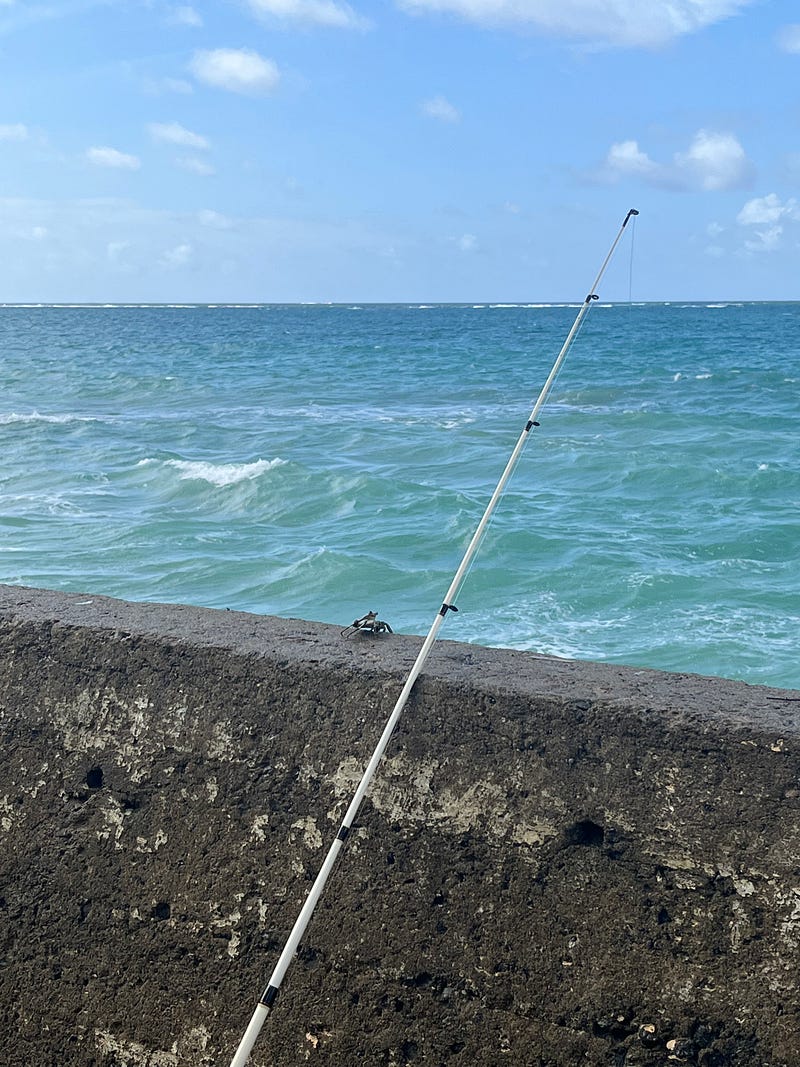
My husband and I parked a few blocks away from the swimmers and jet-ski rentals. Using shrimp for bait, I started to fish, enjoying the breeze, which masked the day's heat. After about an hour, a White man approached me on my right side, and my heart sank — "what did he want," I thought. This man was taller than me and had sandy hair, but he was clearly White and had no accent like the local people I met. "I am buying this house," he said, pointing at the home to our right under renovation. I smiled, not wanting to engage with him, so he asked my husband, "what are you catching?" People who don't fish often assume that you have already caught a few big ones every time they see a fishing pole, but that's not true. Most of the time, when you go fishing off the shore, you're lucky to catch something big. But, this White man seemed laser-focused on outcomes. My husband said, “nothing much.”
"Wow, this looks fun. I will get a pole and try this out next weekend," he said, still mainly talking to himself. But then things got strange. He pointed to the ocean and said, "this is my backyard. I own this, so if you catch anything, you should give me the fish,” he smirked. I looked at my husband and then back at him and sighed in dismay. The White man chuckled and walked away, and afterward, my husband, a long-time fishing partner, asked me, "does that White man think he owns the ocean?" Apparently, he thought that any fish I caught belonged to him, which was bizarre. White men thinking they can own the air, the land, and the sea is colonizer energy. It’s astonishing that over 2,000 miles away from the “mainland,” some white people think they own everything. And while I am not Puerto Rican, I can understand what it feels like to have everything you love gentrified.
New Orleans and San Juan are like sister cities that never met. In the aftermath of Hurricane Katrina, White people took advantage of flooded and wind-damaged property to gentrify the city, marginalizing many residents who could no longer afford to live in their neighborhoods. As a result, one mother with a full-time job told reporters she could not afford rent in New Orleans and had to live out of a hotel room. And her story is only one of many whose lives have been torn apart because of White greed.
In Puerto Rico, similar steps were taken after Hurricane Maria. Local activists are fighting against gentrification as White developers try to build more luxury condos and businesses on public beaches. Like New Orleans, San Juan has an affordable housing shortage. Just as Donald Trump threw paper towels at Puerto Ricans after Hurricane Maria offering little help, George Bush's political career has never recovered after his botched response to Hurricane Katrina, at least not amongst the locals. While San Juan has criolla food, New Orleans has creole, and both of our cities throw festivals people travel around the world to witness — we were different stops on the Transatlantic slave route. Both places have influences from Africa, Indigenous tribes, and White colonizers and face some of the same sociopolitical issues.
Given all the harm White people have caused through land grabs in New Orleans, I can relate to Puerto Ricans being wary of White people laying claim to their homes. And while I regularly write about race, I was not prepared to hear a White man lay claim to the ocean. "All beaches on Puerto Rico, even those fronting the top hotels, are open to the public." So, a White man thinking he owned the ocean was a case of white privilege on steroids. It was difficult to keep my cool, knowing that if I told the White man, "you don't own this ocean. Go away," it could have started an altercation between my husband and him, and if he wasn't present, I would surely be accused of being an "angry Black woman."
Right after the White man walked away, I caught a fish, a drum that weighed at least 15 pounds, and quietly jumped for joy, not wanting the White man to try to steal my thunder. I wanted to scream, "yes, I caught a fish," but I couldn't because racism follows Black women wherever we go. Even when we're trying to have fun, unwind and take a step back, we're reminded that some White people think they own the land, oceans, and waterways too.
🌹Learn more about the author here. 🖊Sign up to read all my stories and thousands more.