
One Quote That Boosts My Confidence
What I remember when I am feeling down.
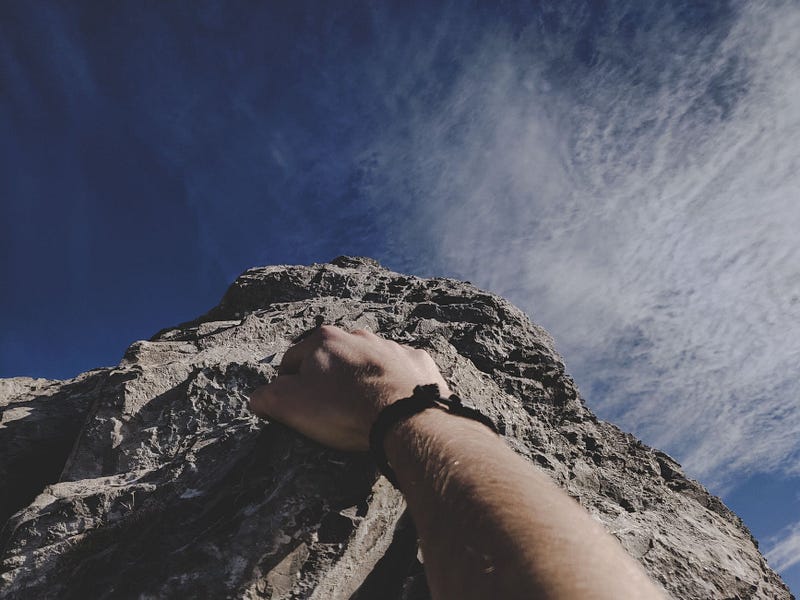
Everyone has their weak parts. For me is that I lose my confidence too early when I deal with new challenges.
Since I am a programmer, I deal with tasks I have never solved before regularly. You would think I got used to them after multiple years, but I still end up feeling down when I see I am struggling with no success. It is frustrating. This is the area where I get most of my doubts from.
However, when I look back, I can hardly remember a time when I struggled and did not ultimately succeed.
Statistically, there is no reason to think I cannot handle a task well.
Yet, when it’s been hours or even days of unsuccessfully looking for mistakes in the code, I feel discouraged. I know all the theory saying that it’s not the problem, it’s how we view the problem, but I still feel frustrated and these words do not click with me in those moments.
Some months ago I remembered this Romanian saying that I have known for a long time. Now that I tried to research the author, I see that the idea stems from the Bible and it goes like this:
We are not given more than we can handle.
I do not know why this sentence resonated so much with me, but it did. I often think about it when I lose my confidence. I feel calmer and more positive right away. It does not say that I should do something, or that I should stop doing something.
It just states that I already have all I need to get over my problem. Full stop.
And then, because I realize I can solve this problem, I genuinely feel a relaxation that is close to what I feel when I am actually done with the task. It opens my mind about what I can do about it. Sometimes when I am stressed, I get tunnel vision, which is never helpful.
The calmer I am, the easier it is to see the bigger picture and take smarter steps.
I find it relieving to approach life problems with this thought. There is comfort in knowing that I am enough just the way I am now. All obstacles from the past were building blocks I can now rely on to face my problem. Then I can place this success as a new building block for my future self.


