avatarRomaric Jannel

Free AI web copilot to create summaries, insights and extended knowledge, download it at here

1868

Abstract

dedicated to specific geographical areas (“India”, “China”, “Japan”, and “Korea, Tibet, and South East Asia”) and each of these chapters is organized to present the most important elements of each cultural context, be it religious, linguistic, political, or philosophical elements.</p><p id="f0f0">Moreover, many of Raud’s explanations do not only concern Asian cultures, but show the importance of East-West cultural exchange in the elaboration of important parts of European and American thought.</p><div id="fd8e" class="link-block"> <a href="https://medium.com/@RomaricJannel/subscribe"> <div> <div> <h2>Get an email whenever Romaric Jannel publishes.</h2> <div><h3>Get an email whenever Romaric Jannel publishes. By signing up, you will create a Medium account if you don't already…</h3></div> <div><p>medium.com</p></div> </div> <div> <div style="background-image: url(https://miro.readmedium.com/v2/resize:fit:320/0*x-qBBqEYwdV7sS-0)"></div> </div> </div> </a> </div><p id="0f16">Let’s look at just one example. In the first chapter, after a presentation of Indian linguistic thought, he states:</p><blockquote id="0822"><p>“It is with the discovery of Sanskrit and its grammatical tradition that European linguistics began to evolve towards the form it has taken today. Ferdinand de Saussure, the most crucial figure in formulating modern ideas about language, wrote his dissertation on Sanskrit grammar and lectured on the subject for the remainder of his life. Thus, we can be fairly sure that he was thoroughly familiar with Indian linguistic thought. Leonard Bloomfield studied Pānini’s work and considered him one of his models, and so did his most ardent critic, Noam Chomsky, who

Options

also considered Pānini’s grammar to be the first generative grammar ‘in essentially the contemporary sense of this term’. Thus the influence of Indian linguistic thought, even though rarely highlighted, has been constant in the development of Western linguistics during the twentieth century.”</p></blockquote><figure id="0bbd"><img src="https://cdn-images-1.readmedium.com/v2/resize:fit:800/0*2SD1p7ODhFJY7TDQ.jpg"><figcaption>Image: <a href="https://commons.wikimedia.org/wiki/File:Saussure_-_L%27emploi_du_génitif_absolu_en_sanscrit.jpg">Wikipedia Commons</a></figcaption></figure><p id="c3e5">In this book, Raud offers similar insights in many places, leading to a major reassessment of the Asian contribution to human knowledge, as well as to the actual shape of our perception of our world. It is also easy to read. Raud is a scholar and novelist who likes to share his knowledge and insights in a way that is easy to understand for his readers.</p><p id="85b3">I am not going to write a long description of the contents of this book, nor am I going to ask you to buy it through some affiliate links. I will only invite you to take a look at this book, borrow it from the library, read it standing in a bookstore, or buy it somewhere. I am quite sure that it will give you valuable insight into understanding our world and how we collectively often misunderstand Asian cultures.</p><p id="8e64"><i>Thank you for reading. If you enjoyed it and would like to support me, there are several ways, all of which I would greatly appreciate.</i></p><ol><li><b><i>Engage with this article by clapping, commenting, highlighting it.</i></b></li><li><a href="https://medium.com/@RomaricJannel/subscribe"><b><i>Subscribe to my Medium stories.</i></b></a></li><li><a href="https://ko-fi.com/philosophytoday"><b><i>Buy me a coffee</i></b><i>!</i></a></li></ol></article></body>

One of the best books on Asian worldviews
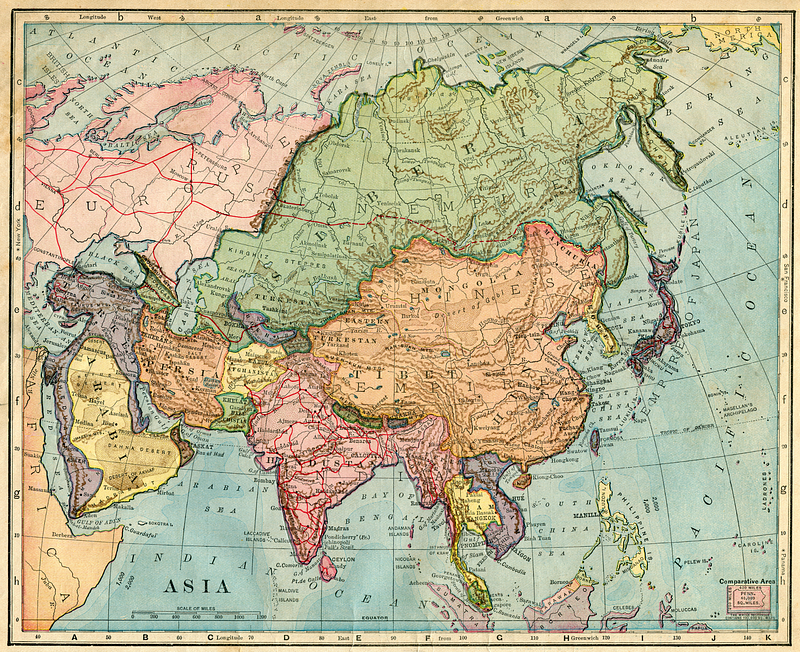
Image by traveler1116 on Canva

I would like to introduce a book that is not famous, not written by a famous scholar, but is one of the best introductions to Asian religions, philosophies, and political thoughts that I have ever read.

The book, entitled Asian Worldviews, Religions, Philosophies, Political Theories, was published by Wiley in 2021 and was written in English by Professor Rein Raud, who teaches Asian and Cultural Studies at the University of Tallinn (Estonia).
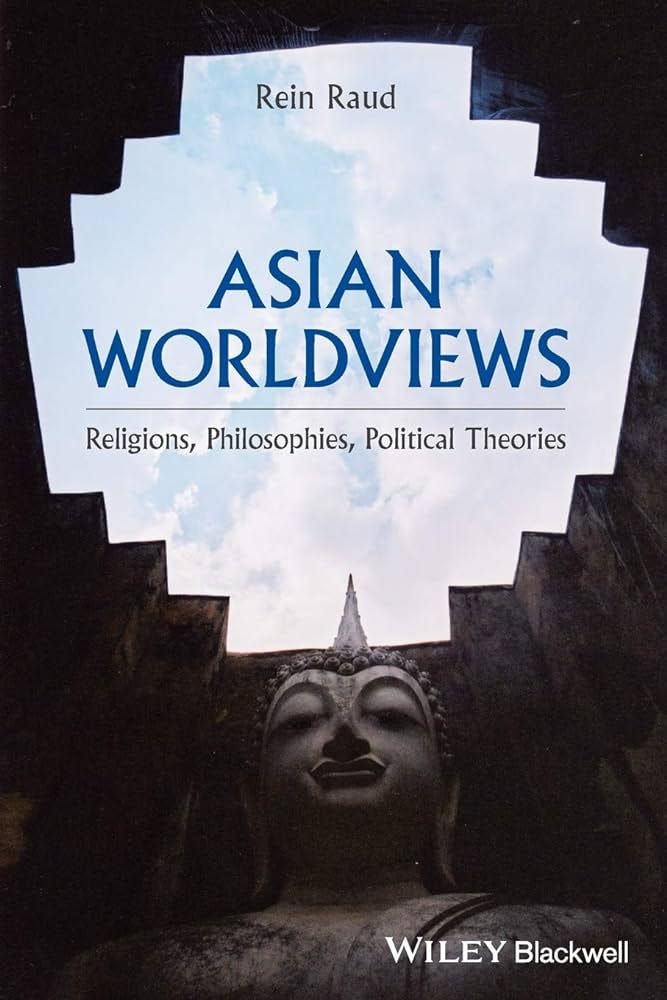
Image: Amazon.com

He presents his book as such:

“The aim of this book is to acquaint its reader with the rich thought traditions of Asia (India, China, Japan, Korea, Tibet, and South East Asia), which have mutually influenced each other throughout history and consequently share large parts of their intellectual heritage. It can serve both as an introductory textbook for the future specialist and as a source of background knowledge for those whose primary interest lies outside Asian Studies, be it religious studies, Western philosophy, political science or anything else. No previous knowledge of the history or cultures of this region is presupposed, entanglement in specific debates is avoided and names and terms have been kept to the minimum.”

Well, it sounds like a nice introduction, and it is. This is the best one I have ever read in English. It is composed of four chapters dedicated to specific geographical areas (“India”, “China”, “Japan”, and “Korea, Tibet, and South East Asia”) and each of these chapters is organized to present the most important elements of each cultural context, be it religious, linguistic, political, or philosophical elements.

Moreover, many of Raud’s explanations do not only concern Asian cultures, but show the importance of East-West cultural exchange in the elaboration of important parts of European and American thought.

Let’s look at just one example. In the first chapter, after a presentation of Indian linguistic thought, he states:

“It is with the discovery of Sanskrit and its grammatical tradition that European linguistics began to evolve towards the form it has taken today. Ferdinand de Saussure, the most crucial figure in formulating modern ideas about language, wrote his dissertation on Sanskrit grammar and lectured on the subject for the remainder of his life. Thus, we can be fairly sure that he was thoroughly familiar with Indian linguistic thought. Leonard Bloomfield studied Pānini’s work and considered him one of his models, and so did his most ardent critic, Noam Chomsky, who also considered Pānini’s grammar to be the first generative grammar ‘in essentially the contemporary sense of this term’. Thus the influence of Indian linguistic thought, even though rarely highlighted, has been constant in the development of Western linguistics during the twentieth century.”
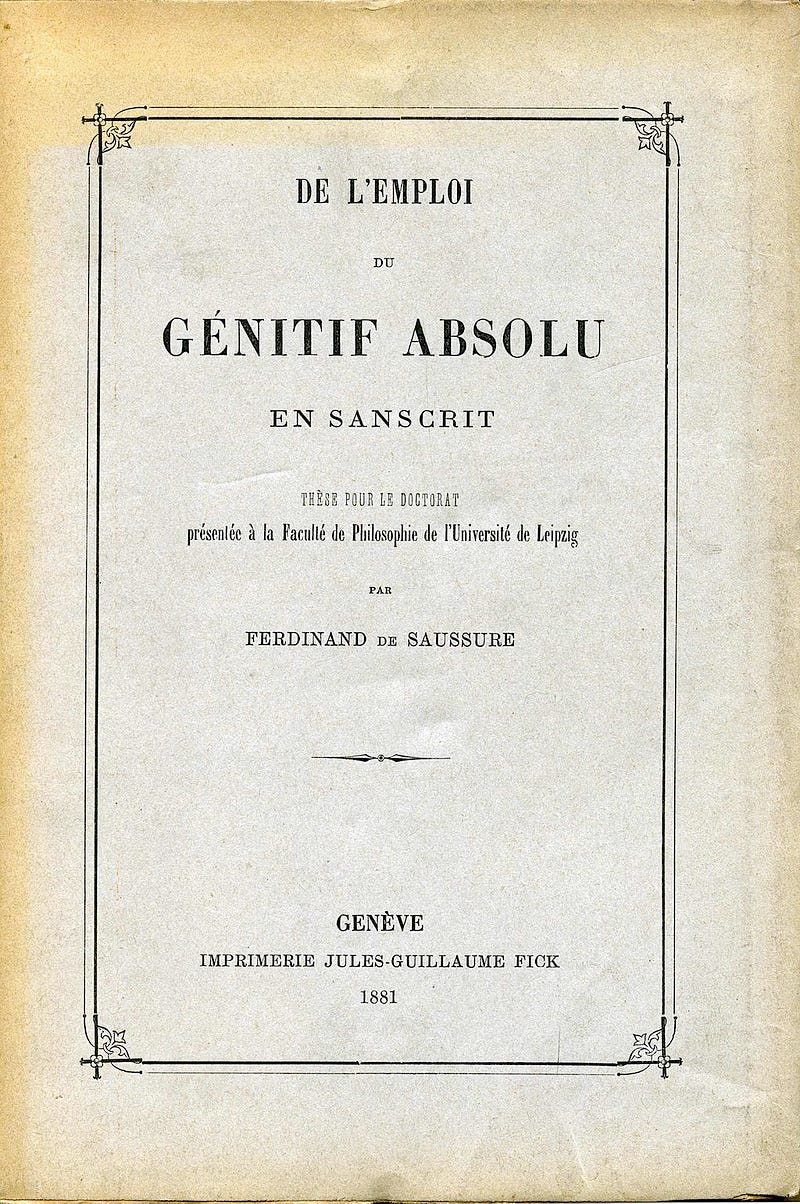
Image: Wikipedia Commons

In this book, Raud offers similar insights in many places, leading to a major reassessment of the Asian contribution to human knowledge, as well as to the actual shape of our perception of our world. It is also easy to read. Raud is a scholar and novelist who likes to share his knowledge and insights in a way that is easy to understand for his readers.

I am not going to write a long description of the contents of this book, nor am I going to ask you to buy it through some affiliate links. I will only invite you to take a look at this book, borrow it from the library, read it standing in a bookstore, or buy it somewhere. I am quite sure that it will give you valuable insight into understanding our world and how we collectively often misunderstand Asian cultures.

Thank you for reading. If you enjoyed it and would like to support me, there are several ways, all of which I would greatly appreciate.

  1. Engage with this article by clapping, commenting, highlighting it.
  2. Subscribe to my Medium stories.
  3. Buy me a coffee!
Philosophy
Books
Asia
Religion
Political Science
Recommended from ReadMedium