avatarJeremy Roberts

Free AI web copilot to create summaries, insights and extended knowledge, download it at here

4699

Abstract

al crescendo with a spine-tingling scream of “Babaayyyy…It’s You!” Smith’s reimagining sounds nothing like the Shirelles or Beatles.</p> <figure id="b679"> <div> <div> <img class="ratio" src="http://placehold.it/16x9"> <iframe class="" src="https://cdn.embedly.com/widgets/media.html?src=https%3A%2F%2Fwww.youtube.com%2Fembed%2F-NCg6H5DOLc%3Ffeature%3Doembed&amp;display_name=YouTube&amp;url=https%3A%2F%2Fwww.youtube.com%2Fwatch%3Fv%3D-NCg6H5DOLc&amp;image=https%3A%2F%2Fi.ytimg.com%2Fvi%2F-NCg6H5DOLc%2Fhqdefault.jpg&amp;key=a19fcc184b9711e1b4764040d3dc5c07&amp;type=text%2Fhtml&amp;schema=youtube" allowfullscreen="" frameborder="0" height="480" width="640"> </div> </div> </figure></iframe></div></div></figure><p id="5c37">Smith scored additional fans when they appeared live on <i>The Ed Sullivan Show </i>in New York City. Bolting from the usual tradition of having guests mime their latest hit, “really big shew” Sullivan demanded that everyone perform live vocals and instrumentation. The band rose to the occasion in fine fashion, resplendent in fringe and exotic love beads.</p><p id="3912">Relatively little is known about Smith beyond their one major hit single. Subsequent A-sides and a follow-up album, the much more cohesive <i>Minus-Plus</i> embellished by guitarist Jerry Carter’s original songwriting and extra McCormick lead vocals in spite of her being temporarily committed for mental issues, were released with diminishing returns — “Take a Look Around” was their second highest charting A-side at No. 43 while Carole King’s fantastically desperate “What Am I Gonna Do” deserved a Top Ten placement — until the band unceremoniously folded two years after its formation.</p><p id="17a6">Sadly, McCormick, who seemed destined for star status, had a brief solo career on various record labels but basically abandoned the limelight by the mid-’70s. She remained reclusive until her death from advanced lung cancer on March 1, 2016. McCormick’s decision to withdraw from public life draws ample comparisons to “Ode to Billie Joe” <a href="https://readmedium.com/nobodys-bumpkin-unmasking-mississippi-delta-chanteuse-bobbie-gentry-f4db9fdce628">singer-songwriter Bobbie Gentry.</a> Incidentally, both had hit songs arranged by Haskell.</p><p id="699d">Maverick cult-cum-mainstream director Quentin Tarantino rejuvenated “Baby It’s You” in his grindhouse action flick <i>Death Proof</i> starring Kurt Russell in 2007. Vintage collectors label <a href="http://www.realgonemusic.com/news/2013/12/13/smith.html">Real Gone Music</a> finally remedied Smith’s long out-of-print discography seven years later by coupling <i>A Group Called Smith</i> and <i>Minus-Plus</i> onto one CD with fascinating liner notes penned by All Music Guide’s Richie Unterberger. The latter album had previously only been floating around in inferior sounding bootleg editions [annoyingly “The Weight” was left off Real Gone’s reissue]. You can also stream on <a href="https://www.amazon.com/Group-Called-Smith/dp/B00B2XHD22/ref=sr_1_1?s=dmusic&amp;ie=UTF8&amp;qid=1515389937&amp;sr=1-1-mp3-albums-bar-strip-0&amp;keywords=group+called+smith">Amazon</a>, <a href="https://itunes.apple.com/ca/album/a-group-called-smith/592647244">iTunes</a>, or <a href="https://open.spotify.com/artist/5Wcc9ojw03wJUXhgkToSD6">Spotify</a>.</p><p id="03d2">Smith’s fleeting but memorable trajectory into the upper rock echelon is unquestionably ripe for reappraisal among ’60s rock, pop, and soul aficionados.</p><figure id="699a"><img src="https://cdn-images-1.readmedium.com/v2/resize:fit:800/1*Mp48O1Hn36LVEgUg0G2l-Q.jpeg"><figcaption><b><i>The red-soaked single cover of Smith’s “Baby It’s You” b/w “I Don’t Believe [I Believe],” a No. 5 POP hit when it debuted on Billboard on September 6, 1969. Gayle McCormick is pictured belting out the song at an outdoor rock festival somewhere. Image Credit: 45Cat user </i>BandBox244; <i>Geffen Records</i></b></figcaption></figure><figure id="b8d3"><img src="https://cdn-images-1.readmedium.com/v2/resize:fit:800/1*bNSvIw59MEeRqveOe03aCQ.jpeg"><figcaption><b>“What Am I Gonna Do” b/w “Born in Boston,” the third single released by Smith on Dunhill Records in May 1970. Music critic Richie Unterberger believes the Carole King / Toni Stern co-composition, which reached a dismal No. 73 POP, is Smith’s crowning achievement — this writer agrees wholeheartedly. Image Credit: 45Cat user BandBox244 / Geffen Records</b></figcaption></figure><figure id="c324"><img src="https://cdn-images-1.readmedium.com/v2/resize:fit:800/1*_R0bRBhdanNhuh6DnyQ_Ww.jpeg"><figcaption><b>The cover of Smith’

Options

s second, ultimately final album, “Minus-Plus,” which reached a meager No. 74 POP shortly after its July 4, 1970 debut on Billboard. Consisting of more original material, the record is a noticeable improvement upon its predecessor and may have sold more copies if not delayed by lead singer Gayle McCormick’s apparent nervous breakdown. Lead cut “You Don’t Love Me [Yes I Know],” while never released as a single 45, is a bona fide highlight and exemplifies why fans admire McCormick’s gutteral soul singin’. Photography and Design by Tom Gundelfinger O’Neal / Geffen Records</b></figcaption></figure><figure id="29f8"><img src="https://cdn-images-1.readmedium.com/v2/resize:fit:800/1*Q7I9qLhlWBzPizf_HDatew.jpeg"><figcaption><b>The cover of a 2014 reissue containing the complete recordings of Smith featuring Gayle McCormick. “A Group Called Smith” arrived in August 1969 while the group’s final LP, “Minus-Plus,” hit stores in June 1970. The latter remained unavailable on cassette or CD for an astounding 44 years. <i>Photography </i>by Tom Gundelfinger O’Neal / <i>Real Gone Music</i></b></figcaption></figure><figure id="0ce8"><img src="https://cdn-images-1.readmedium.com/v2/resize:fit:800/1*0MkcZu785VanvIIcvPtHkg.jpeg"><figcaption><b>“I know you’ve been asking for it, but could you give me a little more time? The new Smith single, coming soon.” A black and white publicity still finds Smith frontwoman Gayle McCormick doing her thing as she cradles a microphone stand onstage, circa summer 1970. Image Credit: Dunhill / Geffen Records</b></figcaption></figure> <figure id="64dd"> <div> <div> <img class="ratio" src="http://placehold.it/16x9"> <iframe class="" src="https://cdn.embedly.com/widgets/media.html?src=https%3A%2F%2Fwww.youtube.com%2Fembed%2FmvL34vmhOaM%3Ffeature%3Doembed&amp;url=http%3A%2F%2Fwww.youtube.com%2Fwatch%3Fv%3DmvL34vmhOaM&amp;image=https%3A%2F%2Fi.ytimg.com%2Fvi%2FmvL34vmhOaM%2Fhqdefault.jpg&amp;key=d04bfffea46d4aeda930ec88cc64b87c&amp;type=text%2Fhtml&amp;schema=youtube" allowfullscreen="" frameborder="0" height="480" width="640"> </div> </div> </figure></iframe></div></div></figure> <figure id="0adc"> <div> <div> <img class="ratio" src="http://placehold.it/16x9"> <iframe class="" src="https://cdn.embedly.com/widgets/media.html?src=https%3A%2F%2Fwww.youtube.com%2Fembed%2Fc-kyZRHb4Hk%3Ffeature%3Doembed&amp;url=http%3A%2F%2Fwww.youtube.com%2Fwatch%3Fv%3Dc-kyZRHb4Hk&amp;image=https%3A%2F%2Fi.ytimg.com%2Fvi%2Fc-kyZRHb4Hk%2Fhqdefault.jpg&amp;key=a19fcc184b9711e1b4764040d3dc5c07&amp;type=text%2Fhtml&amp;schema=youtube" allowfullscreen="" frameborder="0" height="480" width="640"> </div> </div> </figure></iframe></div></div></figure><div id="066e" class="link-block"> <a href="https://readmedium.com/further-into-rock-territory-rediscovering-the-dillards-blazing-roots-and-branches-1972-album-e9acf86f8039"> <div> <div> <h2>Further into rock territory: Rediscovering the Dillards’ blazing ‘Roots and Branches’ 1972 album</h2> <div><h3>Surviving Dillards Rodney Dillard and Dean Webb recall the bluegrass band’s ballsy bid for mainstream rock success with…</h3></div> <div><p>medium.com</p></div> </div> <div> <div style="background-image: url(https://miro.readmedium.com/v2/resize:fit:320/1*972zEwSbYiDehlejdXDwfw.jpeg)"></div> </div> </div> </a> </div><div id="341c" class="link-block"> <a href="https://readmedium.com/heart-to-heart-with-two-and-a-half-men-outsider-jennifer-taylor-187052e1d1"> <div> <div> <h2>Heart to heart with ‘Two and a Half Men’ outsider Jennifer Taylor</h2> <div><h3>In her most expansive interview, Charlie Sheen’s former TV fiancé talks #MeToo, bad auditions, God, love, healthy…</h3></div> <div><p>medium.com</p></div> </div> <div> <div style="background-image: url(https://miro.readmedium.com/v2/resize:fit:320/1*HcYRGhKvojWIAXLy9kEKFQ.jpeg)"></div> </div> </div> </a> </div><p id="c96b"><i>© Jeremy Roberts, 2013, 2018. All rights reserved. To touch base, email <a href="mailto:[email protected]"></a></i><a href="mailto:[email protected]">[email protected]<i></i></a><i> and mention which story led you my way. I appreciate it sincerely.</i></p></article></body>

The timeless allure of Smith’s ‘Baby It’s You’ one hit wonder cover
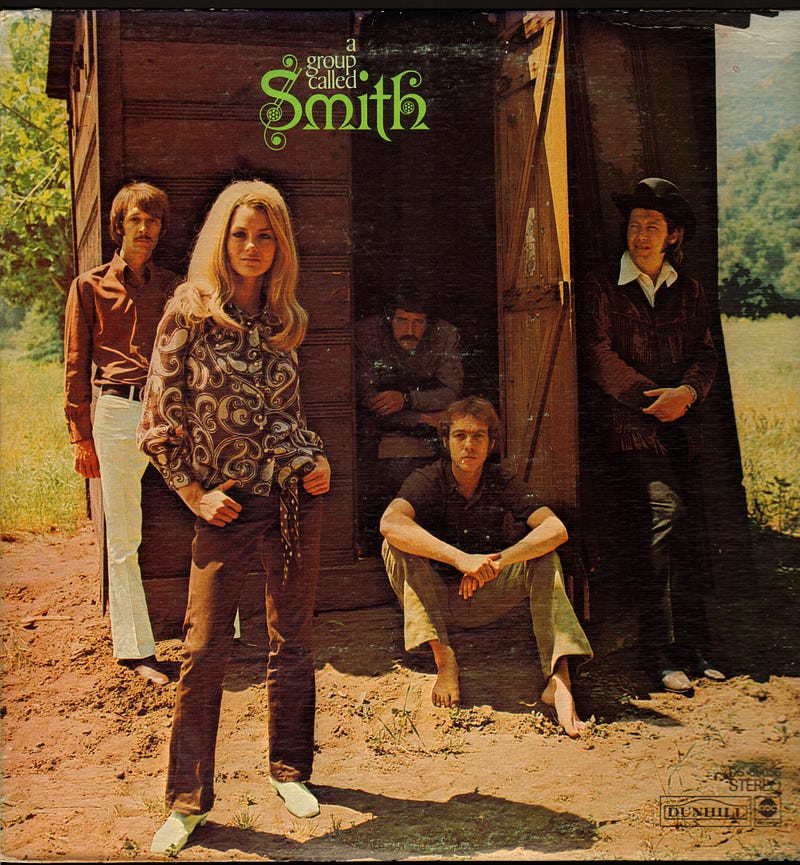
Smith was a one hit wonder band during the Age of Aquarius fronted by blond-haired, soul-conjuring vixen Gayle McCormick. Learn about their No. 5 smash rendition of the Shirelles’ “Baby It’s You,” a defiant declaration of a girl’s steadfast love even when friends try to convince her that her boyfriend’s no good earlier covered by John Lennon and the Beatles. Seen above amid humble origins in a makeshift shack, Smith pose for the cover of their debut long-player, “A Group Called Smith,” a No. 17 POP album released in August 1969 on Dunhill Records. Photography by Paul Slaughter / Design by Apple Graphics / Geffen Records

Not to be confused with ’80s English rock band the Smiths, best known for introducing Morrissey and guitarist Johnny Marr to a national stage, Smith was a one hit wonder band fronted by blond-haired, soul-conjuring vixen Gayle McCormick. In the Age of Aquarius they notched a notable No. 5 pop smash on Billboard with a cover of “Baby It’s You.”

The song, a defiant declaration of a girl’s steadfast love even when friends try to convince her that her boyfriend’s no good — or vice versa, depending on the singer’s gender — was originally composed by Brill Building stalwarts Burt Bacharach, Mack David, and Luther Dixon. Pioneering African American female quartet the Shirelles got their hands on the song first in 1961. Their version nearly topped the R&B chart [No. 3] but stalled at No. 8 pop wise.

The Beatles, especially John Lennon, took a shine to the girl group’s intricate vocal harmonies and recorded it along with “Boys” on their debut long player, Please Please Me. The Beatles’ 1963 cover closely emulated the Shirelles’ rendition although the four lads from Liverpool opted for some innovative “cheat, cheat” call and response vocal theatrics after the telling line, “Is it true what they say about you?”

Formed in Los Angeles between the influential Monterey Pop Festival and Woodstock, Smith was swiftly discovered in North Hollywood’s Rag Doll Club by Brian Hyland and Rock and Roll Hall of Famer Del “Runaway” Shannon. They combined rock, pop, and blues into an alluring kaleidoscope which late ’60s AM deejays embraced wholeheartedly.
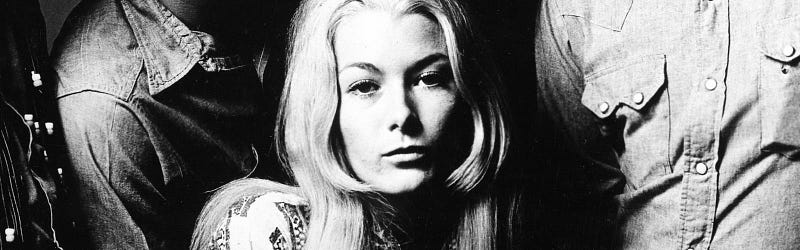
“But you left me here alone, you said it all takes time, I should keep the place together, keep everything in line, until you’d come back for me…baby, I think I’m dyin’!” Lyrics from Carole King and Toni Stern’s “What Am I Gonna Do” as performed by Smith featuring Gayle McCormick. Here is the elusive chanteuse in May 1969. Image Credit: Michael Ochs Archives / Getty Images

Sometime in the spring of 1969, Peter Fonda was compiling the soundtrack to his counterculture-affirming Easy Rider and wanted to include the Band’s roots rock single “The Weight.” Unfortunately, licensing issues with the Band’s record label, Capitol, kept their song in the definitive film but not on the hugely successful soundtrack. Fonda was forced to select an alternate version by another artist. Enter Smith.

Fortuitous timing — or perhaps strategic maneuvering — by the quintet’s record label, Dunhill, encouraged the simultaneous release of A Group Called Smith in late July 1969, eventually guaranteeing a Top 20 chart position although the other covers on the album were generally pedestrian and uninspiring despite the production talents of Joel Sill and Steve Barri [the latter co-wrote Barry McGuire’s “Eve of Destruction” and Johnny Rivers’ insanely catchy “Secret Agent Man”].

Nevertheless, “Baby It’s You”, the concluding two-and-a-half minute track on side one of the original vinyl, had all the ingredients required for hit single status. And boy, did it deliver in spades.

Shannon aided in the basic roots rock arrangement — albeit uncredited, he also let the group rehearse extensively in his home — with horns by Jimmie Haskell during the chorus. McCormick belts the lyrics with intense abandon. Her soul-drenched, awesome vocals led many to believe McCormick was African-American. A wild B-3 organ solo by Tulsa keyboardist Larry Moss leads a short instrumental vamp, anchored by a perfectly mixed rhythm section, until the singer signals the final crescendo with a spine-tingling scream of “Babaayyyy…It’s You!” Smith’s reimagining sounds nothing like the Shirelles or Beatles.

Smith scored additional fans when they appeared live on The Ed Sullivan Show in New York City. Bolting from the usual tradition of having guests mime their latest hit, “really big shew” Sullivan demanded that everyone perform live vocals and instrumentation. The band rose to the occasion in fine fashion, resplendent in fringe and exotic love beads.

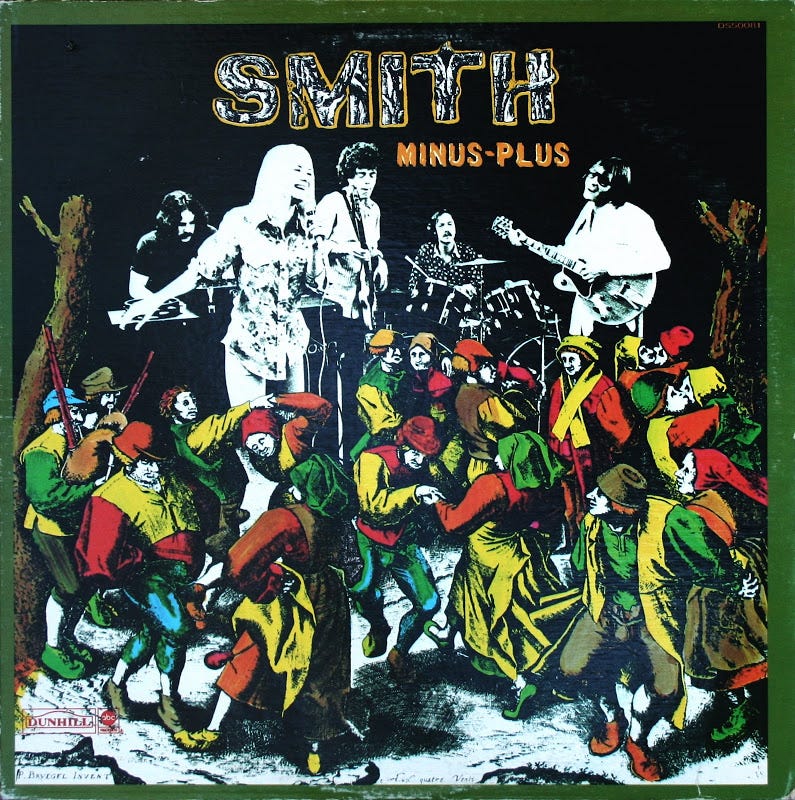
Relatively little is known about Smith beyond their one major hit single. Subsequent A-sides and a follow-up album, the much more cohesive Minus-Plus embellished by guitarist Jerry Carter’s original songwriting and extra McCormick lead vocals in spite of her being temporarily committed for mental issues, were released with diminishing returns — “Take a Look Around” was their second highest charting A-side at No. 43 while Carole King’s fantastically desperate “What Am I Gonna Do” deserved a Top Ten placement — until the band unceremoniously folded two years after its formation.

Sadly, McCormick, who seemed destined for star status, had a brief solo career on various record labels but basically abandoned the limelight by the mid-’70s. She remained reclusive until her death from advanced lung cancer on March 1, 2016. McCormick’s decision to withdraw from public life draws ample comparisons to “Ode to Billie Joe” singer-songwriter Bobbie Gentry. Incidentally, both had hit songs arranged by Haskell.

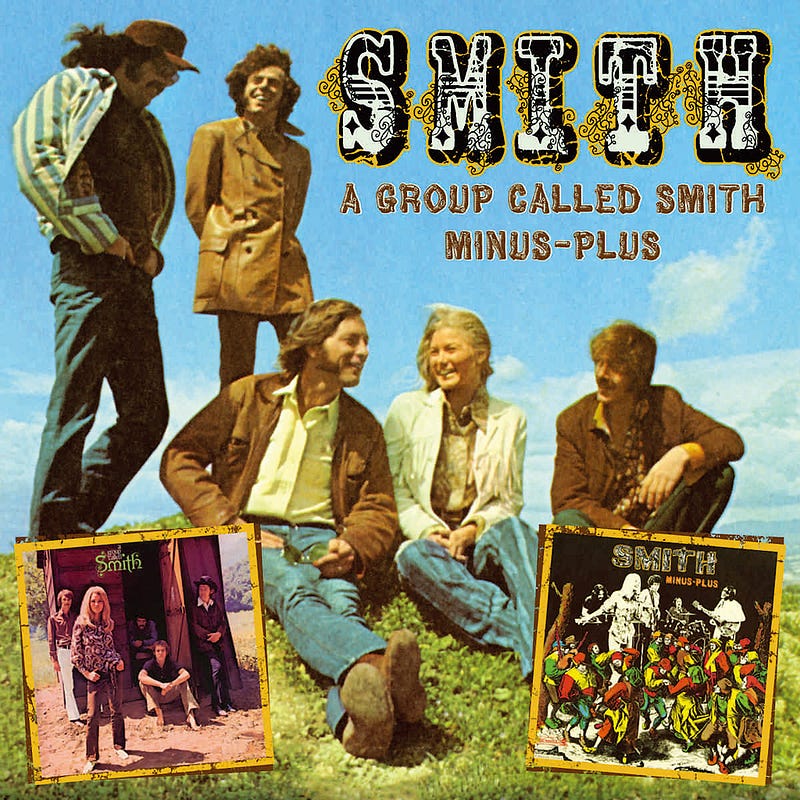
Maverick cult-cum-mainstream director Quentin Tarantino rejuvenated “Baby It’s You” in his grindhouse action flick Death Proof starring Kurt Russell in 2007. Vintage collectors label Real Gone Music finally remedied Smith’s long out-of-print discography seven years later by coupling A Group Called Smith and Minus-Plus onto one CD with fascinating liner notes penned by All Music Guide’s Richie Unterberger. The latter album had previously only been floating around in inferior sounding bootleg editions [annoyingly “The Weight” was left off Real Gone’s reissue]. You can also stream on Amazon, iTunes, or Spotify.

Smith’s fleeting but memorable trajectory into the upper rock echelon is unquestionably ripe for reappraisal among ’60s rock, pop, and soul aficionados.
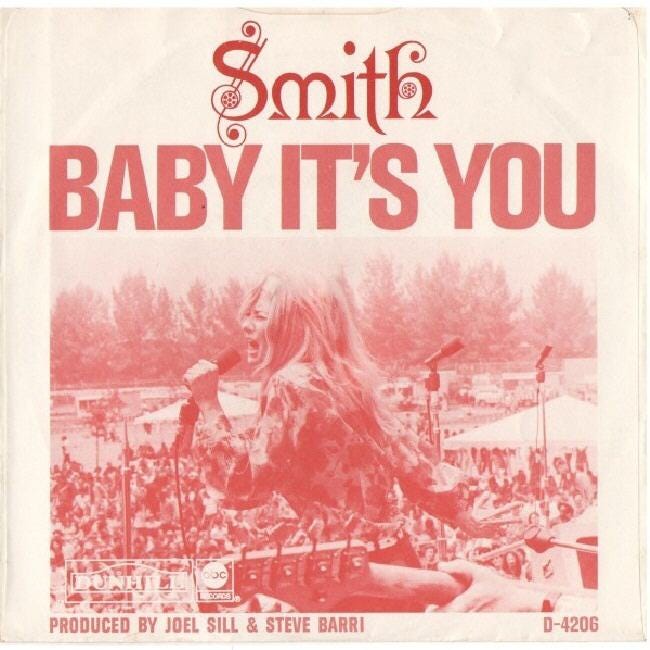
The red-soaked single cover of Smith’s “Baby It’s You” b/w “I Don’t Believe [I Believe],” a No. 5 POP hit when it debuted on Billboard on September 6, 1969. Gayle McCormick is pictured belting out the song at an outdoor rock festival somewhere. Image Credit: 45Cat user BandBox244; Geffen Records
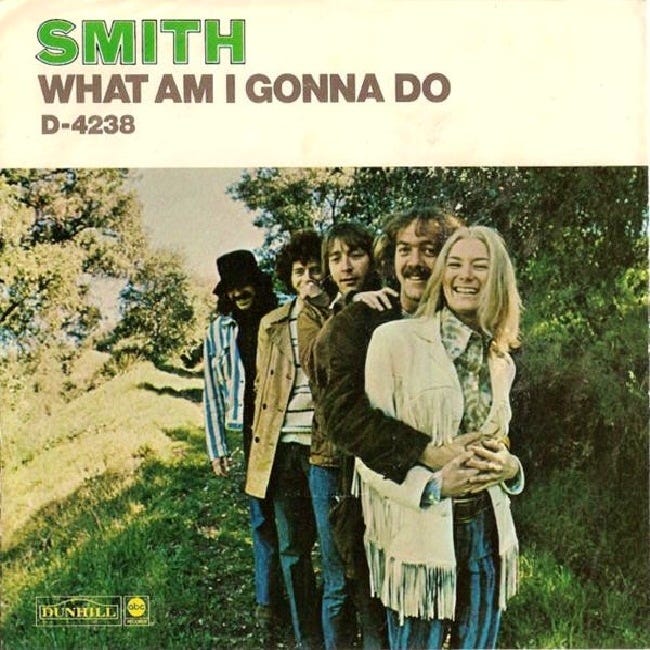
“What Am I Gonna Do” b/w “Born in Boston,” the third single released by Smith on Dunhill Records in May 1970. Music critic Richie Unterberger believes the Carole King / Toni Stern co-composition, which reached a dismal No. 73 POP, is Smith’s crowning achievement — this writer agrees wholeheartedly. Image Credit: 45Cat user BandBox244 / Geffen Records
The cover of Smith’s second, ultimately final album, “Minus-Plus,” which reached a meager No. 74 POP shortly after its July 4, 1970 debut on Billboard. Consisting of more original material, the record is a noticeable improvement upon its predecessor and may have sold more copies if not delayed by lead singer Gayle McCormick’s apparent nervous breakdown. Lead cut “You Don’t Love Me [Yes I Know],” while never released as a single 45, is a bona fide highlight and exemplifies why fans admire McCormick’s gutteral soul singin’. Photography and Design by Tom Gundelfinger O’Neal / Geffen Records
The cover of a 2014 reissue containing the complete recordings of Smith featuring Gayle McCormick. “A Group Called Smith” arrived in August 1969 while the group’s final LP, “Minus-Plus,” hit stores in June 1970. The latter remained unavailable on cassette or CD for an astounding 44 years. Photography by Tom Gundelfinger O’Neal / Real Gone Music
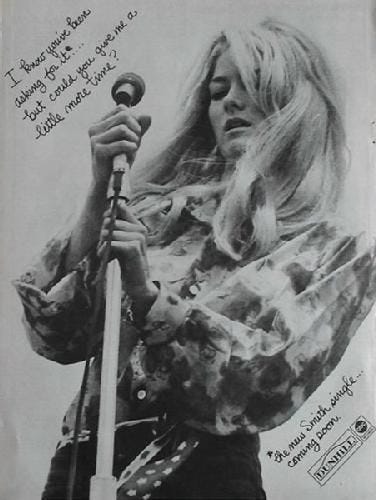
“I know you’ve been asking for it, but could you give me a little more time? The new Smith single, coming soon.” A black and white publicity still finds Smith frontwoman Gayle McCormick doing her thing as she cradles a microphone stand onstage, circa summer 1970. Image Credit: Dunhill / Geffen Records

© Jeremy Roberts, 2013, 2018. All rights reserved. To touch base, email [email protected] and mention which story led you my way. I appreciate it sincerely.

Music
Beatles
Hippies
Creativity
Culture
Recommended from ReadMedium