
Once Upon a Time in Hollywood: Permanence is Actually Ephemeral
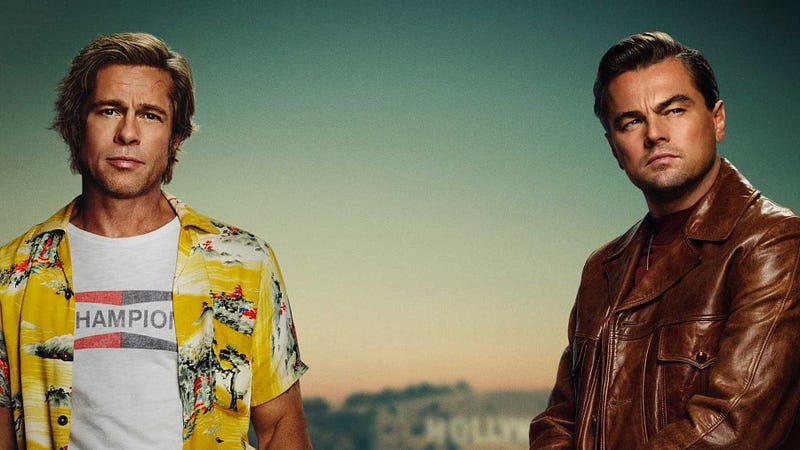
So, there must be at least eleventy billion commentaries on one of the biggest summer blockbusters of 2019, said to be Quentin Tarantino’s penultimate film before he moves on from making movies.
While it’s not his last film yet, his fans know the end is coming and are mourning in advance. With and without the context of this particular movie, film critics and commentators have been speaking with much fervor the past two months on Tarantino being problematic with respect to women in his films, over-the-top violence, and the simple fact that he’s a guy who makes movies about movies. Which is an abstract that was really cranked up to 11 in Once Upon a Time in Hollywood: it’s literally about how our entertainment gets made, at a time when American culture and media as a whole were irrevocably transforming. Hollywood was no exception to such a monumental shift and the late 1960s heralded the end to what many consider a golden age in movies.
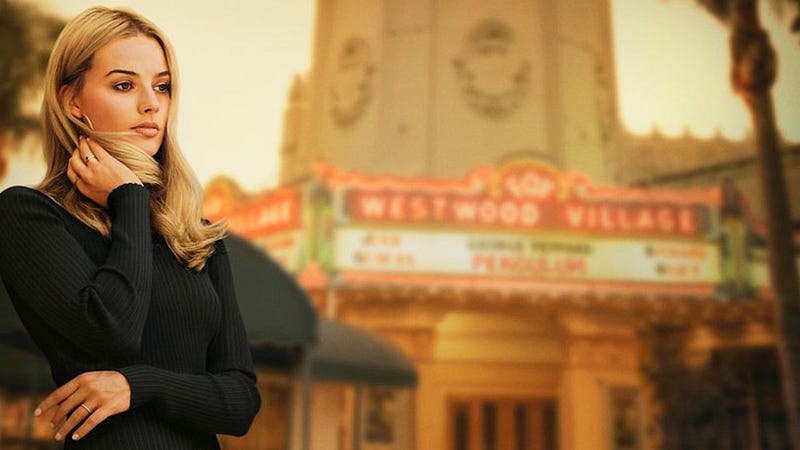
I lost count of how many reviews, Twitter threads, and write-ups I enthusiastically nodded along with, or felt enlightened or infuriated by, all of which came from so many different angles and aspects of Once Upon a Time in Hollywood, some laced with personal stories and some solely from a film criticism standpoint. And to be clear — there are absolutely problems with this movie, such as the portrayal of Bruce Lee and how his character is being used in promotional materials, and the notable absence of women characters: one scene where Margot Robbie as Sharon Tate enjoys her own work was all we got. Every other woman is a bit part or scenery, although women being treated as an accessory was a hallmark of this “golden age” that too many people seem to be lamenting.
Ergo, I won’t be linking any of these opinions because it’s overwhelming. I’m now one of millions of movie-goers throwing in my two cents, so here we go.
Suffocating Under the Mushroom Cloud of 1960s Nostalgia
Like many older Millennials, I grew up in the shadow of Boomer culture. I wrote about my childhood and how a constant inflow of 1960s music gave me an ardent love-hate relationship with it. I thought the hate side stemmed from that feeling of being suffocated by a refusal to acknowledge time passed in my household. A household is but a tiny microcosm in the grand scheme of things, though it’s an entire world when you’re a child and you have no control over how it’s built. But upon discussion with hundreds of my peers, many of us felt as if our own pop culture bulwarks were constantly being smothered by the music, TV shows, and sundry that our parents adored, just like tossing a wet bath towel over a Skip-It that caught fire.
People say this movie is an allegory for Tarantino’s career and having to moveon from how he made movies, that no one wants to take risks anymore. If anything, Once Upon a Time in Hollywood shows that the 1960s were no different than the 90s or even now, in terms of this centrifugal force that yearns to move forward and make space for new talent and aesthetics while the old guard is having a crisis over the possibility of becoming irrelevant.
That fear of irrelevance and lacking permanence seems to have completely corrupted countless countless decision-makers.
Why else are we getting endless remakes and sequels, or milking of the same IPs, when there’s so much talent creating new worlds for us to see and identify with? Why are the fucking 1960s constantly lionized as THE BEST and most revolutionary era in every direction? Hasn’t enough time passed to have revolutionary new blood already?
There’s definitely no denying that the 1960s were a time of social upheaval. But as for the media that the time produced? Well, in 1968 the Hays Code was ushered out in favor of the MPAA rating system so filmmakers didn’t have to thoroughly sanitize their art to get a standard theatrical release. Grittiness was allowed to come to the surface instead of suppressing it like the 1950s had tried to portray the world: a sexless alien milieu where crushing poverty just builds character, queer and disabled people don’t exist, and there’s no such thing as date or marital rape. Just a bunch of pastels in a faded composition of swing dresses, cars with round headlights, victory rolls, and postwar culinary terrors that promise a simpler life that pretty much only the straight white men in those movies and illustrations enjoyed.
Tying in with that is the real-life events woven into this tale of bromance. There’s so much about the Manson Family murders that is too much to dive into in one essay, Wikipedia and the Museum of Death in Hollywood can tell you a lot more than I can, but it seemed apt that this particular turn of events is what tied in with a romp that felt more like a Jackie Collins novel than standard Tarantino fare. By most accounts of how the cult formed, Charlie Manson was incredibly charismatic and easily influenced people. He also got them interested with the promise of a racial holy war that was going to happen very soon. It makes one wonder how many of his recruits came from middle class white kids protesting the integration of schools in what was supposedly a revolutionary decade.
Between 1969 and now, some people never got the memo that times do change. What used to be a shrugging off of those changes, even if there were complaints and resistance, is now blathering about how Millennials are killing things. We can’t have anything of our own, not even a goddamn generation because even the word “Millennial” has just become a catch-all for “anyone under 40”.
I mean, Millennials are still being told to wait their turn even though we’re in our mid-thirties with mortgages and/or kids if we can afford them. The average age of Congressmen is 57.8 years, 61.8 for Senators, the oldest in history so if you’re under 40 you barely get any political representation even though we’re going to be left cleaning up this mess well into retirement age (wait, what retirement?) with still nothing of our own: culture, roots, homes, you name it.
Before I get a ton of angry Boomers on my ass about this, relax, your legacies will live on. Culture can sometimes become permanent but not all of it is meant to be so. The world moved on from leading men like Rick Dalton, it moved on from music videos that glamorized stalking in the 1980s, then it moved on from the cyperpunk movies showing programmers who could basically destroy the Pentagon from an Internet cafe.
A legacy is permanent. Culture, not always.
Anywhere I Roam
I like a lot of Tarantino’s early work, but something about watching this movie was akin to getting excited about a really strong and coppery cup of tea you just brewed, but you’re waiting and waiting and it’s still not at the desired strength so you’re reluctantly sipping on brown water just because you’re thirsty and need a little jolt. It was ironic I had just attended the Game Devs of Color Expo that weekend, where one of the speakers said a surefire way to get people talking about your game was to totally subvert peoples’ expectations which is what happened with Doki Doki Literature Club.
My expectations were subverted with how slowly things were moving. As my ass started to fall asleep in the chair at Alamo Drafthouse, I found it harder to stay engaged compared to prior Tarantino epics and wondered where the actual story began. That is, until a line that stood out to me and motivated me to write this very essay, even if it happened a little later than I would’ve liked. That line being, “Hollywood is a town where you’re there to stay.” in reference to Rick’s deriding Roman Polanski and Sharon Tate for renting the ill-fated home adjacent to his on Cielo Drive instead of buying it.
This smacked me on a visceral level because affordability issues aside, something that my generation is struggling with as a whole is putting down roots. We marry less because we’re aware relationships don’t have to be permanent and career changes can cause one partner to resent the other if one is keen on relocating and the other isn’t. People thought I was taking such a huge risk on going into games and digital media full-time, though I knew ever since the recession that jobs aren’t permanent. Hell, entire careers aren’t permanent based on things like market forces, lack of unions, automation/technology, regulation, and personal circumstances.
But what about the inverse when you’ve actually been in the same place forfuckingever and you’ve put roots down, but all the leaves are dead? Or they never came in the first place? Your location can be permanent but the world around you changes whether you like it or not. My leaves are dead, hence the desire to move.
New York is often regarded as a bastion of shunning permanence. Well, Manhattan at least though I sure as hell wasn’t visiting the Brooklyn that inspired numerous Type O Negative paeans that night at the movies. Beloved institutions in the city have fallen and turned into a corporate chain dystopia, so it’s not like how automats got replaced with ordering food from an app. The Bronx isn’t ripe for gentrification to the same degree due to the high concentration of state and city owned land, but I’m certainly noticing changes in my home of 130-some years even if they were slow to happen up here.
But the New York I know has no in-between: you’re either here forfuckingever, or you’re just another number that comes and goes in search of that next job or gig, lower rent, romance, and no idea how permanent any of it will be in turn. You can’t even buy property here unless you’re going to be locked in FOREVER: the co-op model ruins the warm fuzzy feels that come with the word “co-op” because you have to fight like hell to get in or out of that apartment.
Coming from a frame of reference in the games industry, our field is notorious for nothing ever being permanent. Our legacies are permanent but I’ve had dye jobs last longer than job jobs. Indie developers may own their work, but business models for indie games and independent labor are a revolving door. Player behaviors and and preferences change, so do the way people view games. LA is still an industry hotbed but not the only place where people make games now.
As I’ve been contemplating leaving The Bronx for Hollywood ever since a moment of clarity this summer, I’ve been thinking about the dualities of permanence and a complete lack thereof which have colored my adult life and what can be chalked up to structural issues and personal circumstances. Anyone who makes a living digitally has the ability to take their work anywhere they please without needing to be bound to one specific area to pay the bills. Opportunities are lost and found, and you get the luxury of making such a significant move more personal in nature opposed to strictly work-related (although LA being a free agents’ town while NYC favors day jobs is a huge factor here).
The film is a love letter to the city and its facets of permanence and short-term pleasures, just like how John Hughes movies were love letters to Chicago. Industries might have a foothold in the same place forever, so can scenes and communities. Or maybe one day we’ll just see a monument to LA being the beacon of film and games and the new hot seat will be Sheboygan, Wisconsin for all we fucking know.
Rick is dying to go back to his former glory and finds the career changes and downgrading of his lifestyle unseemly. While to anyone else it would seem like he still did pretty well for himself, this whole plot doesn’t just feel like an allegory for Tarantino’s career and what Hollywood is like today. It’s one thing to “go big or go home” but many people carry this absolutism with them in their daily lives; like why bother trying to start a business if you’re not going to rake in at least a million bucks a year! Why bother dating unless you only find absolute perfection in your prospective partner! Why bother with a lot of things! Yet we’re told to accept moderate solutions in our politics, which has only proven to cause resent, apathy, and needless deaths and suffering.
Rick isn’t content with a legacy in Hollywood: he wants his status to be permanent, without realizing how ephemeral it actually is for most people.
The People Who Come In and Out of Your Life
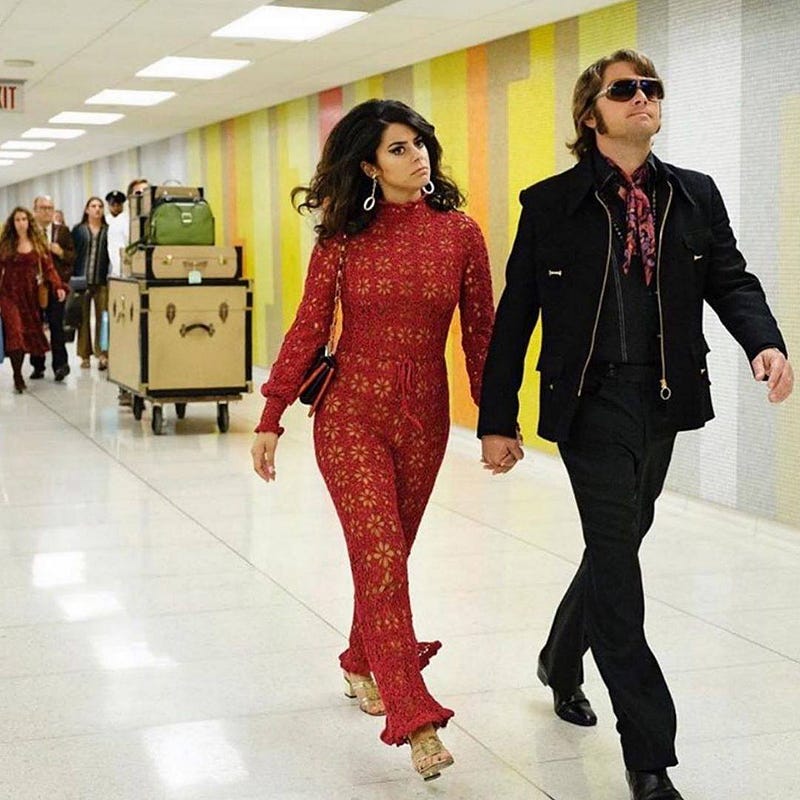
About a decade ago, I hooked up with a guy who was far more into me than I was into him. The strongest memory I have of that night was going to his place and he asked about my future plans: career, marriage, kids, the works. While I was always resolute about not wanting kids, at the time I was on the fence about getting married but leaning towards “not interested in the prospect”. He wanted to know who I’d spend my time with, I responded, “My friends? The [punk] scene?”
He said, “Well, friends fall by the wayside…”
A decade since that regretful evening, I’ve since changed my mind about a long-term relationship or marriage and definitely want it with the life I ended up building. Still don’t want kids. Ended up going for the games and writing career I always wanted and see the professional world I once inhabited go through stark changes, just like the one I’m in now. And well, two of my friendships from that time of my life survived and the rest definitely fell by the wayside whether it was intentional or not.
But what made him, or other people for that matter, think that a partner is any more permanent than a friend?
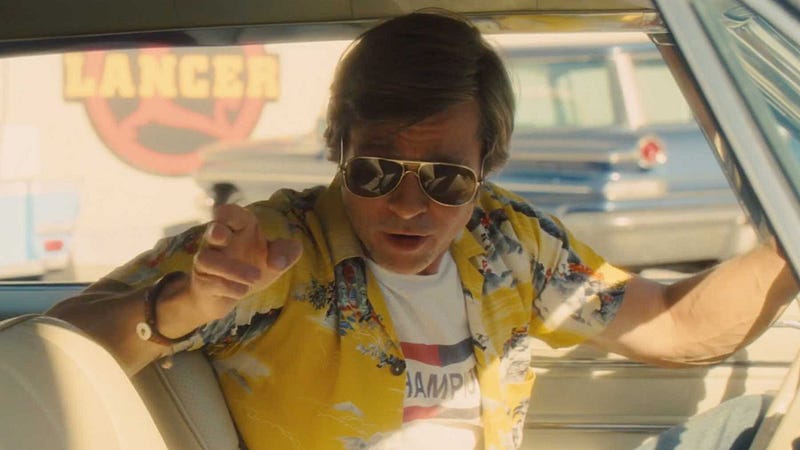
Once Upon a Time in Hollywood plays upon this sad concept. Rick and Cliff basically break up as friends akin to one would with a romantic relationship once he returns from Italy with a wife in tow, who he married after just six months abroad, then the film breaks out into the Tarantino we all know with a huge bloody showdown and completely wrong retelling of what actually happened that night on Cielo Drive. The largely transactional friendship between these men was supposed to mirror the story of Burt Reynolds’ incredibly personal relationship with his stunt double Hal Needham, although it was pretty telling that Rick only wanted to part ways with Cliff once he could no longer afford his services. Even though, true to his word about Hollywood being a place you stay, he was still in the same place but downsizing his lifestyle if his new neighbors couldn’t catapult him back to the apex of his career that TV audiences didn’t see the same way now.
Perhaps some friendships based on more vapid premises won’t last once you run out of that currency, whether it’s money or influence. Others just aren’t meant to be permanent but will teach you something, or maybe help you become a better friend in the future.Romantic partners and friends can come in and out of your life with no semblance of permanence or this feeling that they would always be there. You’re not going to know until you try to reach people, though.
I sometimes find it a little ironic that other people sans kids tell me they lost friends to starting families, but one of the longest-lasting friendships in my life is with someone I knew from the punk scene who’s had the same husband all her life and two kids now. With the advent of social media and just basic smartphones if Twitter’s not your thing, you don’t have to completely ghost on a friend you really dug just because their company is transferring them to Michigan. (But it might be a different story if you start that business you always wanted, and your friends can’t relate to you anymore upon the lifestyle changes it often demands.)
A friendship, relationship, or even a familial relationship might not last forever. It could go through a golden age where you may not like how it turns out now, and you have to decide if you’re in it for the long haul or not bothering to get a ticket for the sequel. Friendships, romantic love, and the concept of home don’t necessarily need to be tied to one place.
We’re all going to die one day so technically, *we* are not actually permanent. But it’s worth thinking about what kind of legacy you’d like to leave behind because your words, creations, accomplishments, who you were as a friend, spouse, sibling, community member, professional, or other capacity that matters to you can certainly have a permanent effect on others, even if it’s not necessarily reflected in block letters atop a hill in southern California.


