Summary
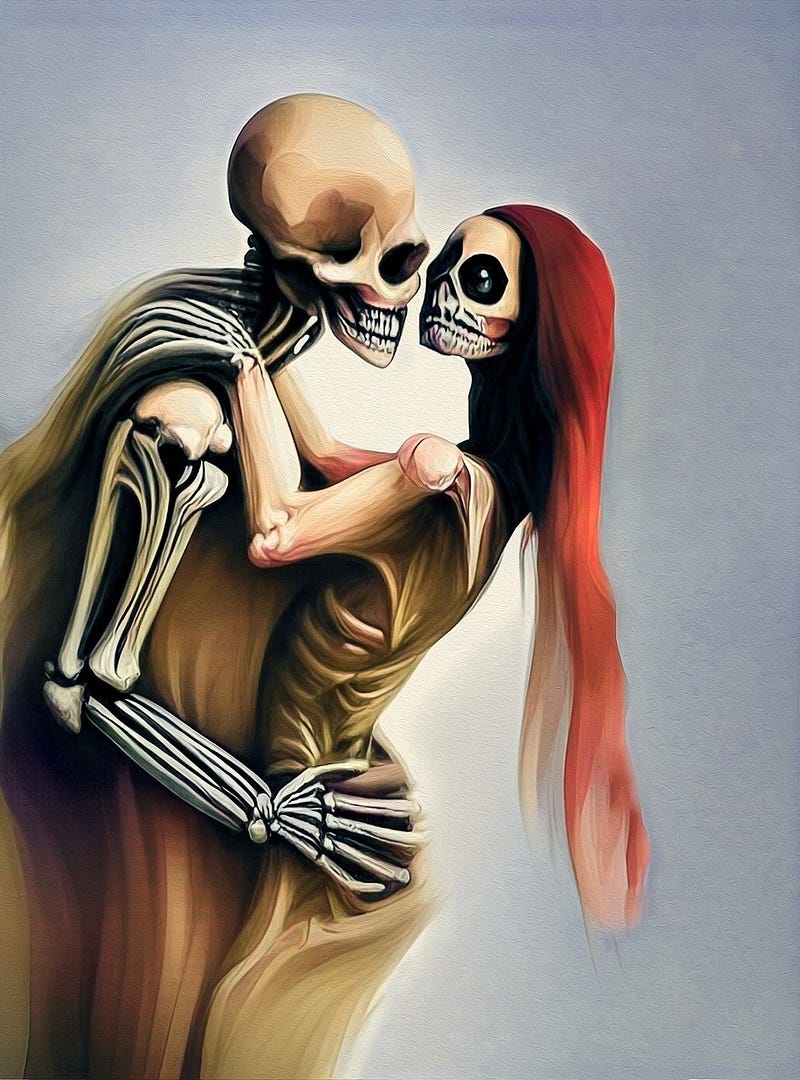
"On the Dancefloors of Death" is a poignant reflection on the fleeting nature of youth and life, depicted through a metaphorical dance with time.
Abstract
The poem "On the Dancefloors of Death" by Linda Sharp is a powerful piece of free verse poetry that contemplates the inexorable passage of time and the inevitability of aging and mortality. It paints a vivid picture of the journey from youthful invincibility to the sobering reality of life's transience. The narrative unfolds on metaphorical dancefloors where the characters, once convinced of their immortality, now face the truth of their finite existence. The poem evokes a sense of nostalgia and introspection, as it describes the blending of years and the loss of youth, juxtaposing the vibrancy of past dreams with the starkness of the present. It speaks to the universal experience of grappling with the passage of time and the desire to hold onto moments that are perpetually slipping away.
Opinions
- The author reflects on the irony of youth, where individuals are unaware of the value of their time until it has passed.
- There is a sense of disillusionment with the past, as the characters realize they were not truly defying gravity but rather living in a temporary illusion.
- The poem suggests that the future is uncertain and can be likened to a song that changes tempo, requiring one to adapt and move with the rhythm of life.
- The metaphor of the dancefloor implies that life is performative and transient, with moments that are as fleeting as the steps in a dance.
- The reference to "living forever" hints at a collective delusion fueled by carefree living, which is eventually shattered by reality.
- The author seems to critique the naivety of believing in perpetual youth and the shock that comes with confronting the reality of aging and death.