
On Lock Down With An Abuser
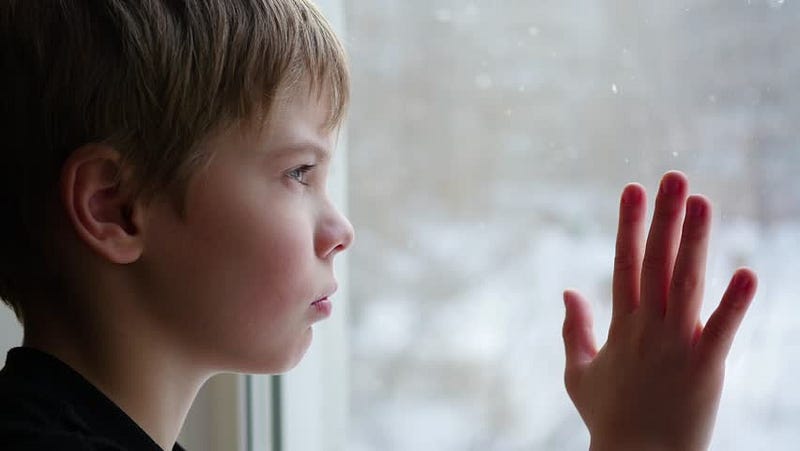
In the United States alone an act of domestic violence occurs every 15 seconds. Domestic violence is rooted in the Abuser retaining power and control over the victim. The most vulnerable of the domestic violence victim population are children. With pressures mounting amid this pandemic, many parents are out of work and home with their children. This is the perfect storm for a surge in domestic violence. Some child victims rely on the shelter that a school provides. They feel protected even if only for 8 hours a day. The structure is a consistent solace that can keep them going. In poverty-stricken areas, school lunches are the only sustenance a child gets in a day. Now, this has all been taken.
How can we protect those children that live in a violent home during this time? Many organizations are on high alert and implementing strategies that will help children. Here is a list of organizations that can help.
For immediate help, contact local law enforcement agencies.
If you or someone you know is experiencing domestic violence, contact the National Domestic Violence Hotline via text or call at 1–800–799–7233.
A Letter to the Abuser:
Today you can make a choice to stop abusing your victims and change your behavior.
The chaos you’ve created in your own life and the lives of others has caused catastrophic damage. Drugs and alcohol usually play a part and make your violent behavior worse. The physical harm is, at times, unspeakable. In fact, you are lucky to be alive to read this letter. Most would’ve exacted vengeance upon you.
I know the depths of your pain. Perhaps you were a victim of abuse. You’ve carried anger your entire life and have built up a wall around yourself. Vulnerability had never been an option for you. You feel that your only strength is to keep power over others.
Today you can stop it all and try to default to love. You can stop blaming others and take responsibility for your actions. Think about the people and situations that make you angry. Make a list of all the triggers you can think of. Identifying them will make it easier to avoid them. Try to take precautions by making preparations and come up with a plan in case you find yourself in a situation that triggers your anger. Your best option is to remove yourself from that situation before you do anything violent until you calm down. Take an honest look at yourself and your behavior. Does your behavior hurt other people and damage your relationships? If it does, it’s worth seeking help. Talk to someone. It’s hard to deal with anger and violence on your own. You might feel ashamed or embarrassed to talk to someone about your violent behavior, but there are people that can help and that won’t judge you. A counselor, mental health worker, nurse, doctor or psychologist can help you identify your feelings, understand what’s going on and suggest ways to change how you react to things.
Today I beg you to stop hurting yourself and others.
© Gena Vazquez 2020