Chronic Pain | College | Invisible Illness | Mental Health
On Entering College In Pain And Leaving College With Chronic Illness
I earned more than just a degree from college.

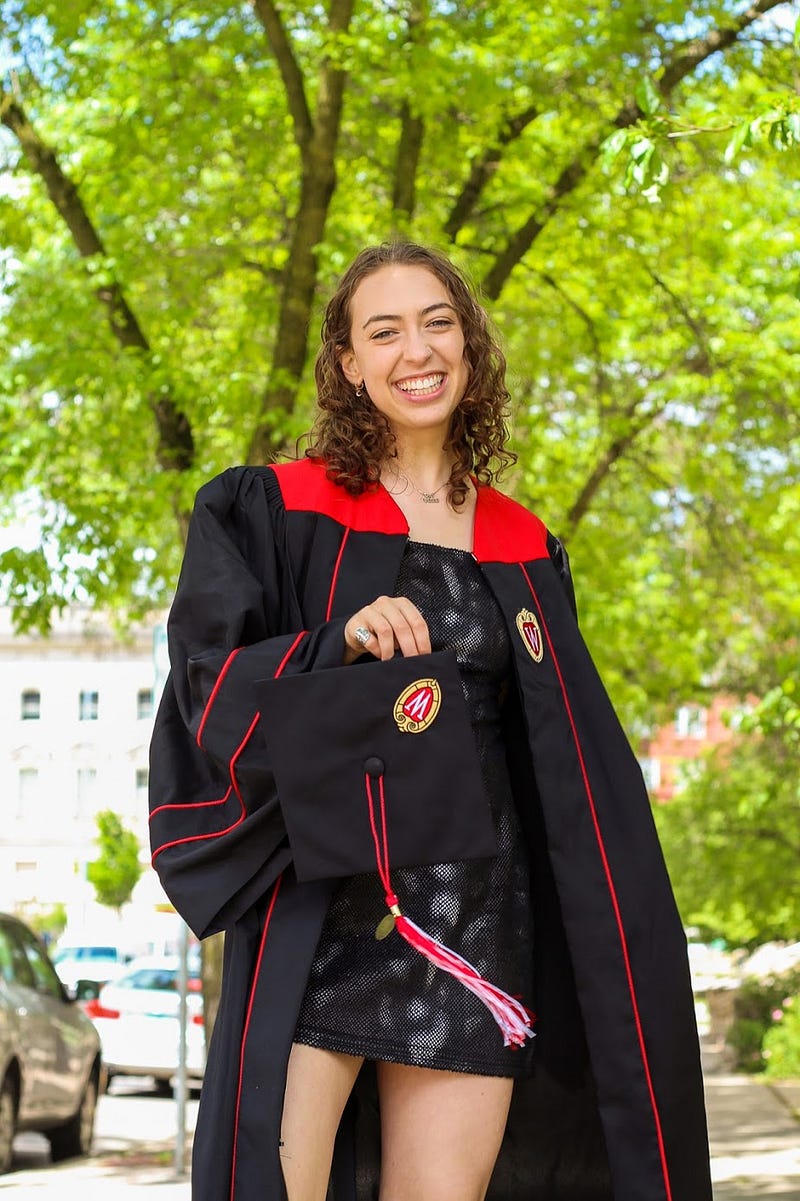
My college experience ended several months ago amid the chaos of the COVID-19 pandemic. The graduation took place in the living room of my empty college apartment in Wisconsin, many miles away from my family in New Jersey and my extended family all over the country. It was a somber and rather uneventful ending to four years of rigorous classes, many hard days of pain, and various unforgettable experiences. I’d like to reflect with you, reader, on a couple of things I learned along the way.
Ignorance is bliss (sort of): entering college without a diagnosis
Most of my young adult life was spent in the dark. I was blind to the fact that the pain I experienced in my body was abnormal, something that might seem completely unexplainable to most people.
As a kid, I complained of many things hurting, but my parents didn’t think too much of it. I don’t blame them. Kids are known to make up symptoms in order to escape class.
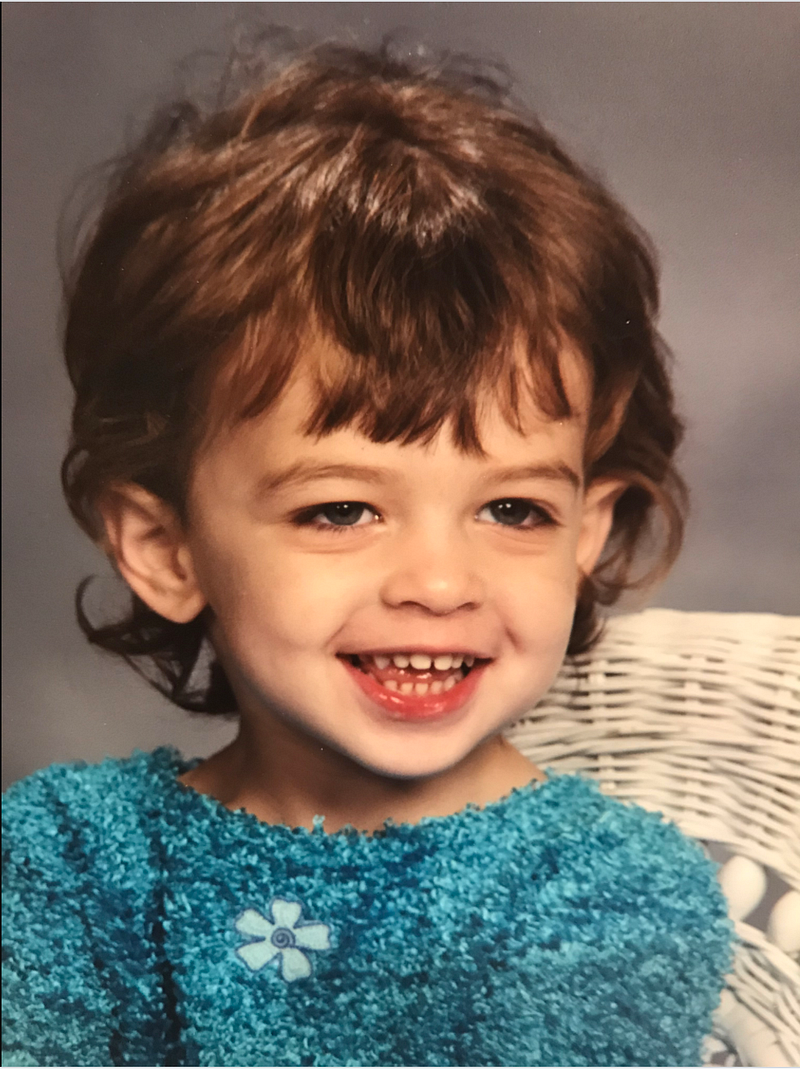
Prior to college, I visited many doctors, most of them, neurologists. I was diagnosed with sinus headaches at age six and Chronic Daily Migraine in 7th grade. From then until college, I continued to fight, daily, with my medications and parents, tirelessly trying to understand why nothing worked for me.
Upon entering my freshman year of college, I felt pretty good. I hadn’t found my “magical cure” yet, but I was referred to a migraine specialist in NYC at Columbia and things felt hopeful.
All pain aside, I walked into college with a bright smile on my face. I was so excited to finally be in charge of my daily life. No more asking my parents for the car in the suburbs, or stressing about the attendance I often missed due to my inability to sit in class for hours each day. I anxiously awaited the day I walked into my dorm and met my new forever friends.
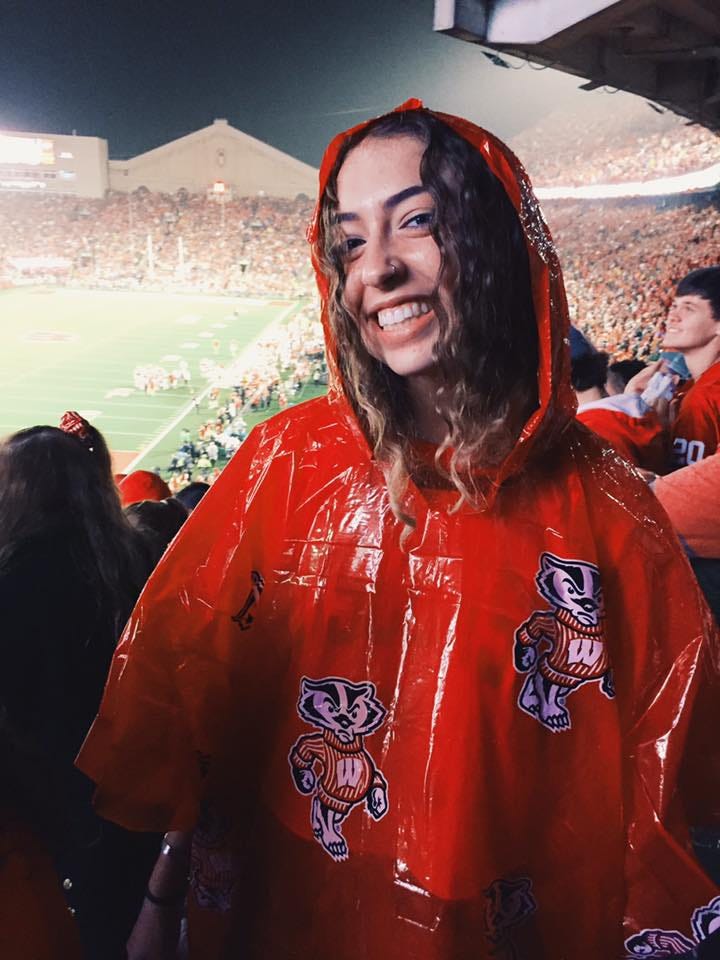
My body wasn’t as keen to accept the new unpredictable schedule my life had taken on. In order to find friends, I had to be social. In order to be social, I had to feel good. In order to feel good, I had to rest, but rest in college (especially freshman year) just doesn’t exist.
I spent the first couple of months of my freshman year exhausted. I felt defeated by my inability to keep up with peers in social settings, long work hours at the library, and typical college experiences.
“Okay deep breath Serena, you got this! You absolutely slayed your high school experience, but just remember it didn’t start that way. Just keep on swimming and trust in the process.”
I went to work. I began my day with a run at the gym behind my dorm, followed by a healthy breakfast, focusing on homework, and sometimes, a little soiree into the college social scene. I could achieve anything if I just set my mind to it. It was the classic piece of advice I received from teachers and parents my whole life. I thought there was some truth to it, but unfortunately, it wasn’t quite that easy for me.
My first semester of college left me drained to the point that returning home felt like a breath of fresh air. I loved school, but I was struggling to find my place within a sea of new rituals.
I knew balance was key, but what did that look like for me?
I thought I had it figured out, but upon my return to campus in the middle of winter (in Wisconsin I might add), I felt more deflated than ever.
What was going on? I should be happy. I joined a great sorority on campus. I was going out with new friends and I even started to push myself into uncomfortable situations to learn new things. I still wasn’t happy and I couldn’t understand why.
I quickly learned that I was different from my peers. My friends went out with me and drank the same amount of alcohol, yet they were fine the next day while I was stuck in bed for the next two. I consistently missed classes due to pain and what I kept labeling as “migraine-related symptoms,” quickly became my greatest problem.

It was hard to fall asleep at night, despite my body feeling heavy during the bright hours of the day. I consistently failed to catch up on readings due to an inability to focus. My body was always, and I mean always, achy and I felt an immense amount of pain walking to class despite my daily running routine.
My pain was no longer “just from migraines.” I felt awful. Deep down, I knew I needed to listen to my body and work with my pain instead of ignoring it.
At the time, I thought pushing through the pain would help me become more resilient and teach my body what I wanted it to achieve. I barely spoke to my parents about these struggles because they felt more like excuses rather than “real” issues.
Remember, if you feel like something isn’t right, listen to your gut and advocate for yourself. My mom always says, “You are your greatest advocate.”
The summer everything changed
I went to work under the sun at my childhood sleep-away camp the summer between freshman and sophomore year of college. That summer was my second year as an overnight camp counselor and my third year working with the “Adventure Department.”
As an Adventure counselor, I helped kids climb high ropes, learn teamwork through various exercises, and overcome their fears. It was my favorite part of the year and I wasn’t going to let anything stop me from returning back to my happy place.
It wasn’t long until the stress of my first year of college caught up to me. I felt terrible to the point that I began making up excuses just to get out of my daily job. I knew something wasn’t right.
Upon placement with the most difficult group of girls at camp for the second half of the summer, I lost it. I called my mom on the phone crying, explaining the incredible weight of anxiety I was experiencing due to my daily pain and recent counselor assignment (what I thought at the time was triggering my issues).
Ultimately, the situation had less to do with my experience as a counselor and more to do with the years of anxiety I experienced without help. I left camp in a hurry. My parents set up a meeting with a psychologist recommended to us by a high school therapy counselor.

I remember breaking down in tears immediately as my therapist closed the door and asked me, “so what’s been going on?” I held onto so many emotions for so long that it felt relieving to let the floodgates finally open that day.
It was much worse than my mother could’ve guessed. A culmination of nineteen years of anxiety busted from my lips. My therapist diagnosed me with Generalized Anxiety Disorder (GAD) and recommended a future flurry of appointments for the rest of the summer to get me “back on track.” Due to the tight timeline and my propensity to return to campus that fall, we decided the best decision for me was to leave camp early and try my hand at the popular anti-anxiety drug Zoloft or generically known, sertraline.
Following weeks of therapy, a return to meditation (previously discovered during my senior year of high school), and a couple of rounds of Zoloft from a new psychiatrist, I returned to campus feeling open, positive, and finally, myself.
My experience hitting mental rock bottom cleared the path for a medical insight and discovery I previously lacked. With this new focus, I realized my pain never really consisted of “just migraines.” It was only at this point that I began to view my life as a collection of paths to destiny, rather than one path ending in certain doom.
“Something is wrong.”
I returned to campus ready for a year living in my sorority house. I knew I had a lot more to learn, but first, rush practice.
“Rush” is the period of time when sororities and fraternities recruit new members. It’s a lot of work and I’m not the biggest fan (but more on that in another post). In the weeks leading up to various ceremonies, we spent hours practicing cheers, routines, conversations, and more. It was one of the most difficult things for me upon returning to campus, given I only had a couple of weeks of anxiety management under my belt.

Anxiety and rush don’t mix very well. The whole point of rush is to meet new people quickly and swiftly. Everyone knew me as a great communicator with endless positive energy on campus, but post-anxiety rock bottom, it was harder than ever to practice faking happiness.
Following rush, I became almost violently ill. So ill, I thought I might die. Seriously. I could no longer think of walking down the stairs in my four-story house. I was running a wildly high fever and I was so exhausted, it became unbearable to eat. After visiting many local doctors, they told me I had mono.
Later, following months of recovery, my doctor back home in New Jersey ordered a blood test and discovered I never had mono. She guessed, instead, that I experienced a “mono-like virus” for several months.
Today, I’m privy to believe that said “mono-like virus” was one of many severe flare-ups I experienced in college. My mysterious illness flare-up proved I couldn’t do what other sorority peers could –spend hours a day on my feet, cheering, and entertaining constant conversation. Rush felt like my downfall, but in reality, it pushed me to start communicating key symptoms I experienced to my mom.
I began writing down a host of symptoms I experienced regularly during winter break. This list was the first of many I’d pile up on my phone, dedicated to solving the mystery of my body. When I presented the list to my mom, she was confused and at first, thought I was slightly “out of my right mind.” She cited everything on the list as “normal for me” and told me, it wasn’t abnormal to struggle with “little pains.”
The list included symptoms such as the following:
· Chest pain
· Migraines, headaches
· Excessive tiredness
· Pain in limbs, joints, muscles, differing each day
· Heavy limbs
· Excessive thirst
· Painful periods
· Blurry vision
· Abdominal pain
· Bowel issues
· Ringing in ears
· Etc. (it went on but I, unfortunately, couldn’t find the journal entry — so you get the gist)
Upon visiting my usual migraine specialist for a check-up, I asked for help. When I presented her with my list of symptoms, she became the first doctor to mention the illness Fibromyalgia.
Fibromyalgia
I felt a strange glimmer of hope at that moment. The thought that one illness could describe the plethora of symptoms I experienced was a breath of fresh air. Up until that point, I was often met with blank stares from my doctors and diagnoses of “growing pains” from many others. My migraine specialist told me to confirm the diagnosis at a rheumatologist.
It took a long time for me to get there –to the doctor that is. The US health system isn’t too easy to navigate, you might know this already if you’ve spent your whole life in and out of waiting rooms like me.
I wasn’t quick to find a doctor because half my life was spent at school in the Midwest and the other, was short-lived on the east coast during breaks. I was a wandering nomad and at that moment, I realized maybe it wasn’t just the diagnosis that I was truly searching for.
Accepting a diagnosis meant more to me than I previously realized. Once I was diagnosed, I knew I would have to accept a life sentence of pain and suffering (or at least that’s what it felt like). My dreams of roaming the world to travel and spend time with others felt ruined by accepting a life of chronic illness and realizing there isn’t a “simple cure.”
My mom always loved to wonder if the cure to my ailments was hiding right under our noses. She consistently said things like, “Wouldn’t it be funny if this whole time your symptoms were because of an allergy?” or “What if you just need to live in a certain climate? What if that’s the key we missed this whole time?”
It sounded nice if it were true. Her words, to me, implied that I wasn’t trying hard enough to be well. She signaled that a solution to the problem was actually simpler than I thought and therefore, my problem was never very complicated, to begin with.
Her responses frustrated me. I knew it was just her way of coping and in the end, she wanted me to feel better, but it was hurtful at the time.
Finally, a diagnosis.
Right before I left for winter break, during the winter of 2018 and my first semester of junior year, I planned to leave for a semester abroad in Tel Aviv, Israel.
I saw a rheumatologist in Wisconsin right before the semester ended. He declared my official diagnosis of Fibromyalgia and asked whether I heard of the term before. I said yes and asked him a few questions.

It was weird. I thought, at that moment, that I would feel relieved following a years-long quest for an answer, but suddenly I had more questions and concerns than ever before.
Unfortunately, I left that appointment without a plan and without asking many of my questions since I visited the doctor alone and didn’t think anything could be done prior to my experience abroad.
Of course, leaving the country without a solid plan was difficult and I was met with vast challenges. I arrived in a country set in between the desert, the Mediterranean sea, and the southern tip of deciduous Europe. Israel isn’t the greatest place for someone with fibromyalgia or chronic daily migraines. The heat exasperated my symptoms and often left me depressed in bed.
On top of all that, I was so far from my family and doctors. I didn’t realize how much my illness could affect the places I went or the things I did up until this point since most of my life was dictated by the phrase “you can do anything if you try hard enough.”
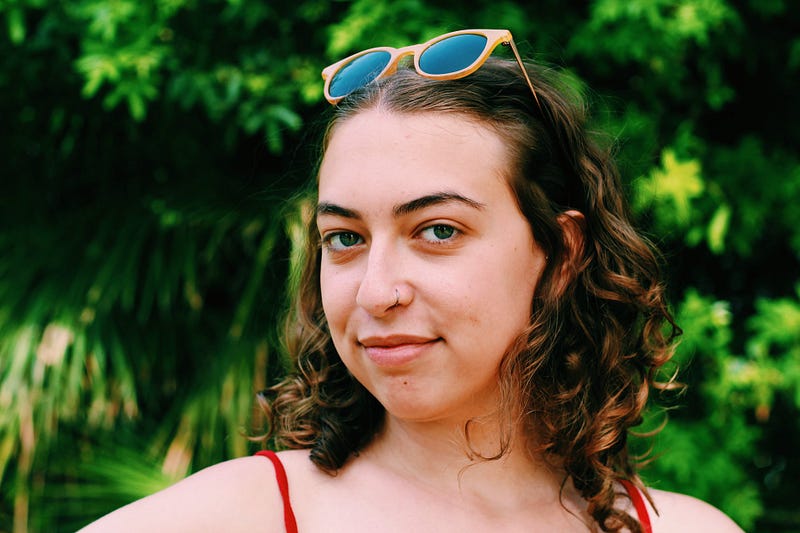
Israel proved that maybe that phrase wasn’t true to me. I told myself if I want to succeed, I needed to start acknowledging my pain and everyday struggles.
“I’m not a normal young adult and that’s okay.”
At that time, I turned to the internet and found chronic illness communities online to comfort me while abroad. Plus, I made a whole slew of new best friends who supported me through many great obstacles in Israel and cared for me when so many others were out partying.
My senior year: putting illness first
When I returned from Israel, a lot changed. I met with a local rheumatologist in New Jersey who gave me a new plan and newfound hope for life and years to come. Therapy, holistic solutions, new doctors, and a changed mindset help me set intentions for a new life. I mourned a life without illness but found a renewed optimism in embracing my new reality.
In focusing on my illness, I began to care for my body. I knew I needed a mindset change in order to feel strong enough mentally to fight back against my chronic illness.
My friend, Alexa, helped me along the way by showing me the ropes and getting me involved in her non-profit, Fight Like a Warrior. By putting myself first, I learned that I wasn’t lazy, inconsiderate, or flaky, I was instead, responsible, and smart. I began to make progress. On the bad days, I was less depressed and on the good days, I reaped the benefits of my recovery.
It’s not all fun and games today. Many days I question, “why me?” My life continues to be a struggle full of wild ups and downs, similar to a rollercoaster, but not quite as exhilarating.
It’s okay. Now I know, some days are harder than others.
I continue to learn more about myself each day and discover new lessons along the way.
My next obstacles include (but are not limited to): finding a job, learning to live with a disability in a world known to be ruthless to invisible illness, and discovering whether or not I have POTS. I hope you join me on my journey as I learn and write about my future experiences.
P.S. — stay tuned for more posts about surviving college with a chronic illness, including the story of how, when, and where I adopted my beloved emotional support dog, Sadie! See a cute photo of her below :)
If you struggle with chronic illness, either diagnosed or not, pain, or any other invisible difficulty, I hope you find answers soon. It starts with you, but don’t worry, you are definitely not alone.
Check out Fight Like a Warrior for resources and follow along with my journey on Medium.com.