
Moral Letters for Modern Times
On Calm Amidst Bedlam (Stoic Wisdom 056)
To retire from work life does not mean you have retired from your worries. To take the one step without taking the other is to change places but not position
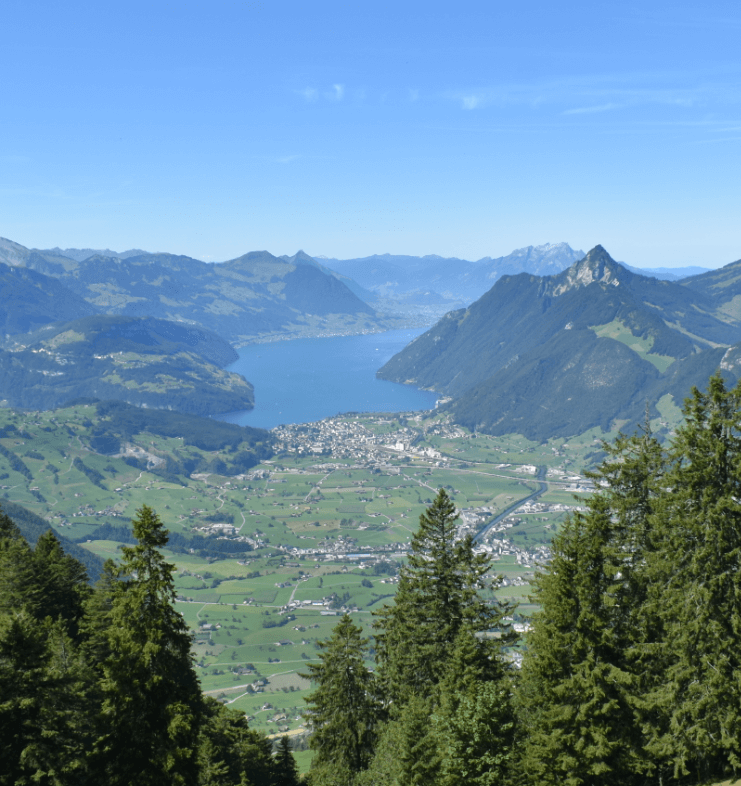
The well-ordered mind in relaxation provides deep tranquility. Can it be achieved in conditions of disturbance?
I wrote you that I traveled to New York, and I fear I exaggerated the petty insults of the journey to make my point.
My tests were not passed upon my arrival, Deuteros. For my hotel was directly on Times Square, and I will not say who recommended this as a good idea. Perhaps they thought I wanted to be close to all that New York has to offer and, if so, they know me not.
The only proximity I sought was to my own thoughts, though this is what was in fact near to me in my cell above Broadway and 43rd Street:
- a constant background din that has to be experienced to be believed, consisting of a byzantine blend of taxis honking their horns;
- delivery trucks’ rumbling diesel engines, slamming doors, and metal grating of ramps being slid across rear cargo beds;
- the piercing “BEEP! BEEP! BEEP!” of reversing construction equipment;
- garbagemen banging trash tubs into their trucks’ crushing metal embrace;
- police whistles seeking attention and directing traffic;
- storeowners heaving skyward the heavy mesh gates protecting their precious wares; and
- the hucksters and tourists in their simultaneously hopeful and skeptical commerce.
The noise presses in from all sides:
- the thump of suspiciously heavy things dropped on the floor above me, the proverbial penny and other shoe making repeat appearances;
- the inanities of CNN blaring through the walls on one side of me, and the conspiracies of FOX on the other;
- drunken voices now shouting, laughing, and stumbling their way down the hallway;
- hotel doors slamming shut with the solidity of stone tomb lids; and
- helicopters whirling overhead to ferry the prominent to their Hamptons estates.
You observe blackout curtains upon entering your room, and you wonder if this is some paranoid preparation for keeping night lights hidden in wartime.
A glance out the window reveals the reason, for you are as well-served here wearing sunglasses at midnight as at noon.
I wouldn’t wonder to learn that neon is no longer naturally occurring, for it seems to have been transported en masse into tubes lining every surface of every building around Times Square. If aliens in space nearing our planet need a beacon to guide them on, New Yorkers need but continue to pay their electricity bills.
The only relief from the brilliant flickering glare comes when great gouts of steam rise from vents and tubes piercing the cracked streets like Hell’s own ventilation system.
Lest I overdo my dramatization once again, let me tell you, Deuteros, that none of this bedlam affected me in the slightest.
When I am deep in my reading or writing, I retreat into a world inside my mind and the outside fades from my senses. Those blaring notes which would deafen another I scarcely note.
In this state, my well-ordered mind keeps me focused within, and external distractions have no power over me.
In contrast, without the practice of calming the mind, you could sink a person in a deep-sea submersible to the bottom of the Mariana Trench where no light or sound or sensation intrude, and yet they would be bothered.
We carry our troubles with us and can raise ourselves to states of excitement wholly out of proportion to any external instigation.
Though the decibel meter shows absolute silence, still the troubled hear the voices of arguments raging inside them, the pitiful cries of regret, and the insatiable calling out for more.
I have urged you to hold fast to your plans to retire from your post, Deuteros, and to join me in retreat from professional pursuits.
To retire from work life does not mean you have retired from your worries. To take the one step without taking the other is to change places but not position.
If you are successful in letting reason order your mind you have no reason to be discomfited by all the noise and bustle that accosts you, whether it be from opinions of the ignorant, from praise or blame from any source, or from being in the busiest of cities.
Whisk a wise person into the center of Shanghai, Mumbai, or Mexico City, or into the center of a maelstrom of argument whipped by heated emotions, and they will be as at peace as in a mountainous meditation retreat.
Though we test ourselves periodically to ensure we are up to the task, we should not live permanently in the madhouse to prove we are sane.
I am just as happy to walk easily as I am to make my way uphill, and I do not seek out the treacherous path if I can easily detour past it.
Thus I will soon depart from this bedlam, and would that more people understand that the door is unlocked and they too are free to walk away from their personal prisons!
Be well.
Read the next story in the series. See the overview of the Stoic Letters.
Wouldn’t it be wise of you to subscribe to all my stories?
I originally published a version of this story on Klugne.


