On Becoming an AWS Hero
Pondering changes to the Seattle AWS Meetup
Free Content on Jobs in Cybersecurity | Sign up for the Email List
Update 7/25/2023 — my AWS meetup is changing to a security only meetup. There are other meetups in Seattle that you can join for general AWS knowledge. Another big announcment coming soon!
People always ask me how to become an AWS Hero. Honestly, I really don’t know because the process is somewhat secretive. I think you have to be recommended internally by AWS employees. I didn’t even know what an AWS Hero was when I was invited to be one. I thought the email was spam or phishing playing on my ego and ignored it. Then Jeff Bar contacted me on Twitter…so as you can probably tell, I wasn’t actively trying to become or lobbying to be an AWS Hero. I was just doing things that I was passionate about at the time.
One of those things was to start and grow a very active meetup group in Seattle for about 10 years. I started this group because I wasn’t allowed to use AWS at work and I wanted to learn more about it. I had opened up a free account and was playing around with AWS in my free time. I hit many bugs, errors, and problems and then explained how I fixed them on a very old programming blog with a little security sprinkled in that is still out there.
I wanted to go beyond things in small accounts and learn how enterprises were using AWS. I started a group not just for AWS “users” but for AWS Architects and Engineers, which is implied by the title of the group. When you create a user group you should understand your target audience and speak to that via your messaging and content. Our first speaker was Jarjis Imam who worked at AWS at the time. What started with 40 people ended up with over 3,000 members today.
I can’t tell you that running an AWS Meetup will get you AWS Hero status. What does that entail anyway? You get listed on the AWS website and you’ll get access to some special events. You might get a front row seat at AWS re:Invent but that is not guaranteed. We didn’t get that in the beginning. You may be asked to speak at conferences but that’s not guaranteed, nor is it required. Some heroes never do.
If you run an AWS meetup you will, as a community leader, get invited to special events for meetup organizers from around the world at AWS re:Invent. I think that is true for all AWS meetup organizers but I’m not in charge and can’t say for sure. If someone ends up running this meetup, I’ll let the appropriate people know.
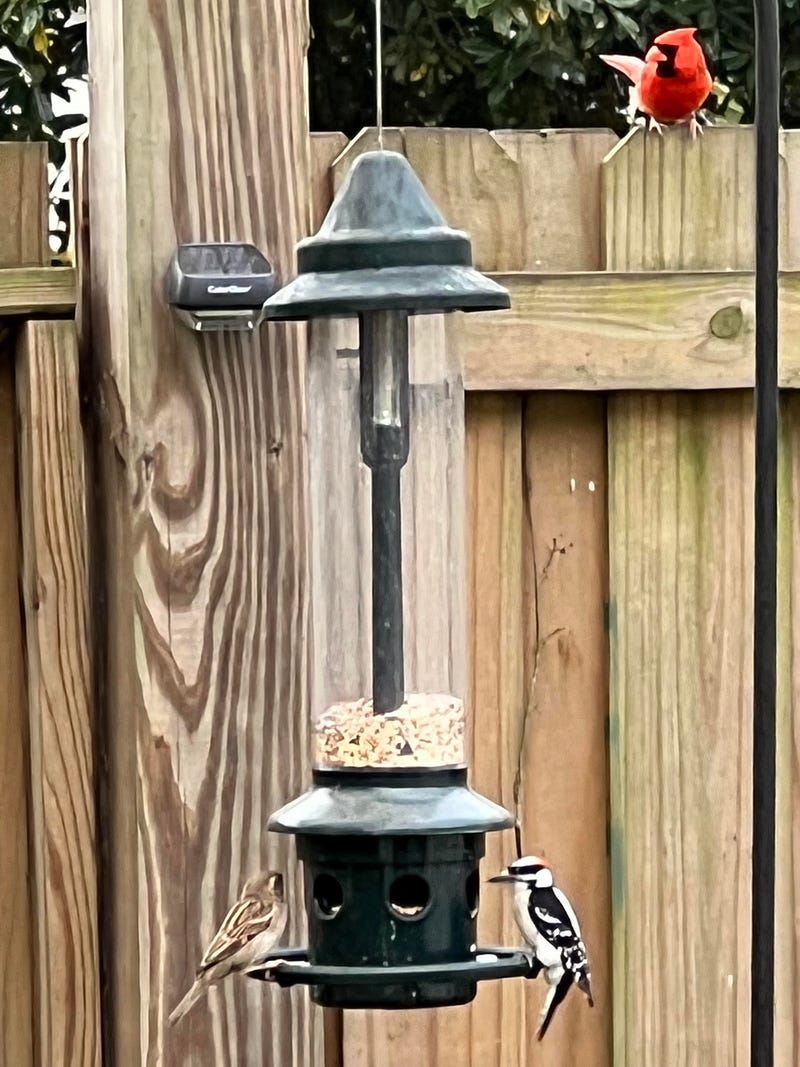
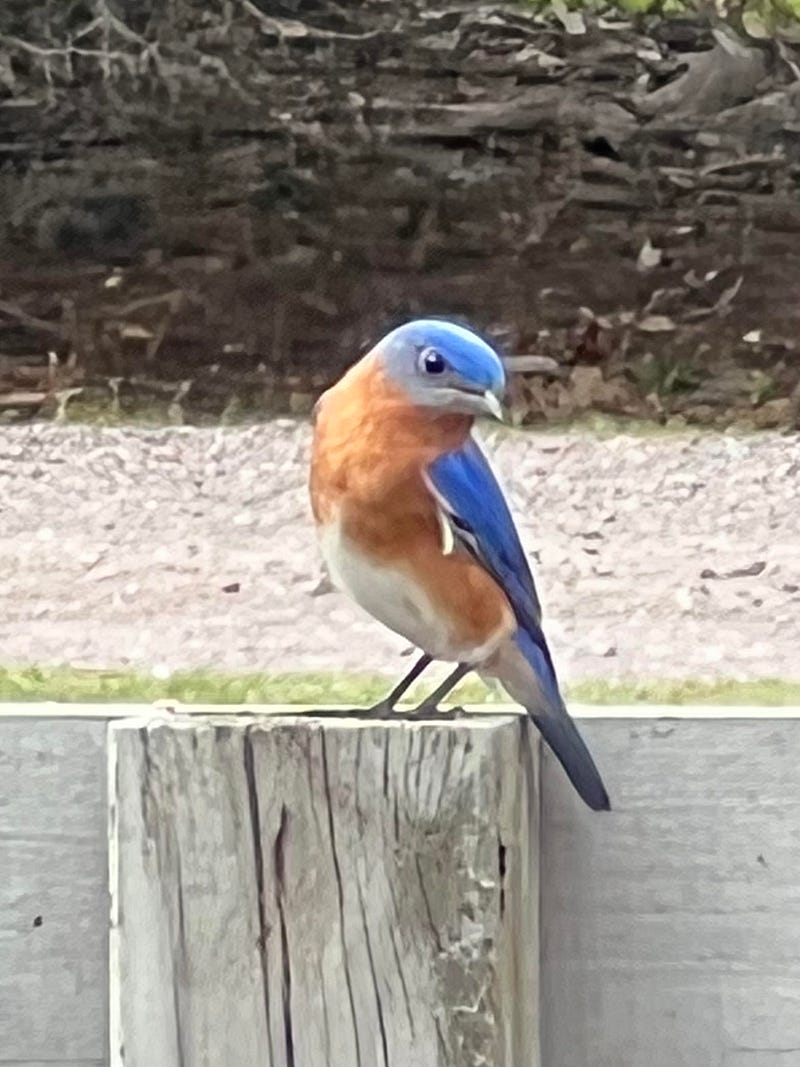
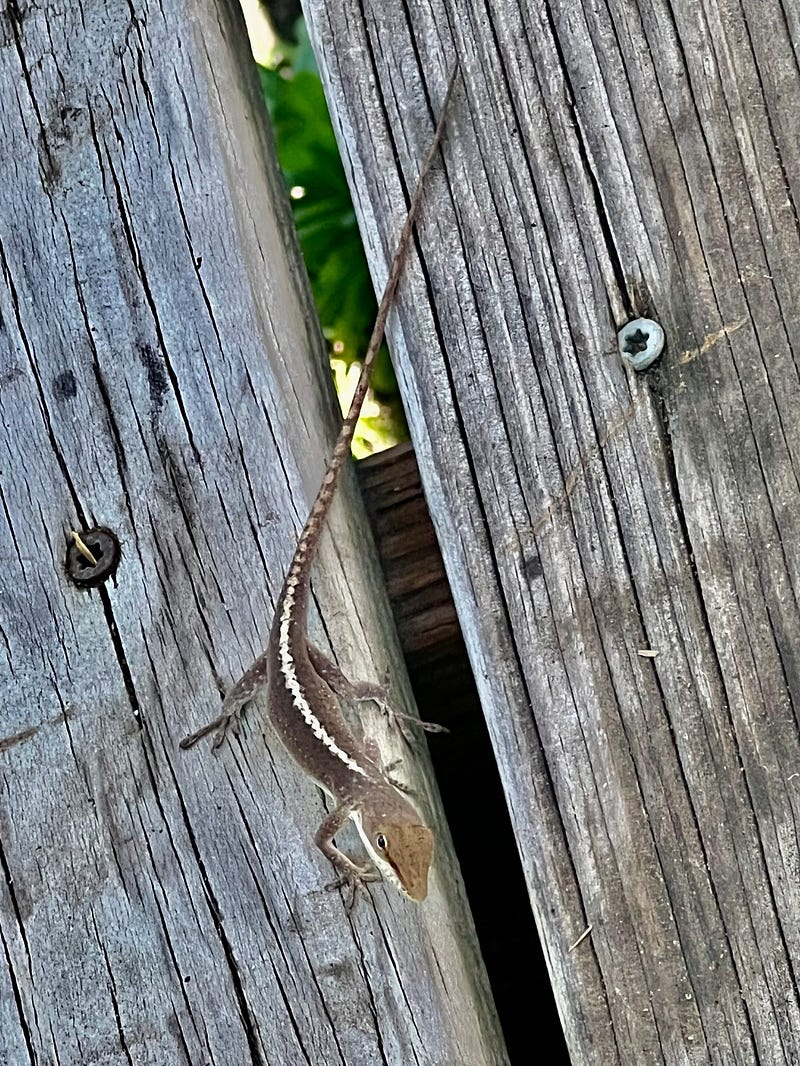
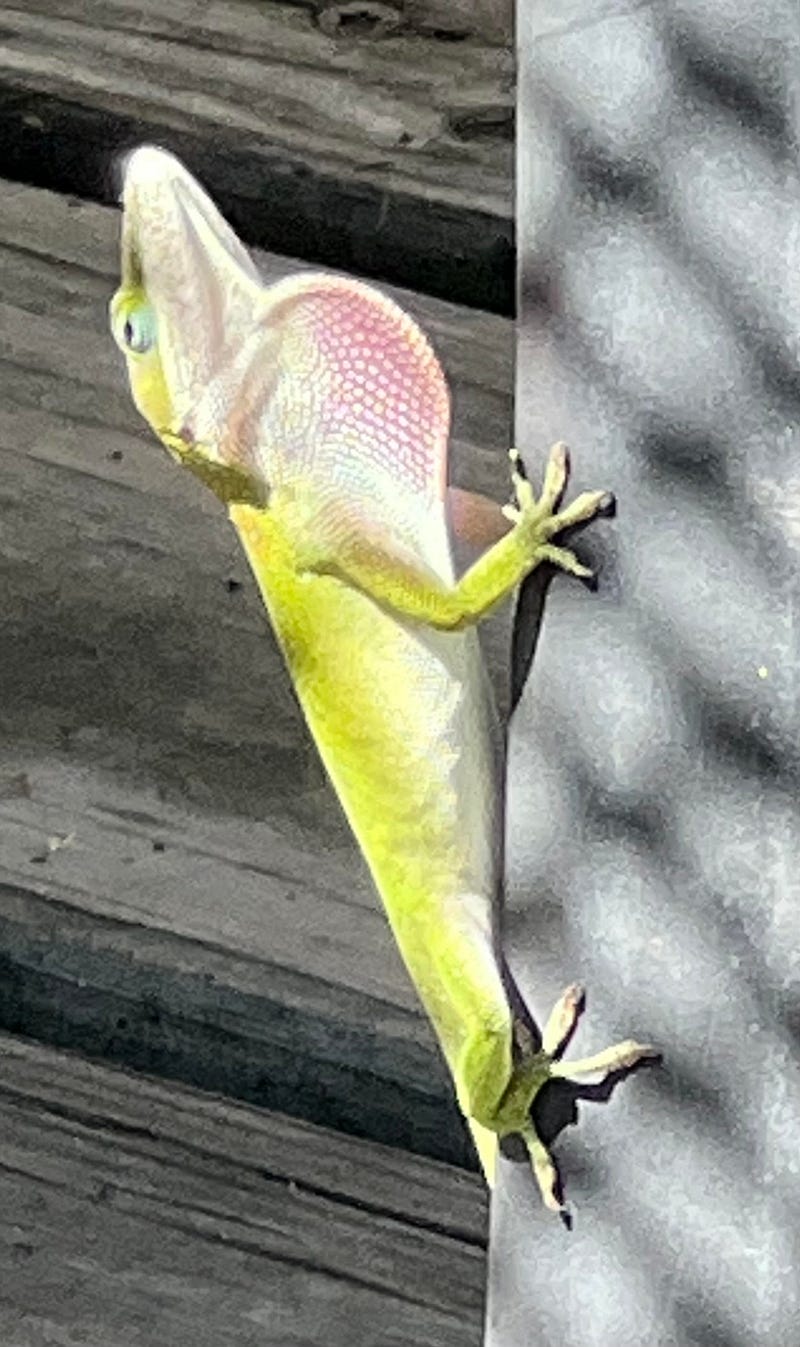
As most of you know if you follow me on this blog or on Twitter or LinkedIn, I moved from Seattle to Savannah, Georgia last year. Yes it’s a big change and yes, I’m very happy with my move! I love my historic house and we put up bird feeders in the back yard to watch birds and squirrels. I’m planting varieties of trees that would never grow in Seattle, though we may have to take precautions in the winter still to keep them alive. Avocados, grapefruit, limes, lemons and an ice cream banana tree! We take frequent trips to hike and view sights such as the 400+ year old angel oak up near Charleston, South Carolina and trips to walk along the swamps or the ocean, which isn’t too far away. You'll also find lots of history in the area, like the Fort Pulaski National Monument. In addition to the birds and squirrels, we have little lizards which I’m told are not actually chameleons, but they change colors, living in our back yard. They come hang out with me on the deck sometimes. Due to this move, and because I'd rather see the Seattle AWS Meetup be an in-person meetup, I'm considering transferring it. Please see the end of this post for more information. I need to find the right sponsor who will treat our over 3000 members well and keep the group active. The group has a 5-star rating and I can provide details on how we achieved that. Reach out to me on LinkedIn if you work at an organization that wants to carry on the tradition.What will I be doing? I started the Savannah AWS Meetup, but we'll see how far that goes. At the moment I'm really busy and will be speaking at some AWS events, such as the Atlanta AWS Summit.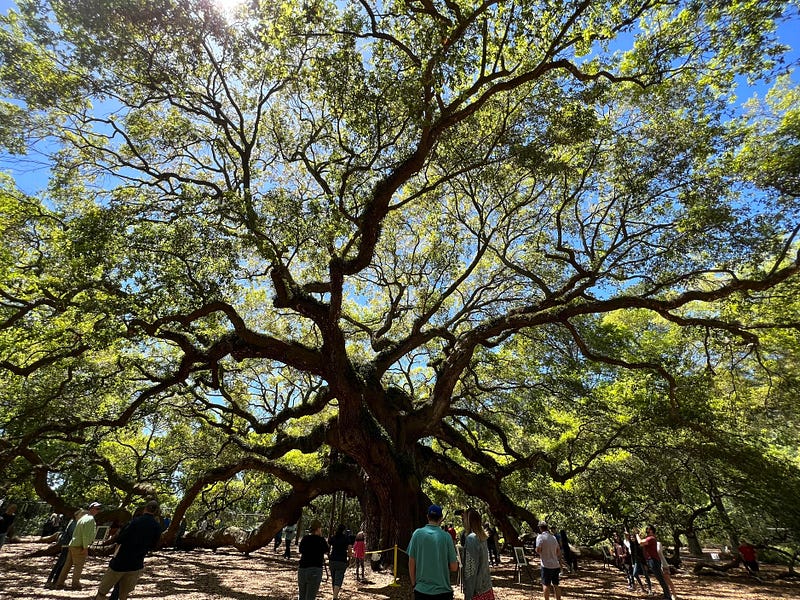

One thing I noticed when I went to meetups, was that they mostly served food that did not cater to people with different food preferences or allergies. Pizza and Beer. I tend to eat gluten free (no beer), avoid junk food and sodas, and I know a lot of vegetarians and people with other types of allergies. I decided our meetup would not be a pizza and beer meetup. I told the sponsors, the quality of the food reflects the quality of the sponsor.
I also went to many meetups where I couldn’t figure out how to get into the building or had to find random places for every meetup because it would move around. More than once I completely missed a meetup and gave up. For this reason, we made a concerted effort to always run the meetup at the same location. We ran it at Surf Incubator — and the owners of that space are amazing! If you go there say “Hi” to Seaton and Candice for me.
We had a limited number of parking passes included with the cost of hosting the event. People could easily get to the event by bus, bike, or in some cases walking. The location was decently accessible from the East Side (Bellevue, Redmond, Issaquah, Mercer Island) by way of I-90. Note that I spent hours trying to cross town from West Seattle to reach some meetups so this location was selected due to the accessibility for the people running it, in part. We also stuck to “Seattle” as this was the Seattle AWS Architects and Engineers, not the East Side Seattle AWS Meetup. If you live in or around Seattle you understand the distinction.
How much does it cost to run a meetup? It really varies but in our case we would collect $1500 per meetup and that generally was all used up running the meetup itself. We paid for the space, the food, delivery, beverages, and the meetup membership out of those fees. The room we booked for our events was about $300. We got it at a discount for being long-time users of the space. Others would pay more. If you could setup a long term contract you might get a discount. I don’t know. You’d have to discuss that with the owners of Surf Incubator.
The food would cost anywhere from $750–1000 depending on how much we ordered, plus delivery charges. Over the course of this meetup a business appeared that turned out to make our lives so much easier. Instead of contacting each individual restaurant I started using EZ Cater and I highly recommend them! I would pick different restaurants with good ratings and a variety of food for each meetup. Sometimes we had Thai, Indian, Hawaiian, BBQ, Greek, or some other variety of interesting meal. And only once, right after a snowstorm — we had pizza! But I picked that up from Luciano’s Pizza who also has gluten free options.
I would go to the store and pick up beverages of the alcoholic variety including wine and beer, as well as water and some sodas. I’d often pick up a few extra snacks like fruit and chips. By the time you add all that up there’s not much left for the people actually running the event so don’t take this on as a money-making venture. It’s really a labor of love and also potentially a marketing vehicle.
I did not get a lot of business for my company, 2nd Sight Lab, through this meetup. However, I know our sponsors that sold technical products did get business and customers. One of the companies actually signed up my co-organizer of the group, Kolby Allen, as a customer and he later spoke at conferences for the company.
Speaking of my co-organizer, the group is an amazing source for recruiting. When I became a cloud architect and later Director of SaaS Engineering for a company and was competing with the likes of Amazon, Google, Microsoft, and Facebook in Seattle, I ended up hiring 5 members to join my team, including the person who later became my totally reliable and amazing co-organizer, out of this group for a team that started with about 15 or so people and ended up with 30 people. I wrote about recruiting technical professionals and personal relationships are the way better than spammy emails.
Consider which day of the week you run the meetup. Seattle was a very active city in terms of meetups. Mondays were often less busy. Thursdays had bad traffic from the Eastside. Fridays were definitely out. I knew which days the biggest meetups competing for attendance were running and avoided those days. We also tried to avoid major events and holidays.
We did run some hands-on and trivia night meetups at alternate locations. One time we made the mistake of running a meetup at the same time as a major concert across the street from our location. Check the calendar for holidays, major tech conferences, concerts, shows, parades, festivals, presidential visits, the day the state authorizes anyone to buy marijuana (yes really I almost missed a meetup that day, though I myself do not partake), and other traffic-altering events that may affect meetup attendance.
Consider the ambiance of your event. Think about how your location facilitates networking and engagement. Is it a location your members will enjoy and want to come back to in the future? I loved the initial location Surf Incubator had which is why I chose it. It was a big open room on the ground floor of a building with a huge projector. I had to figure out how to run projectors and sound systems — which is not my forte! We would set up a table in the back to welcome guests. I recruited one of my technical female coworkers to come and mingle with the guests to get people talking. She is actually way better at such things that me, though over time I got to know members and it got easier.
Later Surf Incubator closed that space. I was sad, but the new space was better in a way. It was harder to get into because you had to get in the door before a certain time, head up an elevator, and get to the back of the space. Remember to include all the details in your meetup description. Also let people know how to contact you if they show up late and can’t get in. I remember that the owner of Surf, before I started my meetup, did that for me at a meetup he was running. Although the logistics were slightly more challenging, the view was amazing and we used the back kitchen, which was great for setting up food, drinks and getting people to hang out, mingle, and chat.
Not everyone wants to chat. Some people just come for the event and want to sit quietly waiting for the presentation to begin. Definitely say “Hi” to everyone when you are just starting out but be mindful of who wants to chat and who doesn’t. Some people would grab food and go sit in chairs waiting for the event. Others wanted to hang out and talk shop. A few people came and got the food and left (yes, I noticed) but we didn’t really have much a problem with that overall. People were mostly very engaged.
You might think that all members want to get certified, or that all members want hands-on events. Maybe you think all members want stickers and prizes. Not true. I think the younger generation mostly likes stickers. I’m not sure. But for myself and some other engineers, we are more focused on engaging content that teaches us something we don’t know.
When finding speakers I really aimed for expert-level speakers not introductory content. I was mostly successful. Over time, as I and our meetup members became more experienced, it was harder and hard to find people to present things we didn’t already know. Even after explaining this to people, some showed up and presented very basic content, unfortunately.
I did poll members to find out who was interested in certification and that number was much lower than I expected. I also queried who wanted hands-on events versus presentations. We always got a much bigger turn-out for presentation-only events. Your group may be different. That depends on your target audience. Poll your members and consider what type of group you are trying to create.
Here’s one thing that may have helped with my AWS Hero status. I’m really not sure. I ran some certification prep and hands-on meetings at a different, smaller location It was in a coffee shop across town closer to the AWS campus. I got people to come and speak who had obtained certification. That’s how I met my co-organizer whom I later recruited to be the lead of my DevOps team at a company I helped move to the cloud.
It was at these hands-on meetups where I learned that AWS requires some employees to obtain two AWS certifications in the first year. Some AWS employees would come to these meetups, including some AWS product managers. We had fun figuring out how things work and discussing certification material. That said, we only ever had about 5–6 people at these events. It was also interesting that most of them were not Americans by descent.
At another hands-on event run by a vendor on a really hot tech topic, they got a much larger turnout. The event had over 15 people, maybe 20–30. I don’t recall exactly but that was not for certification — it was about learning a specific new skill. If there’s a hot skill people want to learn, they will show up for what equates to free training versus certification prep or a discussion group.
AWS trivia nights held at a possibly less convenient location generally got 10–15 people showing up — but those were very fun! It’s really too bad more people didn’t show up because I thought these are a real blast. Teams would really get into it. My co-organizer, Kolby Allen, pretty much ran those events. He worked at a company that had beer and sometimes cider on tap. That was pretty cool. He wrote some very tricky questions. He set up the system their company built to allow people to text answers to the questions and I would attempt to keep track of the score. We gave out prizes just for fun, including sweatshirts from the company where he worked and they sponsored these events, Zipwhip. The company has since been acquired by Motorola.
We never spammed members. I sent the most minimal emails possible because people get so much spam already. Too many times sponsors would ask me to give them the emails of all our members and I said no. Luckily, I couldn’t. Meetup doesn’t give me any information about members over and above what you can see on the Meetup site. My lawyer was concerned about this when I asked him for a contract to transfer the meetup. Looking at the terms on the meetup site clear this up. I’m not transferring any member information or data, just the ability to post meetups to people who chose to sign up.
As for sponsors that wanted to collect member data, I told them that they could allow members to consent to providing their data if they choose in exchange for winning some type of prize or if they wanted to know more about the product or service. If you are considering sponsoring a meetup, consider that the best approach is continued interaction and developing personal relationships over spamming people. They get so much email already and will simply unsubscribe when you send the first email. Like I do. Instead, make a compelling presentation and get people to reach out to you.
Speaking of spam, we also disallowed promotional presentations. Although some people ended up sneaking in one here or there for the most part the presentations were educational. Speakers presented topics in a manner that allowed members to learn AWS — which is why they were there. They learned something whether they brought the company’s product or not. Companies could show how their product or service made it easier to achieve certain objectives, but people could also take back the concepts and use them even if they didn’t have the product. The few times we did get bad reviews on the meetup it was because the speaker went off topic and presented promotional material.
How did I find sponsors? That was probably the hardest work of all. I got lucky from the start and had a company sponsor the meetups on a regular basis but we had no alcohol and mostly served things I couldn’t eat, to be honest. I still appreciated that sponsor very much because without them, I don’t think the meetup would have ever gotten off the ground. Unfortunately, I didn’t collect payments up front and for some meetups was left holding the bag. I had to dig the money out of my own pocket. Initially the meetups cost less to run, but still around $750–900 each time. It was at this point that I stepped up the cost and quality of the meetup and changed the rules of engagement for sponsors.
I produced a document outlining what sponsorship entails and the benefits of sponsoring the meetup. I explained our membership, the type of food we serve, the location and why it remains consistent, and rules around member contact information and presentations. I made it super easy for sponsors to sign up and required payment up front before publishing the meetup. If someone does take over the Seattle AWS Architects and Engineers meetup will get a copy of that document and I’ll answer questions about how I handled all of that.
Obtaining sponsors involved reaching out to people I’d met at re:Invent or elsewhere first of all. As my contacts grew at Amazon I could reach out to different people in different departments to speak to our group. I’d try to find some topic we hadn’t heard about before from someone at a product team at Amazon, plus one sponsor company.
Amazon rarely sponsored the meetup. In fact, initially they told me Amazon never sponsors meetups, but later they did sponsor a couple. One was on AWS’s 10th anniversary and they brought a cake and champagne! Don’t expect Amazon to sponsor all your meetups, if any. I ran the meetup for years before AWS pitched in. This is intentional. AWS doesn’t want to control the meetups they want to allow people who love the service to run them and speak freely about it. That’s a better endorsement than an AWS-controlled event. You’ll need to hit the ground, put in the time, and find ways to contact sponsors and present the value of hosting a meetup to them.
When it comes to running the actual meetup there are a few details to keep in mind. I streamlined operating this meetup to minimize the communication and interaction to keep it going, because I am very busy all the time! One of the things that’s good to do is send a calendar invitation to anyone involved in sponsoring, speaking at, or co-organizing the event. Make sure you send a reminder email before the event to all involved to confirm their attendance and acknowledgement of the time and place of the event. People forget! Respond to inquires from sponsors right away.
Try to set up the meetup far enough in advance for people to block out their calendar but not so far in advance that they forget about it. We’d often setup the meetup 3–4 weeks ahead for in-person meetups. After you set up the meetup put out some promotion on social media. We used Twitter, LinkedIn, and Facebook. I and my co-organizer would announce events. We’d try not to do it in the middle of the night but I don’t go into detail tracking the specific day and time of the week to get the most engagement. I might retweet it one or two more times after that. At some point the owner of Surf Incubator reprimanded me for not using hashtags. You may also want to add @awscloud and your sponsors or speakers to your social media posts.
But please — do not do what random people do to me and tag people you want to promote the event who are not really involved. People always tag me in their blog post and event announcements and I’m not sure why exactly. I definitely do not retweet things when people do that to me, so I don’t advise it.If possible have someone spell check your meetup post. (Unlike this blog post. I apologize. No time once again.) Meetup has a link to the location. Make sure that all instances of the location in your meetup are accurate, and your instructions for getting into the door and navigating to the specific space in the building where the meetup is going to be held. Check phone numbers, titles, spellings of names, and any links — especially links to sponsors!
Get to the location of the event early and make sure everything is set up. In our case, we sometimes had to arrange chairs, tables, A/V equipment, get parking passes, ensure the vendor came in time, set up beverages, wine glasses, and containers with ice for beer and sodas. Set up the projector and any sound equipment in advance and ask speakers to come test their setup prior to — not during — the event!
We also would play music at the events. I’d hook up my iPad to the sound equipment and play some rockin’ 80s music for all us old people. The group was mostly targeted at architects and engineers who were a bit more experienced, shall we say. The younger folks didn’t complain too much. :) Other times my co-organizer would pick the tunes which would be more like the music you hear at AWS re:Invent.
One time I used a song as a starting point for a Pandora playlist. (I had to pay for a subscription that would not play ads, by the way, which is another cost of for the meetup.) When the sponsor walked in their song led to Pandora playing, “I’m too sexy…” They didn’t seem to mind but that is a consideration when choosing a randomized playlist. You don’t know what’s coming next!
At the event, introduce your sponsors and say “Thank you!” Introduce your speakers. When I first started the events I was a bit nervous. I took the time to memorize names, titles, and the topic of the presentation. I would try to remember to ask people how to pronounce their names before the event. I don’t know how many times people mispronounced my name introducing me… Over time this got easier, and I made some mistakes, but I really tried to get names right!
During the event we would try to take photos and post them on social media and on meetup so people could see what was going on. We didn’t record the events to try to get people to come in person. That was kind of the point of “meet.up.” Hopefully, people who see the photos and want to come the next time. You can tag the speakers in the photos to get them to repost them.
After the meetup — thank everyone again! This includes your members because without them, there would be no meetup. Thank your speakers and sponsors. Thank people at the meetup, on social media, and if possible, with a follow up email. As I got busier and busier this was hard to do but again, I tried! If possible, ask sponsors to add a link to their slides in the meetup comments so people who were at the meetup or signed up and couldn’t make it can get a copy.
Given all that, here a summary of things to consider if you want to run an successful meetup:
- Who is your target audience?
- What is your meetup brand?
- Do you want to run a cheap pizza and beer meetup (which many people are fine with!) or do you want to aim for higher quality?
- How will people get there?
- What parts of town will your meetup serve?
- Will people consistently know how to find you?
- Does the food you serve appeal to people with different food allergies or preferences?
- Will you serve alcohol or not?
- Does your location facilitate networking and engagement?
- Does your location offer parking? Provide parking information on your meetup description.
- Do you talk to your members and have people who can help make the group more interactive?
- What do your members want? Some members like stickers and interactive workshops and others prefer to watch a presentation. Don’t assume all members are the same!
- Do you have time to find sponsors to help cover the costs?
- Can you communicate clearly with sponsors as to their requirements and what you will provide?
- Will you be able to double-triple check everything to make sure sponsors and speakers show up at the right time, at the right location?
- What level of presentation do you want to provide — entry level, intermediate, or advanced?
- Can you arrange food and drinks and verify that vendors will show up in time?
- Can you set up the audio-visual equipment and be there in advance to help your speakers test it?
- Do you want to play music and what type of music will appeal to your audience (not just you.)
- Who will be responsible for cleaning up after the event? Do you need to take down chairs, clean up food and drinks, and put equipment away?
OK, so do you think you have what it takes to run an AWS Meetup? I’m looking for an organization to take over the Seattle AWS Meetup. I’m currently in discussion with one organization, but have to ensure the new organizer will continue to run regular events and provide on-going sponsorship and support. I and my co-organizer will be completely stepping away so the new organizers can run it as they see fit. This would not just be an individual, but a company whose executives will sign a contract I had my lawyer work up back in 2020 (negotiable of course) with very simple terms to transfer ownership of the meetup.
If that sounds interesting to you, please reach out on LinkedIn. We can provide some contacts and guidance to get you going and introduce you to our most wonderful members, whom I already miss due to the pandemic and having moved across the country. We recently had someone on a virtual meetup from AWS who ran a poll and people are generally ready to get out and start attending events in person again so hoping to get this meetup up and active again!
Follow for updates.
Teri Radichel | © 2nd Sight Lab 2022
About Teri Radichel:
~~~~~~~~~~~~~~~~~~~~
⭐️ Author: Cybersecurity Books
⭐️ Presentations: Presentations by Teri Radichel
⭐️ Recognition: SANS Award, AWS Security Hero, IANS Faculty
⭐️ Certifications: SANS ~ GSE 240
⭐️ Education: BA Business, Master of Software Engineering, Master of Infosec
⭐️ Company: Penetration Tests, Assessments, Phone Consulting ~ 2nd Sight Lab
Need Help With Cybersecurity, Cloud, or Application Security?
~~~~~~~~~~~~~~~~~~~~~~~~~~~~~~~~~~~~~~~~~~~~~~~~~~~~~~~~~~~~~
🔒 Request a penetration test or security assessment
🔒 Schedule a consulting call
🔒 Cybersecurity Speaker for PresentationFollow for more stories like this:
~~~~~~~~~~~~~~~~~~~~~~~~~~~~~~~~~~~~~~~~~~~~~~~~~~~~~~~~~~~~~
❤️ Sign Up my Medium Email List
❤️ Twitter: @teriradichel
❤️ LinkedIn: https://www.linkedin.com/in/teriradichel
❤️ Mastodon: @teriradichel@infosec.exchange
❤️ Facebook: 2nd Sight Lab
❤️ YouTube: @2ndsightlab