
Omega-3 |5 science-based benefits and 5 best plant based sources of Omega-3 | no fish oil.
Brain membranes contain a high proportion of these fats, and human studies suggest that a lack of Omega-3s in the brain may induce various behavioral and psychiatric disorders.
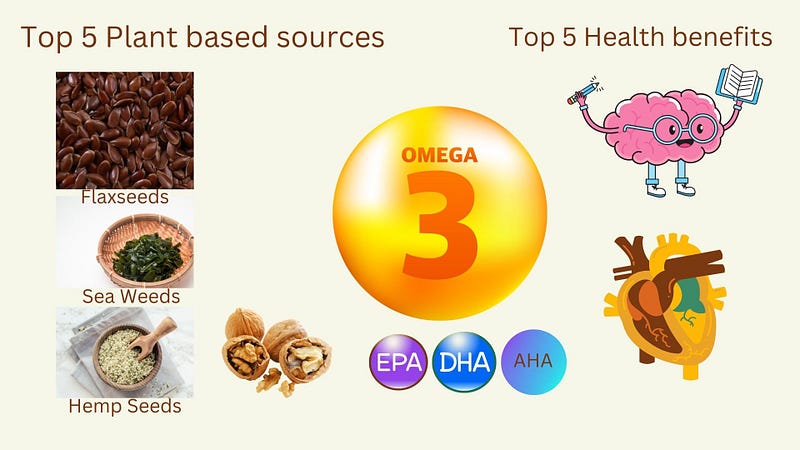
What are Omega-3 Fatty acids:
A type of essential fatty acid which must be obtained through diet or supplementation, as our bodies cannot produce enough of it.
How was Omega 3 discovered:
The discovery of Omega-3 fatty acids can be traced back to the early 20th century. During this time researchers discovered that some populations who consumed large amounts of fatty fish had a lower incidence of heart disease, compared to populations who consumed less fish.
In the 1960's and 1970's, researchers began to isolate and identify specific types of fatty acids, including Omega-3 fatty acids, and their health benefits. Since then, numerous studies have been conducted on Omega-3 fatty acids, and their benefits for heart health, brain health, and reducing inflammation have been well established.
Are there different types of Omega-3:
There are three main types of Omega-3 fatty acids:
- Alpha-linolenic acid (ALA) — This is a plant-based Omega-3 fatty acid that is found in flaxseeds, chia seeds, and walnuts.
- Eicosapentaenoic acid (EPA) — This is mainly a marine-based Omega-3 fatty acid that is found in fatty fish such as salmon, mackerel, and sardines.
- Docosahexaenoic acid (DHA) — This is another mainly marine-based Omega-3 fatty acid that is also found in fatty fish, as well as in some algae-based supplements.
Both EPA and DHA are considered long-chain Omega-3 fatty acids and are more effective at providing the health benefits associated with Omega-3s compared to ALA, which must be converted to EPA and DHA in the body.
What are top 5 benefits of Omega 3:

2. Heart Health: These nutrients have been shown to lower levels of triglycerides(cholesterol), while raising levels of “good” HDL cholesterol. May help reduce risk to heart and cardiovascular diseases
3. Vision and eye health: Omega-3s play a key role in vision and eye health, as they are necessary for eye development. May help in of dry eye symptoms
4. Brain: Memory and cognitive function — These nutrients have been shown to improve memory and cognitive function in adults. Omega 3 can also help to improve mood and reduce symptoms of depression.
Brain cells with high levels of omega-3 are thought to communicate better with cells.
5. Anxiety reduction — Omega-3 fatty acid supplements may help ease anxiety symptoms in people diagnosed with a range of physical and mental health problems, according to a review published in the Sept. 14, 2018, JAMA Network Open. DHA is said be most beneficial for brain.
What are the top 5 natural (plant based sources):
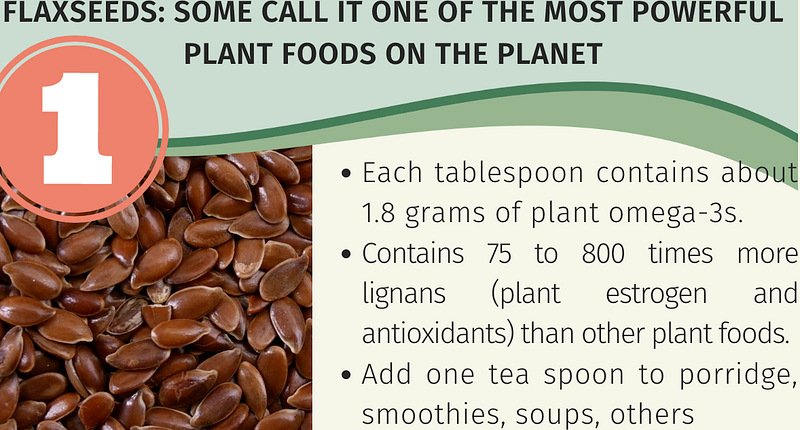
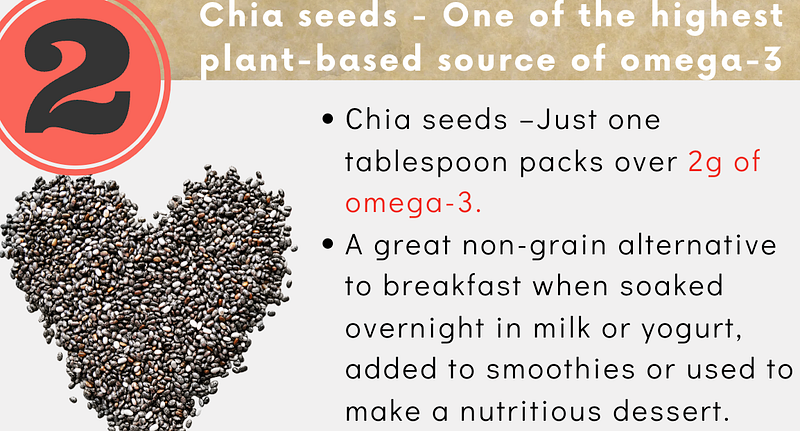
3. Walnuts are the super ‘nut’ of omega-3 — Walnuts need no introduction. Used as a snack, in bread, baking, sprinkled onto breakfast or salads
- Just one 30g serving can provide 2.2g of omega-3.
4. Algae and seaweed are one of the few plant foods containing both DHA and EPA — It provides the same benefits as fish oil and is a better choice, if you don’t eat fish, or don’t tolerate fish oil.
The omega-3 from sea plants absorbs into the body far better than other sources such as fish oil
5. Hemp seeds are the seeds of the hemp plant, Cannabis sativa — Hemp seeds contain over 30% fat. They are exceptionally rich in two essential fatty acids — alpha-linolenic acid (omega-3) and linoleic acid (omega-6).
How much Omega-3 should we consume:

The recommended daily intake of Omega-3 fatty acids varies depending on various factors such as age, gender, and overall health status.
The American Heart Association recommends that healthy adults aim to consume an average of 250–500 mg of EPA and DHA per day.
The US Institute of Medicine (IOM) has established adequate intake levels for ALA, EPA, and DHA, which are as follows:
- ALA: 1.6 grams/day for men and 1.1 grams/day for women.
Are there any side effects of Omega-3:
In general, Omega-3 fatty acids are considered safe and well-tolerated by most people when taken in appropriate doses. Some people may experience minor side effects such as upset stomach, diarrhea, or a fishy aftertaste.
However, high doses of Omega-3 supplements can lead to increased bleeding risk in some people, especially those taking blood thinning medications. Additionally, consuming high amounts of Omega-3 fatty acids from supplements may interfere with the absorption of other nutrients.
It is recommended to consult with a healthcare professional before starting any new supplement regimen to determine the right dose and form of Omega-3 fatty acids for you.
What are the few popular supplements of Omega-3:
- Fish oil supplements — These are the most commonly used Omega-3 supplements and are derived from fatty fish such as salmon, mackerel, and sardines. Fish oil supplements typically provide EPA and DHA, the long-chain Omega-3 fatty acids that are most effective for human health.
- Algae-based Omega-3 supplements — These are a vegetarian-friendly alternative to fish oil supplements, and are derived from microalgae. Algae-based supplements can provide both EPA and DHA, and are suitable for people who follow a vegetarian or vegan diet.
- Flaxseed oil supplements — These are plant-based Omega-3 supplements that contain alpha-linolenic acid (ALA), a short-chain Omega-3 fatty acid.
How do you know if your omega-3 supplements are of good quality?
Here are a few factors to consider when evaluating the quality of Omega-3 supplements:
- Source of Omega-3 fatty acids: High-quality Omega-3 supplements are derived from sustainably sourced fish or algae. It’s important to choose supplements that are sourced from wild-caught fish, as these are less likely to contain contaminants such as mercury, lead, or PCBs.
- Purity: High-quality Omega-3 supplements are free from contaminants and are tested for purity by third-party organizations. Look for supplements that have been tested by organizations such as the International Fish Oil Standards (IFOS) program.
- Potency: High-quality Omega-3 supplements have consistent and accurately labeled levels of Omega-3 fatty acids. Look for supplements that have been third-party tested for potency.
- Freshness: High-quality Omega-3 supplements are carefully processed to maintain freshness and potency. Look for supplements that use a proprietary freshness process, such as nitrogen flushing, to maintain freshness.
- Brand reputation: Choose Omega-3 supplements from reputable and well-established brands with a history of providing high-quality products.
Name two high-quality Omega-3 supplements brands:
- Life Extension — A brand offering a variety of Omega-3 supplements, including fish oil, krill oil, and algae-based supplements.
- Nordic Naturals — A well-known brand offering a range of Omega-3 supplements derived from sustainably sourced fish oil.
Note: My intent with my writings is to create health awareness. Please always consult a medical professional before consuming anything. Thank you for reading.