
Why is Chicken Adobo the Most Popular and Tantalizing Filipino Dish?
The secret lies in the simple ingredients
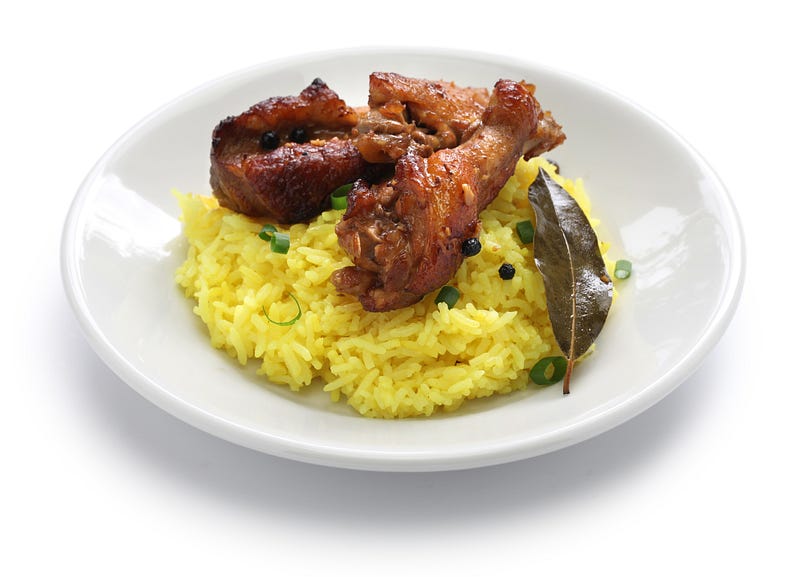
“Ooh. This is delicious,” my girlfriend moaned, her eyes closed in culinary ecstasy. Then, slurping the brown sauce dripping its way onto her chin, her hands clutched the marinated drumstick at both ends, like holding it captive to her chomping teeth.
“You must have slaved over this dish,” her boyfriend gurgled through a mouthful of chicken adobo. Bits of garlic spewed out of his mouth as he spoke.
I stifled a smug smirk. “It was nothing,” I said. “Chicken adobo is the easiest dish to cook.”
“Yeah, right,” they laughed. They probably thought I was trying to be humble.
Actually, I can cook a pot of chicken adobo at the drop of a salakot — that’s a Filipino farmer’s hat. I can cook it in my sleep. And I can do it with my eyes closed. Well, I still have to try that.
But it’s easy.
When my friends called me for a spur-of-the-moment party, I quickly volunteered to bring the main dish. It’s a one-pot delight. They were all impressed. Raving reviews and colossal compliments filled my flapping ears—impressive results with little effort.
Adobo is the national dish of the Philippines, but the term originated from the Spaniards.
Adobo is indigenous to the Philippines. In a tropical climate, Filipinos had to find a safe and delicious way to preserve their meat. With no refrigeration, they soaked them in vinegar, salt, and spices so the meat would not spoil. Soy sauce, which has a high salt content, was later added to help preserve the food. Garlic and bay leaves were the favourite spices that transformed the adobo aromatic. They barbecued, grilled, fried, or boiled the meat to create their much-loved dish.
Adobo is one of those meals that can last days without spoiling. That is why I always bring adobo to my camping trips, or I pre-cook it days before a party. The meat tastes delectable after days of marinating in the blending spices.
The word adobo comes from the Spanish word “adobar,” which means to marinate. That is why you may find Mexican and Spanish adobo recipes, using the common term. Mexican adobo has tomatoes and chilies simmering in their pots, an exciting combination but a very different recipe from the Filipinos’.
Do not confuse the origin of the terminology with the origin of the recipe. Adobo has been the basic meal in the Philippines during pre-Spanish times. It is the basic marinade for most Filipino dishes.
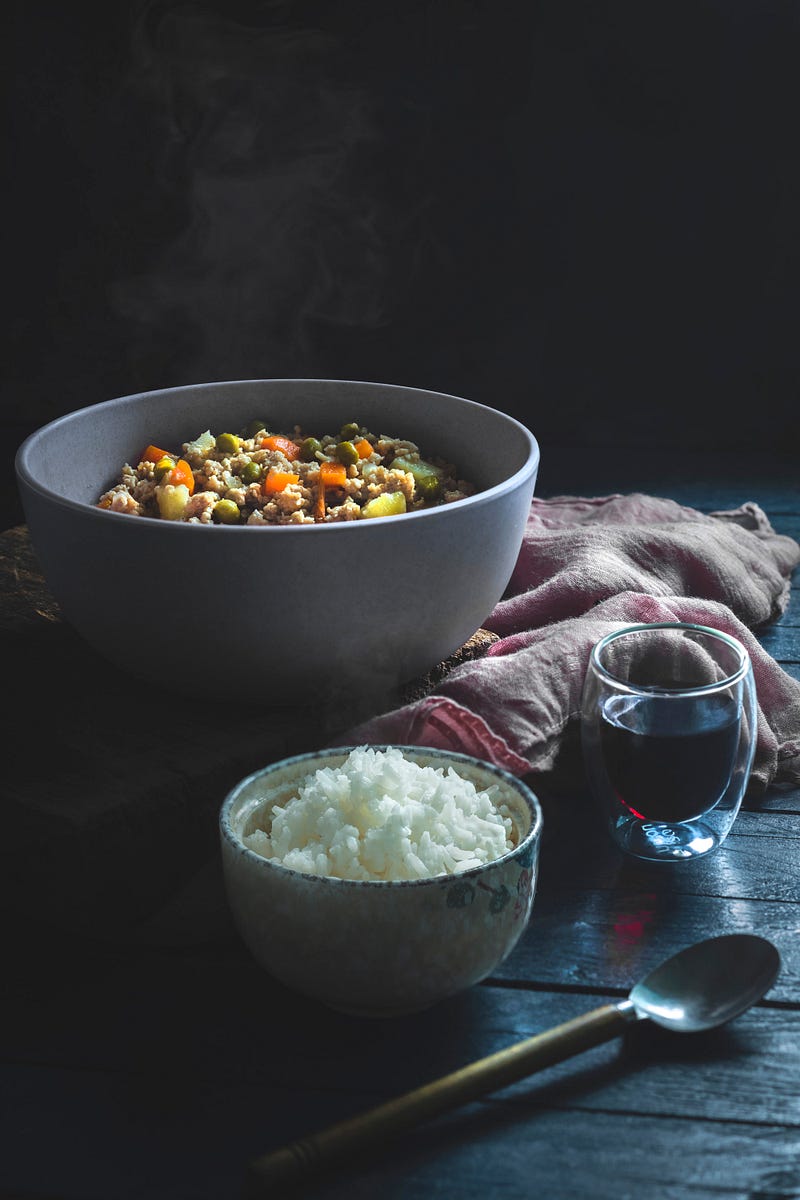
Adobo is the sauce used for various meats and vegetables.
The adobo marinade is not only used for chicken. It is also used for pork and beef. A common dish is a combination of chicken and pork adobo. Squid and fish adobo are among my favourite dishes. Adobo can also be used as the basic sauce for vegetables, such as okra, eggplant, bitter melon, carrots, and leafy vegetables, like spinach, chard, kale, or sweet potato leaves.
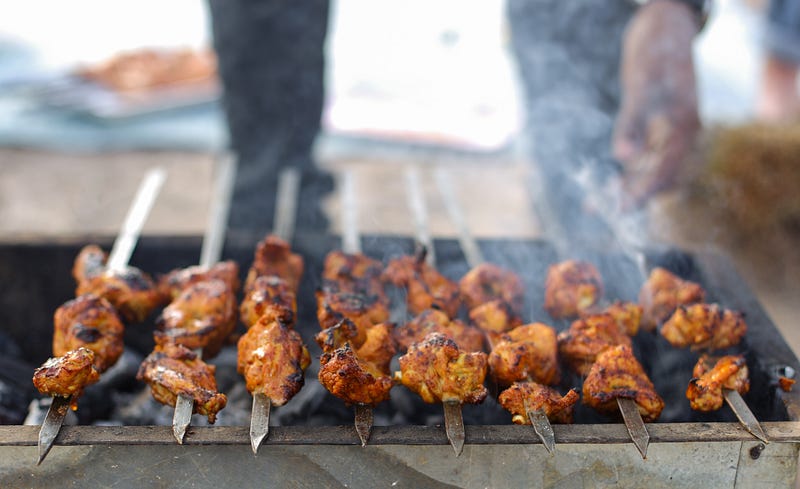
Adobo can be cooked in a variety of ways after marinating the meat or vegetable.
1. Boil and simmer
Boiling is the most common and easiest way to cook adobo. I usually boil my chicken or pork in the marinade. It’s the simplest and fastest way to get dinner done. The spices blend well while simmering, and why work too hard?
2. Fry
Some cooks do not add water. They lift the meat from the marinade and dip it straight into the sizzling oil. It adds texture and flavour, especially when you add garlic to the oil. Crispy chicken or pork is delectable.
I stir-fry chopped vegetables with garlic and pour a few drops of soy sauce and vinegar with a bit of spice, and I have a healthy, fiber-filled meal.
3. Boil and fry
This is the traditional way to cook adobo. Boiling the meat in the adobo sauce softens the meat and infuses the flavour. Frying it afterwards adds another layer of scrumptiousness. My mother frowns at my habit of serving unfried adobo. She considers it “unrefined” and unacceptable.
4. Barbecue
Grilling meat and vegetables after marinating it in the adobo sauce is a popular dish. Have you tasted roasted garlic coating grilled adobo pork? It’s absolutely divine.
5. Bake
When company is coming, it is a brilliant idea to marinate your meat in the fridge overnight in a casserole glass dish and bake them an hour before guests arrive. Easy-peasy, but enchanting.
6. Crockpot
I tried this method when my daughter asked me to bring an enormous amount of chicken adobo across the strait in Vancouver for her birthday party. I had a few other desserts to bake and felt overwhelmed. So I threw a couple of dozen pieces of chicken thighs with the adobo marinade into my crockpot and set it to ten hours. It cooked overnight, simmering in the spices and flavours. By the time I crossed over to the mainland the next day and served the dish, the stewed meat practically melted in our mouths. The flavour was penetrating and luscious. It was the rave of the party.
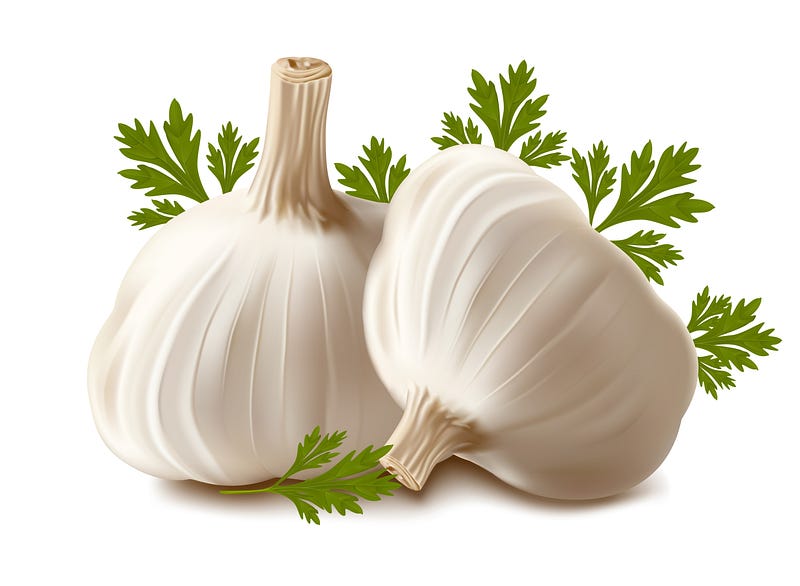
Filipinos use these basic ingredients for adobo.
1. Vinegar
As mentioned earlier, vinegar is used to preserve food. That is why this ingredient usually provides the bulk of the sauce. (However, my personal recipe does not follow this ratio.) Its tangy taste creates a zing to the palette, adding another layer of delectableness. Filipinos use coconut vinegar or basic white vinegar as the prime choice. Other versions or brands of vinegar have evolved through the years. Red cane vinegar is a popular choice nowadays, generating a different adobo flavour.
2. Soy sauce
Soy sauce provides the salt in the marinade that is also a prime preservative for meat. There are different kinds of soy sauce. The darker varieties are most preferred for adobo, though more contemporary recipes might use the lighter soy sauces.
3. Garlic
Use as much garlic as required. This essential ingredient provides the “heat” of this dish. The more garlic, the more tantalizing.
4. Bay leaves
This herb provides a subtle, yet distinct flavour. It mellows the tanginess of the vinegar and the sharp bite of the garlic.
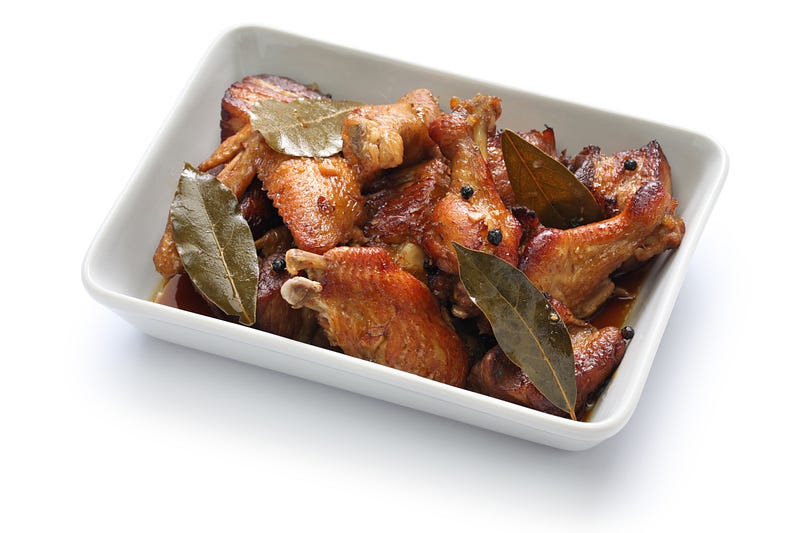
Common Chicken Adobo Recipe:
8–10 pieces of chicken thighs
1/3 cup soy sauce
½ cup vinegar
4 whole bay leaves
5 cloves of crushed garlic
Peppercorns, whole
1 cup water
Procedure:
1. Throw all ingredients in a pot. Cover.
2. Bring to a boil and simmer till the chicken is tender and fully cooked. (About 30–45 minutes)
3. Serve on top of a bed of white steaming rice. Soak the rice with the sauce.
Optional step for added flavour and texture:
*If you plan to add this step, simmer the chicken in the marinade for only 20–25 minutes.
1. Heat 3 tablespoons of oil in a large frying pan.
2. Add 5 more cloves of crushed garlic to the heated oil. (You may scoop and strain the garlic from the marinade.) Cook till slightly brown.
3. Lift the chicken from the pot of boiled marinade. Make sure the marinade does not drip into the hot oil, or it will splatter.
4. Fry chicken in the garlic oil till the skin turns dark, golden brown and slightly crisp.
Make your creative culinary juices flow.
Philippine adobo is cooked in a variety of ways. It is an easy, delicious meal to cook and impress your family and friends. With an endless combination of meats, vegetables, and spices, you can create your own concoction. The ingredients are cheap and easy to find. Usually, all you need to do is open your cupboard.
Experiment with several types of soy sauces and vinegars. Instead of vinegar, you may use lemon. Or use balsamic vinegar for a more exotic flavour. Others sprinkle a pinch of sugar to offset the tanginess of the vinegar. Add onions, mushrooms, potatoes, asparagus, green beans, and other vegetables. Instead of bay leaves, use oregano, turmeric, and or a combination of all. The possibilities are endless.
The adobo sauce is not only versatile and enticing; it is an amazing marinade for make-ahead meals. No need to worry about spoiled food; it can stay fresh and edible in your fridge for a relatively long time. The longer your meat soaks in the sauce, the more tantalizing it becomes.
Try it. You will not be disappointed.
Here is Gabriela Francisco’s Unique Secret Adobo Recipe, tweaked for a Western-contemporary taste. The secret lies in the easy-to-find ingredients.
Gabriela Francisco is a Filipino-Canadian, an avid storyteller, and champion of Asian pride. She loves chasing sunsets by the beach and lives in BC.


