
My First Experience Living In the U.S. When I Was 12 Was the Best
It was a multicultural exchange and I am thankful for that
When I was 12, my Dad, who was an executive at IBM Hong Kong was assigned to work in the old IBM headquarters in White Plains, New York for a year. My Mum went with him and the three of us were under the care of my grandmother.
Imagine when I reunited with my parents during summer how ecstatic we became! We got to travel to the State of New York for the first time in our lives and would live there for 2 months!
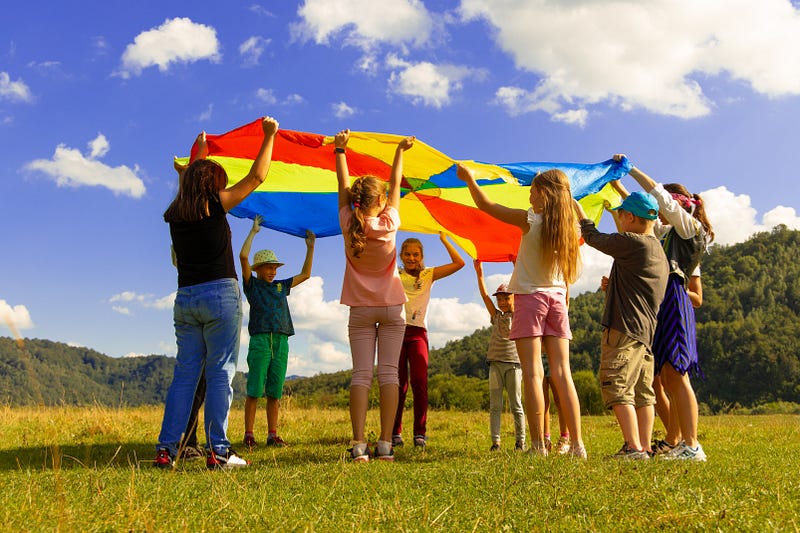
I did not recall many of the places I went but my most vivid memory was the summer camp in White Plains where I met children from 8 different countries who were like me and whose parents were assigned to work in IBM White Plains.
I have learned English since I was 6 years old at school, but conversing with people from different nationalities in English all day was pretty daunting!
Multicultural Awareness at a Young Age
Years later I recognize the reason I like to interact with people from different nationalities and why I like to travel and eventually work in an industry where I can travel to both developed and developing countries for research is exactly because of this summer camp experience.
How did children from 8 different nationalities who didn’t speak English at home communicate in that summer camp?
- We did and enjoyed things together — playing tennis or ping pong, drawing, swimming, eating, laughing, and watching a movie. There was no need to communicate in any particular language.
- Children inherently want to be together and learn from each other. We were very good at imitating.
- Children are naturally curious and are open to new possibilities. We picked up other children’s languages here and there.
- When we could not speak the language, we resorted to gestures and pantomimes. We pointed to the things we wanted or shook our heads violently if we didn’t want that, simply and directly. We drew, too. Often we spoke in English but when we could not find the words, we would say those words in our own language — how fun!
What is Cultural Awareness?
According to the National Education Association:
Cultural awareness or cultural competence is understanding your own culture, other’s culture, and the role of culture in education.
Dr. Lauren Howard, an Associate Professor at Franklin and Marshall College (Psychology Department) did a study of 19-month-olds when she was a Ph.D. student and found that children who grew up hearing multiple languages in their neighbourhood were more adept at social learning than those who grew up with their parent’s language at home.
There are similarities and differences in each culture, and there are no positive or negative in each of these traits. Being with other cultures, we learn to respect our own individualities and others even more. We find sharing stories and learning from others fun. The differences are to be treasured.
Culture impacts the way we communicate, learn, and behave. By being more culturally aware and competent, we can eventually have better relationships with our classmates, colleagues, and clients.
After spending a few weeks together, I particularly became good friends with a Peruvian girl. She was older than the rest of us and athletic and was a natural leader of the group. She taught me my first two Spanish words: Buenos Dias! In turn, I taught her how to say “Good Morning” in Cantonese: Zou Sun! We decided to become pen pals, and I was thankful for every letter I received to learn of her life back in Peru.
While today we can use WhatsApp or emails to keep in touch constantly, I miss those days when I longed for a friend’s letter and then it miraculously showed up.
My siblings and I were grateful we had a unique experience with different cultures when we were young. It has shaped my international outlook and interest to learn from different cultures. The experience makes me aware I cannot judge or assume people are like me. We need to respect other cultures as we respect ours.
This article is in response to the prompt by Anne Bonfert November monthly challenge in Globetrotters — being grateful for being able to travel.
I am grateful for the opportunity to travel to a new continent when I was young. I am even more grateful the experience has shaped my outlook in life and the type of people I enjoy being with.
Thank you to Anne Bonfert for a great prompt to allow me to relive those childhood memories, leading to a path of personal discovery.

If you like this story, please consider joining Medium with my link to follow my writings and unlimited stories from other writers.