
Social Media: Scams
Oh no! They Drained My Bank Account!
And it’s my own careless fault

Tell me if this sounds familiar:
The bait
My Facebook feed — that endlessly entertaining stream of fun and information from family and friends — comes up with something interesting. A map of the world and a list of cities.
How many of these places have you been to? Most people won’t get past five!
My mate Karen has already answered the question. They got a score of ten.
A long list of places. Hell, there’s six easy ones: New York, Chicago, Miami, Washington DC, Toronto, Los Angeles, Seattle…
Plus all the good ones I’ve enjoyed. Paris, Barcelona, Osaka, Edinburgh, Istanbul. God, I loved Paris. Some great memories there.
Some odd ones: Tehran, Mumbai, Pattaya, Tangiers, Kuala Lumpur.
And a bunch of super-easy Australia and New Zealand ones, just from living here: Auckland, Melbourne, Perth, Christchurch.
I travel a lot. I can name dozens.
I enter my total with a positive feeling. I’m better than “most people”. Way better.
Not the first time I’ve seen something like this. My Facebook friends like them too.
Four foods: chocolate, ice-cream, cheesecake, doughnuts; one of them has to go. Easy choice. Doughnuts, full of sugar and fat and unhealthiness.
How many triangles in this puzzle? Most people only get four. My friends aren’t as smart as I am — I can see eight — so I rub it in and point out exactly where they went wrong.
The hook
Next one up is twelve sexy celebrities. The one I’m going to marry is based on my birth month, am I happy with the choice? I’m April and that means George Clooney, yeah, I’m happy, he can ditch that tramp he married and shack up with me any time. Hit the heart button.
What’s the first major news story you remember?
Easy. They freed Nelson Mandela. I didn’t know who he was but I can remember my parents dancing around the room and how my mother sang as she made dinner and gave me a happy hug. I put that down. Remember the moment, honour the man.
Others give me my vampire name — based on the day I was born, my first pet, the last film I saw — or ask me to answer a question with predictive text. My friends all have funny or clever answers, what’s mine?
The jerk
Only 800 people are getting into heaven, the last three digits of your phone number determine your place.
Oh, that’s easy. 668: the neighbour of the beast. Kind of funny.
Bodacious word of the day, subscribe now to improve your word power.
The catch
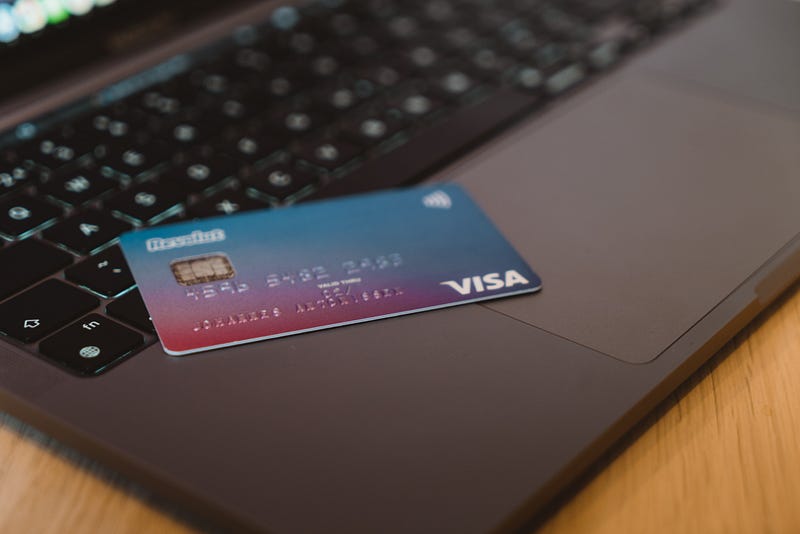
Message from my bank. There’s a suspicious transaction on my account. Did I book two plane tickets out of Buenos Aires?
Like hell I did. I might work in the travel industry but right now I can’t leave my house except for a handful of reasons, travel further than ten kilometres, or go out at night. I’m not going overseas this year, and somewhere exotic like Argentina, well, no, not for a long while.
There’s a tonne of other transactions I’ve never seen when I frantically log onto my account.
We’re freezing your accounts and cancelling your cards.
Just like that, in the middle of a pandemic, with earthquakes rattling my teeth and people rioting on the streets, the world of Amazon and PayPal is out of reach, Uber Eats won’t answer my calls, I can’t just tap and go at the supermarket, and I have to hunt under the sofa cushions for coins to buy a litre of milk.
I haven’t used actual cash money to pay for things since early last year.
Walk back the dog
Maybe there are some innocent memes on Facebook, but when the people behind reach into your real life, suddenly they all look suspicious.
Be suspicious. Here's how the scam works.
The payoff is when someone accumulates enough personal information to log into your bank account. Not through your carefully chosen password — Bingo89, my sweetie puppy on my fifth birthday— though if you hand out enough information, that might be guessable, but through the lost password button. Those personal questions, your first car, your mother’s maiden name, your phone number, your birthday; these are bits and pieces of information that you’ve handed out, meme after meme after meme.
Nothing really important, not all at once, but every time you hand over a trifle, someone is filing it away, and one day it’s enough.
Where are these memes coming from? Some silly group called “Just for kicks” or “Olden Daze” or “Fancy Fun Factory”. A radio station from a distant city. Nothing you know anything about, but each of their memes has hundreds of thousands of likes and comments. Must be good, eh?
Whoever is behind each of these is collecting the data. You so much as put in the laughing face reaction, and they have your Facebook handle and as much information as you have publicly exposed. Friends list as well, maybe.
And it’s the friends that you trust. They answer some silly question, you do the same and nothing bad happens, right?
You get into the habit. It’s a game. It’s fun.
Facebook’s algorithm sees what you like and react to and gives you more of the same. Even if it’s just liking a friend’s answer, that’s a tick in the box that anybody can see; they don’t need to know that you are friends, but they know that Facebook knows and why else would you be reacting? Everything in your feed is carefully chosen.
A lot of these questions are harmless. If you say you don’t like doughnuts, that’s got nothing to do with your bank account. But every little interaction, every like, every response, every share counts, and Facebook funnels more your way.
Not just the bank
Maybe these people aren’t going to hack your bank account. Maybe they just sell the information to people who do. A thousand account names and birthdates for a buck: a tenth of a cent and another piece in the jigsaw slots into place. An IP address, a default password and they hijack your computer, encrypt your files and charge you money to get them back. Or they go in through the tax office and redirect your tax refund. Or they know your address and when you are heading on holiday.
Don’t do it
Even if it’s just liking something, that gets fed into the AI machine that refines the scamalgorithms. They see what questions get the most responses, the most useful information, the most friend likes and smiles and hearts. Even the most innocent nonsense is good for helping to make a map of your friends and family.
Even an angry response or an abusive declaration; there’s some more information you’ve thrown out. It all gets caught and recorded and crunched by some computer out in the cloud and the first time an actual human being gets to notice you is when there’s enough information to paint a target on your forehead.
Don’t comment, don’t react. If you don’t recognise the account pushing out the meme, leave it alone. Click those three dots and hide it. Facebook will honour that. You’ll be saving yourself from temptation and you’ll be helping to keep your friends safe.
And if you see a friend caught up in this stuff, don’t respond and tell them so in a comment. Send them a message, an email, anything but help spread that innocent-looking bait.
Britni
Resources:


